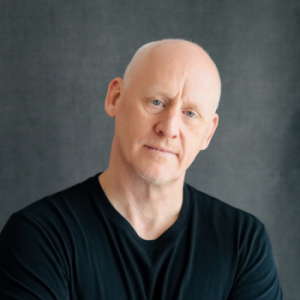
Ryan Jenkins
Mr. Kevin “Ryan” Jenkins has more than two decades of field experience in logistics, base life support, training, maintenance, and facilities management supporting United States and Allied Army, Navy, Air Force and Marine services in the most remote and austere locations in the world. Specific expertise in Portfolio Management, Federal Contracts, Finance and Business Development.
Mr. Jenkins contracting career began with Engility (now Sincerus) supporting Vectrus (now V2X) in the Kuwait Base Operations Service Support Security (KBOSSS) contract. From 2011 – 2015, he managed all U.S. Army Training Support in Southwest Asia comprising range maintenance and logistics support across 23 countries and overseeing the maintenance and upkeep of one of the largest U.S. Army training areas.
In 2016, Mr. Jenkins was sent to Afghanistan as the Program Manager providing oversight management of the Afghan Air Force (AAF) in the functional areas of Finance/Budget, Operations, Engineering Projects/Facilities Maintenance, IT infrastructure, Human Resources, Intelligence, Logistics and Maintenance. Later that year, Mr. Jenkins was asked to become the Senior Finance Advisor to the Ministry of Finance (MoF) advising the senior executives on treasury oversight, budget formulation and execution of the $5.5B budget.
In 2017, Mr. Jenkins joined Constellis (Centerra group) as the Program Manager of the Bahrain Base Operations Support contract (BBOS) at the US Naval Base that hosts the 5th Naval Fleet and 3 other military sites. He executed close out operations of this $20M annual revenue contract with 550 employees.
In 2020, Mr. Jenkins became Amentum’s Senior Business Manager over one of the largest contracts in Afghanistan consisting of 1100 employees and $118M in annual revenue. The contract provided theater-wide support of all US maintenance, transportation, and property management. He led the Business Management Directorate with five reporting sections:
Financial Planning & Analysis, Payroll/Cash management, Contracts, Travel and IT. Notably this contract was tasked with the full retrograde mission of all US vehicles, equipment and property from Afghanistan. Upon leaving Afghanistan he has held SVP and Director level postions in DoD Business Development and Capture Management in firms such as Palladium International, Taylors International Services and J&J Worldwide Services.
Currently serving as a US Army Reservist, Lieutenant Colonel Jenkins is the 403rd Civil Affairs Battalion Commander. He has also had previous roles as: Aviation Officer (UH-60 Blackhawk Helicopter pilot), Logistics Officer, Strategic Plans Officer, Information Operations Officer, and Trade & Commerce Officer.
Episode Notes
11:46 Lesson 1: Early to bed, early to rise makes a man healthy, wealthy and wise
16:34 Lesson 2: Discipline is freedom
21:08 Lesson 3: Choose the hard path – it’s the only one worth walking
23:43 Lesson 4: You are not a victim ever
28:53 Lesson 5: Pay life’s tuition
34:19 Lesson 6: Sometimes you must draw a line in the sand, step over and never look back
38:19 Lesson 7: If you want to be the 1%, you must do what the 1% do
42:56 Lesson 8: Avoid addictions
48:00 Lesson 9: You are a composite average of the five people you spend the most time with
51:47 Lesson 10: Seek out leadership opportunities
Ryan Jenkins – Discipline = Freedom.
Siebe Vanderzee: Hello and welcome to 10 Lessons Learned, the podcast where we talk to leaders, experts, and extraordinary people from all over the world to uncover the lessons that have shaped their careers, their lives, and perhaps their business. The goal of our program is simple, making the world a little wiser, lesson by lesson.
My name is Siebe Vanderzee, and I’m your host. Our guest today is Ryan Jenkins. Ryan Jenkins has more than two decades of field experience in logistics, base life support, training, maintenance, and facilities management, supporting the United States and Allied army, Navy, air Force, and Marine Services in some of the most remote and austere locations in the world.
Ryan tackles challenges head on, and he welcomes the opportunity to solve [00:01:00] problems with his broad global management experience, having lived, studied and worked in the United States, Chile, China, Germany, South Africa, Turkey, Kawai, Afghanistan, Bahrain, United, Arab Emirates, Singapore, and the British Indian Ocean Territories.
It’s quite a list. Ryan Jenkins also helps senior vice president and director level positions in Department of Defense Business Development and capture management. Working for companies like Palladium International, Tailors International Services, J and J Worldwide Services. You can learn a lot more about Ryan Jenkins on our website.
10 lessons learned.com. Hello, Ryan. Thank you for joining us. Thank you for your service. How are you doing?
Ryan Jenkins: I’m doing well. Thank you for having me, Siebe.
Siebe Vanderzee: Well, it’s a great honor to have you as a guest. And I’m curious before we get into your 10 lessons, the, the work you’ve done, it’s fascinating around the world.
Tell us a little bit more [00:02:00] about that.
Ryan Jenkins: yes. So, you know, my career, uh, started around the great, uh, recession time period. I was coming out of college at that time. I, I did ROTC, um, during college and I commissioned as an aviation officer. I. And, uh, so I started my career flying Black Hawks.
And I did that for about five years. And, around that timeframe, of course Iraq was in full swing. Uh, you know, I was, uh, tried to do my part there and I had an opportunity to go to Kuwait to be a Department of Defense contractor. And so, I, again, I never intended to have a career in the career that I’ve had.
I intended to go there and do as they call a one and done, do one year and makes some, make some big money and get out.
Siebe Vanderzee: And here you are.
Ryan Jenkins: And here I’m, I I’m still in the industry. I’ve had a lot of experience, but, uh, yeah, I went there. Uh, I was in Kuwait for about four years. I, I finished, a couple of my master’s degrees during that period.
I. And, uh, an opportunity was [00:03:00] afforded to me to be able to Afghanistan, and I got to be the program manager of the Afghan Air Force, which was an incredible experience overseeing a $1.2 billion budget, 8,000 airmen, at, and advising at some of the most senior levels. after about a year of doing that, I was able to be the senior finite advisor to Afghanistan at, uh, having oversight of the $5.5 billion that the United States was sending over there.
Uh, again, uh, advising at some of the most senior levels within, uh, the Department of State, department of Defense, and, working on a, a number of very interesting, projects while we were there. And then later on, I, I then went and, uh, I managed a number of naval bases, Bahrain, Naval Brace, the Diego Garcia Naval Base, that’s the one that’s out in the British Indian Ocean Territory, and then Singapore as well.
And then after that, I, uh, went back to Afghanistan for a second time, for another, uh, two years. And, uh, it, that was a very challenging time during COVID [00:04:00] got stuck there for almost two years, uh, without leaving a single time because of flights and all the challenges that were there. And I was there when we did the retrograde out of Afghanistan.
In fact, uh, my contract, uh, that I led, uh, was responsible for the full retrograde of everything out of Afghanistan, which was the largest airlift in American military history, which was. A wild 45 days that, that, to collapse everything that’s been there for decades to get that all out. And, uh, so that was quite a thing.
And then, I was, uh, able to move back to the United States after more than a decade overseas in some of these, uh, very austere locations at, uh, I moved to, into business development and been able to, further, companies in winning, uh, contracts around the world. And, uh, I’ve really enjoyed that.
And, uh, so that’s, uh, that’s a little bit of, uh, my civilian, uh, contracting career.
Siebe Vanderzee: A little bit. A little bit. Exactly. Also, uh, Ryan, I forgot to mention perhaps earlier that as a US Army reservist, you are currently also [00:05:00] serving as lieutenant Colonel and battalion commander in the 403rd Civil Affairs Battalion.
Ryan Jenkins: Yeah, that’s correct.
Siebe Vanderzee: Very impressive. Very impressive.
Ryan Jenkins: Yeah, it’s, uh, you know, I’ve, uh, really enjoyed that. So, in, in my life, I’ve kind of had parallel careers all along the way. I’ve, uh, been able to serve in the Army Reserve as a citizen soldier. Yeah. Uh, of course what e everything overseas that was as a contractor, which is ironic because, I’ve, I’ve actually never deployed as a soldier, but I’ve done more.
Department of Defense contract that I ever would’ve done in the, in the military. But I’ve had this parallel career and, uh, and been able to, uh, serve and meet some of the neatest people in the world. And I’ve, truly enjoyed being in command of a, an outstanding unit. I want to say the best unit, because I want take.
Siebe Vanderzee: of course, of course,
Ryan Jenkins: I, I get a lead.
but yeah, it’s been a great experience and, hope to continue, uh, that career until the army eventually kicks me out and says, they don’t need me anymore.
Siebe Vanderzee: Yeah. [00:06:00] very, very impressive. And again, thank you for your service. I’m also curious, and of course when we talk about your lessons, we’ll get into it in detail, but having lived and worked in so many countries, to what extent has that impacted your view of the world and its people, it’s a very generic question, of course, but I’m sure having lived and worked and dealt with so many issues, serious issues around the world, that must have helped create your thinking about people and, and et cetera. Any, any thoughts on that?
Ryan Jenkins: Yeah, so I, I do have a lot of thoughts, obviously, for that, a lot of my thoughts have been, you know, so when I did my bachelor’s degree, I did international studies at Brigham Young University. And then later on, uh, and I’m going to give a shout out to our alma mater, uh, Thunderbird School of Global Management.
I got my master’s degree there and I’m currently in the, their doctorate program. But those school experiences really opened me up to the different conflicts. Each side of the conflicts, try to see the [00:07:00] other side. And as a military person, you know, when I look at conflicts, I always try to look at the other side.
What are the motivations? what’s the, the tensions that are going on there? I’ve been able to meet, again, live most of my adult life overseas, outside the United States. I’ve got to interact with some of the finest people around the world. and. I, to me, I, I see myself as a, a global citizen. I am an American citizen, but I am a global citizen.
And I think that is unique to me because when I come back to the United States, you know, a lot of Americans don’t even have a desire to lead the United States. Now, granted, the United States is huge, and you can vacation the United States, you know, 10 lifetimes and never touch all the places, and, and, and that, that is a, a factor.
But, you know, I, I will say that when I interact with my local community here in the United States. Oftentimes, I, I see the world very differently, than they do. And I think it is because I’ve interacted, you know, I’ve had great friends that are Muslim with a totally [00:08:00] different religion than my own.
I’ve had, great experiences in, in China and, I know you mentioned by big list of, of countries, but there’s other many more countries that I’ve visited along the way through, through business where I, a, those are the, just the list of where I actually lived or studied or, or spent significant times where I had to, uh, acculturate myself.
And the thing is, is too, I, I found the Siebe, all these places I lived. You acculturate to that place, you’d be, you know, I don’t want to, you know, this sounds my kind of ironic, but you know, when I lived in China, I became Chinese sort of for a while because you start to see the world from their perspective when they talk about, uh, tensions with, uh, Taiwan and their perspectives.
When you see them talking about back to the United States, when you watch the news from a different lens back to the United States and so forth, you know, being in Germany, you start to see when you’re reading their newspapers and their articles and you’re talking to your friends and, uh, and coworkers.
You just [00:09:00] see the world from different lenses. And I think that just one, if I do have a position about how the United States isn’t, obviously I’m the US military officer, so I, I root for my team, but I think it, it makes. that patriotism even stronger of why I care about my team and, and the reasons why I think it, it goes to a deeper and, uh, levels and so forth.
And so that’s one thing I find now, again, the other side are, there are people too. They have the same follies is you and I. Uh, they have the same challenges. They have different tensions from the economics and social or political and all these other, issues that everybody deals with.
But you do see themes that happen along the way. And, and that’s the kind of stuff that I think that we can learn from, to have a more robust and richer, uh, view of the world and, and other people.
Siebe Vanderzee: Well said. in your experience, global, worldwide experience on the ground dealing with people [00:10:00] directly.
If you look at it that way, is there perhaps a lesson that you have learned in life, in your work and the work that you have done that maybe you wish you would’ve learned when you were, let’s say, 25 years old?
Ryan Jenkins: good question. So, you know, when we, you and I began this discussion on the, the 10 lessons, I actually geared my 10 lessons to that 25-year-old that, that 20 to 25-year-old, because I’ll speak for myself, but at that age I was a little lost.
I came out of college thinking that the world was going to get handed to me and it didn’t. Uh, you know, I had a very non-traditional career, obviously done some things that I’d never, I didn’t even know existed, to be honest. And, you know, I think that a lot of young folks, they think of what’s an accounting degree, you know, this bean counter that’s in the, a dark corner.
And, doing accounting numbers, but in reality, an accounting job is, is very diverse. I had accountants all over these places, all these places that I worked, I [00:11:00] had accountants and, and other, academic disciplines. And, and they’re out in the field. You know, they’re, they’re out, they’re outside.
They’re, they’re advising, they’re, they’re taking these other types of roles. And, and so I think, that’s really key for young folks is to understand that you have to be very adaptable to the world. Yes, you want to get disciplined, you want to get education, but that education is literally a starting seed to wherever we go many of us have multiple careers throughout a lifetime, and as adults, we need to know how to, to adapt and overcome.
And, and of course, I’ve prepared these, 10 lessons as. Ways to get past the, the largest obstacles that will help you to adapt and be resilient to the many changes that we’re going to face in our lifetimes.
Lesson 1: Early to bed, early to rise makes a man healthy, wealthy and wise.
Siebe Vanderzee: I like it. Again. Well said. Let’s take a look at your lessons. Lesson number one, early to bed, early to Rice Makes a man healthy, wealthy, and Wise.
I think I’ve heard that before, but I like your thoughts on it. Of course, [00:12:00]
Ryan Jenkins: yes. So, you know, Siebe, I put this as number one. and so, because I wanted to make sure we got this out, out the gates for any listeners at the, we get a good one out the gate. but early bed, early rise makes man healthy, wealthy, and wise.
Something I learned really early, and this is my number one life hack that I share with everybody. I have, uh, three boys again, in this age group of, uh, target audience So this is my life hack. I get up first, thing in the morning, and I personally, am a big fan of the 5:00 AM Club.
I get up at four 30, I’m in the gym at five. Wow. And I do that, for a couple reasons. One, very other few people are there. I get a jump on everybody else and all my competition and whatever that competition is. And I also, uh, read another person that, uh, when I was in Afghanistan, I, one of my buddies that was in the gym all the time, he was like, why are you up in the gym?
He’s like, because my enemy is still sleeping. And, and you know what? I really took that to heart because, you know, [00:13:00] you want to be ahead of people, so this is my life hack. Go to the gym every single day, build your body because your body builds your mind. And then while I’m in the gym, my second secret is I actually don’t listen to music in the gym.
I listen to books in the gym. I’ve been doing that for years and years and years. So, and of course, like many people, I’m very interested in finance, economics, personal, uh, development that way. And so, I’m working on my wallet, for my financial health. I’m working on my physical health and I’m working on my mental health every single morning.
And I, I know, you know, I’m working on leadership and all. I listen to history books. I listen to leadership books. I listen to, uh, economics, you name it. I’ve listened to a lot of books and that’s been my life hack ’cause it’s created this, uh, competitive advantage that I’ve had over o other people.
You know, if you ever hear me say something smart, it could just be, I’m just repeating something I heard that morning. Uh, honestly, now what happens is. [00:14:00] That stuff compounds just like a, a, a, you know, if you do an investment, you’re investing in your mind and these ideas compound I mentioned earlier, you should start to see patterns and things of the way the world really works, you know, and controlling your mindset.
You know, a lot of the things I’ve done, I’ve gotten the courage from books and other authors, to take on challenges and to take action on certain aspects, and that’s had a, a tremendous impact, uh, upon, uh, me and, and, and my successes.
Siebe Vanderzee: Yeah, interesting what you’re saying. I mean, to be honest, I may not be the only one, but, going to the gym at 5:00 AM I’m not sure if I’m ready for that, however.
How you explain it. I want to almost say the structure, the discipline, and of course staying physically fit. I’m a big fan of that and I strongly believe in that, but I can see how different people structure it differently, right? Not everybody does the same as everybody else, but the meaning I [00:15:00] think, uh, makes a lot of sense.
So that’s a good start.
Ryan Jenkins: Uh, and I want to add,
Siebe Vanderzee: please.
Ryan Jenkins: One other aspect that I, I think I forgot. So, you know, I’m talking about getting up at four 30 in the morning. Honestly. That’s crazy. You know, if you look at a normal life, that’s crazy. The discipline is not getting up at four 30 in the morning.
The discipline is at nighttime getting your butt in bed. Nine, by nine o’clock, turning off the tv, turning off the phone, I get into my gym clothes to get into bed. So, I’ve already made the decision the night before, and that’s my life hack. You know, another little life hack too, uh, that I’ve, that again, I’ve learned a little, little tweaks along what I use light alarms.
Where the light turns on instead of having a jarring alarm clock. Yeah. I find that I wake up much, uh, smoother and, and I get up every single day at the same time. Now, I travel at, at times too, so that might disrupt that, but I do at the same time. And if even on Saturdays and Sundays.
So, your body gets really used to it. So, it’s not actually difficult if you, the discipline [00:16:00] in sticking with it is what makes it easier. And, and this is another thing. I go to the gym. Not, you know, a lot of people avoid the gym because, oh, I’m going to be sore, you know, I’m going to be walking around, painfully for a couple days after legs day or whatever.
I actually go to the gym every day to avoid the soreness. ’cause if you go every single day, yeah, no, I, you don’t get sore. And so, I go to avoid the pain. So, uh, again, it’s a way you switch your mindset. Am I going to the gym, uh, be or do I avoid it because I’m going to have pain, or do I go to the gym to avoid pain?
So, either way, you’re trying to avoid pain. Might as well just go to the gym and live a healthier life.
Lesson 2: Discipline is freedom.
Siebe Vanderzee: But it helps giving you the energy, right. Working out. That’s, that’s absolutely, that’s very important. Lesson number two, discipline is freedom. What are your thoughts on that?
Ryan Jenkins: Yes. So that’s a follow on of the first lesson.
Siebe Vanderzee: Yeah.
Ryan Jenkins: Discipline is so critical. And, and that phrase actually comes from, uh, Jocko Willink uh, he’s kind of a, a famous, uh, special forces guy that, he was a Navy [00:17:00] Seal and got up and he does a lot of business consulting. And he’s a, a great, person to follow and learn from. And it’s a derivation of, uh, Aristotle’s through discipline comes freedom.
And, and there is truth to that. If you have discipline to manage your budgets, if you have discipline to, a work on your business versus in your business every single day, you will grow that business. I, if you, if you have discipline to, to read books, you will have the freedom of knowledge and the freedom to understand the world around you.
If you have the freedom to go to the gym, you’re going to have health. Uh, and, and another little tidbit on going to the gym, you know. Apart from your heart and your lungs. the, your legs is the, the part of your body that, creates the longest leg longevity in your life. If you ever watch people as they start to decline and my father passed away, the moment he started to really decline was the day that he really lost the mobility of his legs.
And so, again, never skip legs day. That’s the [00:18:00] best day. Uh, just throw that out there. But that discipline of going every day, put yourself first. I know this may sound a little, uh, counterintuitive, but be selfish. Take care of the little things for yourself first in the day. That’s why I do it first thing in the, in the days, go to the gym.
’cause if I’ve been to the gym. I’ve had a good day. I can’t have a bad day after that. I’ve, that I’ve had a success. And so, and again, discipline is what happens over time. It’s every single day. It’s, it’s that consistency that produces the results. You know, if you could just go to the gym one day and has a, have a crazy workout, it could be super sore.
But what happens when you go to the gym every single day for a year? You never know the point in which you get fit, but it happens. And so that’s kind of that consistency mindset of figure out what that goal is. Go after it you’re going after an education, go to class every single day.
Siebe Vanderzee: Let me ask you though, because I, I hear what you’re saying and the consistency, the discipline, but for [00:19:00] example, people who are in a, can I say creative job?
Maybe there are artists, painters or musicians. my understanding is that suddenly the light goes on in their minds and say, oh. I’m going to work on this, I’m going to create that, that, or that, that is not necessarily a disciplined approach, but for many people, that’s the inspiration that they draw and say.
And they may wake up in the middle of the night and say, oh, I’m going to work on this and I’m going to work on that. I, I know people who are wired that way. How do you look at that?
Ryan Jenkins: Great question. So, the, in our, in everybody’s life, there’s things that you need to do every single day. And then there’s these things that we have kind of a surgeon life.
You get a great idea. my wife and I, we have a, a medium sized real estate investing business. And there’s these tasks that you have to do the accounting every day. You have to check up on tenants and all those kinds of things. But then there’s these moments like, [00:20:00] Hey, we need to start working on this other type of investment.
And that’s the moment where you have these inspirations and you kind of have these surges. And so again, if for a creative person, if they could take care of all these other like distractors, these things that just have to be done and have a time of day, you know, one or two hours a day to, to work on these things, to grow on, then you can also at those moments that you have this inspiration that you just go in and four or 5, 6, 8 hours and you’re painting something up or you’re writing your, your novel, they come in these kind of bursts, but you will have eliminated these other tractors that often are, you know, we, we often are as human beings like to find distractors to avoid those things that are uncomfortable for us to address.
Siebe Vanderzee: You have to find a balance somewhere where you have to be organized and structured and at the same time for those creative people I. The moment happens. Go for it. But you have the other things structured, organized.
lesson number [00:21:00] three, choose the hard path. It’s the only one worth walking. Wow. what are your thoughts?
Lesson 3: Choose the hard path – it’s the only one worth walking.
Ryan Jenkins: Yeah, so when I think back about, my own life and how I would guide young folks, and again, I like to, right now I’m thinking about my, I have three boys at this age group. I have nieces and nephews again, coming out of high school in this period, uh, that they’re trying to figure out what to do.
I found in my life that. we come to Crossroads all the time. do I go to bachelor’s degree, or do I go to, uh, a technical college? Do you know what are the options that are presented? Do I join the army, or not join the Army? Sure. These are hard questions. A lot of young people face these decisions because they realize there’s, there’s a great path, wherever they go.
I’ve found in my life when I’ve been faced with these kinds of decisions, when I chose the harder path, it was difficult. [00:22:00] I don’t want to sugarcoat the difficult of going down an MBA or, or whatever that path may be, but the reward was far greater down that path. I personally grew a ton in that way, and that’s what I encourage folks to do.
Look at your path. and it’s hard to choose the hard path. It’s extra work. It’s sometimes years of decision making, uh, uh, of going that way. But the reason why it’s so much more valuable is human beings. We’re very prone to, to be comfortable. We want to be in a comfortable house. We want all these things.
And that’s our natural inclination. But if you can get comfortable being uncomfortable, you’re going to go down a path. And it comes back to economics, supply and demand. Fewer people take the hard path. And so that’s why it has the greater rewards and your personal development and strength, the growth and self-esteem and all that stuff comes along with it.
But I’ll tell you, there’s been, I can [00:23:00] think of distinct times in my life where I had to make a really hard decision and I didn’t want to make the decision, but I did because I basically came down, I decided for my life I’m going to make those hard choices.
Siebe Vanderzee: Yeah, and I think you said it’s mental strength and preparing your, your mind, your brain is important of course.
And I’m sure you agree, I think of people who perhaps have either physical or mental restrictions, and you cannot expect the same from those individuals. I’m sure you agree with that. But, for many people who are, you know, on track, it’s important. It’s a, it’s a great lesson to choose the hard path, like you say.
I think it’s, it’s helpful that’s valuable.
Lesson 4: You are not a victim ever.
Siebe Vanderzee: interesting. Lesson number four. You are not a victim ever. I’ll leave it up to you because I have some thoughts about that, but please explain your thoughts on that.
You are not a victim ever.
Ryan Jenkins: Yeah. So, where this came from is [00:24:00] in my life. I, I came out of, uh, my, undergraduate, uh, you know, I did my bachelor’s degree. And I thought that, you know, you know, a lot of people think, hey, I’m going to do this bachelor’s degree and I’m going to get paid more coming out. And, you know, there the jobs didn’t materialize.
And that was very vexing to me thinking, but I’m a smart, educated man, you know, you know, you get a little puffed up, right? And in reality, that’s not how the marketplace works. You have to bring value, and you have to show that value to people, to others, to get the jobs, to get the projects, to get the business and so forth.
And I think when people blame others or, or their circumstances are, I, I’m a product of my environment. it shuts the brain down from thinking about how you’re going to solve this larger problem that you have. And that’s really the, the, the crux of it. at that moment, again, I was thinking, okay, this is [00:25:00] my environment.
These are the conditions that I have to deal with. This is the marketplace. How do I change myself? I can’t change the environment. It’s impossible. You know, there’s rules, there’s laws, there’s things that are going on around and again, as a young person, as think could, you know, there’s millionaires that have made it.
how did they get there? They’re, they’re no smarter than I am. IQ is the same, we all come from different backgrounds. Yeah. Some are, you could say more disadvantage than others, but why not turn that disadvantage into a strength, you know?
Siebe Vanderzee: Well, but perhaps Ryan, that is also related to the country where you and I are living.
United States, the land of opportunity, and as you know, better than many other people, there are many countries where there are not, not equal rights, equal opportunities based on sometimes gender based on race, based on religion. how do you look at that? Because, you know, we’re going worldwide with our podcast and somebody says, yeah, that sounds good, but I don’t have the [00:26:00] freedom.
To do the things I would like to do.
Ryan Jenkins: Good question. I’ll say for myself, I’m somewhat obsessed with understanding the 1%. If you look at any country, there’s 1% that’s succeeding in that country. What are they doing different? What are they thinking different? What were the experiences that they did or put themselves into places to try to change where they are?
You can, you can accept your environment and say, oh, I’m just going to be an average, person and, and not grow. Or I could say, well, maybe I need to choose the harder path, like, uh, like I said before, and maybe I need to, Again, read books, go to the gym, read the books of the people that aren’t the 1%, they’ll tell you their secrets for $10.
I mean, they’ll give you 10 years of experience for $10, and it only takes you, you know, most books are less than 10 hours. Honestly, most books are five hours to listen to. So again, are you willing to pay five hours of time to learn the secret of the 1%? And you might have to read many books to do [00:27:00] that.
But the point is, is there is always a 1%, there’s a top 10% of every single country. So, it, it depends on how you are reacting to your environment versus just letting your environment, act upon you. And the thing is, is I think that there’s strength in owning your situation. I’m here. I don’t want to be here.
I’m uncomfortable. I want to get out of this place. What are the actions? You can only control your behavior. You can’t control the behaviors of others. Right. And it, and it, it also comes down to, to mindset. Another thing I kind of learned early on is there, there’s a couple words I loathe, I hate these words.
Deserve, you don’t deserve anything. Mm-hmm. You don’t deserve anything. Mm-hmm. I don’t care, what you are. even if you’ve done a lot of successful things, you still don’t deserve the next successful thing. Now what happens is you put yourself in a place where you are more like, you can, create your luck.
Right. If you open enough doors, [00:28:00] you’re going to be able to walk through some of those doors. Yeah. The other word I don’t like, and I really hate is the word fair. Nobody can define. Mm-hmm. Truly what fair is. You know, everybody talks about the rich and the poor. You know, if you ever listen to politicians, you know, the rich have to pay their fair share in taxes or whatever.
They never define what rich actually is, and they never define what fair actually is. it’s an emotional word. And the truth is life isn’t fair, nothing’s fair. and in fact, you can create things in your life that make you have a competitive advantage so that you are able to reap greater reward.
If you sow more seeds, you’re going to have a larger orchard than the guy next to you. it’s about what you do. You are responsible for your behavior and nobody else is responsible for that. That’s the life lesson there.
Lesson 5: Pay life’s tuition.
Siebe Vanderzee: I like it. Thank you. Lesson number five, pay life’s tuition, serving your country, [00:29:00] right?
your community, your family. Is that the thought that you have for this lesson?
Ryan Jenkins: sort of, kind of, but, but it’s actually a, a, there, there’s a part to that. Yes. But where it comes from is when I was in junior high, I had an earth science teacher, and he had this clock, at the front of the classroom, you know, above the, the blackboard, the whiteboard, and there was a sign under the clock and it said, time will pass, will you?
Now, of course, there’s a lot of students in the class that, are always trying to do the very minimum. To, to pass the class. But time does pass and it’s always clicking. It’s always moving. And this goes back to this idea that I talked to you in the last lesson about planting seeds. We can plant a lot of seeds today that take many years to truly harvest.
I’ll use a certain, example. I bought a house back in 2009. This is at the height of the great recession. And I, I rent it. I, when I moved [00:30:00] overseas, I rented it and it, to me that was a seed, but that seed grew over about 14, 15 years. You can imagine the appreciation that happened through, you know, just the inflation that happens naturally in the country.
And when I sold that, that house was able to buy three other houses, investment properties. And again, I just nurtured that seed for a long, long time and I didn’t make much money from that. I made one $200 a month for. 15 years, but nowadays those three houses make me a lot more cash flow. So that’s the type of seats, pay life’s tuition.
uh, I’ve made big mistakes. That first house that we’ve talked about, the very last tenant trashed the house. Oh, and the life lesson.
Siebe Vanderzee: There was insurance?
Ryan Jenkins: No, I was not a good property management. It was this guy’s fault.
I ended up having to put more than $20,000 into redoing that house. I had to gut it out. I mean, they really trashed it. Uh, and, but it [00:31:00] wasn’t their fault. It was this guy’s fault. It was my fault.
Siebe Vanderzee: But what would you have done? Uh, you have renters in your house. You’re not going to go over there every day and check things out.
Are you?
Ryan Jenkins: Well, I should have actually. No, I should have, I should have been doing quarterly inspections. Like quarterly. Yeah. The, the good property. And when I saw. I should have been doing that. And honestly, I, I wasn’t doing that, and they had been in there for years. but I, being overseas, I wasn’t doing a, yeah, a good enough job.
I can’t blame them it’s my fault. Well, I, I paid, so I paid $20,000 of life’s tuition to learn that lesson. Yeah, I see what you mean. That I need to have to be a better property manager. Sometimes you’re paying a life tuition in other mistakes. you know, uh, bad relationships, romantic relationships.
You put time and effort and money into relationships that don’t, uh, evaluate. You got to take the life’s tuition and say, okay, what am I going to learn from this? You got to sit down and learn, [00:32:00] actually learn the life lessons, write them down, think about them, and then don’t repeat them or make better decisions going forward.
So that’s the idea of, I. There’s this tuition that you pay for the life lessons and sometimes they’re expensive and they’re more expensive than actual formal education because those experiences are extremely valuable. Now I’ll say from that experience, that $20,000 plus, uh, life’s tuition, I am a much better property manager today.
I’m much more on top of all my, and I have more properties, but I have, but I am very regimented. I got my systems in place, and I hold myself accountable. So that’s the concept behind pay life’s tuition and get the lessons learned from the payment.
Siebe Vanderzee: There are, as we both know, so many unexpected events that are taking place that you cannot prepare for because, well, whether it’s a financial crisis or of course we’ve had nine 11, COVID, unexpected events.
how do you prepare for those? Can you [00:33:00] prepare for those? the unknown? The unexpected?
Ryan Jenkins: Yeah, absolutely. again, as you plant seeds, as you read and all this stuff, other stuff, you have a storage of knowledge, of adaptability of experiences. There are some things that happen out there that you can’t really, deal with.
However, you, you do create a store of, of ability to adapt. There’s things that we’re just not going to know, and we’re going to have to grow, uh, through that process.
Affiliate Break
Siebe Vanderzee: Yeah, I like it. We’re talking today with Ryan Jenkins sharing his 10 lessons learned. Ryan is a global expert in portfolio management, federal contracts, finance, business development, supporting us and Allied Army, Navy, air Force, and Marine Services around the world.
Before we move on, here’s a brief message to our listeners. We really appreciate your support for our program. Whether it is sharing our podcast with a friend, leaving a review, or checking out our affiliate partner, audible, every [00:34:00] bit helps us to bring you the lessons that matter Most. Audible is a great platform to enjoy our program, 10 lessons learned in addition to thousands of other audio books and other inspiring podcasts.
You can try Audible for free for 30 days@audibletrial.com slash 10. Lessons learned.
Lesson 6: Sometimes you must draw a line in the sand, step over and never look back.
Siebe Vanderzee: Alright, Ryan, moving on lesson number six. Sometimes you must draw a line in the sand, step over and never look back. I like it. But what are your thoughts?
Ryan Jenkins: So, this, I, there’s been multiple situations in my life and to me the, this is actually kind of, uh, are really kind of to tied more to, uh, relationships.
we date lots of folks before we get married and other things. There are some situations that, you know, we, we do end up in these drama situations and there’s. There’s been a couple times in my life where I ended up in a really bad spot in life. We’re, we’re [00:35:00] depressed, we’re struggling.
Mm-hmm. We have a major set. We lose a job. And, and sometimes we lose the job in, in ways that are, we’re wrong. You know, we are really, hurt. I’ve found that there’s been times that I’ve had to draw a line in the sand, step over it and decide I’m not going to be that anymore. I’m just going to have to lead that.
There’s no way to fix some things. and again, certain relationships that they fall apart and they don’t work out, and you’re like, you know what? I just, I can’t look back at that. I can’t hang onto that. I just have to move forward. and I, I throw that one out there because as a young person, I.
We always think, oh, we’re going to marry the love of our life and everything’s going to be hunky dory and all this. Our kids are going to turn out great and all this other stuff, but we will face setbacks in life. And going kind of to that idea of the adaptability that we were just previously talking about COVID hits.
Yeah. Or, or whatever the case is. you just got to, you just got to say, you know [00:36:00] what, I’m just going to have to move on. and forgiveness sometimes is really difficult. Sometimes it takes a while to forgive. Sometimes you just have to walk over that line and just keep walking for a while before you get the ability and time does heal sometimes.
Time brings, perspective. I know for myself, being in some of the more difficult places of the world, Afghanistan was extremely challenging. you’re dealing with topics, life and death, and, and you see things that are damaging to the soul. They’re very difficult to deal with. You know, a lot of people deal with PTSD and, and things of, of that nature, but time does help because it creates a little distance.
It creates those moments, you break up with that girlfriend that you thought was the one, and a year later, you can see there was lots of red flags that I, I just ignored and, and maybe I had some red flags too. you got to, you got to look back at yourself, you know, you like, maybe I wasn’t the right person.
Maybe I was doing things that, that was damaging to her and other things like that.
Siebe Vanderzee: and perhaps sometimes Ryan, [00:37:00] and it’s not so much related to a girlfriend perhaps, but disagreement with a person. Say, hey, I’m done with this. But sometimes there is a way to find common ground and perhaps.
Help that other person understand where you are coming from and find common ground. in terms of people who you do not agree with that somehow you have to help them understand better.
Does that make sense to you?
Ryan Jenkins: Absolutely.
Siebe Vanderzee:
Ryan Jenkins: And, in human life, we just, we have these moments where we, we, we come to a real conflict and sometimes there’s not answers to conflicts. And that’s, that’s understandable. And you just have to figure out, okay, how do I exit from this conflict?
It, you know, uh, you, you lose a job because you’re not, competent or you’re not skilled enough for that, that particular job, or you’ve had an abrasive. Relationship with a boss or coworker, and it kind of comes to a head, you know, ’cause there’s lots of folks that you work with that are not [00:38:00] always pleasant.
Right? Well, what is, again, what’s the lessons learned? So, I can take from that where I can adjust and next time, I encounter this situation, I can react better.
that’s where wisdom comes from.
Siebe Vanderzee: I was going to say, we can probably devote a whole podcast to that topic right there, right to that one, to that one lesson.
Lesson 7: If you want to be the 1%, you must do what the 1% do.
Siebe Vanderzee: let’s move on to lesson number seven. here we go. You mentioned earlier, if you want to be the 1% person, you must do what the 1% do. And, I have an idea what you think about that, but please explain.
Ryan Jenkins: When, and when I talk about the 1%, a lot of people think of Jeff Bezos and Elon Musk.
They’re not the 1%, they’re the, I don’t know what the odds are of becoming those guys, but it’s not the 1%. 1% is just look around your neighborhood or your high school that you graduated from or your college one in a 100 people. Just, you walk through the grocery store, you, you walk [00:39:00] around a, a market, you’re probably passing a thousand people, what are the top 10% of the people, doing?
That’s different. because the 1% do things different. And I found that myself. they think differently. They’ve learned differently. They’ve, they’ve built experiences. They’re always kind of crawling up that ladder. and some of the things that I noticed that they do.
Is they seek leadership roles. Now in the US Army there’s the definition of what a leader is, and it’s a Be, Know, Do. So, you have to be the character of a 1%. You have to think of yourself in terms of the 1%, and you have to then learn what the 1% do. And this is where I, my life hack really comes into play is one that, you know, of course going to the gym, but, but listening to the books in the morning for me, there’s a lot of days, I don’t want to go to the gym and actually I’m more motivated for the book than I am to the gym.
Siebe Vanderzee: That’s interesting.
Ryan Jenkins: Yeah. And I actually could say more than half of my days is more interested in the book than the gym, but I’m [00:40:00] there. I do my lifting, I do my workout and, but I’m listening to that, that book and they’re learning about what other one percenter do. I’ll read a book this morning.
I, I was reading a book, and it gave me some ideas that I want to do for my business. So, I go out and action just one action a day. And they’re small things. These are small seeds. If you improve your business just 1% a day, think of the exponential. and by the way, that 1% compounds, it’s not just a straight 1%, it compounds.
And so that’s the benefit that happens along the way. The other thing I’ve noticed about one percenter that are distinct from everybody else. Now, the, we all work nine to five. You know, the, the classic nine to five, that’s what feeds you. But the five to nine is what will build your wealth. And people if you focus on the five to nine in the morning and the five to nine at night.
That’s where people work on their side hustles, that’s where people go and get extra education. Uh, you know, so my five to nine in the morning, I [00:41:00] spend on like, like I said, going to the gym, listening to books, uh, working on some of my business stuff. When I get to the nine to five, I work very hard for my employer.
I, I’m really looking for that success. And then in the evening, my five to nine, uh, you know, I’ve been working on my doctorate degree over the last, uh, few years. Other education credentials, sometimes I go back and work on my business as a battalion commander. I spend a lot of my evenings replying to emails, making sure that, uh, my soldiers are taken care of and all the administrative tasks.
So again, wealth is built in the, five to nine, as opposed to the nine to five. And that’s what the 1% do differently. They trade tv, they trade all these other things for what they really want in life.
Siebe Vanderzee: it’s very structured, very organized.
Ryan Jenkins: Yes. Yeah.
Siebe Vanderzee: And that’s not easy for many people.
Ryan Jenkins: And it’s discipline, right?
Yeah. Am I going to focus on my five to nine? Yeah. Am I, am I important enough that I’m willing to construct the life the way I [00:42:00] want it to be and do it every single day?
but are you willing to trade? it’s, it’s opportunity cost. What are you willing to trade for what you truly want inside your heart?
Siebe Vanderzee: Yeah. And so that motivation, there has to be, it’s not just, okay, I’m going to spend time, you know, five to nine on things if you don’t see progress or if you don’t really have an interest, like you talk about listening to books while you’re working out, that makes sense to you.
There will be other people. I know one of them. Me, when I work out, I like to listen to music, so it, it’s whatever works for that individual. and, but there is that structure, and I think it’s fair to say that there are a lot of people that do not live in that sense, a structured life.
I feel pretty disciplined myself. Not sure if my wife agrees, but you apparently seem to be very structured with that. And, and of course it’s a, it’s an important lesson.
Lesson 8: Avoid addictions.
Siebe Vanderzee: indeed. Lesson number eight, you already indicated some of it [00:43:00] avoid addictions and, well perhaps you can give some examples how do you avoid, addictions?
Ryan Jenkins: There are a lot of addictions in this world, and I. What I’ve found is, particularly for young folks in this 20 to 25, uh, range Is a lot of your life habits begin at that, at that stage in your life. And there’s lots of, addictions. I, you know, I’ll just, again, I speak for myself, sure.
Because I, I, I’ve, I’ve, there’s some things that I, I’ve mastered to others that I struggle with and other things. I’ve never drank alcohol and I’ve never, never once in my life. And you know what, my father never did either, which I think was a, a, an influence on me. And he grew up in the seventies, you know, where it was, you know, a raging, but I’ve never missed drinking alcohol.
Now I’ve been to lots of corporate parties and bars. You know, I, I’ve been in the army, I’ve been the, I’m always the designated driver. So, I, I, I’ve been, uh, to a lot of places, uh, like that. [00:44:00] I’ve never missed it. I’ll be honest. I just have it. and I actually feel that it’s a little bit of a competitive advantage.
I just don’t see how it truly benefits, uh, people. and that’s one thing that I think that I’ve observed in my life. You know, there’s lots of great people that I observe, even, uh, the very top people. And they’re waiting for the alcoholic party, uh, at the, at the weekend.
And they’re always waiting for the beer at the end of the day. When you’re spending time on something like that, what are you not spending time on? And so that’s the first one, of course, uh, smoking and, you know, we know the health, issues with smoking, drugs nowadays, there’s so many recreational drugs, within the United States and people, their whole life is geared towards the next, uh.
Time that they get to have the recreational drug or whatever. All these things take away from your soul in real ways. But there’s, there’s others, caffeine. How many people are really, you know, they have to have their caffeine in the morning. They’re coffee and they, in the morning I’ll [00:45:00] set share a personal experience.
I’ve actually been caffeine sober for over five years now. At, was in Afghanistan. I was struggling with a lot of things, you know, of course I was working out and all this kind of stuff. And I, slamming back the monsters and the, these, energy drinks and stuff like that. And I, well, I, I, ironically, I read a book about caffeine, and I decided I’m going to go cold Turkey on this thing.
And I was able to do it. And I’ll tell you, it was extremely difficult because for. 20 years I’ve been conditioned to drink a Coke with dinner or whatever the case may be. All these sodas that we’re always drinking in the military, uh, the, the energy drinks are, are rampant. they’re everywhere because people live on ’em to stay awake.
And all the stuff that, that energy piece, you know, I can save my life is far healthier and better nowadays that I’m not, that have no need for caffeine. I’m a water guy, and so that’s kind of what I went to. It was not easy. even a year later. That the mental struggle of, [00:46:00] Hey man, that Coke looks good, but I’m going to stick to it nowadays.
Not even a big deal because I, I’ve got so much time in it. But that’s an example of, of getting away from these things that, that we’re beholden to that. I know people that have gambling issues. It ruins their finances; it ruins their families. They, they throw away their futures with gambling, social media, this is the one that’s really a plague right now in our life.
I mean, we all struggle with. Hours on hours, just scrolling and looking at the, these seven second videos that are designed to suck you in. They know you better than you know yourself. They know your psychology. They know these drips of dopamine will hook you. We get addicted, some many people, and I’ll, I’ll be the first.
We get addicted to love. We get addicted to the, the girlfriend or the relationship. We sometimes get addicted to the drama involved. Some people bring lots of drama and a lot.
Siebe Vanderzee: Well, let, let me, let me challenge you a little bit. Yeah, sure. Um, how about being addicted to getting up at five in the morning and go to the gym?
Ryan Jenkins: [00:47:00] That’s, that’s a good point. I could always sleep in. I could always sleep in. but you’re right. I guess you got to choose your addictions, right? I don’t think that it’s a, such an addiction because I don’t have to do it. But ’cause it’s always a struggle to get to it.
Siebe Vanderzee: I understand what you’re saying.
but you’re talking about the addiction. Indeed, you’re, you are stuck. You cannot, you know, your day is not going to be right if you don’t have whatever alcohol or drugs or, or any of the things you mentioned.
It’s an addiction. But I,
Ryan Jenkins: and it’s not only that, but I really want to focus on what’s the opportunity cost? What’s the trade off? If I don’t go to the bar on Friday night, what else could I be doing? Could I. Take an hour or two work on my side hustle. Yeah. Is it an hour or two that I could work on, going on a date with my wife?
Is it, so it’s the trade-offs. you know, gambling, if you are addicted to gambling, hey, the time to spent with gambling, but also, hey, are you, uh, gambling away your down payment for a, for a home?
We spend hours [00:48:00] scrolling.
Lesson 9: You are a composite average of the five people you spend the most time with.
Siebe Vanderzee: It’s a good point. Lesson number nine. You are a composite average of the five people you spent the most time with, you are the composite average of the five people you spent the most time with, your thought, please explain.
Ryan Jenkins: Yes. So, this, this, if you ever heard of a Jim Rohn, he’s a famous, uh, guy. I think he’s, uh, since passed, but he’s a, a famous, uh, motivational speaker. I love Jim Rohn. I have watched so many of his videos. I’ve, uh, listened to his book. he has so many wise sage lessons like this.
And if you think about yourself, the five people that you spend the most time with is you are that average. And the reason why I, this lesson learned it comes up is I actually asked my boys, hey, what’s a, a life lesson that you got from me that I was saying all the time that really made you think. And this was the one that they came up as the number one, that it was somewhat counterintuitive.
’cause they [00:49:00] think about their friends and, you know, if you’re hanging out with uh, people that are doing drugs all the time, what’s the odds of you doing drugs too? what happened to me and the where this really came to, into my life. When I came out of college, I was really struggling financially.
2009 was really tough. That great recession there. I came out of college, and I didn’t, there weren’t jobs for us college graduates, and it was a real struggle. I Yeah. The, the economy was really tough there. And again, I, at the time I was thinking, okay, I want to be a millionaire someday.
Everyone has the millionaire idea in their head. Right. How do I get there? And I didn’t, I didn’t know any millionaires. You know, I, I came from lower class socioeconomic situation. Uh, my dad was a truck driver. and so, he didn’t have that to give to me. And this is also where the books came into play.
I started to listen to Robert Kiyosaki and, authors like that, so I decided I was going to make the books and the authors of the books. Part of my composite average of my five people. So, I wanted, I wanted [00:50:00] at least of the five people I spent the most time with during the day, I want one of ’em to be a millionaire.
And I wanted to spend time with that millionaire listening to their books, listening to their lessons, and they’re actually talking to me, telling me their secrets, their life lessons. And that had a tremendous impact on me as I continued to do that over, you know, more than a decade. And so that’s the thing is.
Put yourself around people that will pull you up. and also pull people up around you, you know, be a mentor and mentor others. but that’s the, the general concept there. also, for many of us that are married, your wife, you know, you’ve told to talk about relationships throughout this.
We all know your biggest decision in life, your biggest is who your life partner’s going to be. You know, is she a business partner? What, what is she, you know, and I’m speaking from a man to, to a woman of course, in this particular case, but they are going to be, my wife is part of my top five people. I spend a lot of time with [00:51:00] her.
And she is a, an amazing individual. and honestly, she pulls me up in so many ways. And so, again, I. Be very selective on who you spend your time with and where you put your mind’s energy, your trade-offs. Again, you will be like the people you spend time with and decide what you want to be.
really think about what your story is going to be. and so that way, uh, you can again, construct your life and put yourself in the places, and people that you want to have, for your life story.
Siebe Vanderzee: Yeah, no, it’s, it’s valuable.
And, those five people, I guess your suggestion that, well, that, that can change over time.
It’s not the five people that you were born and raised. It’ll
Ryan Jenkins: change, it’ll, it constantly Yes. Constantly be changing.
Lesson 10: Seek out leadership opportunities.
Siebe Vanderzee: Yeah. Well, my friend, we’re getting to lesson number 10. Uh, right. it’s very enjoyable to speak to you. Lesson number 10, seek out leadership opportunities. What are your thoughts? [00:52:00] Yeah,
Ryan Jenkins: All humans are leaders in some ways.
Even if, you’re a stay at home mother, you’re leading your children. and you’re always going to be in some leadership role. Sometimes you’re a leader and you’re not the title and you’re behind the leader and you’re supporting that leader.
So, I learned a lesson really early on. Whenever somebody asks for a, a leader to take on a project, just raise your hand. And I learned this, uh, actually in basic training, uh, there was another private Jenkins, and so I’m, you know, a oh, really? In basic training, but there was one other private Jenkins, so he had the same name as me, and he had been through ROTC.
I had not at that time, and. Every time they’re, hey, we need volunteers for this. Now in the Army you generally learn, never volunteer for anything because it’s a, a, you know, a not a fun assignment, but he always volunteered, hey, we need somebody to lead this. We need somebody to go do this. He firsthand up.
And he did that a few times, the first kind of week. and I also recognized his leadership [00:53:00] abilities because he had been through, uh, ROTC, reserve Officer Training Corps and had, you know, learned some of this stuff. And I decided I’m going to start raising my hand every single time too. And so, I did.
And yes, there’s assignments that are not fun. But it, those are the opportunities of where you can make mistakes. Being a leader in a small project and making mistakes in front of people where it’s not critical to your life, gives you opportunities to make and deal with very challenging folks. Dealing with a, a tough assignment.
That’s where the refining comes from. So always seek out those leadership opportunities. Don’t shy away from a lot of people. They don’t want to be uncomfortable. Find those places that you can be uncomfortable, and leadership is often uncomfortable. you also need to practice leadership. It’s a skill that it diminishes over time.
it, you know, you always have to be working on it. there’s also a key thing that I learned, through my military is followership.
Great [00:54:00] leaders are also great followers. Do you support leaders? Do you help augment what they’re trying to do? You can be a leader from the back row. You can, uh, encourage the masses that around you that sometimes are trying to undermine the leader. Sometimes you can counsel with a leader,
because you have influence and, and so forth to, to talk with them and say, Hey, let’s think about how we’re messaging this because I think your root idea is good, but we’re coming off, uh, abrasively or, uh, hey, we’re going to a direction that I don’t think you’re seeing. The consequences are, are there.
So again, leadership is always kind of being adjusted too along the way. And, and again, other leaders may not be practiced. Other leaders may not be good, other leaders may not be good followers, other leaders may not be these things, but you are always responsible for your behavior, what you do. So, think to do that.
Also, mentorship, find mentors and be a mentor to as many [00:55:00] people as you can. Help the people come up below you. They will. I found this, uh, something I worked on for many, many years and I found that, you know, I, I got rank in the military, and I have a subordinate officer and, and non-commissioned officers, but I’ve.
I’ve found that they are very supportive of me because I’ve mentored them along the way. And so, when you kind of get to the higher ranks, really a lot of that comes from because you’ve, you’ve had those connecting moments with them to help them in their lives and whatever they’re trying to do. and again, giving honest, uh, mentorship.
Also, another thing about mentorship that I think often gets misunderstood, people think that mentorship is like a formal thing. The truth of it is extremely rare to find somebody that takes you under their wing and, and grooms you into a position extremely rare. Most mentorships come from just brief interactions.
How many times have you met somebody and they, they talked to you for 30 seconds and they gave you a little tidbit [00:56:00] of life and bam, it just, it gave you Oh, yeah. A different perspective. Oh, yeah. And they were a mentor for that one more. And by the way, you didn’t even say the word mentor. It wasn’t even discussed.
It just kind of happens and they. They’re people that you look up to because they, um, share really, smart things that you can use in your life and just kind of changes your mind. So, seek out leadership. Always be trying to be a better leader because you are, every human being is at every, in so many different capacities and whatnot in their life.
Accept that you’re a leader and then be a leader. Be, Know. Do
Siebe Vanderzee: I like it very much. I’m curious also, uh, Ryan, uh, leadership, for example, when I think of, the military, when I think of law enforcement, leadership I believe is very clear who is in charge and the different levels of leadership, in many other situations, and you described some of them, it is the personality that cares for people in [00:57:00] their surroundings and that individual man or woman, of course, can be highly admired because of their care and interest in making sure that they support people. I’m not saying in any way that in the military that’s not the case, but hey, we’re talking very serious business and take my order. I’m the leader, et cetera, et cetera.
how do you look at those two sides of leadership where sometimes compassion and humility is very, very helpful and in other situations completely understandable. I’m in charge, I’m going to tell you what to do, when to do it, how to do it, et cetera. how do you look at those two elements of leadership?
Ryan Jenkins: I think you touched on something that’s really interesting. There’s actually, an often a misconception about military leadership. Military leadership is actually extremely rare to be, I’m in command. You do what I do. It’s actually, we’re a team. Everybody has roles and some, and we switch roles all the [00:58:00] time.
I can’t remember the last time I was yelled at or commanded to do anything. Hmm. Um, and I can’t remember the last time I commanded somebody. I mean, there’s these moments where, hey, you know, this is what we got to do this, you know, I’m the battalion lead commander. This is the direction we’re, but it’s usually what you find in the military is commanders give guidance.
this is the end state that I’m wanting to achieve. What’s the course of action in which we get there and then we go back to our staff, and we work with our staff, you know, and all the different elements in the staff.
If you look at really good, military, uh, leadership teams, they work very well. they train a lot together so that, increases efficiency in the communications and stuff like that. Sure. There’s a lot of trust. Trust does not come from, uh, belittling others or screaming at them. It comes from, consistency and knowing that they got your back.
You got their back and so it’s actually very team oriented and that, that applies to everywhere.
Siebe Vanderzee: Very well said.
Thank you. Ryan, is there perhaps a [00:59:00] lesson in your life, in your career that you have unlearned? We always like to ask that question. Anything unlearned where you said, I got to do it differently?
Ryan Jenkins: You know, challenging my own beliefs, that’s something that I’ve had to unlearn.
Siebe Vanderzee:
Ryan Jenkins: There’s been times in my life where I’ve, I thought this is how things should be.
I’ve had to challenge myself and how I think about myself. I, I remember early on in my career, I was, in Kuwait many years ago and my coworker, who I really looked up to, I mean, I thought the world of this guy and, we were driving out to the, the work site and, you know, he just chewed me out.
I’ll be honest, I sunk down in my chair, you know, in my seat. While we were driving, I felt embarrassed. I felt, uh, you know, called out. I was a little hurt. So, there was a little bit of anger there. and it took me a day or two and you know what?
He was right. I was not performing to the level that I could have performed. And he was chewing me that, uh, because he could see that I wasn’t, and [01:00:00] that I wasn’t stepping up to my cap capability and capacity. And I’ve had other situations.
Sometimes you have to take criticisms, really think about what they are and where’s the truth that they’re seeing, and that’s okay. And so that’s kind the getting past myself, unlearning things that I believe about myself. I’ve had also moments where I thought that there was a limitation out there, and then I was like, why do I believe that limitation?
You know, I need to throw that out and say no.
And unlearning is a very powerful thing. Being brutally honest with yourself is a powerful trait, uh, that helps you to move to the next level.
Siebe Vanderzee: It’s a great element of wisdom and thank you for sharing that. And thank you for joining us today and sharing your lessons with our global audience. It’s truly much appreciated. Ryan, uh, in closing, I want to make a few remarks. You have been listening to our international program, 10 [01:01:00] Lessons Learned.
This episode is produced by Robert Hossary, and as always, we are supported by the Professional Development Forum. I also want to give my special thanks to our amazing team, Yi Wang, who manages our marketing and social media. And Codie Comeau, our episode editor, our guest today, I. Is Ryan Jenkins, a global expert in portfolio management, federal contracts, finance and business development, supporting US and Allied Army, Navy, air Force, and Marine Services around the world, sharing his 10 lessons learned and to our audience, don’t forget to subscribe so that you never miss a lesson that could change your life and perhaps your career.
Thank you for tuning into 10 lessons Learned where we are, making the world a little wiser. One lesson at the time. Thank you and stay safe.
Thanks to our 10 Lessons team that make our show possible: Our Episode Editor Codie Comeau, Marketing and social media managed by Yi Wang, and our Producer Robert Hossary. Sponsored as always by Professional Development Forum. You can find the www.professionaldevelopmentforum.org.
You’ve heard from us we’d like to hear from you. Email us it’s podcast@10lessonslearned.com.
Remember, this is the podcast the only podcast. That’s makes the world wiser lesson by lesson.