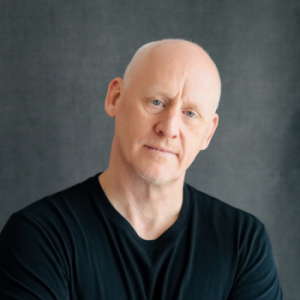
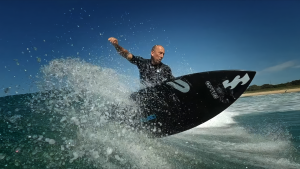
About Dr Sian Proctor and Jas Purewal
Jas Purewal
Jas Purewal is a research scientist in the UK and a pioneering figure in the world of analog space missions. Jas’s career journey, from an early fascination with space at the Kennedy Space Center to leading the largest analog space mission project globally, exemplifies the dynamic interplay between passion and innovation in the space industry.
Growing up in Warwickshire, Jas’s path was influenced by her British Asian heritage, with a strong emphasis on education and learning. Her work today bridges cultures and scientific disciplines, bringing together diverse teams to simulate and prepare for future space missions.
Dr Sian Proctor
In September 2021, Dr. Sian Proctor made history when she became the first African American woman to pilot a spacecraft—and not just any spacecraft. Dr. Proctor was selected to pilot Inspiration4, the first all-civilian orbital mission to space.
A scientist and geology professor at South Mountain Community College, Dr. Proctor is also a science communicator, an artist, and the founder of Space2inspire, which is rooted in her life goal to inspire others to produce art and strive for equality, inclusion, and diversity through space exploration or their own personal work.
Episode Notes
04:34 What is an Analog Astronaut?
06:59 Question: What Was Your First Command Role?
10:11 Question: How Do You Handle Conflicts?
22:03 Question: What Is One Essential Skill Needed For A Successful Mission?
33:34 Question: What was your most Challenging Mission?
39:02 What Is Your Biggest Life Lesson?
Dr. Sian Proctor and Jas Purewal
[00:00:08] Diana White: Hello and welcome to 10 Lessons Learned, where we talk to leaders and luminaries from all over the world to dispense wisdom for career, business, and life in order to make the world wiser, lesson by lesson.
My name is Diana White, and I am your host for this episode. This is a very special episode as I have two amazing women to interview today.
We’re going to set aside our normal format and have a discussion about the analog astronaut community and women in space exploration. Let’s have our guests introduce themselves and tell us a little bit about how they developed their passion for space research and exploration.
And let’s start with Jas. Jas, introduce yourself.
[00:00:48] Jas Purewal: Hi everyone, I’m Jas Purewal. I live in the UK. My passion for space and science research started from a very young age. I came from a scientifically minded, family. My parents were both, into science fields. As a typical British Asian, I thought I was going to become a doctor.
And so, I was always fascinated in medicine. And until, I went to the Kennedy Space Center, in Florida when I was nine years old. The minute I walked in there, I remember seeing this astronaut or this person dressed up as an astronaut with this really cool gold visor wearing the whole thing. And I was just like, I want to be an astronaut.
I love space. So, the idea of becoming a doctor quickly changed into I want to learn all about space. and I loved to understand how things worked. so, physics was always something I was super interested in. I ended up studying astrophysics.
I became an astrophysicist. now I work as a research scientist for a UK national lab. that’s what I do as my day job. Outside of work. I have been over the last five years working in analogs. space simulation missions.
This is how I met Sian. Sian is actually the one who I discovered analogs from.
And since then, I am the co-founder of the analog astronaut foundation also, have been running. the analog astronaut community, the conference each year, and most recently, directing the world’s biggest analog project.
[00:02:10] Diana White: I love it. viewers and listeners, I never thought that it would be a flex for me to say that I know an astrophysicist, but I know an astrophysicist.
That was wonderful. Dr. Sian Proctor, tell us a little bit about yourself, please.
[00:02:27] Dr. Sian Proctor: it’s an honor to be here and to share my, space story. I was born on the island of Guam because my dad worked at the NASA tracking station during the Apollo moon missions. I was born eight and a half months after Neil Armstrong took those famous first steps on the moon.
So, I am a moon celebration baby. I also grew up with all of this. amazing NASA and memorabilia to my dad because soon after I was born, he left the space industry and started doing other things in computers. but I grew up with this love of aviation and aerospace, and I wanted to be a fighter pilot and an astronaut, from my earliest memories.
but. Those childhood dreams often drift away. And I went off and I became a geoscience professor teaching geology and sustainability classes at the community college. I’ve done that for the last 30 years. during that time, I’ve been fortunate to not only become an analog astronaut living in moon and Mars simulations.
But also becoming an actual astronaut with Inspiration4 the first all civilian mission to orbit. I was the mission pilot making me the first woman commercial spaceship pilot and the only African American woman to ever be a mission pilot.
[00:03:43] Diana White: You know, I’m one for first. And, I got to say that is a doozy of a first, and I’m so excited to have you both on the show.
now, the viewers and listeners of the show, we are usually dispensing wisdom for career, and we’re interviewing people that have long and storied careers in business fields. many of our viewers and listeners don’t know that I am a space science geek nut. I love everything space. I’m a Trekkie and I’m bringing you into my inner sanctum here to show you, how fabulous this world is.
But I know many of our listeners and viewers, don’t understand what an analog astronaut is, so can you explain to me, either one of you, what is an analog astronaut?
Question: What is an Analog Astronaut?
[00:04:34] Dr. Sian Proctor: an analog astronaut is somebody who engages in the advancement of human space flight, but they do it here on Earth and, not formally.
typically associated with a space flight agency, like a space flight agency like NASA JAXA or ESA. ESA is European Space Agency might provide funding or some of the research, but a lot of the analog astronauts are independent individuals from around the world who voluntarily will go and become subject matter.
or, or guinea pigs to some extent in these moon and Mars simulations in analog sites and an analog site is a place that’s similar to something someplace else. So, looking for places that are moon like or Mars like, but here on earth, and then, simulate in conditions, of living in a habitat in those environments.
does Jas, do you want to add anything to that?
[00:05:30] Diana White: I was going to say, Jas, this isn’t, just for your everyday layperson, right? You can’t buy a ticket to be an analog astronaut the way you want to go to Disneyland, right? There’s a little bit more involved with that. Tell me a little bit about
[00:05:45] Jas Purewal: There is a little bit more involved in that. Sian articulated exactly what it was beautifully, I think. And when I first heard the word analog astronaut, I was like, well, what’s a digital astronaut? analog is just short for analogous. Obviously. but yeah, so it is a little bit harder than buying a ticket for Disney World, but it is very much for, people who might not think that it’s actually for them.
so being an analogue astronaut makes it accessible to people who might not otherwise have this kind of opportunity. but of course, there’s an application process, you do have to apply to be on these missions. You have to, a bit like, you know, putting through your resume, like a job application, you’d have to explain the skills that you’re bringing.
And in some cases, if you’re bringing your own research to the mission as well. so, depending on the, there’s different types of missions. Some are, can be funded by research institutions, government agencies. And some are just, where crews are coming together to conduct their own research, might be affiliated with an academic institution or not, or commercial institution.
And in that case, there’s a long process of explaining your research proposal, getting ethics review board permissions, things like that. it can be a lengthy process, but I would say it is accessible to a lot more people than I think people realize.
Question: What Was Your First Command Role?
[00:06:59] Diana White: Love All right, now I’m going to get into some questions about your guys’ experiences.
The first question I have is, tell us about your first commander role on a mission. Jas, I think you’ve had commander experience, but, Sian, go ahead and start us off with explaining the different roles that would be on a mission.
[00:07:22] Dr. Sian Proctor: Yeah, you know, I’ve done four different missions and typically there are a couple of standard roles.
Those are your commander role. Then you also have your engineer, science officer. depending on the type of mission, you might have a geology officer or a science communication or education outreach officer. And so, there’s these categories that you can be put into.
typically, I have been the science communication, education, outreach officer, because I’ve been a community college professor for 30 years.
[00:07:57] Diana White: Makes sense. and Jas, I know that you’ve commanded a mission or two, I actually have had the privilege to be under your command. It was amazing.
tell us about your first commander role.
[00:08:10] Jas Purewal: so, my first commander role was on your mission, Diana. that was me being a commander for the first time.
Prior to that, I had been the XO, short for executive officer. that’s a sub commander. the person who would assist, part of the leadership team.
the mission before that where I was the commander, as the second in command I learned a lot from my commander she was incredible. a retired Air Force Colonel. So, like right there, you’ve got like an incredible like military experience of leadership.
So having her set that example as a commander and being part of that leadership team during that. mission, I think really set me up for being the commander on the mission that we were on and leading that. And the way I approach being a leader or a commander, and the way I approached our mission was that as the role of commander, your job is to serve your crew.
So, you are there, of course, to lead, especially in situations of making quick decisions, emergencies, that kind of thing. But you’re very much there to make sure that everybody has. what they need so that they can do their job. So that’s how I look at it. It’s almost like a service role, right?
you’re there to serve the crew and make sure that the crew is happy. The crew’s got the work they need to do, and they’ve got the tools they need to get on with that job.
[00:09:25] Diana White: So, servant leadership, which is a style of leadership, translates into space and space missions very nicely. We did our Lunaris mission.
in Poland for three weeks. We didn’t have the pleasure of having Sian with us. Jas, I would have never known that that was your first time commanding, because you held command. I was duly impressed and. Felt extremely safe.
So, viewers and listeners, what a mission entails are, stations that you can do missions throughout the globe.
we did a lunar mission, which is more of a moon mission in Poland. there were six of us and I believe it was the first, all women of color crew to do a lunar mission at Lunaris. Is that correct?
[00:10:10] Jas Purewal: Yes, I believe so.
Question: How Do You Handle Conflicts?
[00:10:11] Diana White: And so that was a milestone within itself. But I got to tell you it for me not knowing that that was your first commanding mission.
I’m going to ask the both of you when you’re on mission. How do you handle conflicts? six people, sometimes less, sometimes more sequestered into a space. You can’t leave. You have rules. You have regulations. How do you handle that conflict? Jas, do you want to go first or do you want me to
[00:10:37] Speaker 4: go first?
[00:10:39] Jas Purewal: you go first and then I’ll steal my piece.
[00:10:41] Dr. Sian Proctor: so, I I’ve done a lot of missions. I’ve done four. three of them were two week missions, but the one of them was four months and that was when I was living in the high seas habitat. And crew interaction and conflict was one of the things that they were very interested in.
And that when I say they, I mean, the principal investigators who, you know, had the contract to run this, Mars simulation and. Yeah. It’s interesting because what we find from, being analog astronauts is that conflict is going to arise and the key is how are you going to deal with the conflict and for us, that’s not easy.
we came in with no real conflict mitigation training because they wanted to see how things, progress over time. And where does the breakdown happen? And it was easy for me to sit there and see. Some of the conflicts starting to develop. One of the simple ways is that when you have a rectangle table, who sits at the heads of the table in ours, you had two males.
One was the commander who was very artsy. he was our commander. And then one was the engineer who was very much, coming out of the military. Two very different leadership styles at opposite ends of the table. and you could see some of the conflict brewing there.
But then not only that, you had three people who are introverts that sat on one side of the table, like half and the other three extroverts were on the other half. and, and it was really interesting to kind of see that divide and how the extroverts. felt like the introverts were spending too much time in their rooms and in little corners away from the rest of the crew and really having to deal with that.
and then things like who is a. Night owl versus a lark. Who are those early morning risers? are they making too much noise for the people who are night people? Or are the night people making too much noise for the people who are trying to sleep?
little things that you don’t even think about, like sitting at a table and how people chew and eat over time becoming, a thing, my friend.
Kate green, wrote a book about our experience, once upon a time I lived in a Mars simulation is the name of her book.
at the end, people who walk down the stairs, like an elephant coming down the stairs and I’m like, wow, was that me? Was she talking about me?
these are the things that get on your nerve. and they’re going to be more and more active over time. if you don’t figure out how to deal with them, they brew into something bigger, and that’s when conflict really comes on. research shows that.
[00:13:12] Jas Purewal: You have to invest in conflict mitigation because it is unavoidable. It’s going to happen in some form. and giving the crew the resiliency and technique to be able to deal with it. Yeah, I agree with everything Sian’s saying. Where there’s people there’s going to be drama.
It’s unavoidable. it’s a very deep and complicated subject because there is no kind of one size fits all. I have an approach. It’s just my approach. in my opinion, this works, has worked for me in the past. And it’s something that you’re constantly developing.
There’s different types of situations where conflict is going to occur, it may be that it’s a very heated emotional state that somebody’s ill, both people, multiple people are in. In that sort of situation, your first step is to deescalate.
the first thing you have to do, it doesn’t matter what the problem was, it doesn’t matter who’s right, who’s wrong, none of these things, you have to deescalate that. You have to get people to lower their emotional state, one of the approaches I’ve considered is by, really making sure that the, the other person is feeling heard, listening to them first before you speak, listening to them with an impartial point of view.
So don’t listen with judgment. Don’t try and think about your argument back. If you’re saying an argument with this person or a disagreement with this person, truly listen to what they’re trying to say. Make sure that they feel like they’ve been heard once that emotional state has been deescalated That’s when you can get into the nuances of things you might actually be able to come up with a solution you might find that early on the person was angry with you now They’ve come down and they’re willing to see it from your point of view as well I feel like when it comes to conflict There are going to be things that start to annoy you about people over time.
And just like Sian said, you can’t let those things fester and grow out of control. one of the things that I’ve done on my missions before is, when you see something like that happening, is to try and address it, not push past it, not ignore it, not try and be like, oh no, everything’s great, we’re all happy families again, to really make sure that the person feels like we have addressed that issue.
Sometimes there is no solution to it, sometimes you just have to Live with it, but either way you have to look into it. You have to address it and then the last thing I guess I wanted to say was just when this sort of situations arise when things annoy you about people, I think it’s just important to remember that this is temporary.
You’re here for a certain period of time. You have to get along and remember that the mission is bigger than any individual person and any individual ego. So, I think it’s really important to just keep reminding yourself, the crew, what the point of us all being here is. Why are we here? What is this common goal that we’re all striving towards?
And so, we all want to succeed, right? So, if we all want to succeed, we have to work together and we have to work amicably if we can. so just remembering the mission. Is the big picture. I think, you know, if you can do those kinds of things, then hopefully I have a relatively smooth, mission as a leader.
I think you need to check in with your crew on a daily basis as a group and as an individual. Something you and I, did on our crew, Diana, was every day we had this moment where everybody got a minute to speak uninterrupted.
And when you have these different types of personalities, like Sian mentioned, introverts, extroverts, you might think that the crew is really cohesive.
There might be personalities that talk loads and others that stay quiet. You have to make sure that you can give those quiet people the opportunity to speak without being interrupted. And so, I really think that worked quite well. And that’s just another tool that someone might consider, on their mission or going forward.
[00:16:46] Diana White: I enjoyed that exercise. I enjoyed that tool. it also got to the point after a while that. we were lending minutes to each other, if I knew that somebody was really upset about something and they needed to get it off their chest and it wasn’t going to take a minute, I remember a couple of times we were passing around.
You can have; you can have the rest of my time. You can have the rest of my time. I thought it was a show of camaraderie that you rarely see, but one of the things from our mission that I thought was absolutely awesome. and it seems like a simple thing, but it goes back to Sian.
What you were talking about where you never know what’s going to get on somebody’s nerves right. So, in our mission, we had two people, I will not name names, who snore. I will not name names probably because one of them is me. One of them is me. there’s not a lot you can do about the snoring, right?
Jas is a Very light sleeper. And a lot of things disturb her from her sleep. Never once did she get irritated or angry about it. But we all collectively felt so bad. And we were like, well, we can’t control the snoring, but what can we do to mitigate disruption for Jas? And we created these routines.
If we got up too early, we snuck out of the quarters and went to the commissary. that’s where we talked quietly. We gathered blankets to cover Jas’s pod so that light wouldn’t disturb her. We were teams on agile projects, just helping each other out as best we could.
And I feel like that was the entire vein of our mission as a group, that we were a team, and we were all helping each of us achieve something,
[00:18:31] Jas Purewal: Sorry, I just wanted to talk to that point, because I was there. And, that kind of thing built so much.
Like you say, camaraderie, but goodwill amongst each other, right? Knowing that they were considerate of me being a light sleeper and me being considerate knowing they can’t help it. Like, what can you do about the fact that you might snore, you might wake up early, be noisy. Just having that understanding of each other and is super important.
something that Sian spoke about before was self-awareness, right? Awareness of self and awareness of how other people are behaving and being so considerate to you. That set the tone for a whole mission. Go ahead, Sai. Sorry.
[00:19:07] Dr. Sian Proctor: Yeah, I was going to say that’s one of the things where I think when we’re talking about analog astronauts and what you can do ahead of time before going into sim is to engage in activity where You, and your crew get together and you kind of fill out forms about like, you know, are you a morning person?
Are you a night person? Do you need your coffee before you want to talk to somebody? do you snore? is everybody got earplug kits and, little things that you need, because I know people are like, just don’t even talk to me until I’ve had my coffee.
if you can have these conversations before you go into that kind of environment, it can really help the crew establish ways of dealing, being prepared, and so that you can take a little bit of that stress off.
[00:19:50] Diana White: I love the questionnaire. we didn’t do a questionnaire, but I did do, an exercise before we left. I created a Spotify playlist, and I asked everyone, hey, can you contribute music that you would like to hear? Let’s make a full playlist. And the goal was to have music obviously, but the other goal was to see.
who played? Like, who said, I’m going to let you into my world and let you know what I listen to? at first, I didn’t get any feedback, and I was like, okay, this is going to be in a different kind of crew. And then, all of a sudden it started tricking. By the time we were done, I think we had something like 15 hours’ worth of music as we were in, Poland and playing the music, it was lessons as well because some of the music we had never heard before.
Right. And so, there’s a lesson in who the artist was and what this music means. some of the music was in a different language. So, it was like, translate this. What is this person saying? It was a beautiful way. To get to know each other.
[00:20:52] Dr. Sian Proctor: and that translates directly to space because for my mission, our three day orbit, we had a Spotify playlist in partnership with Spotify, our orbital mix.
each of us was asked to pick 10 songs to be, on that mix. it was fascinating to see, you know, what are your 10 songs for space? you get 10 choices. what 10 songs are you going to pick? you really have to think, oh, you know, my crew members are going to hear this.
The world is going to hear this. You know, what kind of message do I want to send, to the rest of the world about me and my music, but also I want to share with my crew, songs come on the radio now and I’m like, Oh my God, that’s so Chris or that’s so Haley because that was on their playlist.
And I’m like, Oh, wow. You know, music’s a great way to connect with your crew.
[00:21:46] Jas Purewal: I agree. Jas, do you agree? a hundred percent. that was such a great exercise and such an easy way to learn about each other. Absolutely loved it. It’s that crew bonding, right? That goes back to the crew.
The mission is the most important thing, not the individual.
[00:22:01] Diana White: Absolutely.
[00:22:02] Jas Purewal: Absolutely.
Question: What Is One Essential Skill Needed for A Successful Mission?
[00:22:03] Diana White: What is one of the most essential skills or mindsets one needs to be successful during an analog mission?
[00:22:12] Dr. Sian Proctor: I’ll go first with that. I think it’s flexibility. things are going to come up that aren’t expected and they’re going to be, changes.
Sometimes you got to respond rapidly, sometimes not, over time, but having a flexible mindset where you can, take those changes and be able to move through them, with as little conflict for yourself and your crew. I think it’s really important because a lot of times if you’re somebody who really loves structure and order and for everything to happen, you know, in a.
Because, you know, astronauts, their lives are scheduled, you know, this, then this, then this, then this, but, when something disrupts that, how do you deal with that? And if you’re not good at dealing with change, then that makes it difficult all around. Jas.
[00:23:04] Jas Purewal: That’s a great one. there’s like Sian says every, a lot of the time things are going to go wrong.
I would add problem solver, right? you have to be able to constantly be solving problems. Diana, just as you were describing, the problem could be as simple as somebody’s a light sleeper. That’s a problem though. And these problems will go from something as innocuous as that all the way to something that could be potentially life threatening.
So, you really need. to be good at thinking on your feet, thinking creatively and coming up with solutions.
Everybody wants to be on a crew with people they get on with. Now, that’s not always possible, but I really do think that if you have a decent, like, amount of emotional awareness, it will make that entire experiencing like 10 times better.
So, problem solving and emotional awareness, I’d say.
[00:23:53] Diana White: I saw a head nod from Sian with that one. Do you want to add to that emotional intelligence piece?
[00:23:58] Dr. Sian Proctor: yeah, your emotional IQ is so important, and a lot of people don’t even think about that, right? it’s hard because you might not see yourself as an emotional person.
getting honest feedback from family and friends, could really get you to think about how you react in different situations and, throw a light on that before you even go into, that habitat situation. And so, because I know that there were people who, you know, struggle.
With that and again, this is something where the more self-aware you are, the more you can talk about that before you even go in with your crew and be open and honest about some of the things that you might struggle with. for instance, some people think that if you.
Suffer from anxiety or depression you can’t be an astronaut. That’s not the case. A lot of high functioning people have chronic anxiety with depression associated with it, but they pressed through that in their own way. They figured out how to still be successful. but a lot of times people are afraid to bring that up and say, yeah, sometimes I.
You know, I have anxiety or depression and, this is how I cope with it, if I’m feeling anxiety because I’m an introvert and, we’re doing a lot of social stuff in the habitat, I may need to break away and just have a moment in my room or, somewhere where I can bring that level down and recuperate.
those kinds of needs of being an introvert versus an extrovert and how that plays out is really important.
[00:25:31] Diana White: So, I was lucky. I am lucky that I had a sounding board. I consider myself to have a lot of emotional. intelligence, but I can sometimes have blinders on when it comes to how I move through the world.
I have this amazing daughter who since birth has not been afraid to tell me. I’m moving through the world in an incorrect way. I don’t know if there are other parents out there that can commiserate, but one of the things that happened was when I told my daughter about this opportunity, it threw her off guard because she’s like, what Poland?
What three weeks? What do you, what? And she said, I said, well, you know, we’re going to be sequestered. There’s going to be six of us. She goes, okay, mom, how are you going to do this? Cause you don’t like X. You can’t stand Y you get anxious when this happens you do this and so it didn’t deter me what it did was make me more aware of myself.
one of the things that came out of that, and I think I admitted this to Jas well after is, I’m afraid of just about everything. I am not the person that’s going to be like jump out of an airplane. Let’s try it. See what happens. I am very cautious. And there were things that we did on that trip that challenged me, and I didn’t say anything.
There was one, Jas, if you remember when we had to climb up and take the picture on top of the Lunaris bunker, absolutely terrified of heights. when I got up there, my legs were shaking like a little foul.it was embarrassing, but I did it. And then we took the picture.
afterwards, when we got down, I said, I’m definitely afraid of heights. Jas was like, why did you do that? why didn’t you tell us? I said, because I would have manifested my own destiny, I didn’t want to tell people I’m going to pass.
I wanted to do it, and I did it.
[00:27:34] Dr. Sian Proctor: Well, here’s the interesting thing, I think had you said something to them, they would not have necessarily passed, but said, well, let’s help you. What do you need so that we can make this make it. I know they would have. Yeah, absolutely. And that’s one of the things where, when do you know, and this is a hard thing.
When do you remain silent and silently push through Versus share and then accept help, because a lot of times we won’t share because we think that it will reflect negatively on us. And I’ll give you an example. I get Inspiration4, and I mean, you’re thinking, how do I not get eliminated?
Right? Like, how do I, because, you know, people, the reason why I was. So excited. The day we launched was because, oh my God, I made it to the launch day. Like I didn’t get eliminated along the way because you’re so terrified that it’s going to be taken away from you. Right. because you’re not qualified as the mission pilot.
You didn’t learn what you needed to learn. You get injured, you get sick, something happens and somehow it slips through your fingers. and I remember we were hiking Mount Rainier as our crew bonding, and I considered myself in shape. and I was like, okay, I got this, you know, I was going to hike the Grand Canyon rim to rim.
How hard can this be? Oh my God, it was the hardest hike of my life. And I realized that I’m not a Mountaineer person eight hours into this death march, I call it. you know, we’re about an hour away from the top and we take a break, and I’ve got my backpack on and I’m sitting there in the snow.
It was like a blizzard whiteout. And Jerry comes bouncing over because I swear the guy is half Billy goat. And he’s like, hey, Leo, how’s it going? Are you okay? What’s going on? And I’m like, I’m not going to make it. And he goes, oh, don’t worry.
I got you.
And he takes my backpack. And if you watch the Inspiration4 documentary, you know, you’ll watch during that at the end, when we get to the top, Jared has two backpacks strapped to him, we’re getting to the top of our base camp but for me, I had to be like, I have to say something, but that’s why we do those crew.
cohesion, crew bonding experiences is about being comfortable with being uncomfortable, breaking down your barriers so that you know, if you need help, you can ask for it and your crew members are going to be there to help you that’s one of the things I love about, being an analog astronaut or an astronaut in general, you have to be able to, ask for help when you need it.
And as a good crew member, your job is to be there to help support your crew so that you can all be successful with the mission like Jas has said.
[00:30:06] Diana White: What do you have to say to that Jas?
[00:30:08] Jas Purewal: Oh, I couldn’t agree more. That’s what a team is, right? The team picks up, where someone is struggling, the team steps in.
It’s all about, that wasn’t Sian’s problem, as it were, that was a team problem. They have to come together to help all of them get up there, right? That’s a fine example of a problem that they solved. Jared stepped in when he needed to. Sian would do the same, for a different situation.
That’s what being part of a team is. That’s why I think, it’s something we don’t talk a lot about, but when you come back from an analog mission, you have just spent two weeks, four months, who knows, with this amazing team striving for a common goal, and then you go back to your day to day life, I don’t know about you, Sai, but I spent, I don’t know how long after my missions longing for that same team feeling.
And that common goal and working towards that as a team and the only thing I can relate it to is sports, team sport, I don’t get that from my day job. there’s a lot of people that don’t get that from their day job. And it’s something I really want to explore a bit more in general, because I think if we could bring that to people’s day to day lives, you’re kind of enhancing people’s lives.
[00:31:23] Dr. Sian Proctor: I totally agree, Jas.
The hardest thing was splashing down after being with amazing people doing amazing things for six months and then going back to, my day to day job back home and not having crew anymore and being like, oh. And I came to this realization that I have to find my crew here on earth and, who’s my community that helps get me through and provides, that same thing that I had for those, magical six months.
and I think that’s the same thing when you come out of an analog, where everybody is just, you become this really tight crew and then you miss it when it’s not there anymore.
how do you help people find their crew for wherever they are in the world?
[00:32:09] Diana White: Agreed. I think for me, because that was my first and so far only mission, I don’t know that I came back saying, wow, I want to recreate that again because I came back knowing that these women are now a part of my life and my family, So I didn’t miss anything in terms of that because I knew that I would see everybody again and we would always stay connected.
I came back floating on cloud nine because I managed to do something that I never thought I would do When you talk about an African American girl from the Bronx. would think that they would do. I mean, statistically, that’s not where you place somebody when you give those demographics.
and I did it past my fear, past my anxiety, past my imposter syndrome. I did it and I came back and the most valuable part of it is that the crew I just met, these beautiful women all said, I added value.
Gosh dang it. I’m still floating on cloud nine from that. So yeah, it’s an amazing experience, and I think that’s one of the reasons why some of your top companies or really in tune leaders understand that team exercises are for a reason, all right, we’re going to get on with the questions.
Question: What was your most Challenging Mission?
[00:33:34] Diana White: What was your most challenging mission and how did you persevere.
[00:33:39] Jas Purewal: I’ll caveat this with saying I didn’t actually I wouldn’t class. Any of my missions is challenging in like a negative sense, challenging, certainly in a positive way in some aspects. there, there’s one I enjoyed less than maybe the others. So maybe I can speak to that one a little bit.
I struggled a little bit with that one in the sense that I didn’t enjoy it quite as much as the others. Because I didn’t have that sense of common goal. with the other missions, there was like, this was, we are here for a very clear purpose.
this is what we’re trying to achieve with this mission. you have to have a purpose. And we had that. And we were all. Trying to achieve that purpose. With this other mission, we didn’t really have that.
Individuals had their, reasons they were there, but it wasn’t shared amongst the entire crew. So, I think I struggled a little bit with that. the other thing that made it a big struggle was boredom. the problem was that Some of the research wasn’t possible, which left gaps in the schedule, which we had to fill, ourselves.
And boredom can be really challenging. I would much rather be over, like, feeling overwhelmed with work, then I would board on a mission like this. in day to day life, there is no such thing as boredom. We have the internet, I can stream something, call someone.
On a mission, there’s very little you can, there’s ways to entertain yourself, but they are limited. I did struggle with the boredom element, and maybe that’s just my personality as well. I go on these missions and feel like I’m there for a reason. I don’t want to be there. just to sit around and not achieve these goals.
So that’s probably the one I struggled with the most.
[00:35:21] Dr. Sian Proctor: Yeah, for me, my most challenging becoming the mission pilot for Inspiration4. And the reason why is because there’s a couple of things. First, I got selected for Inspiration4 when I was 51 years old, I’d had this lifetime of history of, Struggling with imposter syndrome, being a black woman, and, people judging you just by, you know, being a woman, being a woman of color, like, are you qualified?
You know, you’re not going to be able to do this kind of mentality. and knowing that also, I come from a, you know, that kind of history where they’re trying to eliminate you, not trying to figure out how to make you successful and coming into Inspiration4 it was very different. because I, I’d been a finalist for the NASA astronaut selection process and it really was about like, you know, any little thing, any reason possible, we’re kicking you out.
and to get that call to say, yes, you’re going to go on this mission and be the mission pilot. And then literally three days later, you’re on a plane going to space X and you’re getting your medical. And first thing you’re like, Oh my goodness, I’m in my fifties.
They’re going to find something wrong with me. And eliminate me right off the bat. Finding out that SpaceX was like, no, we don’t care that you have this, we want to fly people and figure out who we can, take to space. And just this kind of mental shift for me to be like, okay, all right, it’s okay.
I’m not going to be eliminated there. But then, SpaceX saying, you may have won a contest, to be a mission pilot, but if you do not qualify, if you do not meet the standards, then you are not going to fly. and you’re like, wait, what do I need to learn? And as a geoscientist, what I think a lot of people don’t understand is that you’re really becoming a systems engineer.
You’ve got to learn all about the Falcon Nine Rocket, and you’ve got to learn about the SpaceX Dragon Capsule. I enjoyed human space flight, but I was not in the weeds. I was like, how many, what engines are on a Falcon nine? what is an actuator? and I had to learn how to speak engineer, learn the acronyms and terms before I could even understand how to apply them.
I was surrounded by people who already knew it and spoke it. I had to figure out a way to get myself through that. and get to the point where I felt like, yeah, okay, I’ve got this, I’m ready to go. I got to hand it to SpaceX did a great job. Their trainers, but also Jared, because, as my commander, I’m his mission pilot.
my job is to provide situational awareness for him so that he can make good decisions. him just having that confidence in me that I could get there, that I would learn and be able to perform at the level that was necessary. But boy, I was a little bit terrified inside that I wasn’t going to get there.
But I kept telling myself, you know, my students, I tell my students that you can learn anything at any age. This is what my opportunity to prove that point. and I got there in the end, but that was The biggest personal challenge for me, and I think the only reason why I felt like I could get there and, and said, Yes, I’ll take on this is because I got my pilot’s license and my pilots, my pilot license challenged me.
to be able to solo an airplane by yourself and do a cross country and all of those things was up until that point the most challenging thing I’d ever done. personally, since I had done it at this next level, this bigger level of, a spacecraft, I felt like I can get myself there.
I just got to believe in myself. I can get myself there.
What Is Your Biggest Life Lesson?
[00:39:02] Diana White: I love it. All right. And that segues into the next question, which is what is your biggest life lesson? both of you are doing extraordinary things and I know there are a lot of lessons there, hence why you’re on the 10 Lessons Learned show, but what is your biggest life lesson?
And I’ll ping it back to Jas.
[00:39:23] Jas Purewal: Oh boy, okay. I mean, picking one is really difficult. I’ll say this one because it’s also relatively recent, I guess, it’s kind of embracing the journey rather than concerning myself with the end goal.
for a lot of my life, let’s just take something as simple as playing a musical instrument. I like to challenge myself always, but I would think to myself, well, if I’m going to play a musical instrument, I need to get good at it. What’s the point in playing a musical instrument and not being good at it?
So, I would tend to follow the pursuits that I was naturally good at versus those that weren’t. rather than just feeling like, okay, I’m going to pick up this musical instrument and I’m just going to play. Because the playing is the pleasure of it. And if I enjoy that, who cares where I end up?
If I just pick up this musical instrument in 20 years, maybe I might actually be able to play if I consistently keep doing it. it sounds a little bit silly to say that who knew that just consistent practice could get you places. Everybody tells you consistency is important, but sometimes you just have to learn these lessons on your own.
And I’ve just really learned to embrace that. Just like taking consistent action in something that one, I enjoy. And two, that, you know, it’s giving me something back in some way. It could just be enjoyment, or it might be something else. And not really worrying about where it’s going to end up, where I’m going to end up with it.
Because what I’ve found is as long as you’re doing something, the doors just open and you never know which doors are going to open.so yeah, that’s probably. The biggest lesson.
[00:40:58] Dr. Sian Proctor: I think my biggest lesson is around opportunity and not being afraid to say yes to opportunity. opportunity really comes in two ways.
There’s the opportunity from others that’s sent to you. that unexpected opportunity. a lot of times we talk ourselves out of that opportunity for various reasons instead of saying, yes, I’m going to apply, or I’m going to go after this, or I’m going to accept this. but we come up with excuses of why we can’t or shouldn’t or aren’t ready for it and those kinds of things.
And then the second type of opportunity is the ones that you create for yourself and, actively pursue and how important it is to cultivate both of those. And when, and not being afraid to ask for opportunity, because that’s one of the things that I’ve, I’m amazed at where I have just.
Cold emailed people and said, you know, I want to do this. And the next thing I know, I’m in Antarctica, or I’m doing a sabbatical at FEMA’s emergency management. it’s all because I made opportunity for myself and found creative ways to generate opportunity around me.
I think you got to go out and be, an active participant. In your life, to be engaged and find creative ways to make things happen for yourself and not get discouraged when it’s a no, or not, because it’s a no at this moment. That doesn’t mean it’s going to be a no, further down the line.
and that’s the biggest lesson that I’ve learned, and I try to get other people to realize.
[00:42:34] Diana White: So, I got to tell you, I’ve been waiting to interview the analog astronaut community for over a year now, and didn’t disappoint. This is exactly what I was looking for because, I mix my business life and my podcast life and my love of space.
And they all intersect. everything that we talked about, during this episode today is applicable in some way, to day to day business relationships and building teams. And I think it’s so important. I also think it’s important to educate people on the fact that when you say to the average person space, they think astronaut, they think NASA.
And there’s this whole world of industry leaders and researchers and scientists and doctors and astrophysicists that are doing things here on earth to make space exploration better. And so now that we know that, and we’ve told that to the world, how can they get involved if somebody says, I didn’t know about this analog astronaut community, how do I get involved in this?
Jas, if I wanted to get involved with the analog astronaut community, how do I do that?
[00:43:56] Jas Purewal: So, the first thing you want to do is join our online community.
if you do a search for analog astronaut community, it probably will come up. It’s a Mighty Networks community, https://analog-astronaut-community.mn.co/ It’s completely free. The next thing, you want to do is attend our annual conference in person. Because that’s where you really get to know people.
Like the community is so diverse and just so interesting. The people you meet, I was blown away the first time, I went to the conference that I run, I couldn’t believe it. I was just like; these people are amazing and they’re just so welcoming. because in a way I was an outsider to begin with, and they just welcome you with open arms and they do that with everybody.
So, I highly encourage people to, if they can, attend the conference, which is in Arizona. In May, we’ve got one this May 1st to 4th check out the website analogastronaut. com and grab yourself a ticket. If you can make it in person, it would be amazing. I’d love to meet all the members of our community.
I’d say those two first steps you’d want to take, into getting involved.
[00:44:59] Diana White: and that, conference is in Tucson at the Biosphere 2, correct? Which is, an attraction within itself.
[00:45:06] Jas Purewal: It is, an incredible setting, Biosphere 2 is, a whole story in itself, that is worth exploring, it’s an amazing environment and one of the draws of the conference is just the venue.
[00:45:17] Diana White: Sian, tell us everything you got going on and where we can find you and what you’re doing.
[00:45:23] Dr. Sian Proctor: my advice to people who, you know, just want to get involved is, you know, start thinking about, my motto, which is space to inspire and space to inspire. It’s not really about out of space.
It’s about this space, the space that makes you, you, how are you going to use your space to inspire yourself and those around you and beyond. if you can hone into your own creativity and the way you want to use your space to inspire, that’s going to help create opportunities and, send you down that path.
and for me, these days I’m all about art and exploration and ways of bringing earth light down to earth, my experiences and using that to inspire people, to think about, their space to inspire.
[00:46:10] Diana White: I love it. I want to thank my guests, Jas and Sian for sharing with us today.
You’ve been listening to 10 Lessons Learned. This episode is produced by Robert Hossary. Please tell us what you think of today’s content. You can email us at podcast@10lessonslearned.com. Go ahead and hit that like button, subscribe and turn on the notification bell.
So, you don’t miss an episode of the only show that makes the world wiser lesson by lesson. Thank you everybody.
Thanks to our 10 Lessons team that make our show possible: Our Episode Editor Codie Comeau, Marketing and social media managed by Yi Wang, and our Producer Robert Hossary. Sponsored as always by Professional Development Forum. You can find the www.professionaldevelopmentforum.org.
You’ve heard from us we’d like to hear from you. Email us it’s podcast@10lessonslearned.com.
Remember, this is the podcast the only podcast. That’s makes the world wiser lesson by lesson.