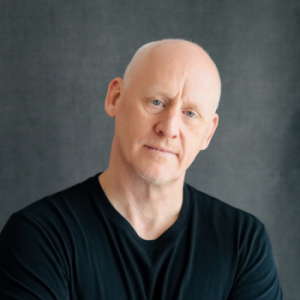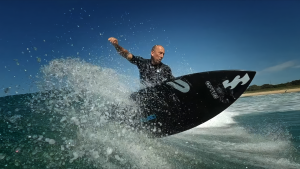
About Our Hosts
Diana White has over 30 years in sales and retail experience, leading stores with revenues of over 10 million and a staff of 200. Consumer psychology, marketing, operations, and leadership are just a few of her skillsets. Seeing a need for startup and operations assistance within the local business community, Diana established D.E.W. Business Solutions, LLC, to provide consulting to small businesses. She obtained a Bachelor of Science in Small Business Administration from Northern Arizona University, holds a green belt in Lean Six Sigma, and is a certified Agile Scrum Master. She is committed to helping businesses and non-profits as well as the community at large.
Siebe Vanderzee is President of Vanderzee & Associates, Executive Search & Coaching. He has served as an international management consultant for over 25 years. For 28 years, Siebe has served as Honorary Consul of the Kingdom of the Netherlands in Arizona. He holds a Master’s Degree in International Management from Thunderbird School of Global Management and he is a current member of the International Leadership Council at GPEC (Greater Phoenix Economic Council).
Robert Hossary has been involved in the not for profit/charity sector for the past 12 years. Robert also has an excellent knowledge in international business. Since 2011 – 2018, Robert was the General Manager for the American Chamber of Commerce in Australia (AmCham) and helped advise many Australian and US companies about their international expansion requirements. Prior to that, Robert was Regional Vice President for the Americas for a technology manufacturer. He has also worked in Taiwan with responsibility for Asia Pacific and the Middle East. With a background in Technology, Transport, Fashion and Healthcare, Robert has a wealth of experience to share.
Episode notes:
00:00 Special – International Lessons
00:21 Introduction
02:33 Guests’ International Backgrounds
08:04 Biggest Challenges Working Abroad
16:14 What Is Culture?
17:45 Accepting an International Position
21:29 Family Considerations
26:56 Being a Citizen of the World
30:04 Empathy Through Cross-Cultural Experience
36:22 How to Acclimate to a Dominant Culture
42:48 Final Advice & Takeaways
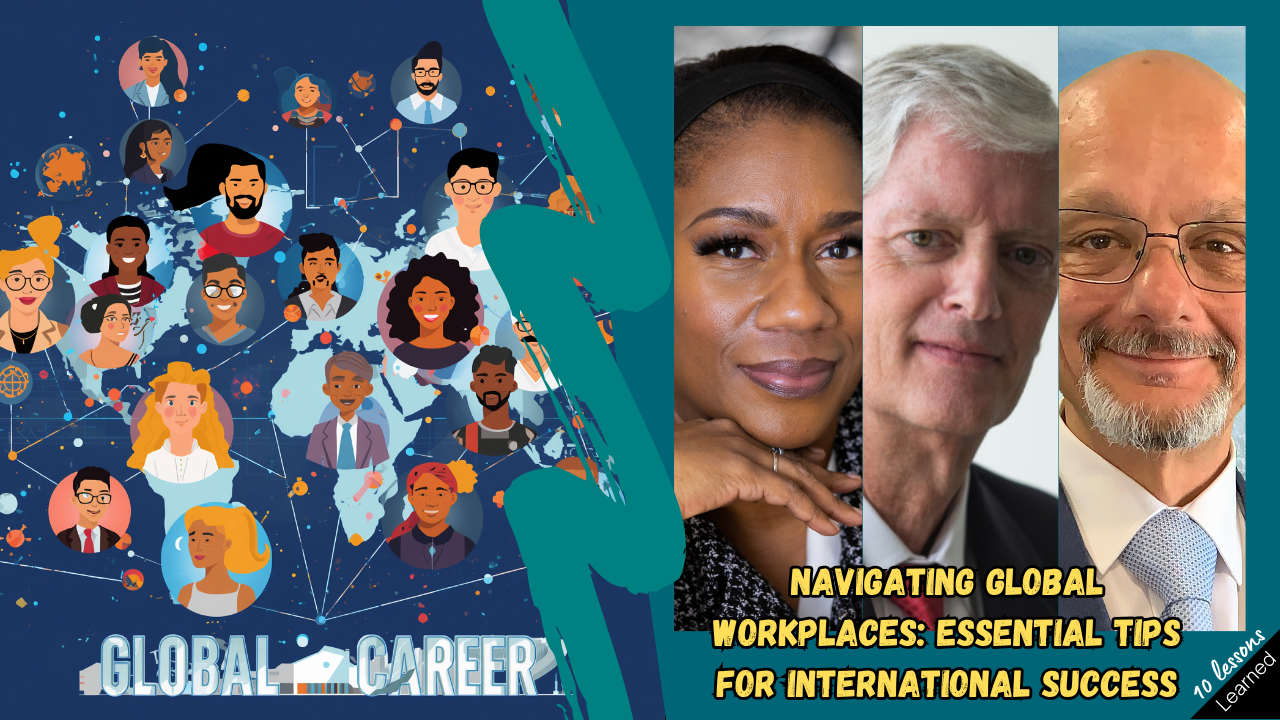
Navigating Global Workplaces: Essential Tips for International Success
Diana White: Hello. Have you ever wondered whether working across cultures actually makes you more successful, or whether it quietly holds your career back in today’s global workplace? We’re constantly told that international experience and cross-cultural collaboration are essential. Is that really true? Does working across cultures accelerate your career or can it create misunderstandings and visible barriers and missed opportunities? In this episode of 10 Lessons Learned, we explore the realities of [00:01:00] building a career across cultures. guests share powerful insights from years of working with diverse teams across the world, revealing challenges, the unexpected advantages and lessons most professionals only learn the hard way. If you’ve ever worked with colleagues from different cultures, managed global teams, or considered taking your career international, this conversation will challenge some assumptions and give you practical lessons you can apply immediately. Stay with us because by the end of this episode, we will answer the question, does cross-cultural work truly accelerate your career? Or can it sometimes do the opposite?
Welcome and welcome back. My name is Diana White and I’m your host for this 10 lessons episode. With me today I have two people you might know, Siebe Van Zi and Robert Hossary. Welcome gentlemen.
So, this is a [00:02:00] very, very cool episode and one I wanted to sink my teeth into. Both of you have had the pleasure of working overseas. I have not yet still looking for my turn, but looking to the both of you for advice should that happen one day and giving that advice to our viewers and listeners. I think it’s, it’s powerful and I love it.
So, I’ve got some questions for you, but first let’s take a moment, uh, give each of you a quick turn to talk about your experiences abroad. Siebe, we’ll start with you.
Guests’ International Backgrounds
Siebe: Alright. Well, in a way it started my interest in foreign cultures, countries traveling, I have to admit, it started with my parents and my father, because he travelled a lot when I was a little kid. And, well, one day I saw him on television in, in Tokyo, Japan. And well, that’s my father. And never gave it much thought, but it inspired me over time to travel more, learn more. And also, [00:03:00] uh, I decided to focus my education, my degree on international management. And that was, yeah, I had travelled, but I had not really lived in a foreign country. And if You explore opportunities around the world, I think this is for most people. You see opportunities and you say, wow, wouldn’t that be interesting? And that’s what happened to me. And I was in a very fortunate position that, I was initially in the Netherlands, my native country involved in international banking. So, okay, you do business, but it’s still in your home country, but international business that helped me inspire for my next job still in banking a Dutch bank operating out of the UK.
So suddenly I was working in London, after living in in the United Kingdom, the same bank gave me an opportunity to work for them in South America, in Uruguay, Uruguay. Having [00:04:00] worked there, the next opportunity was working in, guess what? New York, United States. So, working for the same organization that gave me the opportunity to move from one country to the next. That was extremely helpful. Now, when I. was working in New York and they asked me to come back to head office in Europe. I decided I wanted to stay in the United States, so suddenly I had to figure it out myself. And, well, I have to admit, living in the state of Arizona more than 20 years ago, there was no international banking in Arizona. Well, that was my career. What am I going to do? Am I going to go back home and, and start over? I had to figure it out. I tell you, and, and then I’ll leave it up to Robert to talk about his experience. But exploring yourself. It’s not a matter of reading a book about a country or just talking to someone who has been in that country. You have to experience yourself step by step. But in this, uh, episode, we will talk about [00:05:00] some of the issues that will make an impact and something that, uh, I think many people will have to consider.
Diana White: That sounds amazing. Siebe.
Wonderful thoughts on that. Let’s talk to Robert.
Robert Hossary: Thanks, Diana. Unlike Siebe’s, mine was more serendipitous, having been brought up in Australia in a cultural bubble because I wasn’t, I’m not native born in Australia. I was born overseas. I came to Australia when I was five, but I’m an Aussie. I grew up here, so this is my country. Having already been exposed to different cultures, I had no problems understanding different cultures.
So, when I started my work career, I think the first sales job I got was in an American company, and that taught me a lot because although we’re both western cultures, American culture, American sales culture, American, [00:06:00] philosophical sales, I suppose, or philosophy is, is different to the laid back Aussie method.
From there I worked for the Japanese, big Japanese companies for 15 years. That was a totally different management structure, totally different mindset, different cultural aspect to it. And then through networking, I got to work overseas. So, the USA, Taiwan, these are the two countries that I’ve worked in.
And my god, I can’t agree with Siebe more, you’ve got to understand the culture, the people you are dealing with, what is important to them in their home, as opposed to what you think, professionalism is in your country. Why isn’t it like this here? So, it taught me a hell of a lot and it [00:07:00] was, it was an experience I, I cherish.
It’s an experience that, looking back at it now, was, I suppose it was a teaching moment at the time I didn’t see it. At the time I was thumping my chest. Aren’t I wonderful? I work internationally. I’m the big man on campus. Yeah, looking back at it now, it’s cringey. But um, it taught me so much that I brought back to my job, to the way of life that I have here, and I’m excited to share those experiences and those lessons with you all.
Diana White: Wonderful and listeners, we are about to strap in for a ride here. Two very experienced gentlemen working overseas. Lots of stories to I’ve got the first question to kick it off. What would you say was one of the biggest challenges, [00:08:00] in in working overseas? Working abroad? Robert, I’ll start with you.
Biggest Challenges Working Abroad
Robert Hossary: Definitely realizing that we are not in Kansas anymore toto, and I’ll, I’ll give you a quick anecdote. so, it was 2004. I was in the States. I think I was, I, I was in Washington state. That’s where I went to lead this tech company. And I just went to do some grocery shopping, and I was in a Safeway, I’m pretty sure it was a Safeway at the time.
And all I wanted to do was just buy a few groceries and salt. I wanted salt. Now in Australia at that time, we had like three brands of salt or three different types of salt. I found myself in a shopping aisle in Safeway, in Washington State, in Seattle, somewhere almost in tears [00:09:00] because there was about 16 shelves of salt.
I just wanted salt for God’s sake, and it, I, I was almost in tears, but it taught me that things are different. You guys have a different, choice matrix than we have in Australia. And that then went on to explain to me that I can’t use the same judgment for where I am or where I was then than where I was before.
Does that make sense? I, I can’t use those anchors to propel me forward in, in that life in the US as I did in the life I was leading in Australia, because I wasn’t in Australia, I was in the United States. It was different. People were different. Choices were different. And I didn’t realize that until that very moment in a supermarket, in [00:10:00] Seattle somewhere.
And it was a, it was a very telling moment because when I say I was close to tears, that’s not hyperbole. I was close to tears. It was a very powerful lesson for me because it was real, it was happening to me, and it, it just really reinforced a difference, in culture, in where I was. And that’s something that you need to understand when you have an opportunity like this, that you’re not in Kansas anymore.
It’s not going to be the same. It’s going to be different. And as Siebe has said many, many times, it’s neither good nor bad. It’s just different.
Diana White: And I want to, I want to drive that point home before we, we get to Siebe. You’re absolutely right. You know, when you think about asking people, what was it like to go to a different country and try to establish a life and work and live, their first instinct is to tell you [00:11:00] about the traumas, the bad, bad things, right? But. There are nuances that are different that absolutely, just as Siebe says, they’re not good, they’re not bad, they’re just different. And your emotional reaction to it is not a bad thing, it’s just you’re overwhelmed with change. It’s different, but change can be good. Right?
Robert Hossary: Yep.
Diana White: the converse, I’m sure if, if I were to go to some place where, you know, they didn’t have my imported pink Himalayan salt, you know, I’d say, what are we doing here?
Where’s my choice? Because I’m so used to having choice, right?
Robert Hossary: Yep.
Diana White: Doesn’t mean that the salt still won’t taste like salt and it won’t flavor my food. It will still taste delicious, but it’s just different. And I, and I love that. Such a simple nuance. Such a simple nuance was the [00:12:00] thing that said, we are not in Kansas anymore.
I, I love that story, Robert and Siebe. I, know you have one. Let’s go for it.
Siebe: I, I’ll, I’ll give you two. How’s that? Um, one was when I moved to the United Kingdom, England and I was aware, so are you that they drive on the left side of the road when I was driving there, well you have to get used to it. Right. and I was telling myself, you know, living in London, I’m going to stay out of the center of London. I really feel comfortable driving on the left side of the road with all the rules, et cetera. Well, I probably made a mistake because suddenly I was circling Trafalgar Square, which is a major square in downtown London.
Diana White: Yes, it is.
Siebe: and I did fine and I was telling myself, I’m good. I can do this. And it was really a moment I thought, okay, driving on the left, but you know what, I can handle it. Another example was when I moved to South America and [00:13:00] realized the first day I arrived, that for dinner restaurants do not open until nine o’clock in the evening. And perhaps I’m the exception, probably not. Around six o’clock, seven o’clock in the evening, I’m ready to eat. And of course, it went through my mind living there. I cannot change the country and say, hey, you need to open at six o’clock. The other part I discovered Typically in, let’s say where I lived Montevideo after dinner at night, people would walk in the streets and socialize. It was not go home and watch tv. It was very, very friendly and it was a completely different and environment.
And yes, many people would take a siesta in the afternoon. I was a young man, I didn’t need a siesta, but I understand now. They take a little break after lunch and then dinner at nine o’clock in the evening. But you know, it raises the point. And Robert, your point as well, the question, what is [00:14:00] culture?
How do we define culture? And if you don’t mind, my theory is culture is the way we were raised by parents, teachers, friends, neighbors, and we get certain ideas about our culture, and when we see people next to us do the same thing, we say that’s, that’s a good culture. That’s the right way. And I Can give lots of examples, of the Dutch culture, my culture, or other countries, we hold onto that. And then if we view, and Diana, you refer to it already, if we view other cultures, different cultures, then typically we make a quick judgment to say that’s wrong. Look at what they’re, how they’re dressed. Look at how they communicate. Look at, look at what they’re eating.
The type of food. My gosh, it’s part of human nature. It’s part of human nature to make quick judgements about behaviors, appearances of other people. [00:15:00] if you have the opportunity to really experience other cultures and indeed live in a foreign country where perhaps you don’t speak the language fluently when you arrive and you have to learn it because they don’t speak your language, then you begin to understand the value and how valuable it is.
One of my favorite lines, of course not to judge until you understand give yourself time. Take time to learn experience before putting a stamp on and say, that’s wrong. That’s why in this conversation, people have an opportunity to travel, to interact with people from other cultures, even if they don’t have to travel to a foreign country, it is amazing.
For me, it is amazing the experience and I, I recommend that for, I want to say all people, but whoever is interested.
Robert Hossary: Can I just jump in because Siebe is absolutely right and what, what happened to me as I was traveling internationally. So, I’ve got this job, I’m overseas, but I also have to [00:16:00] travel to other countries, even though I looked after North and South America. I also had conferences overseas and I had to travel there.
And it teaches you so much about yourself. Uh.
Siebe: Yes.
What Is Culture?
Siebe: I, I look at it in, in sort of a generic way, but it, it, I think it works well. It starts with awareness. When you travel to another country, you observe, you, you find out, you, you realize, oh, different or my gosh, I don’t, cannot communicate. They don’t speak my language. I don’t speak their language. Um, awareness. That’s where it begins to just to open your eyes and say, Hmm, that is different judging and saying this is wrong, et cetera. Awareness, and
Robert Hossary: yeah.
Siebe: a business environment, but also as a tourist communication, how can you interact with people in that country that you are visiting or where you are moving to, to live for a number of years, perhaps.
You have to make [00:17:00] adjustments. So, awareness, communication, management, negotiating and problem solving are elements of that, that, that sort of elevation into cross-cultural communications. And it takes time. It’s not to say, I, I read a book now. I know many times you have to experience that yourself.
Diana White: Absolutely. So, let’s, let’s pull back a little bit, right? We, we’ve talked about what, shocked you when, when you first went to these newfound lands, right? Let’s talk about just the thought process of, am I going to take a job overseas? Is this an opportunity for me? So, the next question I have is, what should you look out for when accepting or applying for an international position?
Accepting an International Position
Robert Hossary: That’s a, that’s an interesting question. What should you look out for? Does it align with your values? But you see, you won’t even think of that because generally you’re too young to think of that [00:18:00] you’re in your, your thirties or forties. And it’s a wonderful opportunity. It’s exciting. I get to work overseas.
Um, so if I. Rewind and use my 30 to 40-year-old brain. I would say you got to look out for career opportunities. So, if I take this position, will it enhance my career prospects when I leave that position, number one. Number two, if I take this position overseas, am I prepared to stay there and live in that country?
it’s a, it’s a choice because you may not get another opportunity, or you may absolutely love that job and love that career path. So, do I want to stay there? So, is it going to impact my career prospect? [00:19:00] Do I want to leave my home country and live in this other country? And the one thing that we may talk about later, we may not, how is this going to impact my family?
I think when I look back at my experience, I don’t think I asked myself any of those questions. I was just, oh, I get to get on a plane. I, I get to go to the US. Oh, yay. yeah. And mind you people, I was in my forties. Okay, so it is, it’s a great question, Diana. You get too excited at the prospect. You see it through greed coloured goggles. Because you see more money, you see more opportunity, you see that you are going to lead something bigger. And not necessarily do all of those things happen, not necessarily does the position you are going to, uh, or is the position you’re [00:20:00] going to be going to be for a bigger organization than you could find in your own home country.
But it’s the excitement and it’s the ego that drives you. I, I think everyone should ask that question, Diana. Uh, and I didn’t, I can tell you that much.
Diana White: So Siebe, I’m going to volley the ball back over to you, but I’m going to keep the same vein of what Robert was talking about and I’ll ask you, because you know, Robert mentioned he was in his forties, and people that are thirties and forties are thinking about this. But I know you were a little bit younger,
Siebe: Yes.
Diana White: People that are in their twenties, who, Robert, you brought up a good point what does your family think about this? Somebody in their twenties listening to this show right now, or viewing this show may say, well, I’m in my twenties. I don’t have a wife, I don’t have a, a partner. I don’t have any kids; I don’t have a husband. I can just go. But it’s, it’s not always about that, right?
It’s not always about the immediate family that you’ve made. It’s about the family and the friends that you leave behind that care about you, your [00:21:00] mom, you know. You that’s worried about you. And on the converse, Siebe, tell me what that looks like if you haven’t done research for living in a foreign country. How do I keep my work life balance? How do I entertain myself the way I used to in my, my home country? You know, movies, dinner, what, what are the things, friends, what do I do? So Siebe, can you speak to any of those things in your experience?
Family Considerations
Siebe: well, you made a great point. Uh, well, both of you actually, because yes, I was in my twenties when I had the opportunity. And to be honest, you know, different from what Robert was saying, I was not thinking of my career. I was just, you know, I had graduated from the university. Uh, I had an opportunity, and again, I was in international banking. I don’t know, they offered me a job. Okay. Uh, it was not that. I said, that’s my career, and it, it went well. So, I got promoted and I got [00:22:00] started working for a different bank. My excitement of traveling and living in a foreign country just by, by that and not defining it further and say, well, this is a great step, and, you know, because that’ll help me in my career. That was not a part of it. And because I was transferred by the same bank from one location to the next, one country to the next, when I came to the United States and was no longer involved with international banking, living in a foreign country by myself basically, and to the point that was raised, you don’t have your family.
Yeah, you can call them in. In the olden days, we didn’t have Zoom, but you could make a phone call. that communication was there, but you’re on your own. You got to figure it out. And you don’t necessarily have friends and family around you. And I’m not saying that to, you know, get tears in my eyes.
How sad. No, this was inspiring to me, and I think to many people who have transferred from other countries to other countries. That you got to figure it out [00:23:00] yourself. I’m from a country, the Netherlands, where you know, we say in the United States, it takes a village people look out for you and it’s a very positive thing.
And you do it all together in a way, if my family would listen to it, they understand. I got sick and tired of that. I’m tired of very good, nice, friendly people telling me, you know, what is in my best interest and how I should do things. So, to move to a foreign country by myself gave me a tremendous opportunity to make mistakes.
I made many believe me, also to learn and to say, hey, guess what? I was able to do that. And yes, uh, of course I’m loyal to my family and they’re loyal to me and, and other friends, et cetera. That still stands. And I’m grateful for that. If I look at other people who are considering that or have that opportunity, I would encourage them because it is an ideal opportunity to learn more [00:24:00] about yourself. And when you decide to go back to your native country, for example, you bring that experience with you, important point that initially was not something I had to deal with.
But Robert, you mentioned it, family. Family is in a way, the most important part. If I would be in a situation right now where somebody says, oh, we have an opportunity for you in, uh, pick a country in France. I don’t think my wife and family would say, oh yeah, that sounds great. In any international assignments, you always have to consider what we call the trailing spouse.
It could be the husband, could be the wife, Right. if there are children involved, I want to say, of course, you want to make sure that they have access to appropriate education, whatever their age bracket is. But that is, for most people, number one on the list. And if they say we, we want to send you to X, Y, Z country [00:25:00] interesting but what are the conditions? And for example, is my spouse eligible to work in that country? And it can happen that. Your spouse is actively in a job, now you’re moving to a foreign country, and he or she is not allowed to work in that country. Well, that’s maybe a surprise, and after a while saying, I’m bored, I don’t want to stay here. So, an expat assignment or moving to a foreign country, there is an awful lot involved. But I believe it always starts with the inspiration, the, the interest, the desire of the individual that has, let’s say, applied for the job or has been given that job to say yes. The circumstances are critically important because there’s no way an individual can be successful in his or her job in a foreign country if the family is suffering and these things happen.
Diana White: Very true. Very true. you know, that leads me to another point that I didn’t think about before, and it, and [00:26:00] it’s really based on, our audience base. Most of our audience base is, uh, split up between the US and Australia, and we’ve got other countries that listen in.
I have a lot of European friends and it’s nothing for them to say, you know, I, I live here, I live in France, but I always go to Brussels for, a good weekend holiday.
Well, in the US it’s, it’s such a big continent. So Northern America is such a big continent and so is Australia. Right it’s quite feasible for somebody to live in and be born in the US and not have travelled outside of the US but be extensively travelled, have seen all 50 states and, and worked and lived in other states, and still have no experience of what it’s like to work in another country, the way many Europeans, that it’s just almost second nature to them because everything is so close.
And what are your thoughts on that Siebe? because I, I know that you, you have extensive experience with that.
Being a Citizen of the World
Siebe: Well, yeah, and it, it’s, again, it’s, it’s a great point. I, I [00:27:00] also look at it, um, let’s say from a European perspective, Many people in Europe have access to information about the United States on a daily basis. It’s on the news and typically in the English language, with subtitles in the, the local language, movies, music. So, we are very used to, in Europe, and I don’t want to generalize every country, every person, but we have access to that information and then you come to the United States for the first time and perhaps you arrive in New York, major hub for arriving and you see Manhattan, you see, the buildings and Times Square. maybe you go to Disneyland in Florida and that’s exactly what I expected. So, the danger is for many non-Americans traveling to the United States, but they think they know, again, they already learned about the United States.
I have learned, and I’m still learning, about the United States. And it [00:28:00] is, it’s an, an ongoing journey to learn about the culture in this country.
But always think of that, Socrates 400 before Christ, little time ago, he talked about we are citizens of the world. And I look at it, of course, with the greatest respect to Socrates, but okay, you are a citizen of the Netherlands. You are a citizen of the United States. You are a citizen of Australia, but you are also a citizen of the world. We cannot, especially in today’s world, where we communicate online with the whole world, just click here we are. Where we have access to information from the whole world. Where we have issues, whether it is AI or climate issues that are global issues, not limited to one country and say, Hey, we solved ai, or we, no, no, no, no. have to be able to work together. Uh, doesn’t mean you have to move to a foreign country, but we have to learn, all of us to communicate with respect with people from other countries [00:29:00] and other cultures.
Diana White: Robert, what are your thoughts on that?
Robert Hossary: Diana, as far as the more exposure you have to international travel, international experience, whether it’s in in your career or within your personal life, the more that you would, become one of Socrate’s citizens of the world, and that’s how I see myself.
Diana White: So, let’s say we all strive to become citizen of the world, and I want, I want everybody listening and watching to understand that you can be a citizen of the world and, and still not travel. I mean, it’s
Robert Hossary: Yeah.
Diana White: All about educating yourself, right?
And opening up your mind. But how does that mind shift, that mindset shift of, I’m not just a citizen of this country, I’m a citizen of the world. How does that increase your empathy and understanding for someone different from you? [00:30:00] In your experiences? And Siebe I’m going to kick it over to you for that one.
Siebe: Yeah.
Empathy Through Cross-Cultural Experience
Siebe: Well, uh, an example that comes into my, brain is when, and I want to be careful not to, uh, create problems with my former boss many years ago. Uh, but working in South America, I realized that some people in our, on our management team were not very respectful to local employees. And at that time when I was living there, the country was in a very difficult economic situation. And There was a, uh, at some moment an incident. Uh, I was not directly involved, but indirectly I overheard and, and I noticed what was happening. And some of the local employees made it very clear to me. They don’t want to say anything. They don’t want to raise an issue because they were afraid to lose their job. And I don’t know if it’s me or my Dutch mindset, but that [00:31:00] triggered something in me I went after the boss. And, was December 22nd, forget the year. It’s not relevant that I got fired because of what I had done. And head office said, just take a break. We’ll, we’ll talk to you. But one evening when I was fired at home, one of the employees came to my house and he said to me. I’m here on behalf of the employees. We respect you for what you did. And again, we cannot speak up. I completely understood. I’ve never forgotten. And I feel that way that when I deal with situations, even in our home country, United States, if I see things that I think, and I could be wrong, that are unfair, it’s my Dutch mindset that will force me to speak up. And I was thinking about this in the earlier conversation, that [00:32:00] certain countries. Equality, diversity, religion can have a major impact we can say, hey, in our country we’re supposed to be equal and not an issue. Well, have to be aware that in some countries, some cultures, it’s not always what we would describe perhaps in our Western culture as fair and equal. That’s not always the case when you are an expat working in one of those countries and dealing with those situations. You have to keep that in mind, and you have to keep in mind, obviously the organization you work for. Are you working from a company from your home country that sent you overseas or are you working for a local company in that particular country where you decided to move to? It can be heavy duty, but it is something that we have to be aware of and it can happen in our own country, but it can definitely happen in other countries where, the culture is different.
Diana White: So, you, you saw that injustice and it, and it [00:33:00] brought you straight to advocacy, which is so like you Siebe
Siebe: Yeah, I know.
Diana White: I can’t, I can’t see it any other way. Robert, what experiences do you have with that? With opening up your passport, which then opens up your heart to empathy? What experience do you have with that?
Robert Hossary: While I was international, not a lot. I’ve always seen people as people. I’ve always believed in respecting everyone. Um, I, I believe in losing respect and not having to earn it. So, I live by those values. So that’s the way I’ve always treated everyone. But I learned more about myself in the way I treated people than I did, about how to treat people, if that makes sense.
Because I always treated people equally. But I would see how one of our software, [00:34:00] engineers in the US was from a, a Latin background, and he would tell me how people would call him different slurs. And those slurs meant nothing to me because never heard them, but I could see the pain in his face.
So, I made sure that I filed those words away, never to be used. But I didn’t realize that those things were happening. And that’s the point. You don’t know until you live in those countries what the real issues are. You don’t know how heavy everything is. As I said, the first city I went to and lived in was Washington State, was a Seattle area.
I was stunned at what I thought was a liberal state, at the amount of bigotry and racism that I encountered, [00:35:00] not towards me, but towards other people, people of color, people of different races, Asians. And it was just blatant.
It wasn’t even hidden. It wasn’t even, a sly comment. It was open and I was shocked. So, I can’t answer your question because I don’t think that I dealt with that the way Siebe would’ve dealt with it.
And so, I don’t think I handled it as well as Siebe did. I don’t think I handled it as well as I would handle it now. So, I don’t really have a good answer for you, Diana.
Diana White: That was the best answer, Robert. It, I mean, this
Siebe: Yeah
Diana White: is the show Lessons Learned. You experienced that, you grew from it, and now you know, without a doubt, if it happened to you in this stage of your life, you would do it so differently. And I think that, I [00:36:00] dare say, you know, as we say all the time in, in our, in our private meetings, viewers and listeners, we have private meetings. We say this all the time, right? Wow. What if we could have listened to the show when we were growing up? What if you had Siebe’s lesson before you took that job in the US
How to Acclimate to a Dominant Culture
Siebe: But that, that segues into, uh, another question that I have for you all.
Diana White: So how do you acclimate to the dominant culture? You know, if you’re, if you’re in a, another country, you’re not in your country, you’re in a, in another country and they are the dominant culture, how do you acclimate? How do you, how do you start? Where do you begin?
Robert Hossary: So, going to Taiwan, living there, it’s their country. I am only visiting. I’m living here. I’m residing here. Um, I have no say I, I can’t vote. But I did [00:37:00] enjoy their amenities.
Uh, they’ve got a wonderful healthcare system. They’ve got great tax system. So, I enjoyed living there with that. The food is phenomenal. If you know where to go, uh, even if you don’t know where to go, the food is phenomenal. Dealing with it all was, was great. I didn’t have a problem. It was not my country. I didn’t have the right to tell them they’re doing anything right or wrong.
It was the way they did it, and I followed on because it’s their country. So, I don’t have an answer for you, Diana, other than I had the experience growing up here. Going to the States as a, as Siebe said, we all watched American tv. I watched Friends. I knew all about America through Friends and through Gilligan’s Island and Brady Bunch.
I knew everything. But the culture is very similar to [00:38:00] Australia. So, I didn’t have to do anything different over there. Um, Taiwan, I did, Saudi Arabia, which I didn’t live in, but I visited, I did Thailand similar, Indonesia similar. you just deal with it. So, it’s different working somewhere, living somewhere or visiting somewhere.
I think they’re the three different, different mindsets that you have regarding acclimating.
Siebe: Well, again, I would use that simple sentence, don’t judge until you understand. You have to give yourself some time to figure things out.
Diana White: Yeah, of course I’ve not worked in another. Country. But I’ve travelled, still love to travel and be traveling out of country again this year too. And I think one of the things for me, even though my trips are excursions and they’re for pleasure, they don’t have anything to do with work, I think for me it’s important to figure out [00:39:00] some of the cultural norms and some of the cultural taboos and pay honor and respect when I go to, to that culture.
Robert Hossary: Yeah.
Diana White: I try to remember how to say at least. Hello, please. And thank you in their language, if I can. just some of those things to, not necessarily assimilate, right? Because I’m going to be who I am, I’m proud of where I’m from, right. But to acknowledge and acclimate a little bit and see common ground. and I’ll go back again to the differences I think between the continents, Europe I’ve travelled across Europe and it’s very rare that I’ve met somebody that, know a modicum of English. because you know it’s just dominant that they teach English, in, in school. You learn another language. Most Europeans know more than two or three languages, which is insane because I grew up in a country where it was like, [00:40:00] okay, you can an elective, what are you going to do Spanish or French? You know, that’s basically it. So, so learning the basic, formalities of other people’s languages I think is one way I try to acclimate when I, when I travel for pleasure.
Siebe: And sometimes by learning the language, you also learn how they express certain things in their language that can be helpful. And to your point, when it comes to Europe. If I’m in Amsterdam and I want to go to Paris, it takes about five hours. But guess what? I’ve crossed all of Belgium and Right, so all these countries are next to each other. Uh, they are different, believe me, they are different and they have their own language, which is different. But at the same time, you know, as you explained, Diana here in the United States, huge country. But it may be fair to say that within the United States, there are also differences Uh, but yes. In the end, in the [00:41:00] United States, we are Americans and in Europe we are citizens of our country and we’re part of Europe.
Diana White: Even between states, there are cultural differences in the
Siebe: Exactly. Exactly.
Diana White: I’m thinking about careers, one big one, right? Is you and I have been in Arizona for a very long time, Siebe. So, we know that you can go to a board meeting or an event, and you can see somebody in a suit. You can see somebody in a cowboy hat and boots.
You can see somebody in flip flops and shorts. That doesn’t fly in Manhattan on Wall Street. If you’re going to a meeting on Wall Street, you’ve got a three piece on you. It’s probably, bespoke and there’s a totally different etiquette, uh, there. Uh, and it, it’s still the same country, but two different states, you know?
So, I, and I think that goes for just about everywhere on this planet. I think that you have certain areas where certain things are expected, and then other areas where [00:42:00] you might be able to be a little bit lax. And it just depends on whether or not that particular group accepts that.
Siebe: So, I’ll ask this gentleman, if, we’ve got anyone watching and listening today that is saying, I’ve always wanted to know what is that, like, is that something that might be for me? It’s been rattling around in the back of my head and I just don’t know. Can you sum us up? Take us out, each of you with your own quick words of wisdom. If, if it’s words of wisdom, if it’s a to-do list, a checklist, um, a gut checklist of whether or not you’ve, you’ve got what it takes to do this. And Siebe I’ll start with you. What would be the takeaway if somebody was thinking about what would an international career look like?
Final Advice & Takeaways
Siebe: it’s, it’s a somewhat loaded question, right, because we’re talking career over a number of years, but. I look at it, the opportunity that a person [00:43:00] and a family may have to experience working and living In a foreign country. And maybe when they have that experience to say, never want to do this again. Let’s go home and that’s it. Nevertheless, that experience is something that you have to go through in order to be able to judge it, to, to say what that is like. I, I’m inspired for people, early in their career, if they have an opportunity, take the opportunity, learn from it, and perhaps you say never again or you say, wow, I want to do more. I want to expand there. But it’s such a, such a great opportunity for most people that I, that I’ve talked to over many, many years that I encourage anyone who has at least a basic interest to pursue that dream. It is inspiring and that’s what I hope for, that people have that opportunity to experience that and that it will help them [00:44:00] determine their future in that sense. And it doesn’t mean you have to live and work in a foreign country but perhaps interact. And ultimately, uh, that’s what I always hope for, having respect for people who are perhaps different and as I said at the beginning, not better or, or worse, but simply different.
And that’s a learning experience. And if you have an open mindset, wonderful. it’s a never ending lesson. I.
Diana White: Robert, what are your takeaways?
Robert Hossary: In a sense, there’s part of me that agrees with Siebe, the “coulda, shoulda, woulda” crowd is not a crowd you want to be with, later on in your career. So, if an opportunity presents itself, do you take it? And that’s up to you. That’s your own decision as far as a checklist goes. Number one, make sure [00:45:00] that the organization that is courting you, knows what they’re doing. And I, I’ll explain that in a minute.
number two, you have to look at the opportunity and ask yourself, will this benefit me? Will this benefit my career? Will this benefit my family? And not in that order, uh, you need to make sure that you are comfortable in the knowledge that you can do the job.
Now, I’m not just talking to males here. I’m talking to everybody. Do not use the imposter syndrome to hold you back. Do not say, oh, I don’t have the experience to do that. If you were asked, if you were offered the opportunity. You have the experience, otherwise you would not have been offered the [00:46:00] opportunity.
so, if you are offered an opportunity to go and do this type of international work, then you can do it. Believe that you can do it. So, take that component out of the equation because you are only holding yourself back.
You can do the job. Otherwise, you would not have been asked, you would not have been handed the opportunity. Do you believe that this would be in the best interest of your career moving forward? Does your family agree with you or they excited? And as Siebe said. You’re not going to know whether it’s for you or not, until you hold onto it with two hands and go for it.
And then you can see and say to yourself, well, that was the worst decision I ever made in my life. Or Isn’t this fantastic? We built a brand new life out of this. So, you don’t know.
Now [00:47:00] as far as, making sure the organization knows what they’re doing. I went to Taiwan for an interview for this position.
This is 2004 for this position in the US. Remember 2001, the 11th of September 2001. Okay. This is 2004 Now. So, a lot of that internal stuff has not been, has not bled out to the rest of the world and Oh yeah, we, you are Australian. You got an Aussie passport. We, it’ll be easy.
It wasn’t easy. I didn’t get my H one visa in the US for three years, so my family wasn’t with me. I woke up in a motel in Texas because I was traveling around. I woke up in a motel in Texas crying because I missed my boys. So, the organization [00:48:00] really let me down. They screwed up. I screwed up because I didn’t do my due diligence.
I didn’t check, I didn’t do those things Siebe said, can my wife work? Can this, can we do that? Didn’t check any of that. Just assumed because I was told it’ll be all right. Put it down, get it in, you know, get it in writing, will it happen? So, follow up, make sure it’s the right thing for your family. Make sure it’s the right thing for you and for your values.
Otherwise, find something else. Stay at home. You know, there’s plenty of opportunities at home as well.
Diana White: Absolutely. And I, I want to add, uh, to that sage advice Robert. Be your own advocate in all things,
Robert Hossary: Mm-hmm.
Diana White: Um, when you go to the doctor and the doctor tells you something, say, wow, that’s interesting. Can you write it down for me? And then do your research? And when I [00:49:00] say do your research, I don’t mean go type into Google, am I dying?
Because Google’s going to tell you you’re dying. That is what it does. I mean, find out what you can find out as much as you can understand so that you can make informed questions. If you’re offered a job overseas, just as Robert said, don’t let the recruiting department or the HR department or your immediate supervisor tell you, don’t worry about it.
Everything is going to be okay. Just pack your bag, find out where your local embassy is, find out what their process is for a Visa, find out, uh, what. The housing accommodations look like. Many organizations will offer you a housing stipend, but they may not tell you what’s the best neighborhood, what’s closest to them.
These are things that you’re going to have to research. The same way that if you were offered a job in the US and it was in another state, you would have to research, how am I going [00:50:00] to effectively relocate my family and keep everybody safe? It, it doesn’t matter that it’s across the pond, across a, an ocean, and as, as opposed to just across the state, you still have to do your own research.
It’s so, so important that You create your own village and your own advocacy, even when it comes to, uh, a dream job that you’re being offered. And then the last thing I’ll say before I wrap this up is I want to talk about Robert’s, Talk about imposter syndrome. Uh, I, I probably said this on the show once before.
I know I’ve said it out in public, and I know I’ve said it on LinkedIn. Um, I do not believe in imposter syndrome, If you look up the definition of the word imposter, it means basically someone that steals another’s identity for nefarious purposes. If you are offered something, it is amazing, they offered it to you, You were the one that [00:51:00] went to school. That degree has your name on it. Um, the history that you have, that’s you, you experienced it. Lived it, right? So, did, did an opportunity come your way? That was huge and you’re kind of nervous. Of course you can say that, but you are not an imposter.
I want to thank Siebe and Robert for all of the advice they’ve given us today. This was a powerful conversation that I think could have, 18 parts to it. I think we could just build a series off of this alone and not find anything less to talk about.
I think this was amazing. Viewers and listeners, if you have more questions about this, if you want to see us talk about, uh, topics more in depth, send us a note, let us know and we’ll get the band back together and we’ll continue this conversation, uh, answering your specific questions because I know you’ve got some out there. Siebe. Robert, thank you so much [00:52:00] for joining us today on this episode.
Robert Hossary: Our pleasure, Diana,
Diana White: That was another episode of 10 Lessons Learned with a little bit of a sprinkle of advice to advance your career. are so happy to have you join us with every episode, can’t wait to see you next episode. Take care everybody.
Thanks to our 10 Lessons team that make our show possible: Our Episode Editor Codie Comeau, Marketing and social media managed by Yi Wang, and our Producer Robert Hossary. Sponsored as always by Professional Development Forum. You can find the www.professionaldevelopmentforum.org.
You’ve heard from us we’d like to hear from you. Email us it’s podcast@10lessonslearned.com.
Remember, this is the podcast the only podcast. That’s makes the world wiser lesson by lesson.