Mimi Nicklin – There is no such thing as “work/life balance.”

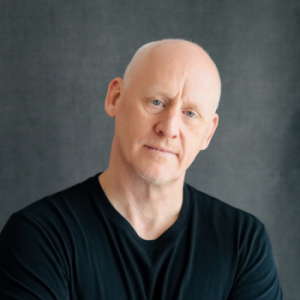
Mimi Nicklin
Join host Jeffery Wang on this episode of '10 Lessons Learned' as he engages in an insightful conversation with best-selling author, empathy advocate, and founder of 'Empathy Everywhere', Mimi Nicklin. Dive deep into Mimi's wisdom as she discusses her journey, the importance of stepping out of comfort zones, the undervalued asset of patience in business, and the power of silence in leadership. Learn how genuine connection and inclusive diversity begin with empathy, why maintaining the life you love is crucial, and how to create time for what truly matters. This episode is packed with profound insights that will make the world a little wiser, one lesson at a time.

Subscribe with your favourite podcast app. 

About Mimi Nicklin

Mimi Nicklin is an internationally bestselling author and the multi award winning Founder of the world’s widest-reaching organisational empathy training & engagement platform, Empathy Everywhere. A top 5-rated podcast host of her show, ‘MiMi YouYou’, she is omnipresent in the media, and on event stages, globally.

Mimi specialises in Listening-Led Leadership, psychological safety and D&I. She is an experienced organisational coach, and a well-known thought leader advocating for the global movement to balance humanism and capitalism in our workplaces. She has 60,000 followers with an organic reach of over 50,000 weekly on social media, and has trained 12,500+ professionals in Fortune 500 organisations globally, focusing on the future of multi-generational leadership.
A truly global leader, she has recently been awarded Malaysian Female Leader 2024 and Top 45 Sri Lankan Leader awards. She is as charismatic as she is passionate and she is set on reconnecting the corporate world, one organisation at a time.

Episode Notes

03:58 Lesson 1: Nothing Extraordinary Ever Came from a Comfort Zone
07:07 Lesson 2: Patience Is Our Most Under Valued Asset in Business Life
10:37 Lesson 3: Silence Really is Golden
16:28 Lesson 4: We Need Nothing More Than We Need Connection
22:50 Lesson 5: There’s No Such Thing as Work Life Balance
26:14 Lesson 6: There Can Be No Inclusive Diversity If There Isn’t First Empathy
31:36 Lesson 7: You Have to Be Comfortable with Being Alone
40:00 Lesson 8: You Don’t Have Time, You Create It
44:02 Lesson 9: Focus on the Life You Love Already & Not Creating A New One You Might Love More
47:34 Lesson 10: The World is Lonely, Be Generous

Mimi Nicklin – There is no such thing as “work/life balance.”

Jeffery Wang: Hello and welcome to 10 Lessons Learned, the podcast where we talk to leaders, experts, and ordinary people doing extraordinary things around the world to uncover the lessons that shape their careers, business, and lives. Our goal is simple, to make the world a little wiser, one lesson at a time.
My name is Jeffery Wang. I’m thrilled to be your host for today’s episode. I’m the founder of the Sydney Professional Development Forum. I’m a basketball tragic and a proud father of my two gorgeous boys. Before we dive in, a quick message for our listeners. 10 Lessons Learned will always be free for you, but it takes our blood, sweat and tears to make.
So, if you find value in our episodes, please consider supporting the program, whether it be sharing the show with your friends, leaving us a review or checking out our affiliate partner, Audible. Every bit help us continue to bring you the journey, of the lessons [00:01:00] that matters the most. Speaking of Audible, they’re a fantastic way to enjoy 10 Lessons Learned alongside the thousands of audiobooks and other inspiring podcasts.
Whether you’re on the go or unwinding at home, Audible makes it easy to build a library of wisdom. You can try it for 30 days at audibletrial. com backslash 10lessonslearned. That’s audibletrial. com. backslash 10 lessons the link is in the show notes, so check it out and start listening today.
Now let’s meet our guest, Mimi Nicklin. Mimi is a bestselling author, empathy advocate, and founder of the world’s widest reaching organizational empathy platform, Empathy Everywhere. you also have a top five rated podcast, Mimi Yu Yu.you are just everywhere, Mimi.
Mimi Nicklin: Oh, thank you. Thank you so much for having me. And I don’t know if I’m everywhere, but the goal is definitely to bring empathy everywhere. So, I’m really happy to be here and just to have the opportunity to [00:02:00] talk to you and look at some wisdom and have a conversation.
Jeffery Wang: I was really excited when I received your lessons. I ran through and I thought they were awesome. Now, there’s a bit of a story here, in how I met you, Mimi, it was, one of the most interesting experiences where I was introduced to this concept of a Jeffersonian dinner.
And, for those that hasn’t. experienced one. I probably, how do we describe what a Jeffersonian dinner is?
Mimi Nicklin: Yeah, it’s, interesting. I also discovered it, myself about a year and a half ago. a Jeffersonian dinner is fundamentally a listening based event. Unlike most dinners where you have free flow conversation, between how are you and what do you do? And can you pass the salt? Jeffersonian dinner is a format that comes from Thomas Jefferson. when he was president, it’s a dinner that’s based on listening to each other. So, no interruptions, no direct dialogue, but a moderated conversation that encourages us to listen to each other. So, Jeffery, it was amazing to meet you there in Sydney and try that out.
Jeffery Wang: It was certainly [00:03:00] a new experience for me. I found it challenging to listen, but I actually found it rewarding at the same time. through the exercise, I realized just how much we are. always jumping to say our bit and not paying enough attention to what was said but you know as a result of that though I did have a most enjoyable experience and yeah getting to know the people around the table and I walked away felt like I was wiser for it I was better off for it so thanks for facilitating that.
Mimi Nicklin: great. Well, I’m glad you did. Now we’re here.
Now we get to take that dinner into a different format.
Jeffery Wang: right. That’s right. and thank you for agreeing to this format. So, this is something as it’s a bit of a passion project of mine, where we like to put stuff out there in the world that we believe, it’s not necessarily the stuff that people want to hear, but this is stuff people need to know.
and that’s why, when you shared with me your mission around empathy, I felt like there must be something there that I want to dig a little bit deeper. What I’ll do is I’ll jump straight into the lessons,

Lesson 1: Nothing Extraordinary Ever Came from a Comfort Zone

Jeffery Wang: you can tell us a story about them, [00:04:00] lesson number one you’ve given me, nothing extraordinary ever come from a comfort zone.
Mimi Nicklin: Yeah, it’s a good place to start, so I started in the corporate world, Jeffrey, like most of us, some people start as entrepreneurs, but many of us discover that later, after a corporate career, or at least a stint in the corporate world. it wasn’t until I was really alone on my own business journey that sentence became sensical to me. The interesting thing is where I got that sentence from. I read that on the side of a Korean beauty product in the middle of lockdown during COVID. I had got this product delivered to my house.
I’d never tried it before. I was, locked in my home. I opened it and it was, a moisturizer or something, but on the side was that sentence and it became poignant to me, I guess also because of the time, right? That definitely wasn’t a comfort zone,
Being locked down in COVID. and then it’s stuck with me clearly,
for what’s been now nearly five [00:05:00] years because of the depth of its truth.
And I realized over and over again that, this Korean beauty product, which ironically couldn’t, um, I can’t ever tell you what brand it was now, But the, you know, the insight behind it stuck in that if it’s not uncomfortable, you’re probably not growing,
if you’re doing things that are really comfortable, it’s because you’ve done them before, because you’re repeating, because you’re in a flow. That’s not always a bad thing, but I don’t think it necessarily leads to extraordinary things.
I think As a writer, all of the most difficult things have led to the best things, the most amount of growth or the biggest shift, like you said earlier, coming to Sydney and hosting dinners with business leaders and, complete strangers in a city that I’ve never been to. that’s, not comfortable. You have to put yourself out of that comfort zone. You have to get on a plane believe in yourself and hope it goes well.
I do now really believe that if it’s not uncomfortable, you’re probably not growing. And that’s just a fact of life as far as I’m concerned.
Jeffery Wang: Yeah, and I agree with that. I think it’s even more profound than I initially [00:06:00] realized. It’s not just the fact that, people don’t like being comfortable, but the reality is that for you to have a fulfilling life. we need to keep growing and that discomfort is just part of it, part of growing up is accepting that you will have that constant discomfort if you are to have a fulfilling life.
just to have a decent life we need to constantly put ourselves out there in that discomfort.
Mimi Nicklin: Yeah, because we have to grow. And these can be small things. for example, people often ask me about overcoming loneliness. That is uncomfortable, right? if you’re an adult, listening into this, and you feel maybe you need some new friends, like many of us do, as we go through life, stages change, children grow up and all of these things. To make new friends, to become less lonely, is uncomfortable. You have to leave the house, go to a networking event a new club or join a sports club, and there will always be a bit of discomfort that first time, But if you don’t move through it, you’ll never make any friends, So you’re right, it doesn’t have to be extraordinary, doesn’t have to be life [00:07:00] changing, but fundamentally all progress comes from tension, some form of tension. Otherwise, it wouldn’t be progress.

Lesson 2: Patience Is Our Most Under Valued Asset in Business Life

Jeffery Wang: Very well said. Lesson number two. Patience is our most undervalued asset in business life.
Mimi Nicklin: I think so. since I’ve become an entrepreneur and doing this work on my own, this didn’t resonate with me in the corporate world because there’s somebody else doing everything. You don’t really have to be patient in the corporate world because you’re not responsible for everything. there’ll be somebody in finance and somebody in procurement somebody somewhere else that’s helping you but when you have your own business, patience becomes something you have to manage. Social media will have you believe that everybody is an overnight star, that never happens. But you have to be patient. I believe what’s meant for you will come at the right time. Impatience creates friction. it pushes people away; it puts pressure on people. You’ll see people who are desperately driving for sales or desperately driving people to their website. [00:08:00] Then they put all these messages out there, That sense of desperation. Actually, pushes people away and it creates discomfort but also a lack of confidence in your, in yourself. So, I think as I’ve been through this journey, patience has been my greatest asset. I tell myself, this is a 10 year game, not a 10 minute game. What you don’t win today We’ll come tomorrow, or the next day, or the next day, so be patient, wait your turn, all the things you say to children, actually, be patient, wait your turn, stand in line, it’s coming, but you can’t do everything today. And I think that’s for success, but also for your health. we have so much burnout. in Australia, there was a recent stat which, I’m pretty sure is not correct, but 52 percent of Australians are burnt out. If that is true, the role of patience in that, I think is huge We are all desperate to win now.
We are hustling so hard because we want to win. We want to be famous. We want to be the boss now, but whatever happened to [00:09:00] just waiting a little bit? that’s why that’s resonant to me. Do you feel it?
Jeffery Wang: I do agree with that, and I think it’s about having a longer term orientation, this idea that we’re, managing by quarters, if we broaden a little bit, if you look at the three year election cycles that we have, a lot of decisions tend to be made with ever more of the short term focus, and I don’t know if it’s getting worse I get that life is accelerating, technology is changing faster, but there’s certain things that still just takes time, people, I remember, reading about how cities were planned a hundred years in advance, if you don’t Have that sort of long term orientation, things just aren’t going to get done the way it should.
and I think that’s something that is a bit of a virtue and we can certainly do more of, but how do you say that to a world that’s obsessed about, getting there fast?
Mimi Nicklin: you can get there fast, or you can get there well, you can get there fast, or you can get there with good quality.
Very rarely can you do [00:10:00] both, so stuff that you do quickly, whether it’s, building a boat.
or building a business. the quicker you do it, the less quality you’re going to find, the quicker you do it, the more corners you cut, the less attention and energy you put in, the less craftsmanship you find.
So yeah, I agree with you, Jeffery. I think life is speeding up. Maybe we’re just getting old, but I think it is.
I think it is speeding up. when you move really fast, when you have that lack of patience, you’re going to miss out on all the opportunities to make it brilliant. So, I say slow down.
Jeffery Wang: And enjoy the journey.
Mimi Nicklin: Exactly. Enjoy the journey. Yeah,

Lesson 3: Silence Really is Golden

Jeffery Wang: so, lesson number three, silence really is golden.
Mimi Nicklin: that’s another one I heard when I was very young and didn’t understand until
I was about 22, I had a senior female leader who I really admired. she told me that the most undervalued leadership skill was the power of silence. I remember thinking, how can that [00:11:00] possibly be a leadership skill? at my grand old wisdom of 22, how can you possibly be winning if you’re not saying anything, especially because at that stage the women’s empowerment mission was just beginning.
So, we were being told as young female professionals, speak up, share your voice, hear your voice, all the time. And yet this female leader was telling me. the greatest skill is to be quiet. I didn’t understand it for a very long time. But much later in my mid-30s, when I started this work, I realized what that leader was telling me, which is that if you are speaking the whole time, you are not listening. So how do you create space? Create silence, hold silence I believe that’s the sign of a great leader, whether you are leading a team, leading a room, leading a community, or more and more in my word, Jeffery, leading a stage. I spend a lot of time on stage as a speaker. I’ll tell you a little story. I was in Riyadh in Saudi Arabia about two weeks ago [00:12:00] and a very Lovely older gentleman came up to me in the break. He had traditional Western clothes. He had a suit on, but quite a traditional kind of old fashioned suit. He looked very dapper. He was probably in his sixties, and he came up to me and he said, I would like to introduce myself. I was your translator today. So, he was translating my English into Arabic for the audience, which I think is a phenomenal skill. He said, I have been doing this for 35 or 40 years And I have never heard a speaker use silence as you do. And I didn’t know I was doing it, I said, thank you. And I really reflected on what he said. And I said, tell me about that. he said, you hold the room in pauses. He said, the room is listening to you anyway, but you, throughout your speech, created silence. And I hadn’t consciously recognized that I was doing that, but it adds depth to this point, which is even if you’re giving a speech, how do you [00:13:00] create enough pauses, enough silence to really let it sink in, to let people have a moment of connection that isn’t, window to window monologue? So yeah, I think silence really is golden, and I think it takes a bit of braveness, it takes a bit of confidence.
Jeffery Wang: Yep.
Mimi Nicklin: and patience, back to patience, because we’re not talking about long silences.
Jeffery Wang: Yeah.
Mimi Nicklin: But the more room you give people to talk, the more insight you get.
Jeffery Wang: Yeah. that’s some, there’s a lot unpacking that one because you mentioned that you’re on a stage and yet you use silence. So, is this a silence for people to absorb what you’ve said? Is it silence to add effect to, the message you’re trying to deliver? But then again, also, how do you hold a room with silence?
it sounds like you have to be really confident in yourself to be able to hold a room with silence.
Mimi Nicklin: interestingly, it wasn’t conscious until [00:14:00] this wonderful gentleman drew my attention to it. And this is only two weeks ago. I didn’t really know I was doing it, but yes, I am extremely confident in my topic because I will never speak about anything else. sometimes when you’re a speaker or you do training, someone will find you on LinkedIn and they’ll say, Hey Mimi, can you do a Course on resilience. No, because that’s not what I do. There are many businesspeople that will say yes, maybe they need the money or the revenue, which is absolutely acceptable, or maybe they just want more opportunities. But for me, I’m extremely clear on what my niche, my specialism is, what I do and what I’m good at. You will find somebody else brilliant to teach you about resilience.
But it’s not me. the reason I’m confident in, my craft is because I only do one thing I only train empathy, and that takes different forms. We do psychological safety communication linguistics and diversity and inclusion, but it’s all under the [00:15:00] same, mechanism and thinking. So perhaps, yes, Jeffrey, it takes confidence. Perhaps it takes practice. but I would say the first step is just intention, and for anyone listening, just try. you can try this quite simply, at the end of other people’s sentences. if you are in an interview review, perhaps we’re getting towards the end of the year, someone’s telling you about their role this year, their progress this year, when they finish talking, or maybe you’re in an interview, just wait. three seconds before you reply, see what happens in that tiny silence. More often than not, it gives people room to smile, or they carry on. This happens with children as well, they’ll say their thing you wait and then they’ll go, and dad, you’ll never know what they actually did then. But if you hadn’t given them the silence, they would have stopped. So yeah, your audience can give it a go.
Jeffery Wang: That’s very interesting. I will have to give that a go.
Mimi Nicklin: And now you’re making me [00:16:00] wonder, what have I missed by not giving people that silence?
Yeah. Once you have awareness of it, you think, gosh, maybe I could do it more.
Jeffery Wang: That’s right. And I’m going to try that now.
Mimi Nicklin: We could just sit in silence. Your listeners will be like, does something go wrong? Just practicing silence.
Jeffery Wang: That’s good. It’s funny. It’s like I’m sure the producer is just going to take the silence and cut it out.

Lesson 4: We Need Nothing More Than We Need Connection

Jeffery Wang: All good. So, lesson number four, we need nothing more than we need connection.
Mimi Nicklin: this is really important to me personally, but also to society, to the world at large. We are living in the most disconnected times in our history. And fundamentally, as human beings, we are pro social species, we need to be together, both for our emotional growth, but also for our physiological health. So, when we are disconnected, when we’re lonely, when we have problems, [00:17:00] Lack of belonging. We see all kinds of physiological decline, increasing chronic disease, lower immune systems. We’re less able to recover from things like cancer. statistically, when you are chronically lonely, so chronically disconnected from people around you, you will die eight years earlier. So, when I say we need nothing more than connection, we truly need nothing more than connection. We need each other.
52 percent of us are lonely, in Australia in the 45 and above category that goes up to 65. So that’s really high, 65 percent of 45 to 65 year olds in Australia are lonely.
Jeffery Wang: causing this loneliness?
Mimi Nicklin: all kinds of things. Urbanization, so quite literally, but also literally moving away from our roots. Technology, high stress, low time, in many of our developed cities, and it’s hilarious that we call them [00:18:00] developed cities because in so many ways, they’re actually going backwards.
But in the developed world, you’ll see cities like Berlin, Tokyo, London, Chicago, 48 percent of the city live alone. So that means you have breakfast alone, go to work alone, come home alone, watch Netflix alone, and start again tomorrow, there’s many kinds of social woes. Also, the mental health crisis that exists for 100 million people have depression, and when you suffer with something like depression or anxiety, one consequence of that is more and more withdrawal from those around you. So, there’s many reasons why it’s happening, but the short statement around that is we have to fix it, and we have to fix it now because it is quite literally killing our people.
The highest burden to our healthcare systems worldwide today is loneliness, not heart disease, not diabetes, not cancer. Loneliness. So there really has never been a time when we need to reconnect our world more than now. And the longer we let that disconnect fester and grow, the more [00:19:00] disconnected we become.
as human beings, we like routine. So, the more we get used to being alone or segregated in the kind of people like me category, Deeper, those chasms between race, age, background, language, country, nation become. So yeah, we do, Jeffery, it’s a reality. We have to reconnect our world.
Jeffery Wang: Yeah, I’m absolutely with you there. But how do you break that cycle? Because it seems having a pandemic, like COVID did not help. Getting locked down and,
Mimi Nicklin: Yeah, I think there are many governments around the world, including Australia. in Australia, there’s a lot of data around this. I’ve done some work with a couple of Australian companies recently and looked at the data and it’s being worked on. So, there are many governments. There are a lot of experts around the world who are trying to look at this from a social change point of view. There are policies. You’ll see some countries, and again Australia is doing some of this, [00:20:00] reinvesting into social centres, community centres, re looking where and how the elderly live, for
example, because they’re very vulnerable. Interestingly, the old and the young are the highest percentage of lonely people.
So, looking at how the elderly live and how they grow old, and that some of that is cultural. Of course, in Asia, we see many more multicultural, multi-generational homes. Whereas in the West, people tend to leave their elderly, and they get older alone. there is a governmental shift going on. There is a corporate shift going on. So, you’ll find lots of corporates putting in platforms and processes to enable their people to connect, whether that’s digitally or in person, clubs, soccer leagues, open mic nights, all that type of thing. And then the last thing, which I also picked up in Saudi Arabia, I was really impressed. I was listening to one of the royal family, one of their princes on stage address his people. And he was a phenomenal leader. he said, rather than talk at you, [00:21:00] I’m just going to make an open conversation. For one hour, it was a youth summit. So, there was many young people there, young Saudis predominantly. You can ask me whatever you want. And one young person asked him the same question you asked me, we have all this loneliness, what do we do about it? how are we going to fix it? And they were speaking in Arabic.
I was translating. But what I understood from his reply, the prince. was it’s a responsibility of the family and the home, and of course, in this country, they also, an Islamic country, so he spoke a little bit about religious responsibility, what Islam believes about family and looking after each other,
but he said don’t look at me, he didn’t quite say this, I’m paraphrasing, but don’t look at the royal family and the leaders to solve your loneliness problems, you guys can do it yourselves. And I thought that was really interesting as well, which is fundamentally an intention and an education reality. getting people out of their homes, into their communities and back together.
Jeffery Wang: 100 percent and you solve it [00:22:00] one connection at a time, right? we can be intentional around the people around us and build a community post lockdown, we had to rebuild a lot of that. I agree with you.
I don’t think it’s something We can look to others to help us solve, this has to be us doing it by ourselves and with intention.
Mimi Nicklin: Yeah, and I think intentionality is, in many areas of our lives, because we are all so stressed for time, and overwhelmed by many things, cost of living, work, governments, war and famine race, inclusion, a million themes. We’re quite overwhelmed by all of those things. It can be easy to not be intentional about things like connection because you just pass the days and another week goes when you’ve, stayed at home. So, I agree. It’s got to be something that we take on ourselves.

Lesson 5: There’s No Such Thing as Work Life Balance

Jeffery Wang: That’s right. Lesson number five. There’s no such thing as work life balance.
Mimi Nicklin: well, I just don’t think there’s such a [00:23:00] thing as balance in any area of life. I’m a mum. I have a small child. I travel a lot for my work. I think that for as long as we strive for balance, we will fail. In my opinion, we can’t have balance. You only have choices. So, this hour, I have chosen to spend it with you, Jeffery. I want to spend it with you. I’m looking forward to it. But by spending it with you, I’m not spending it with my daughter, right? She’s at gymnastics with somebody else. I’m not at gymnastics with her because I’m with Jeffery. That is a choice. I have to make peace with that choice. I’m very happy with my choice. But if I try to create balance, somebody’s always going to be let down. Potentially me, in the middle, right? So, I can only speak from a working mum point of view from a working mum point of view, and all the working mums that I work with and spend time with, the constant drive to balance everything drives us all mad in the end. you can’t balance working and mumming and driving [00:24:00] and making dinner and preparing the home and going out and going on a business trip and attending the podcast and writing a press release and updating your work. Where’s the balance, right? So, for me, that’s why I say there’s no such thing.
Strive for integration. Strive for making empowered choices. Strive for owning your decisions, right? Does it make me a bad mum that I missed gymnastics today? possibly in some people’s opinion. But I’m at peace with that because I wanted to do this show. that’s why there’s no such thing as balance.
let go of the pressure of trying to balance it all and make peace with the fact that you can integrate it all. But that is based on choices. What do you think? How controversial was.
Jeffery Wang: No, not at all. actually, yes, you could say it’s controversial, but I think you’re absolutely right challenging that notion that we have to be You call it balance, but I think it’s trying to strive for perfection that just doesn’t exist. I think it’s about making peace with the choices that you make.
we would drive ourselves mad, trying [00:25:00] to be, you just can’t be at two places at once. And sometimes, you just, this idea that you have to, have it all, do it all, or if you’re not there for every, waking moment in your kid’s life, then somehow, you’re a bad mother. I think that’s a ridiculous notion.
But making peace with it, I like that. I think there’s a lot of wisdom with that. Making empowered choices. I really like that word you used, making empowered choices. And it’s absolutely right. and I think, this is where a lot of parents, particularly mothers, would struggle in terms of making those choices.
So, I think this is a very wise lesson, so thank you for sharing that.
Mimi Nicklin: What I’ve learned is that the gap between expectation and reality is disappointment,
Jeffery Wang: that’s exactly right.
Mimi Nicklin: And when I learned that myself, I could manage it, and now I’m much less disappointed less [00:26:00] often, right? So, remember that the gap between expectation and reality.
is disappointing.
Jeffery Wang: and that’s why we should never put unrealistic expectations on ourselves, because all you’re going to find is disappointment.
Mimi Nicklin: And no one needs any more of that in life.

Lesson 6: There Can Be No Inclusive Diversity If There Isn’t First Empathy

Jeffery Wang: Oh, 100%. lesson number six. There can be no inclusive diversity if there isn’t first empathy. Oh, I like this one.
Mimi Nicklin: I knew you would like this one from the conversation we had at our dinner. I know you’re passionate about this, right? And how we create more diversity, as am I. And I specifically said inclusive diversity. the reason I was very specific and intentional about those words is because diversity for diversity’s sake is not diversity, right?
to have many colours in your building does not make you a diverse organization. It just makes a dynamic organization. Just means there’s lots of different people in there with different skin colours and different hair colours and different eye colours, That’s a lot of selection. It’s not necessarily integration.
Jeffery Wang: That’s right.
Mimi Nicklin: But to truly have [00:27:00] inclusive diversity where there’s different people around a table or in a community you will not, get there if you don’t start with insight, if you don’t start with understanding. And the only way to understand someone is to ask, and that is empathy. Empathy is not a soft skill; it has nothing to do with sympathy. Empathy is about perspective taking. the ability to understand how someone else thinks, feels, or what their experience is. if you want to include diverse voices The only way you can do that is to find out how they want to be included. for example, so one of the conversations we’ll have is around gender, when we talk about gender diversity, how do you know how to include women if you haven’t asked them? And it would be the same with any other nuance of employee, community member, or family member.
so yeah, so for me, Jeffery and I really want to hear your thoughts. Cause as I said, I know you’re passionate about this, but in order to include others, we first have to understand them.
Jeffery Wang: Yep. when you talk [00:28:00] about controversial ideas, I would suggest that maybe this one would be considered controversial, especially in the, the current diversity circles, and I could argue, and maybe because of your global perspectives, I come from, obviously I’m in Australia and I think Australia talks about diversity a lot, but how does it practice it?
it seems to be, I presume A couple of decades behind everywhere, the more multinational places such as Singapore, such as, parts of, Europe and countries where they had to deal with, diversity for a much longer time. So, they have a much more mature way of approaching it.
so yeah, I, I can’t agree with you more. That empathy is the key to understanding diversity. And I think that’s what’s prevented organizations from, achieving what they really want to get out of their people. ultimately what it is getting the best out of their people, but
you can’t make them act their best unless they can, they feel understood and accepted.
just to give you an example, I remember diversity, a crude [00:29:00] way of practicing diversity was, three HR ladies, dressed up in Cheongsam, telling a bunch of Chinese people about the meaning of Chinese New Year’s. and, and it’s, probably not the only one that’s ever had to experience that, but at the same time, that’s the, that’s the way they understood how to do diversity.
Yes, visibility is one thing, but ultimately, it’s about being accepted and understood. yeah, you absolutely raise a great point and I think, some parts of the world, including Australia, probably have a bit of way to go when it comes to diversity, but I think, by focusing on empathy, it’s actually far more inclusive because diversity isn’t just about culture, isn’t just about gender.
we’re talking about things that you can’t see, personalities, introverts, for example, how often does corporates really think about how to include the introverts because they feel differently? how do you create an environment where the introverts feel safe to be [00:30:00] themselves, and that means sometimes to be a little bit quieter.
yeah, so there’s a lot more profound insights from this particular lesson that, that meets the eye, I think.
Mimi Nicklin: I think so. And I, would just say that, that the three HR ladies, for example, and many other examples are well intentioned. And they can be, that’s why I made that face, oh gosh, I know from your story how that can be received. But I think on the whole, whilst we are getting it wrong, quite often, globally, most people and most people tuning in intentionally are trying to get it right. I think people want more and more to, to get it right, to include others, to represent their culture, and often just don’t have the guidance or the insight or the empathy to deliver it so very optimistic, Jeffery. I think on the whole, I don’t know, 80 percent of the world want to work and be together. [00:31:00] It’s just like you said, in some countries we’re a little bit further ahead. and Australia, maybe I think you said a bit behind was what you said, but I think actually there’s places that are further behind, everyone has their own scale.
Jeffery Wang: That’s right. And I agree with you that, they’re well, it is well intentioned. but, yeah, sometimes I think it’s just being aware of, things that, essentially, being well intentioned is good. I think, we all need to understand where people are coming from. but yeah, I think certainly empathy goes both ways and we can all work on it.
And, I think,
Mimi Nicklin: It’s a skill, you can.

Lesson 7: You Have to Be Comfortable with Being Alone

Jeffery Wang: is a skill. That’s right. great lesson. lesson number seven. You have to be comfortable with being alone.
Mimi Nicklin: Oh, I don’t even remember writing that one. You have to be comfortable with it alone. I know why I wrote it though. yeah, this was also something I learned or am learning more and more as my own career as an entrepreneur goes on. And [00:32:00] again, that is because when you come from the corporate world, you’re never alone. Even if you’re in a small corporate, you’re never alone, right? There is someone helping you do something, within the day, within the process. And I think it’s a little, a little known fact, really, that when you become an entrepreneur, you are all alone. And I don’t think you think about that before you become an entrepreneur.
I’d love to hear your opinion in a minute, because of course you’ve done a similar journey, right? When you leave the corporate world, or you set up something on your own, You’re so full of passion and vision and purpose. Often, I think for many entrepreneurs I speak to, it’s only a few months later, maybe three or four months in, when they’re in their home office or their co working office or their, I don’t know, in a coffee shop.
And they’re like, oh, it really is just me, and there’s no one to brainstorm with most of the time. There’s no one to correct you or build on what you think. There’s also nobody to help you with anything. there’s, if you do, if you, people always say it’s the IT. if your Mac fails, your laptop fails, you’re like, I don’t know [00:33:00] how to fix this.
How do you fix a Mac, right? Because you’ve been in the corporate world and there was an IT team. It’s always the IT, right? Nobody, people are like, I don’t know how to fix my Gmail. So yeah, I think, the more you follow your passion, and for me, that is what I do every day,
I have this deep commitment to creating empathy. The longer I do it, the more alone I become. And the irony of that is, the more connected I am, I’m surrounded by people all the time.
Jeffery Wang: Yep.
Mimi Nicklin: But actually, it’s just me. And the more this movement grows, and I’m super proud of it.
the more isolated you become, even though the more connected you become. It’s a very funny. Line between being surrounded by people all the time and then realizing more and more the only person that can do this is you and it’s you that’s on the plane all night and it’s you that’s walking across, three airports and all of those things and getting in an Uber in the middle of the night in Mumbai to go to another conference.
So yeah, I think you have to really get comfortable with that. I think I wasn’t and now I am. I know how to [00:34:00] fix for it. But tell me about your experience because you also started alone at some point. So how was it for you?
Jeffery Wang: it’s actually an interesting question, but I actually want to unpack what you mean by alone, because the thing is, being alone isn’t necessarily, I think what you said about being alone isn’t actually about being physically alone, I think it’s being alone in your passion for what you do.
I think it’s the only, the concept I could, related to is that it’s lonely at the top. I think it’s almost that, knowing that people, no one would quite have as much passion as you do about Changing the world in the way that you see, I can, I see your mission, and it’s clear.
It’s absolutely crystal clear. And the reason it’s absolutely crystal clear is because you are so clear about, you’ve got this vision in your head about what You know, the problem statement, the things that you need to fix in this world. And I can see you’re absolutely passionate about it, and that’s what drives you.
And yet I can [00:35:00] understand why at some point you’re like, why can’t you guys see this? Why, why it’s so obvious to you, right? and the fact that, these corporates are out there just meandering and not understanding that this is what the world needs. yeah, it’s, that’s going to be a tough, that’s going to be a tough journey now.
you, for my own, experience, I, I can’t say I actually have the same, uh, I can’t say I had the same journey, in, in, in that, in that entrepreneurship, but, , but I can, IM, yeah, I guess I can imagine why you would say that. Now. Hopefully one day I’ll find something I’m so passionate about as you are, that I’ll, I will feel alone, but I think that’s actually a really good problem to have because that means that you have found your life’s calling.
Mimi Nicklin: Yes, I have.
I thank you. Thank you for saying that. And I think you’re right. It’s a good problem to have. I’ll give you one example as well that just helps bring it down a level from life’s purpose to execution as [00:36:00] it were. A few months ago, there was an event, it was a small event. And as I mentioned earlier, most of my revenue, most of my work comes from speaking at events.
This event I was never going to earn much money from. This was not about money at all. an event that I wanted to be at for sort of emotional reasons, the people that were there and the content that was on the stage, and I couldn’t make it. Actually, interestingly, Jeffrey, it was just after I left Sydney when I first met you, and I couldn’t make it because the flight times from Sydney to this new city just didn’t, it just didn’t connect.
I could not get there. Finishing the dinner that I did with you.
And I forgot that when I started the story, but, and get to this next place. So, with great disappointment, and as I said, this was, they were not paying me, this was going to cost me money. But even with great disappointment, I pulled out and I said, I’m so sorry, I just cannot get out of Sydney in time to be at your event. And life moves on, it doesn’t matter. There’s many events in a year. But then about maybe a month later, someone else at that event, who I [00:37:00] didn’t really know, had messaged me on WhatsApp and said, oh, I’ve just come back from X event. And I was like, wasn’t X event three weeks ago when I was in Sydney? So, I looked on, the gospel of all things, which is Instagram, and found out that it had moved. Now, nobody had told me it had moved, because they had no need to tell me, right? But of course, I could have gone now, because it was no longer straight after Sydney. And for about 24 hours, I was, I don’t know what I was, I want to say heartbroken, it wasn’t quite that emotional, but it was, I was very upset about it. And this is to give some explanation to this, you’ve got to be comfortable with being alone. I was angry. I was angry with the organisers for not telling me. I was angry for my agent. for not telling me. And then I went for a swim. And then I, had a coffee or potentially a glass of wine. But I realized, this is about nobody else but you, Mimi. Your disappointment is your disappointment. You couldn’t make it. It’s not their responsibility to tell you that they [00:38:00] moved their event. There was a sense of entitlement that I was sitting in.
Which was because I felt, I was doing it for free and I was going to buy the flights myself and I really wanted to be there. But then I had this realization, which was probably very close to when I wrote these 10 lessons as well for you, was you have to be comfortable that this is just you. Nobody cares about what you’re doing. And that’s the honest truth. They care when it impacts them. You cared when you came to the dinner, because as you said at the beginning, you really enjoyed that dinner and it added something to your week that week. But in the grand scheme of things, everybody cares about their own lives and so they should. So that’s what I really mean by comfort being alone in the recognition that your passion, your journey, your expectations, your values are yours. And when you’re in a shared culture, a corporate, everybody shares a set because they’re everybody’s. When you’re an entrepreneur, they’re just yours. So, it can be when it’s your life’s purpose and it can be more executional. you didn’t get the ticket or somebody forgot to invite [00:39:00] you. And it’s very easy to make that all about you and to have that kind of victim. Woe is me, nobody remembered to tell me. It’s not their job. So that’s really where part of that comes from. Just comfort in, this is my journey. Most of the time it’ll work out. Sometimes it won’t. That’s okay.
Jeffery Wang: But that’s okay. Now, again, I think there’s, there’s a bit of wisdom in that, even more, It’s more profound than it might immediately sound, right? I’ve really liked that because what you’re saying is that, yes, it’s about you, but also understanding that and making peace with that, I think it’s going to go a long way.
And yes, being an entrepreneur on your own is lonely. And sometimes that means that you’ll miss out on stuff, but recognizing that you’ll make peace with it, you’ll make Your, life will be a lot better.
Mimi Nicklin: It’s not always easy, but it’s quite simple. Simple, but not easy.
Jeffery Wang: right. As with many things.
Mimi Nicklin: Yeah, that’s one of those things, [00:40:00] exactly.

Lesson 8: You Don’t Have Time, You Create It

Jeffery Wang: And lesson number eight. Oh, I like this. You don’t have time, you create it.
Mimi Nicklin: Yes. This one I live by. Because every day. More or less, and I’m really not exaggerating, more or less every day, somebody will ask me, how have you got time for that? And it was a decision a few years ago that again, I’ve used the word intentional today a lot, but it was very considered, very specific decision that I made for myself. And it was based again on neuroscience. And it was based on the fact that our conscious mind learns from our subconscious mind. That means that the thoughts you have impact Everything else, how you speak, how you behave, what you do, what you accept, where you win, where you lose, because the unconscious, the subconscious, the unconscious or subconscious and conscious are connected. So that’s why people often will say, don’t say bad things like, oh, I look really ugly today, because it will become you, because You’re training your conscious mind. [00:41:00] So one of the phrases that we all say, most of the time, I don’t have time, or I didn’t have time, or I won’t have time. So, we’ll get an opportunity or something that we can do or something with the kids or something at work. I don’t have time for that. The challenge with that, when you believe you won’t have time, you won’t have time because your subconscious mind is training your conscious mind. It will become you. It will become a reality. So, if you shift, I won’t, or I don’t, to I won’t create the time. It goes back to what we were saying earlier about empowering choices, right?
I didn’t create the time for that yesterday, but I will create the time for that today.
Mimi, would you like to do this? Podcast with Jeffery on Thursday. Yeah, I’m going to create time for that. The minute you shift that, it’s the language,
Jeffery Wang: I love it.
Mimi Nicklin: but it’s also the mindset. So now when people [00:42:00] ask me, how do you possibly have time to do all of this? I tell them I create it. And with that comes optimism, commitment, authenticity. If I’m here with you, I am here. with you. So yeah, it’s become me, like the movement has become me and I think it’s super powerful because everybody I talk to about it that tries it comes back to me and says, it worked. I had more time.
I’m like, there you go.
Jeffery Wang: And I think, again, it’s that intentionality, right? It’s knowing what you value. It’s making time for things that you truly care about. I like the idea of saying; I won’t create time for that because what you’re making is a value judgment. Is it worth my time? and it’s not because I don’t have time. It’s because I choose not to spend time on it.
And I think you are far more intentional about how you go about your life, and that’s a, yeah, that’s a [00:43:00] really good, advice to give.
And responsible, Jeffrey, because especially with our kids, we say, oh, I didn’t have time. You didn’t have time, or you didn’t make time. So, you can ask that to yourself, or you can try and ask it to someone else, but you might get in trouble. But if you ask it of yourself, you hold yourself accountable for how you spend your time. And when you say, I didn’t have time to be honest with yourself. When you didn’t do that thing, what were you doing, and maybe you were watching Netflix and maybe that’s really good for your own, decompression, relaxation, escapism. So maybe it’s really important to you, but be really clear again, back to the thing earlier, you chose to watch Netflix. You didn’t not have time. You just chose to spend it differently. So, it makes you accountable for your choices, which I think is also really empowering. And I must admit, that’s probably something I need to do a lot better. So that, right learning. [00:44:00]
Mimi Nicklin: a lot better.

Lesson 9: Focus On the Life You Love Already & Not Creating a New One You Might Love More

Jeffery Wang: Love it. Lesson number nine. Focus on maintaining the life you already love versus creating a new life that you might love more. And then what you love will appear.
Mimi Nicklin: Yeah, I think that’s really true. Focus on what you have and what you want will come. I live in the present. I don’t, worry about the past and on the whole, I don’t really think about the future. Do I have, a business vision and a strategy? Of course, We all have, plans and priorities, but I don’t worry about it.
If I spent all my time focusing on whether I might have something else in three months or six months or 12 months, I would miss now. So, I think it’s something, especially in the sort of consumption driven world that we live in, we spend so much time trying to create something that we might love more. I might be happier if I have a bigger [00:45:00] house. I might feel more confident if I have a better car. I might feel better if I change my look and buy a whole new outfit. But what if you don’t? And I think the challenge is that most people actually don’t. they get the thing that they’ve been waiting for, right? And you see this often with, often with men, but women too, who think that they are working this hard to retire. and they work and they work, and they miss everything today because what they think they want is to sit around and play golf all day. So, they work, they miss all their life, they miss all the presents. And then they get to 65, wherever they are, maybe younger if they’re lucky. And they get to this life that they thought they wanted to build.
And then they’re like, Oh, this sucks. Right now, I’m bored. I’m bored. I’m lonely. I have no sense of purpose. What’s the point in having a big house and a Mercedes? I’ve got nowhere to go. maybe to the golf club and back, but that only lasts for a while.
So, it’s [00:46:00] one example. It can be about short term age, anything. But I think really, Jeffery, that if we appreciate the life that we have, love the things you have, love your home, love the moments in it, love this, the phase of your children, because I promise you I know it’s too short, but it’s long.
And then, what you really want will come when you’re not looking for it.
or not what you really want, sorry I said that wrong, but what you also want will come. great things will come if you continue to build the present. I think that’s, for me, that’s really true.
Jeffery Wang: 100%. Like you, you will see, whatever you, focus your mind on is what you get more of. this is the same, psychology behind why people, grateful people who practice gratitude are the happiest. Because they keep focusing on the stuff they already have. and the reality is that, we Again, we can always do more of that.
The fact that you’re in good health, sometimes it’s not until you lose your health that you realize you’re in good health, and if we do more of that, we certainly live a much happier life [00:47:00] because we’re focusing on that, but the other point you, you made was very, poignant as well in that if we’re not focused on the now, then you’re not living your life.\ you’re going to miss out on life.
Mimi Nicklin: yeah, people always say, Jeffery, you only live once. But I always say, no, you live every day, you only die once. And live today. You’re alive now. Live it. enjoy it. Make it count. So yeah, maybe just a bit of a mindset shift.

Lesson 10: The World is Lonely, Be Generous

Jeffery Wang: That’s, yeah, very profound. I like that. The last
Mimi Nicklin: Oh yeah, number
number 10. done now. We’re done now. number 10. I’ve forgotten what I said.
Jeffery Wang: world is lonely. Be generous.
Mimi Nicklin: Oh, yeah. I guess we’ve touched on it, right? we spoke a little bit today about the
loneliness epidemic. half of us, 52%, if not more, depending on where you’re listening from are disconnected and lonely and therefore [00:48:00] Less well in many ways because of it. So, I always feel that we can be so generous with the smallest of things.
And I would say with smiling is the smallest. Eye contact might be smaller than smiling.
Be generous with those connections because you never know what other people are living. And often it’s happened. I do it, quite naturally. probably if we watch this back, you’ll see I smile a lot, right? I love doing this, but I have learned many times over, particularly in Ubers, in taxis and Ubers, how much you can impact people’s lives, just by giving them, being generous with your attention, ask people their name. Ask the taxi driver their name, ask the Barista making your coffee, or the person that walks your dog, or the person that opens the door for you, and watch what happens, because so many people go, Oh, my name is Mohammed, whatever their name is, right? So be generous [00:49:00] with your time, be generous with your eye contact, be generous in life, because we’re all running around trying to do it on our own most of the time. And all of these small micro moments, they don’t cost us anything. In fact, Due to something I call reverse empathy, that connection that you give others, it also from a neurological point of view benefits you. So, in being generous, you will receive as well as give. And we are recording this before the festive season, so perhaps it’s an even more sort of poignant time of year to talk about it when we talk about any big religious celebration, whether it’s Christmas or Ramadan or whatever it is. That togetherness and just being generous with your time and your energy and not just your sort of money and gifting, but just those small things in life that can, really help.
Jeffery Wang: And I love we’re ending on that lesson because it’s just so in sync with the purpose of this podcast, which is to make the world, a [00:50:00] little bit wiser, a bit, and these are the sort of wisdom that we love to share. Now, usually we do throw our guests a curveball. So, what is the one lesson that you’ve unlearned?
So, something that you knew to be ironclad truth when you were starting out in your 20s and then later on found out that it’s just not the case. So, something that you, yeah, something that you knew was 100 percent that’s, yeah, that’s true. And then later on something happened in your life that made you realize that it was just all bollocks.
Mimi Nicklin: the thing that comes to mind instantly, listening to you, the first thing that came to my mind is that I used to believe, and I’m going to really explain what I mean here. I used to believe that how I dress mattered. Now, I want to just give some context to that because I still today, I do actually believe that.
I go out of my way to dress culturally with cultural [00:51:00] relevance. I care, I turn up to podcasts, I make sure I look good for other people’s shows and all of that. So, I do believe. I know I’ve said that you should, that your appearance is a sign of generosity and respect. But what I unlearned was, I used to think that I had to dress a certain way to be accepted or to be able to be at the table or to matter. for the first, maybe, Eight or nine years of my career, I would always dress very formal, like very corporate, black dresses and all those things that power women wear. And then in my early thirties, I don’t know why or how, but I did unlearn that. I was like, hang on a minute, I know what I’m doing.
Jeffery Wang: Does it really matter if I wear jeans? it’s not, my career isn’t going to end because I wore jeans on a Friday, That’s right.
Mimi Nicklin: I think that what I unlearned was that kind of Expectation of what you wear makes the leader.
And that’s where I’ve [00:52:00] unlearned. As I said, I’m still deeply respectful for what I wear and turning up well dressed and cared for, but I do it for me and I do it in respect of others, not to impress others. And I think that was a big shift for me.
Jeffery Wang: That’s very profound and I think a lot of it comes down to understanding sort of your place in the world as well, the value that you bring, this idea that people are going to judge you based on your appearance. Yeah, whereas I think once you’ve got that confidence, you realize that people can see the substance that you bring, and you don’t need to impress them with that dress.
So, thanks for sharing that lesson.
Mimi Nicklin: Thank you. I didn’t think I was going to share that one. That just popped in my head.
Jeffery Wang: Love it, which is why we love throwing these curveballs. But that’s all for today’s episode of 10 Lessons Learned, and I’d like to have a big thank you to you, Mimi, for sharing your incredible insights and [00:53:00] lessons. Very profound, I really thoroughly enjoyed that.
Mimi Nicklin: Thank you. Thank you. me too. I loved it. you can see it in my face. I am grateful for every opportunity that I get to meet new, and, with you, we’ve met before, but new people share time, share connections. So, I’m very grateful you invited me and thank you very much.
Jeffery Wang: Thank you and I hope that the lessons you shared will have a flow on effect to the world. all we can do is put it out there and hopefully that people understand the importance of that empathy and we go in the right direction.
Thank you, and we will finish on that note. I’d like to thank our amazing team, Cody Como, our episode editor, Yi Wang, who manages our social media and marketing, our producer, Robert Hossary.
And this podcast is supported by the Professional Development Forum, and listeners like you. We’d like to hear your thoughts on today’s lessons. Please drop us a line at podcast at 10lessonslearned. com. Please tell us what you think about Mimi’s mission and how the world would be [00:54:00] better if there was more empathy.
If you enjoyed this episode, please don’t forget to subscribe, turn on the notification so you never miss a lesson could change your life. Thanks for tuning in to 10 Lessons Learned, where we’re making the world wiser one lesson at a time. Have a good evening, everyone.

Thanks to our 10 Lessons team that make our show possible: Our Episode Editor Codie Comeau, Marketing and social media managed by Yi Wang, and our Producer Robert Hossary. Sponsored as always by Professional Development Forum. You can find the www.professionaldevelopmentforum.org.

You’ve heard from us we’d like to hear from you. Email us it’s podcast@10lessonslearned.com.

Remember, this is the podcast the only podcast. That’s makes the world wiser lesson by lesson.
Mimi Nicklin

Mimi Nicklin – There is no such thing as “work/life balance.”

Join host Jeffery Wang on this episode of '10 Lessons Learned' as he engages in an insightful conversation with best-selling author, empathy advocate, and founder of 'Empathy Everywhere', Mimi Nicklin. Dive deep into Mimi's wisdom as she discusses her journey, the importance of stepping out of comfort zones, the undervalued asset of patience in business, and the power of silence in leadership. Learn how genuine connection and inclusive diversity begin with empathy, why maintaining the life you love is crucial, and how to create time for what truly matters. This episode is packed with profound insights that will make the world a little wiser, one lesson at a time.

About Mimi Nicklin

Mimi Nicklin is an internationally bestselling author and the multi award winning Founder of the world’s widest-reaching organisational empathy training & engagement platform, Empathy Everywhere. A top 5-rated podcast host of her show, ‘MiMi YouYou’, she is omnipresent in the media, and on event stages, globally.

Mimi specialises in Listening-Led Leadership, psychological safety and D&I. She is an experienced organisational coach, and a well-known thought leader advocating for the global movement to balance humanism and capitalism in our workplaces. She has 60,000 followers with an organic reach of over 50,000 weekly on social media, and has trained 12,500+ professionals in Fortune 500 organisations globally, focusing on the future of multi-generational leadership.
A truly global leader, she has recently been awarded Malaysian Female Leader 2024 and Top 45 Sri Lankan Leader awards. She is as charismatic as she is passionate and she is set on reconnecting the corporate world, one organisation at a time.

Episode Notes

03:58 Lesson 1: Nothing Extraordinary Ever Came from a Comfort Zone
07:07 Lesson 2: Patience Is Our Most Under Valued Asset in Business Life
10:37 Lesson 3: Silence Really is Golden
16:28 Lesson 4: We Need Nothing More Than We Need Connection
22:50 Lesson 5: There’s No Such Thing as Work Life Balance
26:14 Lesson 6: There Can Be No Inclusive Diversity If There Isn’t First Empathy
31:36 Lesson 7: You Have to Be Comfortable with Being Alone
40:00 Lesson 8: You Don’t Have Time, You Create It
44:02 Lesson 9: Focus on the Life You Love Already & Not Creating A New One You Might Love More
47:34 Lesson 10: The World is Lonely, Be Generous

Mimi Nicklin – There is no such thing as “work/life balance.”

Jeffery Wang: Hello and welcome to 10 Lessons Learned, the podcast where we talk to leaders, experts, and ordinary people doing extraordinary things around the world to uncover the lessons that shape their careers, business, and lives. Our goal is simple, to make the world a little wiser, one lesson at a time.
My name is Jeffery Wang. I’m thrilled to be your host for today’s episode. I’m the founder of the Sydney Professional Development Forum. I’m a basketball tragic and a proud father of my two gorgeous boys. Before we dive in, a quick message for our listeners. 10 Lessons Learned will always be free for you, but it takes our blood, sweat and tears to make.
So, if you find value in our episodes, please consider supporting the program, whether it be sharing the show with your friends, leaving us a review or checking out our affiliate partner, Audible. Every bit help us continue to bring you the journey, of the lessons [00:01:00] that matters the most. Speaking of Audible, they’re a fantastic way to enjoy 10 Lessons Learned alongside the thousands of audiobooks and other inspiring podcasts.
Whether you’re on the go or unwinding at home, Audible makes it easy to build a library of wisdom. You can try it for 30 days at audibletrial. com backslash 10lessonslearned. That’s audibletrial. com. backslash 10 lessons the link is in the show notes, so check it out and start listening today.
Now let’s meet our guest, Mimi Nicklin. Mimi is a bestselling author, empathy advocate, and founder of the world’s widest reaching organizational empathy platform, Empathy Everywhere. you also have a top five rated podcast, Mimi Yu Yu.you are just everywhere, Mimi.
Mimi Nicklin: Oh, thank you. Thank you so much for having me. And I don’t know if I’m everywhere, but the goal is definitely to bring empathy everywhere. So, I’m really happy to be here and just to have the opportunity to [00:02:00] talk to you and look at some wisdom and have a conversation.
Jeffery Wang: I was really excited when I received your lessons. I ran through and I thought they were awesome. Now, there’s a bit of a story here, in how I met you, Mimi, it was, one of the most interesting experiences where I was introduced to this concept of a Jeffersonian dinner.
And, for those that hasn’t. experienced one. I probably, how do we describe what a Jeffersonian dinner is?
Mimi Nicklin: Yeah, it’s, interesting. I also discovered it, myself about a year and a half ago. a Jeffersonian dinner is fundamentally a listening based event. Unlike most dinners where you have free flow conversation, between how are you and what do you do? And can you pass the salt? Jeffersonian dinner is a format that comes from Thomas Jefferson. when he was president, it’s a dinner that’s based on listening to each other. So, no interruptions, no direct dialogue, but a moderated conversation that encourages us to listen to each other. So, Jeffery, it was amazing to meet you there in Sydney and try that out.
Jeffery Wang: It was certainly [00:03:00] a new experience for me. I found it challenging to listen, but I actually found it rewarding at the same time. through the exercise, I realized just how much we are. always jumping to say our bit and not paying enough attention to what was said but you know as a result of that though I did have a most enjoyable experience and yeah getting to know the people around the table and I walked away felt like I was wiser for it I was better off for it so thanks for facilitating that.
Mimi Nicklin: great. Well, I’m glad you did. Now we’re here.
Now we get to take that dinner into a different format.
Jeffery Wang: right. That’s right. and thank you for agreeing to this format. So, this is something as it’s a bit of a passion project of mine, where we like to put stuff out there in the world that we believe, it’s not necessarily the stuff that people want to hear, but this is stuff people need to know.
and that’s why, when you shared with me your mission around empathy, I felt like there must be something there that I want to dig a little bit deeper. What I’ll do is I’ll jump straight into the lessons,

Lesson 1: Nothing Extraordinary Ever Came from a Comfort Zone

Jeffery Wang: you can tell us a story about them, [00:04:00] lesson number one you’ve given me, nothing extraordinary ever come from a comfort zone.
Mimi Nicklin: Yeah, it’s a good place to start, so I started in the corporate world, Jeffrey, like most of us, some people start as entrepreneurs, but many of us discover that later, after a corporate career, or at least a stint in the corporate world. it wasn’t until I was really alone on my own business journey that sentence became sensical to me. The interesting thing is where I got that sentence from. I read that on the side of a Korean beauty product in the middle of lockdown during COVID. I had got this product delivered to my house.
I’d never tried it before. I was, locked in my home. I opened it and it was, a moisturizer or something, but on the side was that sentence and it became poignant to me, I guess also because of the time, right? That definitely wasn’t a comfort zone,
Being locked down in COVID. and then it’s stuck with me clearly,
for what’s been now nearly five [00:05:00] years because of the depth of its truth.
And I realized over and over again that, this Korean beauty product, which ironically couldn’t, um, I can’t ever tell you what brand it was now, But the, you know, the insight behind it stuck in that if it’s not uncomfortable, you’re probably not growing,
if you’re doing things that are really comfortable, it’s because you’ve done them before, because you’re repeating, because you’re in a flow. That’s not always a bad thing, but I don’t think it necessarily leads to extraordinary things.
I think As a writer, all of the most difficult things have led to the best things, the most amount of growth or the biggest shift, like you said earlier, coming to Sydney and hosting dinners with business leaders and, complete strangers in a city that I’ve never been to. that’s, not comfortable. You have to put yourself out of that comfort zone. You have to get on a plane believe in yourself and hope it goes well.
I do now really believe that if it’s not uncomfortable, you’re probably not growing. And that’s just a fact of life as far as I’m concerned.
Jeffery Wang: Yeah, and I agree with that. I think it’s even more profound than I initially [00:06:00] realized. It’s not just the fact that, people don’t like being comfortable, but the reality is that for you to have a fulfilling life. we need to keep growing and that discomfort is just part of it, part of growing up is accepting that you will have that constant discomfort if you are to have a fulfilling life.
just to have a decent life we need to constantly put ourselves out there in that discomfort.
Mimi Nicklin: Yeah, because we have to grow. And these can be small things. for example, people often ask me about overcoming loneliness. That is uncomfortable, right? if you’re an adult, listening into this, and you feel maybe you need some new friends, like many of us do, as we go through life, stages change, children grow up and all of these things. To make new friends, to become less lonely, is uncomfortable. You have to leave the house, go to a networking event a new club or join a sports club, and there will always be a bit of discomfort that first time, But if you don’t move through it, you’ll never make any friends, So you’re right, it doesn’t have to be extraordinary, doesn’t have to be life [00:07:00] changing, but fundamentally all progress comes from tension, some form of tension. Otherwise, it wouldn’t be progress.

Lesson 2: Patience Is Our Most Under Valued Asset in Business Life

Jeffery Wang: Very well said. Lesson number two. Patience is our most undervalued asset in business life.
Mimi Nicklin: I think so. since I’ve become an entrepreneur and doing this work on my own, this didn’t resonate with me in the corporate world because there’s somebody else doing everything. You don’t really have to be patient in the corporate world because you’re not responsible for everything. there’ll be somebody in finance and somebody in procurement somebody somewhere else that’s helping you but when you have your own business, patience becomes something you have to manage. Social media will have you believe that everybody is an overnight star, that never happens. But you have to be patient. I believe what’s meant for you will come at the right time. Impatience creates friction. it pushes people away; it puts pressure on people. You’ll see people who are desperately driving for sales or desperately driving people to their website. [00:08:00] Then they put all these messages out there, That sense of desperation. Actually, pushes people away and it creates discomfort but also a lack of confidence in your, in yourself. So, I think as I’ve been through this journey, patience has been my greatest asset. I tell myself, this is a 10 year game, not a 10 minute game. What you don’t win today We’ll come tomorrow, or the next day, or the next day, so be patient, wait your turn, all the things you say to children, actually, be patient, wait your turn, stand in line, it’s coming, but you can’t do everything today. And I think that’s for success, but also for your health. we have so much burnout. in Australia, there was a recent stat which, I’m pretty sure is not correct, but 52 percent of Australians are burnt out. If that is true, the role of patience in that, I think is huge We are all desperate to win now.
We are hustling so hard because we want to win. We want to be famous. We want to be the boss now, but whatever happened to [00:09:00] just waiting a little bit? that’s why that’s resonant to me. Do you feel it?
Jeffery Wang: I do agree with that, and I think it’s about having a longer term orientation, this idea that we’re, managing by quarters, if we broaden a little bit, if you look at the three year election cycles that we have, a lot of decisions tend to be made with ever more of the short term focus, and I don’t know if it’s getting worse I get that life is accelerating, technology is changing faster, but there’s certain things that still just takes time, people, I remember, reading about how cities were planned a hundred years in advance, if you don’t Have that sort of long term orientation, things just aren’t going to get done the way it should.
and I think that’s something that is a bit of a virtue and we can certainly do more of, but how do you say that to a world that’s obsessed about, getting there fast?
Mimi Nicklin: you can get there fast, or you can get there well, you can get there fast, or you can get there with good quality.
Very rarely can you do [00:10:00] both, so stuff that you do quickly, whether it’s, building a boat.
or building a business. the quicker you do it, the less quality you’re going to find, the quicker you do it, the more corners you cut, the less attention and energy you put in, the less craftsmanship you find.
So yeah, I agree with you, Jeffery. I think life is speeding up. Maybe we’re just getting old, but I think it is.
I think it is speeding up. when you move really fast, when you have that lack of patience, you’re going to miss out on all the opportunities to make it brilliant. So, I say slow down.
Jeffery Wang: And enjoy the journey.
Mimi Nicklin: Exactly. Enjoy the journey. Yeah,

Lesson 3: Silence Really is Golden

Jeffery Wang: so, lesson number three, silence really is golden.
Mimi Nicklin: that’s another one I heard when I was very young and didn’t understand until
I was about 22, I had a senior female leader who I really admired. she told me that the most undervalued leadership skill was the power of silence. I remember thinking, how can that [00:11:00] possibly be a leadership skill? at my grand old wisdom of 22, how can you possibly be winning if you’re not saying anything, especially because at that stage the women’s empowerment mission was just beginning.
So, we were being told as young female professionals, speak up, share your voice, hear your voice, all the time. And yet this female leader was telling me. the greatest skill is to be quiet. I didn’t understand it for a very long time. But much later in my mid-30s, when I started this work, I realized what that leader was telling me, which is that if you are speaking the whole time, you are not listening. So how do you create space? Create silence, hold silence I believe that’s the sign of a great leader, whether you are leading a team, leading a room, leading a community, or more and more in my word, Jeffery, leading a stage. I spend a lot of time on stage as a speaker. I’ll tell you a little story. I was in Riyadh in Saudi Arabia about two weeks ago [00:12:00] and a very Lovely older gentleman came up to me in the break. He had traditional Western clothes. He had a suit on, but quite a traditional kind of old fashioned suit. He looked very dapper. He was probably in his sixties, and he came up to me and he said, I would like to introduce myself. I was your translator today. So, he was translating my English into Arabic for the audience, which I think is a phenomenal skill. He said, I have been doing this for 35 or 40 years And I have never heard a speaker use silence as you do. And I didn’t know I was doing it, I said, thank you. And I really reflected on what he said. And I said, tell me about that. he said, you hold the room in pauses. He said, the room is listening to you anyway, but you, throughout your speech, created silence. And I hadn’t consciously recognized that I was doing that, but it adds depth to this point, which is even if you’re giving a speech, how do you [00:13:00] create enough pauses, enough silence to really let it sink in, to let people have a moment of connection that isn’t, window to window monologue? So yeah, I think silence really is golden, and I think it takes a bit of braveness, it takes a bit of confidence.
Jeffery Wang: Yep.
Mimi Nicklin: and patience, back to patience, because we’re not talking about long silences.
Jeffery Wang: Yeah.
Mimi Nicklin: But the more room you give people to talk, the more insight you get.
Jeffery Wang: Yeah. that’s some, there’s a lot unpacking that one because you mentioned that you’re on a stage and yet you use silence. So, is this a silence for people to absorb what you’ve said? Is it silence to add effect to, the message you’re trying to deliver? But then again, also, how do you hold a room with silence?
it sounds like you have to be really confident in yourself to be able to hold a room with silence.
Mimi Nicklin: interestingly, it wasn’t conscious until [00:14:00] this wonderful gentleman drew my attention to it. And this is only two weeks ago. I didn’t really know I was doing it, but yes, I am extremely confident in my topic because I will never speak about anything else. sometimes when you’re a speaker or you do training, someone will find you on LinkedIn and they’ll say, Hey Mimi, can you do a Course on resilience. No, because that’s not what I do. There are many businesspeople that will say yes, maybe they need the money or the revenue, which is absolutely acceptable, or maybe they just want more opportunities. But for me, I’m extremely clear on what my niche, my specialism is, what I do and what I’m good at. You will find somebody else brilliant to teach you about resilience.
But it’s not me. the reason I’m confident in, my craft is because I only do one thing I only train empathy, and that takes different forms. We do psychological safety communication linguistics and diversity and inclusion, but it’s all under the [00:15:00] same, mechanism and thinking. So perhaps, yes, Jeffrey, it takes confidence. Perhaps it takes practice. but I would say the first step is just intention, and for anyone listening, just try. you can try this quite simply, at the end of other people’s sentences. if you are in an interview review, perhaps we’re getting towards the end of the year, someone’s telling you about their role this year, their progress this year, when they finish talking, or maybe you’re in an interview, just wait. three seconds before you reply, see what happens in that tiny silence. More often than not, it gives people room to smile, or they carry on. This happens with children as well, they’ll say their thing you wait and then they’ll go, and dad, you’ll never know what they actually did then. But if you hadn’t given them the silence, they would have stopped. So yeah, your audience can give it a go.
Jeffery Wang: That’s very interesting. I will have to give that a go.
Mimi Nicklin: And now you’re making me [00:16:00] wonder, what have I missed by not giving people that silence?
Yeah. Once you have awareness of it, you think, gosh, maybe I could do it more.
Jeffery Wang: That’s right. And I’m going to try that now.
Mimi Nicklin: We could just sit in silence. Your listeners will be like, does something go wrong? Just practicing silence.
Jeffery Wang: That’s good. It’s funny. It’s like I’m sure the producer is just going to take the silence and cut it out.

Lesson 4: We Need Nothing More Than We Need Connection

Jeffery Wang: All good. So, lesson number four, we need nothing more than we need connection.
Mimi Nicklin: this is really important to me personally, but also to society, to the world at large. We are living in the most disconnected times in our history. And fundamentally, as human beings, we are pro social species, we need to be together, both for our emotional growth, but also for our physiological health. So, when we are disconnected, when we’re lonely, when we have problems, [00:17:00] Lack of belonging. We see all kinds of physiological decline, increasing chronic disease, lower immune systems. We’re less able to recover from things like cancer. statistically, when you are chronically lonely, so chronically disconnected from people around you, you will die eight years earlier. So, when I say we need nothing more than connection, we truly need nothing more than connection. We need each other.
52 percent of us are lonely, in Australia in the 45 and above category that goes up to 65. So that’s really high, 65 percent of 45 to 65 year olds in Australia are lonely.
Jeffery Wang: causing this loneliness?
Mimi Nicklin: all kinds of things. Urbanization, so quite literally, but also literally moving away from our roots. Technology, high stress, low time, in many of our developed cities, and it’s hilarious that we call them [00:18:00] developed cities because in so many ways, they’re actually going backwards.
But in the developed world, you’ll see cities like Berlin, Tokyo, London, Chicago, 48 percent of the city live alone. So that means you have breakfast alone, go to work alone, come home alone, watch Netflix alone, and start again tomorrow, there’s many kinds of social woes. Also, the mental health crisis that exists for 100 million people have depression, and when you suffer with something like depression or anxiety, one consequence of that is more and more withdrawal from those around you. So, there’s many reasons why it’s happening, but the short statement around that is we have to fix it, and we have to fix it now because it is quite literally killing our people.
The highest burden to our healthcare systems worldwide today is loneliness, not heart disease, not diabetes, not cancer. Loneliness. So there really has never been a time when we need to reconnect our world more than now. And the longer we let that disconnect fester and grow, the more [00:19:00] disconnected we become.
as human beings, we like routine. So, the more we get used to being alone or segregated in the kind of people like me category, Deeper, those chasms between race, age, background, language, country, nation become. So yeah, we do, Jeffery, it’s a reality. We have to reconnect our world.
Jeffery Wang: Yeah, I’m absolutely with you there. But how do you break that cycle? Because it seems having a pandemic, like COVID did not help. Getting locked down and,
Mimi Nicklin: Yeah, I think there are many governments around the world, including Australia. in Australia, there’s a lot of data around this. I’ve done some work with a couple of Australian companies recently and looked at the data and it’s being worked on. So, there are many governments. There are a lot of experts around the world who are trying to look at this from a social change point of view. There are policies. You’ll see some countries, and again Australia is doing some of this, [00:20:00] reinvesting into social centres, community centres, re looking where and how the elderly live, for
example, because they’re very vulnerable. Interestingly, the old and the young are the highest percentage of lonely people.
So, looking at how the elderly live and how they grow old, and that some of that is cultural. Of course, in Asia, we see many more multicultural, multi-generational homes. Whereas in the West, people tend to leave their elderly, and they get older alone. there is a governmental shift going on. There is a corporate shift going on. So, you’ll find lots of corporates putting in platforms and processes to enable their people to connect, whether that’s digitally or in person, clubs, soccer leagues, open mic nights, all that type of thing. And then the last thing, which I also picked up in Saudi Arabia, I was really impressed. I was listening to one of the royal family, one of their princes on stage address his people. And he was a phenomenal leader. he said, rather than talk at you, [00:21:00] I’m just going to make an open conversation. For one hour, it was a youth summit. So, there was many young people there, young Saudis predominantly. You can ask me whatever you want. And one young person asked him the same question you asked me, we have all this loneliness, what do we do about it? how are we going to fix it? And they were speaking in Arabic.
I was translating. But what I understood from his reply, the prince. was it’s a responsibility of the family and the home, and of course, in this country, they also, an Islamic country, so he spoke a little bit about religious responsibility, what Islam believes about family and looking after each other,
but he said don’t look at me, he didn’t quite say this, I’m paraphrasing, but don’t look at the royal family and the leaders to solve your loneliness problems, you guys can do it yourselves. And I thought that was really interesting as well, which is fundamentally an intention and an education reality. getting people out of their homes, into their communities and back together.
Jeffery Wang: 100 percent and you solve it [00:22:00] one connection at a time, right? we can be intentional around the people around us and build a community post lockdown, we had to rebuild a lot of that. I agree with you.
I don’t think it’s something We can look to others to help us solve, this has to be us doing it by ourselves and with intention.
Mimi Nicklin: Yeah, and I think intentionality is, in many areas of our lives, because we are all so stressed for time, and overwhelmed by many things, cost of living, work, governments, war and famine race, inclusion, a million themes. We’re quite overwhelmed by all of those things. It can be easy to not be intentional about things like connection because you just pass the days and another week goes when you’ve, stayed at home. So, I agree. It’s got to be something that we take on ourselves.

Lesson 5: There’s No Such Thing as Work Life Balance

Jeffery Wang: That’s right. Lesson number five. There’s no such thing as work life balance.
Mimi Nicklin: well, I just don’t think there’s such a [00:23:00] thing as balance in any area of life. I’m a mum. I have a small child. I travel a lot for my work. I think that for as long as we strive for balance, we will fail. In my opinion, we can’t have balance. You only have choices. So, this hour, I have chosen to spend it with you, Jeffery. I want to spend it with you. I’m looking forward to it. But by spending it with you, I’m not spending it with my daughter, right? She’s at gymnastics with somebody else. I’m not at gymnastics with her because I’m with Jeffery. That is a choice. I have to make peace with that choice. I’m very happy with my choice. But if I try to create balance, somebody’s always going to be let down. Potentially me, in the middle, right? So, I can only speak from a working mum point of view from a working mum point of view, and all the working mums that I work with and spend time with, the constant drive to balance everything drives us all mad in the end. you can’t balance working and mumming and driving [00:24:00] and making dinner and preparing the home and going out and going on a business trip and attending the podcast and writing a press release and updating your work. Where’s the balance, right? So, for me, that’s why I say there’s no such thing.
Strive for integration. Strive for making empowered choices. Strive for owning your decisions, right? Does it make me a bad mum that I missed gymnastics today? possibly in some people’s opinion. But I’m at peace with that because I wanted to do this show. that’s why there’s no such thing as balance.
let go of the pressure of trying to balance it all and make peace with the fact that you can integrate it all. But that is based on choices. What do you think? How controversial was.
Jeffery Wang: No, not at all. actually, yes, you could say it’s controversial, but I think you’re absolutely right challenging that notion that we have to be You call it balance, but I think it’s trying to strive for perfection that just doesn’t exist. I think it’s about making peace with the choices that you make.
we would drive ourselves mad, trying [00:25:00] to be, you just can’t be at two places at once. And sometimes, you just, this idea that you have to, have it all, do it all, or if you’re not there for every, waking moment in your kid’s life, then somehow, you’re a bad mother. I think that’s a ridiculous notion.
But making peace with it, I like that. I think there’s a lot of wisdom with that. Making empowered choices. I really like that word you used, making empowered choices. And it’s absolutely right. and I think, this is where a lot of parents, particularly mothers, would struggle in terms of making those choices.
So, I think this is a very wise lesson, so thank you for sharing that.
Mimi Nicklin: What I’ve learned is that the gap between expectation and reality is disappointment,
Jeffery Wang: that’s exactly right.
Mimi Nicklin: And when I learned that myself, I could manage it, and now I’m much less disappointed less [00:26:00] often, right? So, remember that the gap between expectation and reality.
is disappointing.
Jeffery Wang: and that’s why we should never put unrealistic expectations on ourselves, because all you’re going to find is disappointment.
Mimi Nicklin: And no one needs any more of that in life.

Lesson 6: There Can Be No Inclusive Diversity If There Isn’t First Empathy

Jeffery Wang: Oh, 100%. lesson number six. There can be no inclusive diversity if there isn’t first empathy. Oh, I like this one.
Mimi Nicklin: I knew you would like this one from the conversation we had at our dinner. I know you’re passionate about this, right? And how we create more diversity, as am I. And I specifically said inclusive diversity. the reason I was very specific and intentional about those words is because diversity for diversity’s sake is not diversity, right?
to have many colours in your building does not make you a diverse organization. It just makes a dynamic organization. Just means there’s lots of different people in there with different skin colours and different hair colours and different eye colours, That’s a lot of selection. It’s not necessarily integration.
Jeffery Wang: That’s right.
Mimi Nicklin: But to truly have [00:27:00] inclusive diversity where there’s different people around a table or in a community you will not, get there if you don’t start with insight, if you don’t start with understanding. And the only way to understand someone is to ask, and that is empathy. Empathy is not a soft skill; it has nothing to do with sympathy. Empathy is about perspective taking. the ability to understand how someone else thinks, feels, or what their experience is. if you want to include diverse voices The only way you can do that is to find out how they want to be included. for example, so one of the conversations we’ll have is around gender, when we talk about gender diversity, how do you know how to include women if you haven’t asked them? And it would be the same with any other nuance of employee, community member, or family member.
so yeah, so for me, Jeffery and I really want to hear your thoughts. Cause as I said, I know you’re passionate about this, but in order to include others, we first have to understand them.
Jeffery Wang: Yep. when you talk [00:28:00] about controversial ideas, I would suggest that maybe this one would be considered controversial, especially in the, the current diversity circles, and I could argue, and maybe because of your global perspectives, I come from, obviously I’m in Australia and I think Australia talks about diversity a lot, but how does it practice it?
it seems to be, I presume A couple of decades behind everywhere, the more multinational places such as Singapore, such as, parts of, Europe and countries where they had to deal with, diversity for a much longer time. So, they have a much more mature way of approaching it.
so yeah, I, I can’t agree with you more. That empathy is the key to understanding diversity. And I think that’s what’s prevented organizations from, achieving what they really want to get out of their people. ultimately what it is getting the best out of their people, but
you can’t make them act their best unless they can, they feel understood and accepted.
just to give you an example, I remember diversity, a crude [00:29:00] way of practicing diversity was, three HR ladies, dressed up in Cheongsam, telling a bunch of Chinese people about the meaning of Chinese New Year’s. and, and it’s, probably not the only one that’s ever had to experience that, but at the same time, that’s the, that’s the way they understood how to do diversity.
Yes, visibility is one thing, but ultimately, it’s about being accepted and understood. yeah, you absolutely raise a great point and I think, some parts of the world, including Australia, probably have a bit of way to go when it comes to diversity, but I think, by focusing on empathy, it’s actually far more inclusive because diversity isn’t just about culture, isn’t just about gender.
we’re talking about things that you can’t see, personalities, introverts, for example, how often does corporates really think about how to include the introverts because they feel differently? how do you create an environment where the introverts feel safe to be [00:30:00] themselves, and that means sometimes to be a little bit quieter.
yeah, so there’s a lot more profound insights from this particular lesson that, that meets the eye, I think.
Mimi Nicklin: I think so. And I, would just say that, that the three HR ladies, for example, and many other examples are well intentioned. And they can be, that’s why I made that face, oh gosh, I know from your story how that can be received. But I think on the whole, whilst we are getting it wrong, quite often, globally, most people and most people tuning in intentionally are trying to get it right. I think people want more and more to, to get it right, to include others, to represent their culture, and often just don’t have the guidance or the insight or the empathy to deliver it so very optimistic, Jeffery. I think on the whole, I don’t know, 80 percent of the world want to work and be together. [00:31:00] It’s just like you said, in some countries we’re a little bit further ahead. and Australia, maybe I think you said a bit behind was what you said, but I think actually there’s places that are further behind, everyone has their own scale.
Jeffery Wang: That’s right. And I agree with you that, they’re well, it is well intentioned. but, yeah, sometimes I think it’s just being aware of, things that, essentially, being well intentioned is good. I think, we all need to understand where people are coming from. but yeah, I think certainly empathy goes both ways and we can all work on it.
And, I think,
Mimi Nicklin: It’s a skill, you can.

Lesson 7: You Have to Be Comfortable with Being Alone

Jeffery Wang: is a skill. That’s right. great lesson. lesson number seven. You have to be comfortable with being alone.
Mimi Nicklin: Oh, I don’t even remember writing that one. You have to be comfortable with it alone. I know why I wrote it though. yeah, this was also something I learned or am learning more and more as my own career as an entrepreneur goes on. And [00:32:00] again, that is because when you come from the corporate world, you’re never alone. Even if you’re in a small corporate, you’re never alone, right? There is someone helping you do something, within the day, within the process. And I think it’s a little, a little known fact, really, that when you become an entrepreneur, you are all alone. And I don’t think you think about that before you become an entrepreneur.
I’d love to hear your opinion in a minute, because of course you’ve done a similar journey, right? When you leave the corporate world, or you set up something on your own, You’re so full of passion and vision and purpose. Often, I think for many entrepreneurs I speak to, it’s only a few months later, maybe three or four months in, when they’re in their home office or their co working office or their, I don’t know, in a coffee shop.
And they’re like, oh, it really is just me, and there’s no one to brainstorm with most of the time. There’s no one to correct you or build on what you think. There’s also nobody to help you with anything. there’s, if you do, if you, people always say it’s the IT. if your Mac fails, your laptop fails, you’re like, I don’t know [00:33:00] how to fix this.
How do you fix a Mac, right? Because you’ve been in the corporate world and there was an IT team. It’s always the IT, right? Nobody, people are like, I don’t know how to fix my Gmail. So yeah, I think, the more you follow your passion, and for me, that is what I do every day,
I have this deep commitment to creating empathy. The longer I do it, the more alone I become. And the irony of that is, the more connected I am, I’m surrounded by people all the time.
Jeffery Wang: Yep.
Mimi Nicklin: But actually, it’s just me. And the more this movement grows, and I’m super proud of it.
the more isolated you become, even though the more connected you become. It’s a very funny. Line between being surrounded by people all the time and then realizing more and more the only person that can do this is you and it’s you that’s on the plane all night and it’s you that’s walking across, three airports and all of those things and getting in an Uber in the middle of the night in Mumbai to go to another conference.
So yeah, I think you have to really get comfortable with that. I think I wasn’t and now I am. I know how to [00:34:00] fix for it. But tell me about your experience because you also started alone at some point. So how was it for you?
Jeffery Wang: it’s actually an interesting question, but I actually want to unpack what you mean by alone, because the thing is, being alone isn’t necessarily, I think what you said about being alone isn’t actually about being physically alone, I think it’s being alone in your passion for what you do.
I think it’s the only, the concept I could, related to is that it’s lonely at the top. I think it’s almost that, knowing that people, no one would quite have as much passion as you do about Changing the world in the way that you see, I can, I see your mission, and it’s clear.
It’s absolutely crystal clear. And the reason it’s absolutely crystal clear is because you are so clear about, you’ve got this vision in your head about what You know, the problem statement, the things that you need to fix in this world. And I can see you’re absolutely passionate about it, and that’s what drives you.
And yet I can [00:35:00] understand why at some point you’re like, why can’t you guys see this? Why, why it’s so obvious to you, right? and the fact that, these corporates are out there just meandering and not understanding that this is what the world needs. yeah, it’s, that’s going to be a tough, that’s going to be a tough journey now.
you, for my own, experience, I, I can’t say I actually have the same, uh, I can’t say I had the same journey, in, in, in that, in that entrepreneurship, but, , but I can, IM, yeah, I guess I can imagine why you would say that. Now. Hopefully one day I’ll find something I’m so passionate about as you are, that I’ll, I will feel alone, but I think that’s actually a really good problem to have because that means that you have found your life’s calling.
Mimi Nicklin: Yes, I have.
I thank you. Thank you for saying that. And I think you’re right. It’s a good problem to have. I’ll give you one example as well that just helps bring it down a level from life’s purpose to execution as [00:36:00] it were. A few months ago, there was an event, it was a small event. And as I mentioned earlier, most of my revenue, most of my work comes from speaking at events.
This event I was never going to earn much money from. This was not about money at all. an event that I wanted to be at for sort of emotional reasons, the people that were there and the content that was on the stage, and I couldn’t make it. Actually, interestingly, Jeffrey, it was just after I left Sydney when I first met you, and I couldn’t make it because the flight times from Sydney to this new city just didn’t, it just didn’t connect.
I could not get there. Finishing the dinner that I did with you.
And I forgot that when I started the story, but, and get to this next place. So, with great disappointment, and as I said, this was, they were not paying me, this was going to cost me money. But even with great disappointment, I pulled out and I said, I’m so sorry, I just cannot get out of Sydney in time to be at your event. And life moves on, it doesn’t matter. There’s many events in a year. But then about maybe a month later, someone else at that event, who I [00:37:00] didn’t really know, had messaged me on WhatsApp and said, oh, I’ve just come back from X event. And I was like, wasn’t X event three weeks ago when I was in Sydney? So, I looked on, the gospel of all things, which is Instagram, and found out that it had moved. Now, nobody had told me it had moved, because they had no need to tell me, right? But of course, I could have gone now, because it was no longer straight after Sydney. And for about 24 hours, I was, I don’t know what I was, I want to say heartbroken, it wasn’t quite that emotional, but it was, I was very upset about it. And this is to give some explanation to this, you’ve got to be comfortable with being alone. I was angry. I was angry with the organisers for not telling me. I was angry for my agent. for not telling me. And then I went for a swim. And then I, had a coffee or potentially a glass of wine. But I realized, this is about nobody else but you, Mimi. Your disappointment is your disappointment. You couldn’t make it. It’s not their responsibility to tell you that they [00:38:00] moved their event. There was a sense of entitlement that I was sitting in.
Which was because I felt, I was doing it for free and I was going to buy the flights myself and I really wanted to be there. But then I had this realization, which was probably very close to when I wrote these 10 lessons as well for you, was you have to be comfortable that this is just you. Nobody cares about what you’re doing. And that’s the honest truth. They care when it impacts them. You cared when you came to the dinner, because as you said at the beginning, you really enjoyed that dinner and it added something to your week that week. But in the grand scheme of things, everybody cares about their own lives and so they should. So that’s what I really mean by comfort being alone in the recognition that your passion, your journey, your expectations, your values are yours. And when you’re in a shared culture, a corporate, everybody shares a set because they’re everybody’s. When you’re an entrepreneur, they’re just yours. So, it can be when it’s your life’s purpose and it can be more executional. you didn’t get the ticket or somebody forgot to invite [00:39:00] you. And it’s very easy to make that all about you and to have that kind of victim. Woe is me, nobody remembered to tell me. It’s not their job. So that’s really where part of that comes from. Just comfort in, this is my journey. Most of the time it’ll work out. Sometimes it won’t. That’s okay.
Jeffery Wang: But that’s okay. Now, again, I think there’s, there’s a bit of wisdom in that, even more, It’s more profound than it might immediately sound, right? I’ve really liked that because what you’re saying is that, yes, it’s about you, but also understanding that and making peace with that, I think it’s going to go a long way.
And yes, being an entrepreneur on your own is lonely. And sometimes that means that you’ll miss out on stuff, but recognizing that you’ll make peace with it, you’ll make Your, life will be a lot better.
Mimi Nicklin: It’s not always easy, but it’s quite simple. Simple, but not easy.
Jeffery Wang: right. As with many things.
Mimi Nicklin: Yeah, that’s one of those things, [00:40:00] exactly.

Lesson 8: You Don’t Have Time, You Create It

Jeffery Wang: And lesson number eight. Oh, I like this. You don’t have time, you create it.
Mimi Nicklin: Yes. This one I live by. Because every day. More or less, and I’m really not exaggerating, more or less every day, somebody will ask me, how have you got time for that? And it was a decision a few years ago that again, I’ve used the word intentional today a lot, but it was very considered, very specific decision that I made for myself. And it was based again on neuroscience. And it was based on the fact that our conscious mind learns from our subconscious mind. That means that the thoughts you have impact Everything else, how you speak, how you behave, what you do, what you accept, where you win, where you lose, because the unconscious, the subconscious, the unconscious or subconscious and conscious are connected. So that’s why people often will say, don’t say bad things like, oh, I look really ugly today, because it will become you, because You’re training your conscious mind. [00:41:00] So one of the phrases that we all say, most of the time, I don’t have time, or I didn’t have time, or I won’t have time. So, we’ll get an opportunity or something that we can do or something with the kids or something at work. I don’t have time for that. The challenge with that, when you believe you won’t have time, you won’t have time because your subconscious mind is training your conscious mind. It will become you. It will become a reality. So, if you shift, I won’t, or I don’t, to I won’t create the time. It goes back to what we were saying earlier about empowering choices, right?
I didn’t create the time for that yesterday, but I will create the time for that today.
Mimi, would you like to do this? Podcast with Jeffery on Thursday. Yeah, I’m going to create time for that. The minute you shift that, it’s the language,
Jeffery Wang: I love it.
Mimi Nicklin: but it’s also the mindset. So now when people [00:42:00] ask me, how do you possibly have time to do all of this? I tell them I create it. And with that comes optimism, commitment, authenticity. If I’m here with you, I am here. with you. So yeah, it’s become me, like the movement has become me and I think it’s super powerful because everybody I talk to about it that tries it comes back to me and says, it worked. I had more time.
I’m like, there you go.
Jeffery Wang: And I think, again, it’s that intentionality, right? It’s knowing what you value. It’s making time for things that you truly care about. I like the idea of saying; I won’t create time for that because what you’re making is a value judgment. Is it worth my time? and it’s not because I don’t have time. It’s because I choose not to spend time on it.
And I think you are far more intentional about how you go about your life, and that’s a, yeah, that’s a [00:43:00] really good, advice to give.
And responsible, Jeffrey, because especially with our kids, we say, oh, I didn’t have time. You didn’t have time, or you didn’t make time. So, you can ask that to yourself, or you can try and ask it to someone else, but you might get in trouble. But if you ask it of yourself, you hold yourself accountable for how you spend your time. And when you say, I didn’t have time to be honest with yourself. When you didn’t do that thing, what were you doing, and maybe you were watching Netflix and maybe that’s really good for your own, decompression, relaxation, escapism. So maybe it’s really important to you, but be really clear again, back to the thing earlier, you chose to watch Netflix. You didn’t not have time. You just chose to spend it differently. So, it makes you accountable for your choices, which I think is also really empowering. And I must admit, that’s probably something I need to do a lot better. So that, right learning. [00:44:00]
Mimi Nicklin: a lot better.

Lesson 9: Focus On the Life You Love Already & Not Creating a New One You Might Love More

Jeffery Wang: Love it. Lesson number nine. Focus on maintaining the life you already love versus creating a new life that you might love more. And then what you love will appear.
Mimi Nicklin: Yeah, I think that’s really true. Focus on what you have and what you want will come. I live in the present. I don’t, worry about the past and on the whole, I don’t really think about the future. Do I have, a business vision and a strategy? Of course, We all have, plans and priorities, but I don’t worry about it.
If I spent all my time focusing on whether I might have something else in three months or six months or 12 months, I would miss now. So, I think it’s something, especially in the sort of consumption driven world that we live in, we spend so much time trying to create something that we might love more. I might be happier if I have a bigger [00:45:00] house. I might feel more confident if I have a better car. I might feel better if I change my look and buy a whole new outfit. But what if you don’t? And I think the challenge is that most people actually don’t. they get the thing that they’ve been waiting for, right? And you see this often with, often with men, but women too, who think that they are working this hard to retire. and they work and they work, and they miss everything today because what they think they want is to sit around and play golf all day. So, they work, they miss all their life, they miss all the presents. And then they get to 65, wherever they are, maybe younger if they’re lucky. And they get to this life that they thought they wanted to build.
And then they’re like, Oh, this sucks. Right now, I’m bored. I’m bored. I’m lonely. I have no sense of purpose. What’s the point in having a big house and a Mercedes? I’ve got nowhere to go. maybe to the golf club and back, but that only lasts for a while.
So, it’s [00:46:00] one example. It can be about short term age, anything. But I think really, Jeffery, that if we appreciate the life that we have, love the things you have, love your home, love the moments in it, love this, the phase of your children, because I promise you I know it’s too short, but it’s long.
And then, what you really want will come when you’re not looking for it.
or not what you really want, sorry I said that wrong, but what you also want will come. great things will come if you continue to build the present. I think that’s, for me, that’s really true.
Jeffery Wang: 100%. Like you, you will see, whatever you, focus your mind on is what you get more of. this is the same, psychology behind why people, grateful people who practice gratitude are the happiest. Because they keep focusing on the stuff they already have. and the reality is that, we Again, we can always do more of that.
The fact that you’re in good health, sometimes it’s not until you lose your health that you realize you’re in good health, and if we do more of that, we certainly live a much happier life [00:47:00] because we’re focusing on that, but the other point you, you made was very, poignant as well in that if we’re not focused on the now, then you’re not living your life.\ you’re going to miss out on life.
Mimi Nicklin: yeah, people always say, Jeffery, you only live once. But I always say, no, you live every day, you only die once. And live today. You’re alive now. Live it. enjoy it. Make it count. So yeah, maybe just a bit of a mindset shift.

Lesson 10: The World is Lonely, Be Generous

Jeffery Wang: That’s, yeah, very profound. I like that. The last
Mimi Nicklin: Oh yeah, number
number 10. done now. We’re done now. number 10. I’ve forgotten what I said.
Jeffery Wang: world is lonely. Be generous.
Mimi Nicklin: Oh, yeah. I guess we’ve touched on it, right? we spoke a little bit today about the
loneliness epidemic. half of us, 52%, if not more, depending on where you’re listening from are disconnected and lonely and therefore [00:48:00] Less well in many ways because of it. So, I always feel that we can be so generous with the smallest of things.
And I would say with smiling is the smallest. Eye contact might be smaller than smiling.
Be generous with those connections because you never know what other people are living. And often it’s happened. I do it, quite naturally. probably if we watch this back, you’ll see I smile a lot, right? I love doing this, but I have learned many times over, particularly in Ubers, in taxis and Ubers, how much you can impact people’s lives, just by giving them, being generous with your attention, ask people their name. Ask the taxi driver their name, ask the Barista making your coffee, or the person that walks your dog, or the person that opens the door for you, and watch what happens, because so many people go, Oh, my name is Mohammed, whatever their name is, right? So be generous [00:49:00] with your time, be generous with your eye contact, be generous in life, because we’re all running around trying to do it on our own most of the time. And all of these small micro moments, they don’t cost us anything. In fact, Due to something I call reverse empathy, that connection that you give others, it also from a neurological point of view benefits you. So, in being generous, you will receive as well as give. And we are recording this before the festive season, so perhaps it’s an even more sort of poignant time of year to talk about it when we talk about any big religious celebration, whether it’s Christmas or Ramadan or whatever it is. That togetherness and just being generous with your time and your energy and not just your sort of money and gifting, but just those small things in life that can, really help.
Jeffery Wang: And I love we’re ending on that lesson because it’s just so in sync with the purpose of this podcast, which is to make the world, a [00:50:00] little bit wiser, a bit, and these are the sort of wisdom that we love to share. Now, usually we do throw our guests a curveball. So, what is the one lesson that you’ve unlearned?
So, something that you knew to be ironclad truth when you were starting out in your 20s and then later on found out that it’s just not the case. So, something that you, yeah, something that you knew was 100 percent that’s, yeah, that’s true. And then later on something happened in your life that made you realize that it was just all bollocks.
Mimi Nicklin: the thing that comes to mind instantly, listening to you, the first thing that came to my mind is that I used to believe, and I’m going to really explain what I mean here. I used to believe that how I dress mattered. Now, I want to just give some context to that because I still today, I do actually believe that.
I go out of my way to dress culturally with cultural [00:51:00] relevance. I care, I turn up to podcasts, I make sure I look good for other people’s shows and all of that. So, I do believe. I know I’ve said that you should, that your appearance is a sign of generosity and respect. But what I unlearned was, I used to think that I had to dress a certain way to be accepted or to be able to be at the table or to matter. for the first, maybe, Eight or nine years of my career, I would always dress very formal, like very corporate, black dresses and all those things that power women wear. And then in my early thirties, I don’t know why or how, but I did unlearn that. I was like, hang on a minute, I know what I’m doing.
Jeffery Wang: Does it really matter if I wear jeans? it’s not, my career isn’t going to end because I wore jeans on a Friday, That’s right.
Mimi Nicklin: I think that what I unlearned was that kind of Expectation of what you wear makes the leader.
And that’s where I’ve [00:52:00] unlearned. As I said, I’m still deeply respectful for what I wear and turning up well dressed and cared for, but I do it for me and I do it in respect of others, not to impress others. And I think that was a big shift for me.
Jeffery Wang: That’s very profound and I think a lot of it comes down to understanding sort of your place in the world as well, the value that you bring, this idea that people are going to judge you based on your appearance. Yeah, whereas I think once you’ve got that confidence, you realize that people can see the substance that you bring, and you don’t need to impress them with that dress.
So, thanks for sharing that lesson.
Mimi Nicklin: Thank you. I didn’t think I was going to share that one. That just popped in my head.
Jeffery Wang: Love it, which is why we love throwing these curveballs. But that’s all for today’s episode of 10 Lessons Learned, and I’d like to have a big thank you to you, Mimi, for sharing your incredible insights and [00:53:00] lessons. Very profound, I really thoroughly enjoyed that.
Mimi Nicklin: Thank you. Thank you. me too. I loved it. you can see it in my face. I am grateful for every opportunity that I get to meet new, and, with you, we’ve met before, but new people share time, share connections. So, I’m very grateful you invited me and thank you very much.
Jeffery Wang: Thank you and I hope that the lessons you shared will have a flow on effect to the world. all we can do is put it out there and hopefully that people understand the importance of that empathy and we go in the right direction.
Thank you, and we will finish on that note. I’d like to thank our amazing team, Cody Como, our episode editor, Yi Wang, who manages our social media and marketing, our producer, Robert Hossary.
And this podcast is supported by the Professional Development Forum, and listeners like you. We’d like to hear your thoughts on today’s lessons. Please drop us a line at podcast at 10lessonslearned. com. Please tell us what you think about Mimi’s mission and how the world would be [00:54:00] better if there was more empathy.
If you enjoyed this episode, please don’t forget to subscribe, turn on the notification so you never miss a lesson could change your life. Thanks for tuning in to 10 Lessons Learned, where we’re making the world wiser one lesson at a time. Have a good evening, everyone.

Thanks to our 10 Lessons team that make our show possible: Our Episode Editor Codie Comeau, Marketing and social media managed by Yi Wang, and our Producer Robert Hossary. Sponsored as always by Professional Development Forum. You can find the www.professionaldevelopmentforum.org.

You’ve heard from us we’d like to hear from you. Email us it’s podcast@10lessonslearned.com.

Remember, this is the podcast the only podcast. That’s makes the world wiser lesson by lesson.

Share:

Facebook
Twitter
LinkedIn

Related Posts

Curt Sassak

Curt Sassak – Unlocking Career Success

Curt Sassak is a career strategist who helps experienced leaders make smarter career decisions, communicate their value more effectively, and create momentum during periods of transition.
A former award-winning chef who lived and worked in seven countries, Curt brings an unconventional perspective to career growth. His philosophy is simple:
Most people treat their career like a series of transactions.
The most successful professionals treat it like an investment portfolio.
After 25 years as a chef he lost the passion for what he did. This was a curve ball, like, through him that he wasn’t expecting. Being the innovative thinker that he is, he tried a number of approaches to figure out what was next, such as excessive alcohol intake. (That didn’t work, BTW)
This led to a complete reinvention at 40. From that, Curt developed a practical framework for helping professionals identify career bottlenecks, avoid costly mistakes, and make decisions that create greater opportunities over time.
Drawing on his culinary background, Curt teaches that career success is much like a recipe. Positioning, networking, communication, interviewing, and strategy are ingredients that work together. When one ingredient breaks down, the entire outcome suffers.
Through this lens, Curt helps professionals uncover what is holding them back, translate their experience into future value, and create more opportunity in an increasingly competitive market.

Read More »
Annet Monster

Annet Monster – The Key To Happiness Is To Detach

Host Siebe Van Der Zee interviews Annet Monster, a Dutch former government and embassy professional with over two decades of international experience who later became a certified health coach and national certified personal trainer after a burnout and personal health journey. She shares 10 lessons: respond rather than react; don’t judge—be curious; when nothing goes right, go left (changing plans and moving to Bali to start her online business); when you learn, teach and when you receive, give (including her book “From Overwhelm to Freedom: Seven Steps to Protect Your Inner Peace” and volunteering); grow by stepping outside your comfort zone; travel to gain perspective and connection; become like those you surround yourself with; cravings often reflect deeper emotional needs; detach from possessions and identity tied to titles; and improve life by improving thoughts, including limiting negative news and practicing gratitude. She also describes unlearning self-worth based on job titles and degrees.

Read More »
Matt Formston

Matt Formston – Why Not?

Host Robert Hossary interviews Matt Formston, a blind Australian surfer, cyclist, author and Order of Australia recipient, about his book “Why Not?” and 10 lessons learned. Matt recounts being diagnosed at age five with macular dystrophy and later struggling through bullying, illness, losing sport, a friend’s suicide, and a decade of rebuilding his identity. He explains key frameworks: using “why not” to break down problems; shifting consciously between strategy and execution; treating values as standards with clear consequences; conducting a confronting “bullshit audit” of unfiltered behaviour; building capacity by choosing the hard way; making the future “already real” through sensory visualization and self-identity; using empathy to understand people without lowering standards; “owning every hat” with focused time and context-specific behaviours anchored by consistent values; separating diversity from inclusion and avoiding quotas; and a trust formula—trust = standards × consistency × time—as both foundation and amplifier of performance.

Read More »
Curt Sassak

Curt Sassak – Unlocking Career Success

Curt Sassak is a career strategist who helps experienced leaders make smarter career decisions, communicate their value more effectively, and create momentum during periods of transition.
A former award-winning chef who lived and worked in seven countries, Curt brings an unconventional perspective to career growth. His philosophy is simple:
Most people treat their career like a series of transactions.
The most successful professionals treat it like an investment portfolio.
After 25 years as a chef he lost the passion for what he did. This was a curve ball, like, through him that he wasn’t expecting. Being the innovative thinker that he is, he tried a number of approaches to figure out what was next, such as excessive alcohol intake. (That didn’t work, BTW)
This led to a complete reinvention at 40. From that, Curt developed a practical framework for helping professionals identify career bottlenecks, avoid costly mistakes, and make decisions that create greater opportunities over time.
Drawing on his culinary background, Curt teaches that career success is much like a recipe. Positioning, networking, communication, interviewing, and strategy are ingredients that work together. When one ingredient breaks down, the entire outcome suffers.
Through this lens, Curt helps professionals uncover what is holding them back, translate their experience into future value, and create more opportunity in an increasingly competitive market.

Read More »
Annet Monster

Annet Monster – The Key To Happiness Is To Detach

Host Siebe Van Der Zee interviews Annet Monster, a Dutch former government and embassy professional with over two decades of international experience who later became a certified health coach and national certified personal trainer after a burnout and personal health journey. She shares 10 lessons: respond rather than react; don’t judge—be curious; when nothing goes right, go left (changing plans and moving to Bali to start her online business); when you learn, teach and when you receive, give (including her book “From Overwhelm to Freedom: Seven Steps to Protect Your Inner Peace” and volunteering); grow by stepping outside your comfort zone; travel to gain perspective and connection; become like those you surround yourself with; cravings often reflect deeper emotional needs; detach from possessions and identity tied to titles; and improve life by improving thoughts, including limiting negative news and practicing gratitude. She also describes unlearning self-worth based on job titles and degrees.

Read More »