Marissa Nichol – Finding Success Beyond the Rat Race

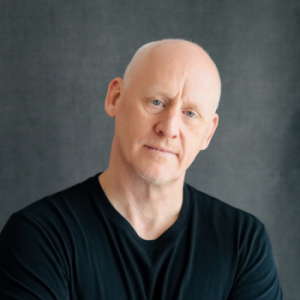
Marissa Nichol
Curious about what happens when you listen to your gut and follow childhood passions? You won't want to miss Marissa Nichol's transformative insights on the newest 10 Lessons Learned episode. Discover how her journey can light your way to personal and professional fulfillment. Join the conversation with Jeffery Wang!

Subscribe with your favourite podcast app. 

About Marissa Nichol

Marissa Nichol is a 27-year-old who grew up in Ohio and moved from New York City to Australia on a working holiday visa. After getting a degree in journalism, starting a career in marketing and producing a podcast “Reconsider Everything: The American History Project” on history education in American schools, she decided to change the course she was on to focus on travel and lifestyle rather than career.

Episode Notes

Lesson 1. Everyone has their own definition of what success looks like
Lesson 2. Listen to your gut with what feels right and wrong
Lesson 3. Go back to what you were drawn to as a child
Lesson 4. You have to take a leap of faith to make connections and be given opportunities
Lesson 5. If you follow your interests, they will lead you to opportunities and money
Lesson 6. Find your people and your hobbies
Lesson 7. Sometimes the internet is your friend
Lesson 8. Lean into your habits that bring you joy
Lesson 9. Get out of your headspace of what is scary
Lesson 10. You have to go through these typical phases of life where you are unhappy to get to a point where you are happy.

Marissa Nichol- Go Back to What You Were Drawn to as a Child.

[00:00:08] Hello and welcome to 10 Lessons Learned where we discern wisdom for career, business, and life. In other words, valuable insights that you can’t find in a textbook because it took us years to learn this stuff.
[00:00:20] Jeffery Wang: My name is Jeffery Wang, the founder of Professional Development Forum and your host today. This podcast is sponsored by the Professional Development Forum, which helps diverse young professionals find fulfillment in the modern workplace, which is why we’re all very excited to be joined by
[00:00:34] Jeffery Wang: Marissa Nichol today, because Marissa is what you could call a digital nomad.
[00:00:40] Jeffery Wang: And at 27 years old, she’s what we’d also define as a young professional that PDF purports to help. So, she’s 27 years old who grew up in Ohio and moved to New York City and then on to Australia on a working holiday visa. After getting a degree in journalism, she started a career in marketing. where she produced a podcast on history education in American schools, which seems like a very niche topic for a podcast.
[00:01:08] Jeffery Wang: last year she, decided to change her course and, focused on traveling and lifestyle rather than a career. Welcome to the show, Marisa. I’ve been looking forward to this interview.
[00:01:19] Marissa Nichol: Yeah, thank you, I’m excited to be here.
[00:01:21] Jeffery Wang: Well, you also take out the title for the very first millennial. in fact, are you a millennial or are you Gen Z? Because 27, I just looked it up, is like right at the cutoff.
[00:01:33] Marissa Nichol: Yeah, I’m definitely a millennial Gen Z cusp,
[00:01:36] Jeffery Wang: Awesome. Well, whichever is the case, you’d be the first. now, the reason I was so excited to interview you for 10 lessons is because I saw a story about your journey to Australia on YouTube, how my life changed since I moved from America to Australia. unfortunately, nowadays I’ve got very short attention spans.
[00:01:56] Jeffery Wang: I, watch something and if it didn’t capture my attention, I’d switch off immediately. But for some reasons your video captivated me, and I watched till the end. And then I realized why, because you are a very talented storyteller.
[00:02:11] Marissa Nichol: you, I really
[00:02:11] Marissa Nichol: appreciate that.
[00:02:13] Jeffery Wang: And that video really resonated a lot with me because, I saw that you had experiences and wisdom way beyond your years.
[00:02:22] Jeffery Wang: the very fact that you’re already over the corporate rat race at this point. 27 is something, I think is quiet, impressive that you already saw through all that. and I was hoping that you would be able to help reach some of our younger listeners, who would definitely be benefiting from your wisdom and hopefully inspire an alternative successful life.
[00:02:43] Marissa Nichol: Mhm.

[00:02:43] Lesson 1: Everyone has their own definition of what success looks like

[00:02:44] Jeffery Wang: So that’s, jump straight into it then. you say for lesson number one, you say, everyone has their own definition of what success look like. What made you, come to that realization?
[00:02:56] Marissa Nichol: Yeah, so, this one I felt like was a bit cliche, but it is something that I’ve heard a lot in my life, and I think is really true, When I was growing up, it was always like, if you love your job, like you’ll never work a day in your life. And success was always tied to career. And then like somewhere along the line, I was like, Success can also be tied to different things like lifestyle or your choice in having a family or not having a family, marriage and not getting married. And it can be tied to money, but it could also be tied to community. I want people to not focus on career so much when it comes to success.
[00:03:31] Jeffery Wang: Yeah. And look, a lot of us fall into that trap, right? I mean, I remember in my younger years, career kind of defines who we are as a person. It was part of our identity and when you’re young, success seems to be exactly that. How do you come to that realization? I mean, how do you know that, ultimately, it’s not your career that defines you?
[00:03:51] Marissa Nichol: Well, because I had started out really from the time I was in high school, through college, through moving to New York, I was so focused on getting a cool job, being really successful in my career. I was like, yeah, I want to someday work for the New York Times, And I think I also got caught off in New York as well with career. Just like having a cool job and meeting cool people. And I think when you’re in a big city like that, you see other people doing it and you really want that. And then I finally got to a stage where I had a really cool job and I was getting those experiences, but then what my job sounded like did not match what I was actually doing every day.
[00:04:29] Marissa Nichol: And then I realized, this doesn’t even matter, was I trying to get a job just so I could sound cool when I told people what my job is? I feel like people have this dream of, oh, I just want to tell people when they ask me what I do that I do something cool. And then it just didn’t even matter to me once I had that.
[00:04:43] Jeffery Wang: Yeah. And that’s something that I think it’s quite impressive that you can sort of come to realize at that age.
[00:04:50] Marissa Nichol: so, so, how did you become sort of, um, how did you get real with yourself? Right? Like, you know, you obviously, you’re like the idea of a really cool job. You’re like the idea of like people, you know, but when you’re actually in it, you obviously felt something that pushed you towards saying, nah, this is actually not what I would regard as success.
[00:05:11] Jeffery Wang: Does that make sense? Yeah.
[00:05:12] Marissa Nichol: yeah, and I think that what I was doing every day wasn’t making me happy, but at a certain point, I had felt what I wanted to feel in my daily life, and that was before COVID when you could travel and have cool experiences, and traveling is really important to me. And then I had friends who had quit their jobs and travelled full time, and I saw that that could actually be done.
[00:05:36] Marissa Nichol: And I used to think that you, it was easier to be able to travel if your job got you there, you know, if you travelled for your job. And so, then I saw my friends just in these other countries, or on the beach, or doing all this fun stuff. And I was like, I want to be doing that. So, I think that was where I was like, okay, I really can make this change.
[00:05:55] Marissa Nichol: Like, I can also be doing that as well.

[00:05:57] Lesson 2: Listen to your gut with what feels right and wrong.


[00:05:57] Jeffery Wang: Well, there you go. Which actually leads to lesson number two, listen to your gut with what feels right and wrong.
[00:06:04] Marissa Nichol: Yes, so I’m a huge advocate of this now because I didn’t always trust my gut because I always was listening to what other people were telling me I should or shouldn’t do, especially when it comes from parents. Of course, they’re looking out for you and they’re like, well, this is the safe route. But like, no one really knows what’s going on in your head or what you need.
[00:06:23] Marissa Nichol: And the perfect example I have of this is like six months before I was going to leave for Australia. I got offered a job to work with talent as in, you know, actors on these shows and go to set and have an exciting job. But most of the job was going to be admin work actually and working from home.
[00:06:41] Marissa Nichol: And everyone was like, you’d be crazy to pass that up. Like I would kill for that job. Like that’s such a great opportunity. It could get you here but it’s not. I was like, I don’t even know if I want to get there anymore. And I just had this gut feeling that I should say no.
[00:06:54] Marissa Nichol: And I was trying to listen to other people and be like, am I just scared? You know, but I really think that our gut really tells us. And then passed on the position. I had never been offered a job before that. I just said no to, and then like three months later, they started doing layoffs in that department. And I was like, see, this is why you have to listen to your gut. I wasn’t sure what was telling me to say no, but obviously I would have ended up with no job in three months.

[00:07:21] Lesson 3: Go back to what you were drawn to as a child.

[00:07:21] Jeffery Wang: There you go. Listen to your gut. All right. lesson number three, go back to what you were drawn to as a child.
[00:07:28] Marissa Nichol: Yeah, so this, came to me when I was living in New York, when you’re in school, you don’t have free time to do hobbies. once I had a job, I had all this free time after, and I started writing again, creatively, and I hadn’t done that since I was, in middle school. I can’t believe this thing that, I wanted to do when I was a kid. I tried to do all these workarounds, with journalism that involves writing. So, me as a college student was like, how can I do my hobby as a career? Of course, turning our passions into career. And that was journalism. And with journalism writing, that wasn’t the same joy that I got from creative writing. That, passion essentially led me to writing the script for the video that you ended up watching. And I think that people are meant to go back to those natural things that you’re drawn to as a kid.
[00:08:19] Marissa Nichol: And like, that’s really, if you just follow that, even if it, you don’t see a straight path for how you can do that in your adult life, if you just do it, it will bring you those opportunities.
[00:08:29] Jeffery Wang: Yeah. And it sounds like you definitely had fun doing it. Okay, so the way I’m trying to sort of conceptualize that is that if you do something that you love as a child, it’s, it’s sort of you being the best version of yourself, like as in you’re putting the best part of yourself out there.
[00:08:45] Jeffery Wang: And then as a result, people will be drawn to that. So, the success will come when you do what you ultimately love. And when you’re such a child, when you’re a child, you don’t, you weren’t influenced by others in the same way that you were as an adult. And that’s why what you love or what you’re drawn to as a child ends up actually being what you’re really, really good at.
[00:09:07] Marissa Nichol: yeah. Because when you’re a kid, you’re not thinking, oh, I can do this 9 to 5 and I can get a paycheck and I can be successful. And of course, you have dreams as a kid of maybe like, Ooh, I could be famous for this or something. But you really are doing it because you enjoy it.
[00:09:18] Marissa Nichol: Yeah.
[00:09:19] Jeffery Wang: And you’re certainly not worried about what everyone else thought of you.
[00:09:23] Marissa Nichol: Yeah.

[00:09:23] Lesson 4: You have to take a leap of faith to make connections and be given opportunities.

[00:09:23] Jeffery Wang: So, there’s, a lot of wisdom in that. Lesson number four, you have to take a leap of faith to make connections and be given opportunities.
[00:09:32] Marissa Nichol: Yeah. So that kind of, I think, ties into, the second and third lesson, you know, you really just have to go for the next opportunity that’s in front of you. And I found this when I moved to New York, I didn’t actually have a job lined up. I didn’t know my roommates. I luckily got a job right, when I got there and so that was great and everything, but I wouldn’t have gotten that job, if I didn’t already sign a lease.
[00:09:58] Marissa Nichol: And so, I think like people want to see how everything mapped out. and I think I had known that from a young age because I had parents who did that, you know, they’re kind of like. Oh, you can move, and you can figure it out. So, I hope that this is making sense. Cause I feel like now I’m rambling on with it, but you, same thing with Australia.
[00:10:17] Marissa Nichol: I never would have known who I was going to meet, even getting back into working in hospitality. I hated working in hospitality and I found that I love it. And so, you just have to, I think, put yourself in a place and let the universe reward you once you’re there, because something’s going to happen once you get there and you’re not going to know until you put yourself in that situation.
[00:10:39] Marissa Nichol: I think this sort of reminds me of the old saying, you know, life has a funny way of just working itself out. So, it’s a similar sort of idea, but I think a lot of that comes down to, you know, the opportunity is probably always there, but You kind of have to be open to it, right? So, when you take a leap of faith, you’re essentially saying, you know, hey, kind of find me.
[00:10:58] Jeffery Wang: I am open. So, yeah, look, I think there’s a lot of wisdom in that. And the reality is that most of us don’t do enough of that. So, but it takes a bit of courage to take that leap of faith and, yeah, I’m glad you did.

[00:11:09] Lesson 5: If you follow your interests, they will lead you to opportunities and money.

[00:11:09] Jeffery Wang: Yep. Lesson number five, if you follow your interests, they’ll lead you to opportunities and money.
[00:11:16] Marissa Nichol: Yes. So again, I think this all kind of ties in together of like what we were just talking about, but I think like YouTube is a perfect example of this. So, when I made my YouTube, I actually did not have any intention of making ad money, having other people watch it. I genuinely set that up as something for my family to watch at home and was making videos again, Just out of passion and interest and I’ve always loved doing stuff with video and audio as hobbies and again writing and it was just a sort of a way for me to work on something and have a constant thing to work on in this, you know, new place and in my free time and basically when I didn’t know anybody when I first moved. And also, to just share it with my family so they knew what was going on, so I didn’t have to call everybody one by one and tell them and have them ask questions and all this stuff. And then people just started watching the videos and then I got into the ad creator program and now I’m making money off of these videos that I did purely out of interest and passion. And so, I never could have planned that out. I think there’s people who try to do that but if it’s not authentic and also if you’re not truly interested in it, it’s not going to last.
[00:12:31] Jeffery Wang: But I was trying to do it in a way that is like set up as a business or what I think people would like. And so of course I lost interest every single time. So, I think that those real opportunities come when you least expect them because it is authentic. Oh, a hundred percent. and I think that explains why I was drawn to your video more than, you know, I suppose others. and you’re absolutely right. people tend to get drawn to these authentic, moments and great to hear that you’re actually able to make money from, what is effective in your interest.
[00:13:02] Jeffery Wang: Quite frankly, you’re probably very good at it because you are interested, because you are passionate about it. and perhaps that’s something that, we should be all doing more, in our lives. okay, moving on.

[00:13:14] Lesson 6: Find your people and your hobbies.

[00:13:14] Marissa Nichol: Lesson number six, find your people and your hobbies. Find your people. What do you mean by your people?
[00:13:19] Marissa Nichol: So, I feel like, again, when you’re in certain environments, you’re around certain types of people and sometimes you’re in a place where you may not like anybody or not even like anybody but just not feel like they’re your people. So, I think like in college I was always around people where maybe I didn’t really feel like I was 100 percent present with them and they were great, but it just was like, I didn’t really feel like they were my people.
[00:13:43] Marissa Nichol: I don’t know how else to say that, really. and I think once I was able to create my own life after school, because of course I was in school to get a degree, so I wasn’t necessarily, you know, choosing my environment. And then when I got to New York, I was with like-minded people. And I just feel like that progressed my life and my interests and success and just my happiness every day so much. and I think it’s just really important because I think people, that’s what keeps you going. And if you know you’re in the right place and you feel like You have this kind of mutual connection and you have that support that really can do a lot for you. And I think my last year in New York, a lot of my friends had moved away.
[00:14:26] Marissa Nichol: I think like my true core friends who I love to hang out with every day, they were gone. And so, I think that’s part of why I felt a bit of emptiness and it’s hard when you live somewhere and it’s a place where people come and go because that can happen a lot. So that’s where I was like, where’s the next place I’m going to go is somewhere where there’s a bunch of people who want to travel full time. And I have met so many people who I feel like are like minded and that encourage me to do the things that I’m talking about on this podcast versus ask me if that’s the right choice that I’m making because they just get it.
[00:15:00] Jeffery Wang: Hmm. That’s very intriguing. I’ve got two massive questions that came out of that. So first one, it sounds like what you’re defining as your people are people who sort of share your same, I suppose, interest, values, worldviews, you know, people who basically that you feel like are Like minded, I think, as you describe it, so that’s, that’s very interesting because it’s not just an age, it’s, you know, when you’re saying like-minded, it’s not just an age thing or, you know, or even a cultural thing, it’s people who shares, I suppose, your passions, your, Likes and beliefs, right?
[00:15:36] Jeffery Wang: But then how do you find them? You know, and I’ll relate that back to the fact that you lived in a big city like New York. Here’s a big transitory population. People come in and out. So, you always have to make friends very, very fast. And that’s not always easy, is it?
[00:15:51] Marissa Nichol: Yeah. And I think when you’re in a new place, you obviously don’t want to be alone. And so, you know, when I first moved to New York, I had joined like meetup groups and was meeting people all the time, but then I would never see them again. And that was really hard. Or, you know, I would hang out with people that I wouldn’t fully be enjoying my time. And then just over time by doing things that I liked. that obviously attracted me to people doing the same things, I mean, I’m a firm believer that those people just come into your life and then you just, like, I feel like I know right off the bat when it’s somebody who I want to know for a long time. I also had to teach myself when, I’d say like two years after college, I had a friend from school who did the same study abroad thing. We had this great connection. And then after the study abroad trip, we kind of lost touch a bit, like we were still friends, but I didn’t put in the effort to actually spend time with them. And then he ended up passing away. And that taught me a huge life lesson because I, had that realization of I’ll never be able to talk to this person again. I can never get back that time. I always thought, oh, we’ll meet again one day. Maybe we’ll live in the same city. From that point, I had started reaching out to people who I knew I had some sort of connection with, I’ve had friendships really grow from that, and again, have given me a support system to do things like I never would have thought.
[00:17:14] Marissa Nichol: I think it pushed me out of that comfort zone of instead of waiting for people to come to you, you can be the person to do that. I think I was always afraid of, oh, they think I’m weird if I’m wanting to hang out with them or just things like that.
[00:17:27] Marissa Nichol: you just kind of have to go with, chances are that person’s going to be thinking the same thing.
[00:17:31] Jeffery Wang: Oh, 100%. And I think by being more proactive with the way you go about your relationships, you do find a much more fulfilling, you do develop much more fulfilling relationships in your life because you’re not sort of waiting for it to happen.

[00:17:46] Lesson 7: Sometimes the internet is your friend.

[00:17:46] Jeffery Wang: Which, it’s very interesting because lesson number seven, it cracks me up.
[00:17:50] Jeffery Wang: Sometimes the internet is your friend. So, when is it your friend and when is it not?
[00:17:55] Marissa Nichol: So, I, this is probably an answer you’re getting because I’m millennial Gen Z cusp, but I grew up what you would call chronically online, and when you grow up in Ohio, and you’re not around like minded people, You get that like mindedness from the internet. So, a lot of people were heavily on Tumblr or Myspace or YouTube. And YouTube is how I found certain artists that I like that weren’t on the radio, that were playing in Ohio. And so, I really looked to the internet to find people who I wanted to be like when I was older because I just wasn’t going to see that in person and even now as an adult, you know, I have friends that I’ve met through Instagram who I’ve never met in real life, but who I go to for advice about things and You know, I think the internet is amazing when it comes to you not feeling like you have that community that you can find it.
[00:18:48] Marissa Nichol: And I think it makes you feel less lonely. And again, the internet is what showed me how I could move to Australia. I mean, I had known someone who had done the working holiday visa, but I would have never known where to start as far as what city I wanted to move to or how much money you make when you’re there and all this stuff. And again, I get that from the internet. Where it can go wrong is obviously if you’re getting maybe too addicted to your phone, if you’re living maybe too much on your phone than in, the present moment, or like on my YouTube, I get a lot of hate comments and I genuinely don’t care, but I could see how that really affect people because some people are really mean. you know, I think that’s all the obvious bad things about the internet. And of course, then you find things that aren’t true, and you have to, I think media literacy is really important and something that I talked about on the podcast that I did. But again, I think that there’s such a bad rap when it comes to social media and the internet, but it actually also gives you a lot if you know how to use it.
[00:19:50] Jeffery Wang: Yeah. It’s like a drug, right? Like if you use it properly, it could enhance your life, but if you abuse it, it could always, go the wrong way. and so, you know, I think internet, it’s like anything you’ve just got to learn how to live with it and grapple with it. but something you said actually triggered a bit of thought in me.
[00:20:08] Jeffery Wang: it’s like, if you think about the olden days where there is no internet, You know, sometimes you have to read a book to find someone that you truly, share the worldview with, and this person that wrote the book may be dead for hundreds of years already, whereas now we live in truly fascinating times that you can do this, in real time across the world and, you know, maybe meet people that shares that view and, you know, could be halfway around the world.
[00:20:32] Jeffery Wang: So, we truly do live in amazing, Incredible times.

[00:20:35] Lesson 8: Lean into your habits that bring you joy.

[00:20:35] Marissa Nichol: Uh, lesson number eight, lean into your habits that brings you joy. Yeah. So, this goes into the last one, obviously, because again, well, I mean, we already talked about how obviously like there’s habits as far as Your passions, maybe. But for me, my habit, again, was being online. And I find a lot of joy in, like, meme culture and niche things that, again, my friends have no idea what I’m talking about, but someone on the internet knows what I’m talking about.
[00:21:07] Marissa Nichol: That genuinely brings me joy. You can’t go to college, and you can take a social media class and learn how to be a social media manager But they’re not going to teach you how to have a certain sense of humor or have an interest in a TV show That’s just something that was natural to me. My normal daily life habits is what got me a job in doing social media for tv shows and movies so I think that now in this day and age there are you know going back to career because obviously like the job that I left Is something that is someone’s dream and I also think it’s amazing.
[00:21:39] Marissa Nichol: And just say like, because those are interests and habits that people have, there is a job for that. So, because there are people online spreading memes and everything, if that’s your interest, you can be the person creating that stuff for people. And so, I think with that job and having a marketing job with people 30 years and under, like my director was 33. I was actually being rewarded for having a certain personality and a certain interest and a certain habit on social media that is maybe looked at as bad. So, I do think that there is a place for everyone when it comes to certain careers.

[00:22:15] Lesson 9: Get out of your headspace of what is scary.

[00:22:15] that’s right. Each to their own. Lesson number nine. Get out of your headspace of what is scary.
[00:22:23] Marissa Nichol: Yes. So, my mom might not like this when I say, but I grew up with a mom who’s very protective when it comes to, you know, when I was first traveling, she was like, be careful, be careful, be careful. Of course, she’s going to say that, right? Like, there’s all these bad things that I read that can happen to you and all this stuff. So, of course, I go into situations thinking of every possible bad thing that could happen, and so, I think in my adult life, there’s a lot of things that Especially, like, Australia is a perfect example.
[00:22:53] Marissa Nichol: So, you know, I have this huge fear of the water. I have this huge fear of just anything dangerous, like with road tripping. Of course, my parents are like, and it is a serious thing you should, you know, watch out for, but they’re like, you could get kidnapped. Your car could break down, all this stuff. But the friend I’m traveling with doesn’t have a fear of water.
[00:23:11] Marissa Nichol: And even when I got here, people in Australia are raised way different.
[00:23:14] Marissa Nichol: So just seeing, I’m like, okay, we’re both here. And just because I’m scared doesn’t mean that something’s going to happen because I’m with these people who were raised doing this. And again, this is what happens, I think, when you get out of your bubble. Like maybe a couple months into living in Australia, I hadn’t swum in the ocean for the first time in years. Like I hadn’t been really in the ocean swimming since like seventh grade. So, I think you just have to maybe rewire your brain of what’s actually scary. And obviously you might not be comfortable with something and obviously you should be aware of real dangers. But I think that, you have to kind of, you know, not maybe look at statistics so much and think like, okay, what is in front of me? Like, what, what is the situation? Do people do this every day?
[00:24:02] Marissa Nichol: You know, you have to put everything into context. Um, so yeah, I think you just kind of have to reevaluate maybe what you were, the way your brain was wired growing up. And then clearly, I’m passionate about that topic because that was a big ramble.
[00:24:15] Marissa Nichol: yeah. So, so what’s interesting to me is that I see a lot of what we call helicopter parents and, you know, Parents that sort of, yeah, you’re trying to protect your kids, but, you know, ultimately what you’re doing is you’re actually sort of preventing them from life experiences that you spoke about, you know, because they’re scared.
[00:24:32] Jeffery Wang: How do you overcome that fear, um, you know, that, that, that you’ve been raised with? So, you’re, you’re saying that you were raised with that fear, whereas your, your next-door neighbor didn’t, you know, raise their kids with that fear.
[00:24:44] Jeffery Wang: How did you overcome it?
[00:24:46] Marissa Nichol: Again, I think having other people as an example really helped me. So just like I had parents who taught me one way, as I got older, I gained friends who taught me another way. And I think it’s seeing like the outcome of other people’s choices that teaches you what your outcome would be. And so. I see people doing this really cool, fun experience and swimming in the ocean.
[00:25:11] Marissa Nichol: And I mean, I was in a situation where I was on a boat and then there was a wallaby, which is, I’m sure everyone listening to your podcast knows what that is, but like at home, people don’t know that’s like a
[00:25:20] Jeffery Wang: That’s a small kangaroo.
[00:25:21] Marissa Nichol: Yeah. There was water in between me and the wallaby. And I was like, well, am I going to, you know, just sit back and everyone else is going to go swim and see this wallaby. Or I’m not? And I was like, no, everyone else is doing it. And I know it’s not like, okay, if someone jumps off a cliff, would you jump off too? Like, but you know, I was like, I want to see this wallaby. And so, I think when you’re in those situations of where you see what the outcome is, I think that helps a lot.
[00:25:45] Marissa Nichol: And as always, I think seeing what other people are doing helps.

[00:25:48] Lesson 10: You have to go through these typical phases of life where you are unhappy to get to a point where you are happy.

[00:25:48] Jeffery Wang: well, that brings me to the last lesson. Lesson number 10. You have to go through these typical phases of life where you are unhappy to get to a point where you are happy.
[00:26:01] Marissa Nichol: yeah. So with this, I think that the most simple way I can explain the way I look at this is, You know, if you’ve had a friend who’s in a relationship that you think they shouldn’t be in but they’re not listening to you and then they have to feel the, you know, effects of that to get out of the relationship. So that’s kind of how I look at life experiences because there’s all this advice and I think it’s great to follow life advice and everything and what everybody talks about on your podcast, of course, but I also think you have to kind of go through things that you don’t like to understand that you don’t like that.
[00:26:37] Marissa Nichol: And even just within this year of living in different places, working different jobs, I was never going to know if I was going to enjoy that or not, unless I actually did it. And so, I think that people and myself, maybe I’ve always felt like I don’t want to be doing the wrong thing, or I don’t want to be wasting time. And everyone always talks about how your twenties are for making mistakes. And I think that’s so true because You’re just not going to get it right, but that is part of life. And so I think you have to accept that you’re going to be in a period where maybe things are going wrong, but you would have never had those realizations from it if you didn’t actually go through that, because you can’t get the answers from everybody else because everybody is so different.
[00:27:20] Jeffery Wang: And, and you’re absolutely right. Without making those mistakes, how would you know what the right things are? Sometimes you have to go through the tough times to know what happy is. yeah, so, uh, absolute, yeah, that’s, that’s a gem. I love that one.
[00:27:34] Jeffery Wang: So, um, I like to throw you a of a curve ball.
[00:27:37] Jeffery Wang: We throw all our guests. and that, that is, I’m going to ask you, what have you unlearned? Right. So, something that you believed absolutely to be true in your 20s when you’re starting out, but later just learned that it’s just not the case.
[00:27:51] Marissa Nichol: Oh gosh, okay, this is a hard one. I might have to think for like a second. Um, and I know I, I may had known that this was coming at some point, but I forgot what I was going to say. Let’s see, something I have unlearned. You know what, actually, a huge, I don’t know if this is really what you’re looking for but something I really have unlearned is how I control my emotions and I think this has helped me in workplaces especially, um, because I think I, and of course this always has to do with, you know, How you grow up, your coping, maybe your, how people in your family cope and everything, but I think with in work situations, I’ll use an example. I would be quick to just get angry maybe, or especially as like a snippy little young, you know, 23-year-old out of school, just being frustrated and being mad that people are acting how they’re acting and I think obviously through therapy and also life experiences and meeting different people. I think I have more empathy and looking at the way people are and that there’s a reason behind everything and also not taking things so personal.
[00:29:07] Marissa Nichol: I think that when you are younger, you take things so personal, and I see it now working in hospitality as someone who’s 27 and then someone in their early 20s coming in. Who just take things so personal. And of course, you know, they’re going to cause they’re young, but I think that you have to unlearn how you deal with your emotions because that’s going to be an automatic thing.
[00:29:30] Marissa Nichol: And I think that can help you in any situation. It can help you in your career. It can help you in your personal life and really put things into perspective. And also, I just think knowing that not everything is about you,
[00:29:43] Marissa Nichol: you know, some,
[00:29:45] Marissa Nichol: sometimes things are about other people. And I think. That’s something that every young person can unlearn.
[00:29:50] Marissa Nichol: I think when, especially young people, you know, I went through it, see people go through it. I have younger siblings. When you gain knowledge, you think that you know everything, right? And when you’re in college, you think like, oh, I know all this stuff and you don’t realize that maybe your parents also were your age once and also learned things and actually know more than you. So, I think it also just kind of relates to that as well. So that maybe, that’s like a two-part answer. But
[00:30:12] Jeffery Wang: I love it.
[00:30:13] Marissa Nichol: But I think just learning how to deal with your emotions really,
[00:30:16] Jeffery Wang: I love it. Um, the reason I’m smiling is because, um, believe it or not, I’ve actually done one of these episodes myself. And my own lesson number one was nobody’s thinking about you.
[00:30:26] Marissa Nichol: Yeah.
[00:30:26] Jeffery Wang: It’s basically your lesson. Yeah. love it. This is probably why I loved your video, yeah. I think we have the same worldview.
[00:30:34] Jeffery Wang: um, thank you so much for coming on to the show. Um, and we’ll finish on that note.
[00:30:39] Marissa Nichol: Yeah. Awesome.
[00:30:40] Jeffery Wang: Yeah, it’s been an absolute pleasure to have you and to have your perspective. I must say it’s very refreshing for us to hear from someone so young, and yet you’ve got so much to offer, and you have such a rich life experience in that very short time.
[00:30:55] Jeffery Wang: And I know you’ll continue to have so. So, you know, hopefully in a couple of years, you’ll have 10 more lessons for us.
[00:31:01] Marissa Nichol: Yeah, definitely. Well, thank you so much for having me. I really enjoyed it. Yeah.
[00:31:05] Jeffery Wang: Thank you, and um, you’ve been listening to the podcast, 10 Lessons Learned, the podcast that makes the world a little wiser, lesson by lesson. We’re joined today by our special guest, Marisa Nicol. thanks to our 10 Lessons team that make our show possible.
[00:31:19] Jeffery Wang: Our episode editor. Cody Comeau, Marketing and Social Media Manager, Yi Wang, and our producer, Robert Hossary, supported as always by the Professional Development Forum. Please don’t forget to leave us a review or comment. You can email us at podcast@10lessonslearned.com.
[00:31:35] Jeffery Wang: Go ahead and hit that subscribe button so that you don’t miss an episode of the only podcast that makes the world a little wiser, lesson by lesson. Thanks for tuning in and stay safe, everyone.

Thanks to our 10 Lessons team that make our show possible: Our Episode Editor Codie Comeau, Marketing and social media managed by Yi Wang, and our Producer Robert Hossary. Sponsored as always by Professional Development Forum. You can find the www.professionaldevelopmentforum.org.

You’ve heard from us we’d like to hear from you. Email us it’s podcast@10lessonslearned.com.

Remember, this is the podcast the only podcast. That’s makes the world wiser lesson by lesson.
Marissa Nichol

Marissa Nichol – Finding Success Beyond the Rat Race

Curious about what happens when you listen to your gut and follow childhood passions? You won't want to miss Marissa Nichol's transformative insights on the newest 10 Lessons Learned episode. Discover how her journey can light your way to personal and professional fulfillment. Join the conversation with Jeffery Wang!

About Marissa Nichol

Marissa Nichol is a 27-year-old who grew up in Ohio and moved from New York City to Australia on a working holiday visa. After getting a degree in journalism, starting a career in marketing and producing a podcast “Reconsider Everything: The American History Project” on history education in American schools, she decided to change the course she was on to focus on travel and lifestyle rather than career.

Episode Notes

Lesson 1. Everyone has their own definition of what success looks like
Lesson 2. Listen to your gut with what feels right and wrong
Lesson 3. Go back to what you were drawn to as a child
Lesson 4. You have to take a leap of faith to make connections and be given opportunities
Lesson 5. If you follow your interests, they will lead you to opportunities and money
Lesson 6. Find your people and your hobbies
Lesson 7. Sometimes the internet is your friend
Lesson 8. Lean into your habits that bring you joy
Lesson 9. Get out of your headspace of what is scary
Lesson 10. You have to go through these typical phases of life where you are unhappy to get to a point where you are happy.

Marissa Nichol- Go Back to What You Were Drawn to as a Child.

[00:00:08] Hello and welcome to 10 Lessons Learned where we discern wisdom for career, business, and life. In other words, valuable insights that you can’t find in a textbook because it took us years to learn this stuff.
[00:00:20] Jeffery Wang: My name is Jeffery Wang, the founder of Professional Development Forum and your host today. This podcast is sponsored by the Professional Development Forum, which helps diverse young professionals find fulfillment in the modern workplace, which is why we’re all very excited to be joined by
[00:00:34] Jeffery Wang: Marissa Nichol today, because Marissa is what you could call a digital nomad.
[00:00:40] Jeffery Wang: And at 27 years old, she’s what we’d also define as a young professional that PDF purports to help. So, she’s 27 years old who grew up in Ohio and moved to New York City and then on to Australia on a working holiday visa. After getting a degree in journalism, she started a career in marketing. where she produced a podcast on history education in American schools, which seems like a very niche topic for a podcast.
[00:01:08] Jeffery Wang: last year she, decided to change her course and, focused on traveling and lifestyle rather than a career. Welcome to the show, Marisa. I’ve been looking forward to this interview.
[00:01:19] Marissa Nichol: Yeah, thank you, I’m excited to be here.
[00:01:21] Jeffery Wang: Well, you also take out the title for the very first millennial. in fact, are you a millennial or are you Gen Z? Because 27, I just looked it up, is like right at the cutoff.
[00:01:33] Marissa Nichol: Yeah, I’m definitely a millennial Gen Z cusp,
[00:01:36] Jeffery Wang: Awesome. Well, whichever is the case, you’d be the first. now, the reason I was so excited to interview you for 10 lessons is because I saw a story about your journey to Australia on YouTube, how my life changed since I moved from America to Australia. unfortunately, nowadays I’ve got very short attention spans.
[00:01:56] Jeffery Wang: I, watch something and if it didn’t capture my attention, I’d switch off immediately. But for some reasons your video captivated me, and I watched till the end. And then I realized why, because you are a very talented storyteller.
[00:02:11] Marissa Nichol: you, I really
[00:02:11] Marissa Nichol: appreciate that.
[00:02:13] Jeffery Wang: And that video really resonated a lot with me because, I saw that you had experiences and wisdom way beyond your years.
[00:02:22] Jeffery Wang: the very fact that you’re already over the corporate rat race at this point. 27 is something, I think is quiet, impressive that you already saw through all that. and I was hoping that you would be able to help reach some of our younger listeners, who would definitely be benefiting from your wisdom and hopefully inspire an alternative successful life.
[00:02:43] Marissa Nichol: Mhm.

[00:02:43] Lesson 1: Everyone has their own definition of what success looks like

[00:02:44] Jeffery Wang: So that’s, jump straight into it then. you say for lesson number one, you say, everyone has their own definition of what success look like. What made you, come to that realization?
[00:02:56] Marissa Nichol: Yeah, so, this one I felt like was a bit cliche, but it is something that I’ve heard a lot in my life, and I think is really true, When I was growing up, it was always like, if you love your job, like you’ll never work a day in your life. And success was always tied to career. And then like somewhere along the line, I was like, Success can also be tied to different things like lifestyle or your choice in having a family or not having a family, marriage and not getting married. And it can be tied to money, but it could also be tied to community. I want people to not focus on career so much when it comes to success.
[00:03:31] Jeffery Wang: Yeah. And look, a lot of us fall into that trap, right? I mean, I remember in my younger years, career kind of defines who we are as a person. It was part of our identity and when you’re young, success seems to be exactly that. How do you come to that realization? I mean, how do you know that, ultimately, it’s not your career that defines you?
[00:03:51] Marissa Nichol: Well, because I had started out really from the time I was in high school, through college, through moving to New York, I was so focused on getting a cool job, being really successful in my career. I was like, yeah, I want to someday work for the New York Times, And I think I also got caught off in New York as well with career. Just like having a cool job and meeting cool people. And I think when you’re in a big city like that, you see other people doing it and you really want that. And then I finally got to a stage where I had a really cool job and I was getting those experiences, but then what my job sounded like did not match what I was actually doing every day.
[00:04:29] Marissa Nichol: And then I realized, this doesn’t even matter, was I trying to get a job just so I could sound cool when I told people what my job is? I feel like people have this dream of, oh, I just want to tell people when they ask me what I do that I do something cool. And then it just didn’t even matter to me once I had that.
[00:04:43] Jeffery Wang: Yeah. And that’s something that I think it’s quite impressive that you can sort of come to realize at that age.
[00:04:50] Marissa Nichol: so, so, how did you become sort of, um, how did you get real with yourself? Right? Like, you know, you obviously, you’re like the idea of a really cool job. You’re like the idea of like people, you know, but when you’re actually in it, you obviously felt something that pushed you towards saying, nah, this is actually not what I would regard as success.
[00:05:11] Jeffery Wang: Does that make sense? Yeah.
[00:05:12] Marissa Nichol: yeah, and I think that what I was doing every day wasn’t making me happy, but at a certain point, I had felt what I wanted to feel in my daily life, and that was before COVID when you could travel and have cool experiences, and traveling is really important to me. And then I had friends who had quit their jobs and travelled full time, and I saw that that could actually be done.
[00:05:36] Marissa Nichol: And I used to think that you, it was easier to be able to travel if your job got you there, you know, if you travelled for your job. And so, then I saw my friends just in these other countries, or on the beach, or doing all this fun stuff. And I was like, I want to be doing that. So, I think that was where I was like, okay, I really can make this change.
[00:05:55] Marissa Nichol: Like, I can also be doing that as well.

[00:05:57] Lesson 2: Listen to your gut with what feels right and wrong.


[00:05:57] Jeffery Wang: Well, there you go. Which actually leads to lesson number two, listen to your gut with what feels right and wrong.
[00:06:04] Marissa Nichol: Yes, so I’m a huge advocate of this now because I didn’t always trust my gut because I always was listening to what other people were telling me I should or shouldn’t do, especially when it comes from parents. Of course, they’re looking out for you and they’re like, well, this is the safe route. But like, no one really knows what’s going on in your head or what you need.
[00:06:23] Marissa Nichol: And the perfect example I have of this is like six months before I was going to leave for Australia. I got offered a job to work with talent as in, you know, actors on these shows and go to set and have an exciting job. But most of the job was going to be admin work actually and working from home.
[00:06:41] Marissa Nichol: And everyone was like, you’d be crazy to pass that up. Like I would kill for that job. Like that’s such a great opportunity. It could get you here but it’s not. I was like, I don’t even know if I want to get there anymore. And I just had this gut feeling that I should say no.
[00:06:54] Marissa Nichol: And I was trying to listen to other people and be like, am I just scared? You know, but I really think that our gut really tells us. And then passed on the position. I had never been offered a job before that. I just said no to, and then like three months later, they started doing layoffs in that department. And I was like, see, this is why you have to listen to your gut. I wasn’t sure what was telling me to say no, but obviously I would have ended up with no job in three months.

[00:07:21] Lesson 3: Go back to what you were drawn to as a child.

[00:07:21] Jeffery Wang: There you go. Listen to your gut. All right. lesson number three, go back to what you were drawn to as a child.
[00:07:28] Marissa Nichol: Yeah, so this, came to me when I was living in New York, when you’re in school, you don’t have free time to do hobbies. once I had a job, I had all this free time after, and I started writing again, creatively, and I hadn’t done that since I was, in middle school. I can’t believe this thing that, I wanted to do when I was a kid. I tried to do all these workarounds, with journalism that involves writing. So, me as a college student was like, how can I do my hobby as a career? Of course, turning our passions into career. And that was journalism. And with journalism writing, that wasn’t the same joy that I got from creative writing. That, passion essentially led me to writing the script for the video that you ended up watching. And I think that people are meant to go back to those natural things that you’re drawn to as a kid.
[00:08:19] Marissa Nichol: And like, that’s really, if you just follow that, even if it, you don’t see a straight path for how you can do that in your adult life, if you just do it, it will bring you those opportunities.
[00:08:29] Jeffery Wang: Yeah. And it sounds like you definitely had fun doing it. Okay, so the way I’m trying to sort of conceptualize that is that if you do something that you love as a child, it’s, it’s sort of you being the best version of yourself, like as in you’re putting the best part of yourself out there.
[00:08:45] Jeffery Wang: And then as a result, people will be drawn to that. So, the success will come when you do what you ultimately love. And when you’re such a child, when you’re a child, you don’t, you weren’t influenced by others in the same way that you were as an adult. And that’s why what you love or what you’re drawn to as a child ends up actually being what you’re really, really good at.
[00:09:07] Marissa Nichol: yeah. Because when you’re a kid, you’re not thinking, oh, I can do this 9 to 5 and I can get a paycheck and I can be successful. And of course, you have dreams as a kid of maybe like, Ooh, I could be famous for this or something. But you really are doing it because you enjoy it.
[00:09:18] Marissa Nichol: Yeah.
[00:09:19] Jeffery Wang: And you’re certainly not worried about what everyone else thought of you.
[00:09:23] Marissa Nichol: Yeah.

[00:09:23] Lesson 4: You have to take a leap of faith to make connections and be given opportunities.

[00:09:23] Jeffery Wang: So, there’s, a lot of wisdom in that. Lesson number four, you have to take a leap of faith to make connections and be given opportunities.
[00:09:32] Marissa Nichol: Yeah. So that kind of, I think, ties into, the second and third lesson, you know, you really just have to go for the next opportunity that’s in front of you. And I found this when I moved to New York, I didn’t actually have a job lined up. I didn’t know my roommates. I luckily got a job right, when I got there and so that was great and everything, but I wouldn’t have gotten that job, if I didn’t already sign a lease.
[00:09:58] Marissa Nichol: And so, I think like people want to see how everything mapped out. and I think I had known that from a young age because I had parents who did that, you know, they’re kind of like. Oh, you can move, and you can figure it out. So, I hope that this is making sense. Cause I feel like now I’m rambling on with it, but you, same thing with Australia.
[00:10:17] Marissa Nichol: I never would have known who I was going to meet, even getting back into working in hospitality. I hated working in hospitality and I found that I love it. And so, you just have to, I think, put yourself in a place and let the universe reward you once you’re there, because something’s going to happen once you get there and you’re not going to know until you put yourself in that situation.
[00:10:39] Marissa Nichol: I think this sort of reminds me of the old saying, you know, life has a funny way of just working itself out. So, it’s a similar sort of idea, but I think a lot of that comes down to, you know, the opportunity is probably always there, but You kind of have to be open to it, right? So, when you take a leap of faith, you’re essentially saying, you know, hey, kind of find me.
[00:10:58] Jeffery Wang: I am open. So, yeah, look, I think there’s a lot of wisdom in that. And the reality is that most of us don’t do enough of that. So, but it takes a bit of courage to take that leap of faith and, yeah, I’m glad you did.

[00:11:09] Lesson 5: If you follow your interests, they will lead you to opportunities and money.

[00:11:09] Jeffery Wang: Yep. Lesson number five, if you follow your interests, they’ll lead you to opportunities and money.
[00:11:16] Marissa Nichol: Yes. So again, I think this all kind of ties in together of like what we were just talking about, but I think like YouTube is a perfect example of this. So, when I made my YouTube, I actually did not have any intention of making ad money, having other people watch it. I genuinely set that up as something for my family to watch at home and was making videos again, Just out of passion and interest and I’ve always loved doing stuff with video and audio as hobbies and again writing and it was just a sort of a way for me to work on something and have a constant thing to work on in this, you know, new place and in my free time and basically when I didn’t know anybody when I first moved. And also, to just share it with my family so they knew what was going on, so I didn’t have to call everybody one by one and tell them and have them ask questions and all this stuff. And then people just started watching the videos and then I got into the ad creator program and now I’m making money off of these videos that I did purely out of interest and passion. And so, I never could have planned that out. I think there’s people who try to do that but if it’s not authentic and also if you’re not truly interested in it, it’s not going to last.
[00:12:31] Jeffery Wang: But I was trying to do it in a way that is like set up as a business or what I think people would like. And so of course I lost interest every single time. So, I think that those real opportunities come when you least expect them because it is authentic. Oh, a hundred percent. and I think that explains why I was drawn to your video more than, you know, I suppose others. and you’re absolutely right. people tend to get drawn to these authentic, moments and great to hear that you’re actually able to make money from, what is effective in your interest.
[00:13:02] Jeffery Wang: Quite frankly, you’re probably very good at it because you are interested, because you are passionate about it. and perhaps that’s something that, we should be all doing more, in our lives. okay, moving on.

[00:13:14] Lesson 6: Find your people and your hobbies.

[00:13:14] Marissa Nichol: Lesson number six, find your people and your hobbies. Find your people. What do you mean by your people?
[00:13:19] Marissa Nichol: So, I feel like, again, when you’re in certain environments, you’re around certain types of people and sometimes you’re in a place where you may not like anybody or not even like anybody but just not feel like they’re your people. So, I think like in college I was always around people where maybe I didn’t really feel like I was 100 percent present with them and they were great, but it just was like, I didn’t really feel like they were my people.
[00:13:43] Marissa Nichol: I don’t know how else to say that, really. and I think once I was able to create my own life after school, because of course I was in school to get a degree, so I wasn’t necessarily, you know, choosing my environment. And then when I got to New York, I was with like-minded people. And I just feel like that progressed my life and my interests and success and just my happiness every day so much. and I think it’s just really important because I think people, that’s what keeps you going. And if you know you’re in the right place and you feel like You have this kind of mutual connection and you have that support that really can do a lot for you. And I think my last year in New York, a lot of my friends had moved away.
[00:14:26] Marissa Nichol: I think like my true core friends who I love to hang out with every day, they were gone. And so, I think that’s part of why I felt a bit of emptiness and it’s hard when you live somewhere and it’s a place where people come and go because that can happen a lot. So that’s where I was like, where’s the next place I’m going to go is somewhere where there’s a bunch of people who want to travel full time. And I have met so many people who I feel like are like minded and that encourage me to do the things that I’m talking about on this podcast versus ask me if that’s the right choice that I’m making because they just get it.
[00:15:00] Jeffery Wang: Hmm. That’s very intriguing. I’ve got two massive questions that came out of that. So first one, it sounds like what you’re defining as your people are people who sort of share your same, I suppose, interest, values, worldviews, you know, people who basically that you feel like are Like minded, I think, as you describe it, so that’s, that’s very interesting because it’s not just an age, it’s, you know, when you’re saying like-minded, it’s not just an age thing or, you know, or even a cultural thing, it’s people who shares, I suppose, your passions, your, Likes and beliefs, right?
[00:15:36] Jeffery Wang: But then how do you find them? You know, and I’ll relate that back to the fact that you lived in a big city like New York. Here’s a big transitory population. People come in and out. So, you always have to make friends very, very fast. And that’s not always easy, is it?
[00:15:51] Marissa Nichol: Yeah. And I think when you’re in a new place, you obviously don’t want to be alone. And so, you know, when I first moved to New York, I had joined like meetup groups and was meeting people all the time, but then I would never see them again. And that was really hard. Or, you know, I would hang out with people that I wouldn’t fully be enjoying my time. And then just over time by doing things that I liked. that obviously attracted me to people doing the same things, I mean, I’m a firm believer that those people just come into your life and then you just, like, I feel like I know right off the bat when it’s somebody who I want to know for a long time. I also had to teach myself when, I’d say like two years after college, I had a friend from school who did the same study abroad thing. We had this great connection. And then after the study abroad trip, we kind of lost touch a bit, like we were still friends, but I didn’t put in the effort to actually spend time with them. And then he ended up passing away. And that taught me a huge life lesson because I, had that realization of I’ll never be able to talk to this person again. I can never get back that time. I always thought, oh, we’ll meet again one day. Maybe we’ll live in the same city. From that point, I had started reaching out to people who I knew I had some sort of connection with, I’ve had friendships really grow from that, and again, have given me a support system to do things like I never would have thought.
[00:17:14] Marissa Nichol: I think it pushed me out of that comfort zone of instead of waiting for people to come to you, you can be the person to do that. I think I was always afraid of, oh, they think I’m weird if I’m wanting to hang out with them or just things like that.
[00:17:27] Marissa Nichol: you just kind of have to go with, chances are that person’s going to be thinking the same thing.
[00:17:31] Jeffery Wang: Oh, 100%. And I think by being more proactive with the way you go about your relationships, you do find a much more fulfilling, you do develop much more fulfilling relationships in your life because you’re not sort of waiting for it to happen.

[00:17:46] Lesson 7: Sometimes the internet is your friend.

[00:17:46] Jeffery Wang: Which, it’s very interesting because lesson number seven, it cracks me up.
[00:17:50] Jeffery Wang: Sometimes the internet is your friend. So, when is it your friend and when is it not?
[00:17:55] Marissa Nichol: So, I, this is probably an answer you’re getting because I’m millennial Gen Z cusp, but I grew up what you would call chronically online, and when you grow up in Ohio, and you’re not around like minded people, You get that like mindedness from the internet. So, a lot of people were heavily on Tumblr or Myspace or YouTube. And YouTube is how I found certain artists that I like that weren’t on the radio, that were playing in Ohio. And so, I really looked to the internet to find people who I wanted to be like when I was older because I just wasn’t going to see that in person and even now as an adult, you know, I have friends that I’ve met through Instagram who I’ve never met in real life, but who I go to for advice about things and You know, I think the internet is amazing when it comes to you not feeling like you have that community that you can find it.
[00:18:48] Marissa Nichol: And I think it makes you feel less lonely. And again, the internet is what showed me how I could move to Australia. I mean, I had known someone who had done the working holiday visa, but I would have never known where to start as far as what city I wanted to move to or how much money you make when you’re there and all this stuff. And again, I get that from the internet. Where it can go wrong is obviously if you’re getting maybe too addicted to your phone, if you’re living maybe too much on your phone than in, the present moment, or like on my YouTube, I get a lot of hate comments and I genuinely don’t care, but I could see how that really affect people because some people are really mean. you know, I think that’s all the obvious bad things about the internet. And of course, then you find things that aren’t true, and you have to, I think media literacy is really important and something that I talked about on the podcast that I did. But again, I think that there’s such a bad rap when it comes to social media and the internet, but it actually also gives you a lot if you know how to use it.
[00:19:50] Jeffery Wang: Yeah. It’s like a drug, right? Like if you use it properly, it could enhance your life, but if you abuse it, it could always, go the wrong way. and so, you know, I think internet, it’s like anything you’ve just got to learn how to live with it and grapple with it. but something you said actually triggered a bit of thought in me.
[00:20:08] Jeffery Wang: it’s like, if you think about the olden days where there is no internet, You know, sometimes you have to read a book to find someone that you truly, share the worldview with, and this person that wrote the book may be dead for hundreds of years already, whereas now we live in truly fascinating times that you can do this, in real time across the world and, you know, maybe meet people that shares that view and, you know, could be halfway around the world.
[00:20:32] Jeffery Wang: So, we truly do live in amazing, Incredible times.

[00:20:35] Lesson 8: Lean into your habits that bring you joy.

[00:20:35] Marissa Nichol: Uh, lesson number eight, lean into your habits that brings you joy. Yeah. So, this goes into the last one, obviously, because again, well, I mean, we already talked about how obviously like there’s habits as far as Your passions, maybe. But for me, my habit, again, was being online. And I find a lot of joy in, like, meme culture and niche things that, again, my friends have no idea what I’m talking about, but someone on the internet knows what I’m talking about.
[00:21:07] Marissa Nichol: That genuinely brings me joy. You can’t go to college, and you can take a social media class and learn how to be a social media manager But they’re not going to teach you how to have a certain sense of humor or have an interest in a TV show That’s just something that was natural to me. My normal daily life habits is what got me a job in doing social media for tv shows and movies so I think that now in this day and age there are you know going back to career because obviously like the job that I left Is something that is someone’s dream and I also think it’s amazing.
[00:21:39] Marissa Nichol: And just say like, because those are interests and habits that people have, there is a job for that. So, because there are people online spreading memes and everything, if that’s your interest, you can be the person creating that stuff for people. And so, I think with that job and having a marketing job with people 30 years and under, like my director was 33. I was actually being rewarded for having a certain personality and a certain interest and a certain habit on social media that is maybe looked at as bad. So, I do think that there is a place for everyone when it comes to certain careers.

[00:22:15] Lesson 9: Get out of your headspace of what is scary.

[00:22:15] that’s right. Each to their own. Lesson number nine. Get out of your headspace of what is scary.
[00:22:23] Marissa Nichol: Yes. So, my mom might not like this when I say, but I grew up with a mom who’s very protective when it comes to, you know, when I was first traveling, she was like, be careful, be careful, be careful. Of course, she’s going to say that, right? Like, there’s all these bad things that I read that can happen to you and all this stuff. So, of course, I go into situations thinking of every possible bad thing that could happen, and so, I think in my adult life, there’s a lot of things that Especially, like, Australia is a perfect example.
[00:22:53] Marissa Nichol: So, you know, I have this huge fear of the water. I have this huge fear of just anything dangerous, like with road tripping. Of course, my parents are like, and it is a serious thing you should, you know, watch out for, but they’re like, you could get kidnapped. Your car could break down, all this stuff. But the friend I’m traveling with doesn’t have a fear of water.
[00:23:11] Marissa Nichol: And even when I got here, people in Australia are raised way different.
[00:23:14] Marissa Nichol: So just seeing, I’m like, okay, we’re both here. And just because I’m scared doesn’t mean that something’s going to happen because I’m with these people who were raised doing this. And again, this is what happens, I think, when you get out of your bubble. Like maybe a couple months into living in Australia, I hadn’t swum in the ocean for the first time in years. Like I hadn’t been really in the ocean swimming since like seventh grade. So, I think you just have to maybe rewire your brain of what’s actually scary. And obviously you might not be comfortable with something and obviously you should be aware of real dangers. But I think that, you have to kind of, you know, not maybe look at statistics so much and think like, okay, what is in front of me? Like, what, what is the situation? Do people do this every day?
[00:24:02] Marissa Nichol: You know, you have to put everything into context. Um, so yeah, I think you just kind of have to reevaluate maybe what you were, the way your brain was wired growing up. And then clearly, I’m passionate about that topic because that was a big ramble.
[00:24:15] Marissa Nichol: yeah. So, so what’s interesting to me is that I see a lot of what we call helicopter parents and, you know, Parents that sort of, yeah, you’re trying to protect your kids, but, you know, ultimately what you’re doing is you’re actually sort of preventing them from life experiences that you spoke about, you know, because they’re scared.
[00:24:32] Jeffery Wang: How do you overcome that fear, um, you know, that, that, that you’ve been raised with? So, you’re, you’re saying that you were raised with that fear, whereas your, your next-door neighbor didn’t, you know, raise their kids with that fear.
[00:24:44] Jeffery Wang: How did you overcome it?
[00:24:46] Marissa Nichol: Again, I think having other people as an example really helped me. So just like I had parents who taught me one way, as I got older, I gained friends who taught me another way. And I think it’s seeing like the outcome of other people’s choices that teaches you what your outcome would be. And so. I see people doing this really cool, fun experience and swimming in the ocean.
[00:25:11] Marissa Nichol: And I mean, I was in a situation where I was on a boat and then there was a wallaby, which is, I’m sure everyone listening to your podcast knows what that is, but like at home, people don’t know that’s like a
[00:25:20] Jeffery Wang: That’s a small kangaroo.
[00:25:21] Marissa Nichol: Yeah. There was water in between me and the wallaby. And I was like, well, am I going to, you know, just sit back and everyone else is going to go swim and see this wallaby. Or I’m not? And I was like, no, everyone else is doing it. And I know it’s not like, okay, if someone jumps off a cliff, would you jump off too? Like, but you know, I was like, I want to see this wallaby. And so, I think when you’re in those situations of where you see what the outcome is, I think that helps a lot.
[00:25:45] Marissa Nichol: And as always, I think seeing what other people are doing helps.

[00:25:48] Lesson 10: You have to go through these typical phases of life where you are unhappy to get to a point where you are happy.

[00:25:48] Jeffery Wang: well, that brings me to the last lesson. Lesson number 10. You have to go through these typical phases of life where you are unhappy to get to a point where you are happy.
[00:26:01] Marissa Nichol: yeah. So with this, I think that the most simple way I can explain the way I look at this is, You know, if you’ve had a friend who’s in a relationship that you think they shouldn’t be in but they’re not listening to you and then they have to feel the, you know, effects of that to get out of the relationship. So that’s kind of how I look at life experiences because there’s all this advice and I think it’s great to follow life advice and everything and what everybody talks about on your podcast, of course, but I also think you have to kind of go through things that you don’t like to understand that you don’t like that.
[00:26:37] Marissa Nichol: And even just within this year of living in different places, working different jobs, I was never going to know if I was going to enjoy that or not, unless I actually did it. And so, I think that people and myself, maybe I’ve always felt like I don’t want to be doing the wrong thing, or I don’t want to be wasting time. And everyone always talks about how your twenties are for making mistakes. And I think that’s so true because You’re just not going to get it right, but that is part of life. And so I think you have to accept that you’re going to be in a period where maybe things are going wrong, but you would have never had those realizations from it if you didn’t actually go through that, because you can’t get the answers from everybody else because everybody is so different.
[00:27:20] Jeffery Wang: And, and you’re absolutely right. Without making those mistakes, how would you know what the right things are? Sometimes you have to go through the tough times to know what happy is. yeah, so, uh, absolute, yeah, that’s, that’s a gem. I love that one.
[00:27:34] Jeffery Wang: So, um, I like to throw you a of a curve ball.
[00:27:37] Jeffery Wang: We throw all our guests. and that, that is, I’m going to ask you, what have you unlearned? Right. So, something that you believed absolutely to be true in your 20s when you’re starting out, but later just learned that it’s just not the case.
[00:27:51] Marissa Nichol: Oh gosh, okay, this is a hard one. I might have to think for like a second. Um, and I know I, I may had known that this was coming at some point, but I forgot what I was going to say. Let’s see, something I have unlearned. You know what, actually, a huge, I don’t know if this is really what you’re looking for but something I really have unlearned is how I control my emotions and I think this has helped me in workplaces especially, um, because I think I, and of course this always has to do with, you know, How you grow up, your coping, maybe your, how people in your family cope and everything, but I think with in work situations, I’ll use an example. I would be quick to just get angry maybe, or especially as like a snippy little young, you know, 23-year-old out of school, just being frustrated and being mad that people are acting how they’re acting and I think obviously through therapy and also life experiences and meeting different people. I think I have more empathy and looking at the way people are and that there’s a reason behind everything and also not taking things so personal.
[00:29:07] Marissa Nichol: I think that when you are younger, you take things so personal, and I see it now working in hospitality as someone who’s 27 and then someone in their early 20s coming in. Who just take things so personal. And of course, you know, they’re going to cause they’re young, but I think that you have to unlearn how you deal with your emotions because that’s going to be an automatic thing.
[00:29:30] Marissa Nichol: And I think that can help you in any situation. It can help you in your career. It can help you in your personal life and really put things into perspective. And also, I just think knowing that not everything is about you,
[00:29:43] Marissa Nichol: you know, some,
[00:29:45] Marissa Nichol: sometimes things are about other people. And I think. That’s something that every young person can unlearn.
[00:29:50] Marissa Nichol: I think when, especially young people, you know, I went through it, see people go through it. I have younger siblings. When you gain knowledge, you think that you know everything, right? And when you’re in college, you think like, oh, I know all this stuff and you don’t realize that maybe your parents also were your age once and also learned things and actually know more than you. So, I think it also just kind of relates to that as well. So that maybe, that’s like a two-part answer. But
[00:30:12] Jeffery Wang: I love it.
[00:30:13] Marissa Nichol: But I think just learning how to deal with your emotions really,
[00:30:16] Jeffery Wang: I love it. Um, the reason I’m smiling is because, um, believe it or not, I’ve actually done one of these episodes myself. And my own lesson number one was nobody’s thinking about you.
[00:30:26] Marissa Nichol: Yeah.
[00:30:26] Jeffery Wang: It’s basically your lesson. Yeah. love it. This is probably why I loved your video, yeah. I think we have the same worldview.
[00:30:34] Jeffery Wang: um, thank you so much for coming on to the show. Um, and we’ll finish on that note.
[00:30:39] Marissa Nichol: Yeah. Awesome.
[00:30:40] Jeffery Wang: Yeah, it’s been an absolute pleasure to have you and to have your perspective. I must say it’s very refreshing for us to hear from someone so young, and yet you’ve got so much to offer, and you have such a rich life experience in that very short time.
[00:30:55] Jeffery Wang: And I know you’ll continue to have so. So, you know, hopefully in a couple of years, you’ll have 10 more lessons for us.
[00:31:01] Marissa Nichol: Yeah, definitely. Well, thank you so much for having me. I really enjoyed it. Yeah.
[00:31:05] Jeffery Wang: Thank you, and um, you’ve been listening to the podcast, 10 Lessons Learned, the podcast that makes the world a little wiser, lesson by lesson. We’re joined today by our special guest, Marisa Nicol. thanks to our 10 Lessons team that make our show possible.
[00:31:19] Jeffery Wang: Our episode editor. Cody Comeau, Marketing and Social Media Manager, Yi Wang, and our producer, Robert Hossary, supported as always by the Professional Development Forum. Please don’t forget to leave us a review or comment. You can email us at podcast@10lessonslearned.com.
[00:31:35] Jeffery Wang: Go ahead and hit that subscribe button so that you don’t miss an episode of the only podcast that makes the world a little wiser, lesson by lesson. Thanks for tuning in and stay safe, everyone.

Thanks to our 10 Lessons team that make our show possible: Our Episode Editor Codie Comeau, Marketing and social media managed by Yi Wang, and our Producer Robert Hossary. Sponsored as always by Professional Development Forum. You can find the www.professionaldevelopmentforum.org.

You’ve heard from us we’d like to hear from you. Email us it’s podcast@10lessonslearned.com.

Remember, this is the podcast the only podcast. That’s makes the world wiser lesson by lesson.

Share:

Facebook
Twitter
LinkedIn

Related Posts

Curt Sassak

Curt Sassak – Unlocking Career Success

Curt Sassak is a career strategist who helps experienced leaders make smarter career decisions, communicate their value more effectively, and create momentum during periods of transition.
A former award-winning chef who lived and worked in seven countries, Curt brings an unconventional perspective to career growth. His philosophy is simple:
Most people treat their career like a series of transactions.
The most successful professionals treat it like an investment portfolio.
After 25 years as a chef he lost the passion for what he did. This was a curve ball, like, through him that he wasn’t expecting. Being the innovative thinker that he is, he tried a number of approaches to figure out what was next, such as excessive alcohol intake. (That didn’t work, BTW)
This led to a complete reinvention at 40. From that, Curt developed a practical framework for helping professionals identify career bottlenecks, avoid costly mistakes, and make decisions that create greater opportunities over time.
Drawing on his culinary background, Curt teaches that career success is much like a recipe. Positioning, networking, communication, interviewing, and strategy are ingredients that work together. When one ingredient breaks down, the entire outcome suffers.
Through this lens, Curt helps professionals uncover what is holding them back, translate their experience into future value, and create more opportunity in an increasingly competitive market.

Read More »
Annet Monster

Annet Monster – The Key To Happiness Is To Detach

Host Siebe Van Der Zee interviews Annet Monster, a Dutch former government and embassy professional with over two decades of international experience who later became a certified health coach and national certified personal trainer after a burnout and personal health journey. She shares 10 lessons: respond rather than react; don’t judge—be curious; when nothing goes right, go left (changing plans and moving to Bali to start her online business); when you learn, teach and when you receive, give (including her book “From Overwhelm to Freedom: Seven Steps to Protect Your Inner Peace” and volunteering); grow by stepping outside your comfort zone; travel to gain perspective and connection; become like those you surround yourself with; cravings often reflect deeper emotional needs; detach from possessions and identity tied to titles; and improve life by improving thoughts, including limiting negative news and practicing gratitude. She also describes unlearning self-worth based on job titles and degrees.

Read More »
Matt Formston

Matt Formston – Why Not?

Host Robert Hossary interviews Matt Formston, a blind Australian surfer, cyclist, author and Order of Australia recipient, about his book “Why Not?” and 10 lessons learned. Matt recounts being diagnosed at age five with macular dystrophy and later struggling through bullying, illness, losing sport, a friend’s suicide, and a decade of rebuilding his identity. He explains key frameworks: using “why not” to break down problems; shifting consciously between strategy and execution; treating values as standards with clear consequences; conducting a confronting “bullshit audit” of unfiltered behaviour; building capacity by choosing the hard way; making the future “already real” through sensory visualization and self-identity; using empathy to understand people without lowering standards; “owning every hat” with focused time and context-specific behaviours anchored by consistent values; separating diversity from inclusion and avoiding quotas; and a trust formula—trust = standards × consistency × time—as both foundation and amplifier of performance.

Read More »
Curt Sassak

Curt Sassak – Unlocking Career Success

Curt Sassak is a career strategist who helps experienced leaders make smarter career decisions, communicate their value more effectively, and create momentum during periods of transition.
A former award-winning chef who lived and worked in seven countries, Curt brings an unconventional perspective to career growth. His philosophy is simple:
Most people treat their career like a series of transactions.
The most successful professionals treat it like an investment portfolio.
After 25 years as a chef he lost the passion for what he did. This was a curve ball, like, through him that he wasn’t expecting. Being the innovative thinker that he is, he tried a number of approaches to figure out what was next, such as excessive alcohol intake. (That didn’t work, BTW)
This led to a complete reinvention at 40. From that, Curt developed a practical framework for helping professionals identify career bottlenecks, avoid costly mistakes, and make decisions that create greater opportunities over time.
Drawing on his culinary background, Curt teaches that career success is much like a recipe. Positioning, networking, communication, interviewing, and strategy are ingredients that work together. When one ingredient breaks down, the entire outcome suffers.
Through this lens, Curt helps professionals uncover what is holding them back, translate their experience into future value, and create more opportunity in an increasingly competitive market.

Read More »
Annet Monster

Annet Monster – The Key To Happiness Is To Detach

Host Siebe Van Der Zee interviews Annet Monster, a Dutch former government and embassy professional with over two decades of international experience who later became a certified health coach and national certified personal trainer after a burnout and personal health journey. She shares 10 lessons: respond rather than react; don’t judge—be curious; when nothing goes right, go left (changing plans and moving to Bali to start her online business); when you learn, teach and when you receive, give (including her book “From Overwhelm to Freedom: Seven Steps to Protect Your Inner Peace” and volunteering); grow by stepping outside your comfort zone; travel to gain perspective and connection; become like those you surround yourself with; cravings often reflect deeper emotional needs; detach from possessions and identity tied to titles; and improve life by improving thoughts, including limiting negative news and practicing gratitude. She also describes unlearning self-worth based on job titles and degrees.

Read More »