Lukas Hefti shares 10 Speaker Success Strategies

Lukas Hefti
Host Siebe Vanderzee welcomes Lukas Hefti, founder of speachers.com, an international speakers bureau based in Zurich that has supported 100+ events worldwide by providing keynote speakers and connecting personalities with podcasts and news media. The episode focuses on how to get booked and how to improve as a speaker, covering lessons such as being visible, memorable, and easy to book through clear positioning and a trustworthy website, and staying after talks to mingle. Lukas also advises using stories even for technical topics, pausing and summarizing, using audience-friendly language, focusing on delivery, hooking attention early, and being specific to build trust, plus the importance of not putting everything on slides and being prepared when technology fails.

Subscribe with your favourite podcast app. 

About Lukas Hefti

Lukas Hefti is the founder of www.speachers.com , where he has helped 100+ events across the globe find a great keynote speaker, connects great personalities with podcasts and the news, and supports speakers in their journey to improve.
Currently, he manages the former Deputy Administrator of NASA, the Chief of Science at NASA, an astronaut, the former Head of HR for Elon Musk, a Nobel Prize Laureate, a YouTuber with 20+ million followers and more.
After failing at computer science, he studied English and Geography at the University of Zurich, failed to become a musical actor, joined an IT company as a communicator and then built his own company to 2+ million USD in revenue over 3 years at age 27.
In his free time, Lukas sings, dances, and performs close-up magic. Recently, he won the DanceCup Switzerland.

Episode Notes
00:00 Intro
08:07 Lesson 1: Be Visible in Public
10:21 Lesson 3: Make It Easy to Book You
12:11 Lesson 2: Be Memorable and Easy to Share with Others
15:45 Lesson 4: Stay After Your Talks to Mingle
20:05 Lesson 5: Tell Stories Even When Your Topic Is Technical
23:10 Lesson 6: Pause and Summarize
27:42 Lesson 7: Use Language Your Audience Understands
30:29 Lesson 8: How You Say Things Is More Important Than the Exact Words You Use
34:30 Lesson 9: Don’t Make Your Audience Waste Their Attention on Why They Should Listen to You
40:13 Lesson 10: Specificity Breeds Trust and Interest
43:41 Lesson 11: Not Everything You Say Has to Be on Your Slides

Lukas Hefti-10 Speaker Success Strategies from Lukas Hefti: Elevate Your Presentation Skills

Siebe Vanderzee: Hello and welcome to our podcast, 10 Lessons Learned, where we talk to interesting people from all over the world to uncover the lessons that have shaped their lives, their careers, and perhaps their business. My name is Siebe Vanderzee, and I’m your host.
Our guest today is Lukas Hefti.
Lukas Hefti is the founder of www.speachers.com, and International Speakers Bureau based in Zurich, Switzerland. His company has supported more than 100 public events across the globe by offering highly qualified keynote speakers. Lukas and his team also connect well-known personalities with podcast and news media while supporting these speakers in their journey to improve.
In just a few years, Lukas has developed a multimillion-dollar business with www.speachers.com, You can learn a lot more about Lukas Hefti on our website. 10 Lessons Learned. Hello Lukas. Thank you for joining us. How are you? [00:01:00]
Lukas Hefti: Hi, Siebe. I’m doing well. Thank you for having me. We just talked about weather before, and currently it’s snowing and I, I find that’s beautiful, so in a good spot to get this conversation started.
Siebe Vanderzee: Great. And I’m in the desert of Arizona, so different climate, different continents, but wonderful to speak to you. Uh, perhaps you can share with our audience a little bit more about your background and how you have become so successful in recruiting and connecting, uh, public speakers.
Lukas Hefti: Yeah, I have a wild background.
You know, I was starting with, uh, computer science. because I thought, you know, I don’t know what I’m going to do. I just kind of want to do something where I can go in any direction afterwards. And I failed. I failed hard. And then I was like, what am I going to do next? And I had two friends, one of them studied English, one of studied geography, and I was like, let’s visit them both.
And I visit them both and it, it was a lot of fun. So, I studied English and geography. And, but then that, you know, [00:02:00] wasn’t the love of my life and I thought, let’s do musical theatre instead. And I practiced dancing really hard. I practiced singing really hard and I applied for musical theatre, and I got to last audition round.
So, I actually got a fly out to London and perform in person, but I didn’t get in. And so, I thought to myself, hey, you know, let’s. Let’s do a gap year, just kind of work at a company for a year. Try. I got so close we can do this. And I started working at that company. And at that company, uh, I met about four months in.
So very, very early I met a guy who’s called Dr. Z. And at the time he was the head of science at NASA, and we knew he was going to quit his job by the end of the year. So, we built his personal website for him. And then out of that developed that I was going to take care of his business at the start. Kind of, you know, reach out to people who reached out in the past to him.
Figure out where I can place him as a speaker, maybe as a consultant. We [00:03:00] figured out, and I didn’t know that was going to become a company at that time. I didn’t even know I was going to earn money at the time. I was just doing it for free. I was, you know, I’d, I’d wake up before work to do this. I’d stay longer after work to do this.
I’d, I’d work on the weekends and eventually this, this went so well that, that I had to start a company, otherwise it would’ve been illegal. And then out of that kind of came more.
Siebe Vanderzee: That’s interesting. Your passion that maybe you discovered you were not aiming for that you suddenly, uh. Discover that and you really liked it.
And what, what makes your bureau different from other speakers’ bureaus?
Lukas Hefti: I would say it’s two things. So traditional speaker business as it works is you have the speaker himself. Or herself. And then you have an agent who takes care of that speaker.
Siebe Vanderzee: Mm-hmm. [00:04:00]
Lukas Hefti: And then this agent is usually connected with speaker websites, you know those, those big speaker websites you find on the internet?
Siebe Vanderzee: Yeah.
Lukas Hefti: That lists thousands of people. And then that bureau internally has a person, a sales manager, maybe that is then in contact with the client. Or with an event manager that’s in contact with the client. So, you can see there’s a lot of jumps in between information that comes from the speaker and that actually arrives at the final person.
Siebe Vanderzee: Yeah.
Lukas Hefti: And in my case, I know all of my speakers, I have their phone numbers, I can just, you know, hit them up and, and that makes things a lot faster. And it also means I know a lot of the answers to questions people give me without having to ask the speaker because. I’ve asked them before. That’s the one side.
The other side is I go beyond just being a speaker bureau. [00:05:00] All of these speaker bureaus, they have advantages and disadvantages, right? They have a lot of people, but these people, they are spread across various agencies. So, if I’m going to advertise my speaker, I’m going to get maybe 5% of the return. Because there’s so many agencies out there, in my case, most of the traffic I generate actually comes back to me.
So, I also have the ability to, you know, create my speaker’s personal websites and put them on podcasts, on news, and I can do that for free for them, because.
Siebe Vanderzee: exclusivity
Lukas Hefti: do
Siebe Vanderzee: you exclusivity. You have exclusivity,
Lukas Hefti: yeah.
Siebe Vanderzee: With those speakers.
Lukas Hefti: Not, not with all of them, but close enough that it, that it works.
Siebe Vanderzee: Right.
Right. Yeah. That, that makes sense. That makes sense. When we’re looking at your 10 lessons learned in your case, I think it’s very interesting because, uh, we talked about it, uh, that of course you have 10 [00:06:00] lessons learned in life, in your career, et cetera. But in this episode, in this special episode, we are going to focus on two segments.
One on how to get booked as a keynote speaker and the other. Part of your lessons has to do with how to become successful, a, a, a public speaker in the future, how you can improve over time, and, uh, I think there are a lot of people that would be interested in becoming a public speaker. Is there a silly question, but is there, you would think an individual that would not qualify to be a public speaker?
Because I can think of so many topics, so many issues, so many personalities. That could be interesting as a speaker, but is there something that would disqualify a person? Strange question. I’m sorry.
Lukas Hefti: All good, all good. I think it’s an important question because a lot of people, when you kind of confront them with the idea of becoming a keynote speaker, go like, oh no, no, no, no.
That’s for other people, right? That’s not me. I’m just, I’m just me. [00:07:00] Um, and I would say that’s true in half. Yes, you are just, you. And then the other half is, well, you can go beyond that, right. If you’re just going to go on a podcast and you’re going to give your random thoughts and you’re not going to think terribly much about what you’re going to say, then yeah, most likely it’s not going to be super interesting to, to an audience.
But if you position yourself in a topic and you say, hey, this is something I know that nobody else knows. But that very few other people know, and I can communicate it and I can learn. By the way, you can learn how to communicate stuff. You don’t have to be born with this then. Yeah, I think anyone can be a keynote speaker and you don’t need a million followers.
Siebe Vanderzee: That’s a great way to get started with your, your 10 lessons. Again, uh, focused on, on two elements as far as, uh, how to get booked as a keynote speaker [00:08:00] and how to become successful as a public speaker. So, if we start with how to get booked as a speaker,

Lesson 1: Be Visible in Public

Siebe Vanderzee: lesson number one, be visible in public, what are your thoughts on that?
Lukas Hefti: It means if you just go out there and you ask people to host you; the likelihood they’re going to accept is pretty small. The likelihood is much, much, much higher if they find you. And that can be through the referrals. You know, friends saying, hey, this is a cool person, you should work with them. But a lot of the time this works because people find you on the internet, they find you in public spaces.
That can be on LinkedIn, that can be on Reddit, that can be on the news, in podcasts, in the papers, at conferences. And you want to make sure to go out there and be seen. And you don’t, I, I said this before, you don’t need a million followers. I’ll tell you a quick story.
Siebe Vanderzee: I started with Thomas.
Lukas Hefti: I said this before, and then about the fourth speaker I got was my dad. Now my dad is [00:09:00] not. He’s, he’s a great, amazing person and he is achieved some really cool stuff. Uh, but he’s not Thomas, right? He’s not, not as big, not as well known. And what we did for him is he started posting weekly on LinkedIn. You know, he got some level of reach.
It, it didn’t look huge. It still doesn’t look huge. Mm-hmm. You look at the numbers, you go, you know. Maybe tens of people like his content. We, we put him on podcasts, we put him in the newspapers. And the crazy thing is you look at the work you do, and you think, this is never going to be enough.
And then within two weeks or so, we had the first request coming in.
Siebe Vanderzee: let me, let me ask you, uh, Lukas, um, if you.
Post or you have your profile on, on certain social media, do you then also have to present yourself as a public speaker? Or is it simply your knowledge, your, your [00:10:00] strength, um, or should you really indicate that you are a public speaker?
Lukas Hefti: I think, I think we’re getting into lesson three here at this point, but yeah, you, you do have to position yourself.
Siebe Vanderzee: Okay. Okay.
Lukas Hefti: There are going to be requests coming into you no matter what, but you want to make it, I’ll just, I’ll just bring lesson three, and if you don’t mind,
Siebe Vanderzee: please, we go to

Lesson 3: Make It Easy to Book You

Siebe Vanderzee: lesson number three. Make it easy to book you.
Lukas Hefti: Yeah, right. There you go. You want people to know that you’re open for this. They don’t naturally think you know about you, so you want to make them see you in a certain light.
And one way you do this is you, you say clearly on your social profiles. Hey, I do public speaking, I do keynote speaking. And then people go, well, how do I, how do I find you? And if they Google you, you know, they should find a website that that sells you. That can be your personal website, that can be one of the speaker agencies.
If they go on your social media, you know, would be really nice if there was a link [00:11:00] there where they could find out more about this. So yeah, make it easy to book you.
Siebe Vanderzee: So, so a website is something that you recommend for someone who wants to become a public speaker?
Lukas Hefti: Yeah, it’s the most trustworthy source.
Siebe Vanderzee: Good information.
Lukas Hefti: Yeah. I mean, you, you go on, you, you know, you go on these speaker websites, you’re never quite sure if the speakers even know they’re on there. There’s so many of them. You don’t know when the last contact was.
Siebe Vanderzee: yeah.
Lukas Hefti: There’s just a lot of insecurity. You don’t know which of the websites you should go on.
Siebe Vanderzee: Yeah,
Lukas Hefti: it’s a lot of insecurity. Yeah. If you see someone’s personal website and it’s decently taken care of, that’s trustworthy. You just go, well, that’s where I’m looking. And then you see a big button that says book keynotes here. You click on it and you have a direct mail link to, you know, either yourself or your manager.
Siebe Vanderzee: I think that’s great advice because I know quite a few people who are speakers and would like to do more of that, but I don’t hear necessarily from those [00:12:00] individuals that they say, oh, I have a specific website. Great advice, and we jumped from lesson number one to lesson number three. So, if you don’t mind, let’s go back to lesson number two.

Lesson 2: Be Memorable and Easy to Share with Others

Siebe Vanderzee: Very confusing, no. Uh, lesson number two, be memorable and easy to share with others. I have an idea what your thoughts are, but please explain.
Lukas Hefti: Yeah. So, you have, as a person, limited resources. Limited resources to go out, limited resources to stay in contact with people. So, you want to make those count as much as possible.
And the same is true for other people. Like they have their full lives so they can spend, you know, they, they can’t remember everyone they met. They can think of everyone they met. And so, it is a huge advantage if you can be the thing that they remember. So that’s being memorable, and I’ll explain what that can be afterwards.
And then the being cool to share [00:13:00] or being easy to share means it’s something that not only sticks in your mind, but you want to tell a friend, be like, Hey, I was at this event and I met this person and I just got to tell you about it now. And from my personal life, you know, you see how I walk around. I’ve got the funny moustache.
I, I’ve had people come to me at events and say, hey, you know, I, I told a friend I was coming to this, and he said, oh, Lukas is going to be there. Go find the stylish guy with a moustache. I think you guys should talk. And they did. And that’s, that’s simple. I have, uh, Thomas, the guy I talked to you about before the, the head of science at NASA.
He’s known for wearing really cool socks. So, if you go to the NASA image gallery, you will see his socks.
Siebe Vanderzee: He stands out with the socks.
Lukas Hefti: he does
Siebe Vanderzee: now, but, but there is of course, uh, uh, the image, how people come across and maybe the way they talk, but then the substance of what they discuss. And it [00:14:00] could be that, for example, I think of a person, uh, very.
Modest, maybe not shy, but modest, humble, and that person has an impressive story to share. What do you expect of that person who doesn’t maybe not have that personality to say, hey, look at me, and, and, but more that humility and I can think of many examples. I’m sure you can as well. What kind of advice would you have for someone who doesn’t want to just show off and look at me, but still has a meaningful message to share?
Lukas Hefti: Yeah, I would say find something, and I was talking about external things before, right? I was talking about looks, but it really doesn’t have to be looks.
Siebe Vanderzee: Okay.
Lukas Hefti: One of the, one of the coolest people I know, he asks a question after every talk he hears, no matter where you are. If he’s there, you will know the first hand that goes up is his.
And it’s just people are expecting it at this point. People are [00:15:00] looking for him in the crowd before he even asks the question because it does it so consistently. Now, granted, if you’re shy, that’s also not going to be your thing, but you could maybe be the person you know, who goes up in private after the talk and who, who talks to people on a, on a personal level and asks these really, really pointed.
Clear thought out, critical questions where the, the opposition goes. Wow. Or any other thing. Something to
Siebe Vanderzee: I like that.
Lukas Hefti: remember you by.
Siebe Vanderzee: I like that. It’s, it’s not necessarily, hey, look at me, but like you said, asking the right questions that can work for all kinds of personalities. Um, it kind of leads into lesson number four, right?

Lesson 4: Stay After Your Talks to Mingle

Siebe Vanderzee: Lesson number four, stay after your talks to mingle. That’s kind of what we’re talking the networking and, and it’s not just, I spoke and I leave. That was it. But you interact with the people there and what [00:16:00] are your thoughts on that?
Lukas Hefti: There’s two reason I think this is super important.
First reason is you’re going to get booked a lot more because people talk to you. They will go to their friends, they’ll say, hey, I met this really cool person. At the event and the likelihood of, you know, you being invited just goes up so much If people had the chance to talk to you personally, because they get to get a feel of how cool you are.
Yeah. On and off stage. So, you know, a third to maybe even half. Of events that you do, you’re, you’re going to get through this kind of thing. Now, the third or a half, it obviously depends on what kind of person you are and how big and how your network is, but just to give you a feel of how relevant it is. And then the other half of things is I’ve organized well over a hundred events at this point, and we gathered feedback for most of them.
You can’t gather feedback for all of them, unfortunately. And one thing we learned is we [00:17:00] get significantly better feedback from the organizers if we stay to interact after the talk. It’s just kind of this magic sauce where the people who are too shy to ask on stage, they come ask you off stage and they leave with a really cool feeling because they got to talk to because there’s this connection,
Siebe Vanderzee: but that doesn’t automatically lead to new speaking opportunities, or does it?
Lukas Hefti: I would say it does. Definitely does because there, so how do people find you in the first place? Right? They obviously, they look on social media is what I talked about before. They ask their friends referrals, and every one of these people who are fascinated by you because you were interesting on and off stage.
And especially the shy ones who come up at the end. And they, they didn’t have the courage to ask you in front of a hundred people or a thousand people, but they do have the courage to ask you one-on-one. And then they go back and either they’re organizing an event and they remember you, or a friend of theirs is organizing event [00:18:00] or maybe their boss, or maybe their coworker is, and they’ll talk and they’ll be like, Hey, you know what, I, I talked to this really cool guy.
I think we should ask him.
Siebe Vanderzee: And I, I can see that and, and I understand, of course, if you make a good impression in your presentation and you can connect with people after your presentation, I was thinking, well, would those people have. Next opportunity. But you explained it very well because in their network there may be people that are organizing an event and say, hey, I just went to this event.
There was a great speaker, and perhaps he or she would be a great speaker for your event. So, I can see that that is a good way. And I think no matter what, you never know who you meet after. A presentation let’s say. And the only thing for sure if you don’t mingle with the people afterwards is that probably nothing will come out of it.
Lukas Hefti: And remember, we’re, we’re not talking timeframe of weeks because they’re not likely to have something in the next week. We’re talking timeframe of a year,
Siebe Vanderzee: two [00:19:00] years maybe.
Lukas Hefti: Yeah.
Siebe Vanderzee: Yeah.
Lukas Hefti: This is going to stay in mind.
Siebe Vanderzee: Yeah, no, that, that, uh, I’m sure that gives a lot of people hope when you say that.
Before we move, on. Here’s a quick message to our listeners. We are really happy with the support that we receive from our listeners, whether it’s sharing our podcast with a friend or leaving a comment so. Please subscribe to our podcast so that you never miss a lesson that could change your life and perhaps your career.
Our guest today is Lukas Hefti, a successful entrepreneur connecting well-known personalities with public speaking opportunities, podcast and news media entities all over the world. It’s, it’s very global and very nice to have you. The next few lessons that we’re learning from you have to do with how to become a great speaker.
And uh, I think that’s also helpful. I believe there are a lot of people interested in becoming a speaker, but it’s not always clear how to get there. [00:20:00] So your advice, uh, Lukas is highly appreciated. So, I’m looking at.

Lesson 5: Tell Stories Even When Your Topic Is Technical

Siebe Vanderzee: lesson number five. Tell stories even when your topic is technical. What are your thoughts?
Lukas Hefti: So, the stories are important for two reasons. One, they’re the easiest way to convey information. They’re just, there’s something so natural about them and there’s a lot of research backing this up, right? They’re so natural that, that you can understand them, that you can follow them, and following them is, is important.
because you don’t want to lose track. You want to, you want to stay on top of it. Yeah. And stories are a great way to achieve that. And the other reason they’re so important is because they allow you to build tension, to evoke emotion, to keep people engaged and to tell them, you know, you really know what you’re talking about.
You’re not showing them numbers, you’re not showing them. Some [00:21:00] random imaginary thing that somebody thought up in a boardroom somewhere. No, you’re telling them something you experienced, something you lived, something you learned. And there’s this authenticity, this connection, this emotion, and that’s what keeps people engaged and that’s why stories are so great.
Siebe Vanderzee: Yeah, absolutely. I have given presentations and what I notice, and it depends on the topic, that if, if I apply. some humor, and I don’t make it sound as if I’m a funny guy, but I use humor sometimes to have the audience relax because in some of the topics, cross-cultural topics, I always make it very clear we all, and I’m pointing at myself, we all make mistakes.
And when people realize that, then. It’s more comfortable and they can relate. Now, I’m not a funny person, but I can use humor to make people feel [00:22:00] comfortable. And this is kind of silly for our global audience, but you speak German, um, we speak English here in the United States. When you are in Switzerland and someone goes on a trip and you wish them a nice journey, what do you tell them?
It
Lukas Hefti: German.
Siebe Vanderzee: In German. What would you say in German?
Lukas Hefti: Re
Siebe Vanderzee: gut rice or gut Far.
Lukas Hefti: Gut Far, yeah. If it’s with something that drives like a car,
Siebe Vanderzee: gut fart for many Americans. That may sound differently.
Lukas Hefti: Yep, yep. I gotcha.
Siebe Vanderzee: And I see in your response, I appreciate this was not that we prepared this right Lukas, but that’s not to say I’m a funny guy, but it could be the pronunciation of a word, which is very genuine if you are in Switzerland, in Germany.
And at the same time in a different country, they may come across like, what are you telling me now? And we all do that. So, I think it’s, it’s something that, that, uh, as far as [00:23:00] as connecting to your audience that can be, and maybe using a different example can be very appropriate and, uh, kind of funny. Um, I want to move to

Lesson 6: Pause and Summarize

Siebe Vanderzee: lesson number six.
Interesting. Pause and summarize. What are your thoughts?
Lukas Hefti: I, I, I would say that’s a crucial one. One of the things I correct when people come to me and ask me for advice on speaking, when they give me their videos to review or I join them at an event and I, I review them live and tell them the notes afterwards.
One of the most common things I correct is that they should pause. And I mean, pause in two ways. On the one hand, pause while you’re talking. because a lot of people, they feel when they’re not talking, they’re losing the audience. They’re not filling the room. And that’s just not the case. And what happens is, you know, they will string words together until you don’t actually know what’s going on in marinade and they’re [00:24:00] so fast that you’re losing track of what’s going on.
You’re losing track of what’s going on, you cannot process it because you’re never given space to process it. And so, while you’re still listening to the first part, you’re trying to decipher the first part. The second part you’re missing because you’re still listening to this, you’re not hearing the second part.
So that’s what I’m talking. So, I want to do pauses when I talk so people can catch up. And I don’t mean this in a condescending way. People are smart. That’s just how we work. The smartest person needs time to get a break from a sentence, so they know when a sentence is done, they process it and move on. And the same is true with your story arc and the story you’re telling and, and the slides you have in the presentation you’re holding.
If you tell me everything from A to Z and you never pause in between, and it is crammed full of information. Halfway in, I’m going to lose track. [00:25:00] And you probably know this yourself, Siebe, you’ve probably sat in a talk where, you know, maybe after 10 minutes or so and an important point came up and you started thinking about that point and you just kind of missed the next 10 minutes because you were thinking about the first point.
And that’s a normal thing to do. And so even in your presentation structure, you should have built in pauses. One thing you can do is you can split. So, one of the things my speakers like to do is split the talk in the stories. Say three stories for 30 minutes, maybe 10 minutes each, and then at the start of the story, they would announce it and at the end of the story they would do a very short summary, two, three sentences.
What are, what you know? The key essence from what I just told you is so now you have the summary, got the story, apologies, and then the summary at the end so people can follow the story arc. They’re engaged and at the end you repeat to [00:26:00] settle, you summarize, they’ve got time to process it. You move on to the next bit; they can actually absorb it.
Siebe Vanderzee: It is very interesting and I’m thinking about again, being in a situation where someone gives a presentation where It is helpful as an, as a person in the audience to really think about what that person is saying instead of, okay, we’re moving quick, or We’re now, we’re going here. Now we’re going there.
Um, I also was wondering your thoughts, uh, that I heard from someone, a speaker that says, uh, if someone asks from the audience, asks you a question, ask for that person’s name and remember that person’s name, so you’re presenting, and then someone asks a question. What’s your name? Well, let’s say David or Maria, whatever, as a speaker.
Remember that person’s name because that also creates that, I want to say personal link that I remember. Lukas, you asked me that question. You were in the audience with lots of other people, but I remember you Lukas asking me [00:27:00] that question. Do you think that’s helpful?
Lukas Hefti: Imagine you are in the audience.
Imagine you’re in an audience of a thousand people or even a hundred, and you’re asking a question to somebody you really admire, and they ask your name and you’re like, wow, that’s kind of cool. And then they answer your question and then the talk goes on, and then someone else asks a question and the speaker stands on stage, looks around and says, so as Lukas was saying earlier.
Siebe Vanderzee: Exactly,
Lukas Hefti: and my mind goes. I’m mind blown.
Siebe Vanderzee: Yeah,
Lukas Hefti: right. This guy on stage or this woman on stage remembered me. This person I really look up to remembered me by name. That’s so powerful. That’s so cool.

Lesson 7: Use Language Your Audience Understands

Siebe Vanderzee: That’s great to hear, Lukas. I appreciate it. And here we go. Lesson number seven, use language your audience understands.
Lukas Hefti: Super important. Something that especially well-educated people, ignore a lot. And here’s the thing, when you’re doing a [00:28:00] talk, you already know what you’re talking about, right? You know your languages, your words, your concepts, your everything. People on the other side don’t. And you want to have as few barriers between you and them as possible to make it as easy for them as possible to follow you.
And if they don’t understand your words, how are they ever going to understand what are you saying? You might stand there and say, well, you know, if they don’t understand the words, they’re not the right audience. I’d say that’s a bit shortsighted. Yeah, I’d say you want to reach as many people as you can, and so practical tips on this side.
Don’t use abbreviations technical jargon unless you know extremely for certain that your audience knows these terms and doesn’t have to think about them. If they don’t know them, they will start wondering what that term means, and they will ignore the rest of your talk, because they got focused on that word.
Siebe Vanderzee: I like the patience that I hear from you, the way [00:29:00] you talk about it as a, as a speaker, that you have to be aware, you have to allow time, some of the other lessons you shared already. I think that that makes a lot of sense.
Lukas Hefti: Before we go onto the next one, I want to share a quick, just a quick anecdote to what I just said,
Siebe Vanderzee: please.
Lukas Hefti: I talked about Dr. Z before the head of science at NASA.
Siebe Vanderzee: Yeah.
Lukas Hefti: Now science is a government organization. So usually, you know, every four years the leadership in that organization changes. Mm-hmm. Because the president changes and the faction behind the president changes. Thomas, Dr. Z did not, he worked across President Trump.
He did President Obama and Biden and. He was, one of the reasons he could do this is on, on the one side, he was pretty apolitical, but on the other hand, people loved him because they understood him. Like after he left the office, he got a, he got a call from a senator, and the [00:30:00] senator said, you know, it’s such a shame to see you go because you’re the first chief of science at NASA, I ever understood.
Siebe Vanderzee: Wow. Wow.
Lukas Hefti: And it really doesn’t matter which side the senator’s from. It’s just, I mean, that that’s how you impact the world.
Siebe Vanderzee: Yeah. And again, it, it, it connects. I can think of situations and I’m sure our listeners can think of situations where that, that makes sense. It’s a great example. Moving on to

Lesson 8: How You Say Things Is More Important Than the Exact Words You Use

Siebe Vanderzee: lesson number eight, how you say things is more important than the exact words you use. And I have some thoughts on it, but I’ll leave it up to you because that sounds very, very important as well as a public speaker.
Lukas Hefti: Yeah, it is super important. So, a lot of this research comes from interpersonal communications.
Uh, it comes from hostage negotiation. You can look into FBI hostage negotiation, materials, files. Mm-hmm. You can look up talks in the topic. And what’s [00:31:00] amazing is how much impact the way we move. The way we look, and I don’t mean do you look good or bad. I mean the way we present ourselves and the way we use our voice matters, and it’s a lot more than the exact words.
One example I could give you, I can say pretty much any sentence if I use an upward inflection at the end. Now, it might be confusing if I say, are you a teddy bear? Like where, where is this coming from? If I phrase it? Are you a teddy bear? Suddenly? I don’t seem so sure, and I, I can say a lot of things without people hanging me by the noose because they think it’s a statement, right?
Or I could have this. So, most of this, most of this conversation, because I’m enjoying myself because this is a chill, relaxed setting. I’ve been kind of in this chill, relaxed mode of talking, right? Voice modulation goes up, it goes down, it goes all over the place. It’s not super [00:32:00] stable. If I want to make a statement that is absolute, there’s no room for negotiation.
This is something I stand by. It’s a hill I will die on. I will go down with my inflection. I’ll say, no, that’s how it is.
Siebe Vanderzee: Are you serious about that? That wasn’t meant as a joke.
Lukas Hefti: There you go. There you go.
Siebe Vanderzee: But it, it’s, it’s fascinating. Again, Lukas, what I understand from what you’re saying and, and many of your lessons, it’s your mindset as a speaker to be aware of your audience. And it’s not to say, oh, I need to get this piece of information out there and I’m done with it. The way you present it, the way you communicate, the way you link, interact, and listen to your audience in, in whatever matter could be language, it could be, you know, whatever is happening there.
So as a speaker, I, I hear that your mindset, you have to be prepared to. Deal with everything and the unexpected, perhaps that can happen during a [00:33:00] presentation or during an event.
Lukas Hefti: And here’s, here’s another thing just to give people on the way. because one of the things I noticed in, in my journey of doing this is most people, when you confront them with social skills, like voice intonation, like body language, like all of that kind of presence, things you would call presence.
People say, well, I, I, I’m just, I’m just not charismatic. You know, I’m, I’m just not good at this stuff. And they, you know, in their minds it’s like you were either born charismatic, or you were born uncharismatic. It’s not like sports, right? Sports is well accepted. You can. Start soccer really bad, become really good.
That’s just how sports works. Like social skills. Hmm. Either you’re born with a silver tongue or you’re born without one, and that’s just patently untrue. This is a skill you practice, and you can practice it through, uh, theatre. You [00:34:00] can practice it through performing magic, through storytelling, through going dancing through singing classes through yoga, martial arts, any kind of thing that teaches you body control. It teaches you how to communicate and speak and tell stories.
Siebe Vanderzee: Yeah, it’s, it’s fascinating and, I think helpful for, uh, again, people who would like to be or are a speaker right now but want to elevate maybe.
And, uh, so this is very, very, helpful, to learn.

Lesson 9: Don’t Make Your Audience Waste Their Attention on Why They Should Listen to You

Siebe Vanderzee: moving along to lesson number nine, we’re making good progress. Don’t make your audience waste their attention on why they should listen to you. Oh, I like that a lot. But, uh, please explain.
Lukas Hefti: Yeah. Um, you know, when you go on social media. I’m sure you’ve heard about hooks, social media, hooks.
Siebe Vanderzee: Oh yeah.
Lukas Hefti: Things that pull you in.
Siebe Vanderzee: Yeah.
Lukas Hefti: When you go on YouTube, I’m sure you’ve heard about thumbnails. Yeah. The pictures that that pull you in, when you go to a [00:35:00] bookstore, you will see, you know, the tiny thing on the back of the book, I don’t know what it’s called, the short, the short story that pulls you in.
If you go to a research paper, you’ll find an abstract that pulls you in. And the reason for this is people have limited attention. They just, they can’t pay attention to everything that happens. And so, they have to decide what to pay attention to. So, they always ask themselves, is this worth paying attention to?
Why am I listening to this? And in your talks, it’s no different. No different at all. It’s the exact same principle you want to tell people from the start why they should listen to you, so they don’t have to think about it. because if they’re thinking about why they should listen to you. They’re not thinking about what you’re saying, they’re in their own world.
They’re ignoring what you’re saying until that point where you’ve proven your point and then they miss two quarters of your talk.
Siebe Vanderzee: It, it, it’s a little bit, as you know, I’m a, I’m a corporate recruiter. That’s different. But [00:36:00] again, when candidates present themselves, uh, and they have an extensive resume.
Narrow it down. I am always using the term billboard. Summarize your value proposition. What are your key achievements that you would like to repeat in the future? Now, again, that’s a different topic than being a speaker, but it comes down to the same, the clarity, and, and how people can capture really quickly what you as a speaker have, has to have to offer.
Um, that, that I think is, is very powerful. And easily underestimated when people think, well, I’ve done this and I’ve done that, and you know, I could do that. And by the way, I almost did that. And I say it a little crudely, but who cares? It’s, it’s that, it’s that really that that, that profile, and again, I use the term too much, too many times, but Billboard very clear.
This is what it is. I think it makes sense as a speaker as well to position [00:37:00] yourself with that level of, of clarity. Uh, I think it’s a very, very important, uh, lesson.
Lukas Hefti: to be, to be brutally honest with yourself, Siebe. And when you think back to all the presentations you’ve had in your life, how many of them started with Hi.
Thank you so much for coming here. My name is Siebe, by the way. I do this, I come from here. Uh, this is my job title. I also do a lot of stuff in my free time. I’ve listed, lived on three continents. Um, now let’s get into the topic, right? First three minutes of your talk.
Siebe Vanderzee: Yeah.
Lukas Hefti: It’s like, okay.
Siebe Vanderzee: Yeah, no, and, and again, I, I, I think it’s an important point in recruitment.
Again, I, I, I like that, that summary version. It makes sense. And, sometimes when I give a presentation on, on cross-cultural issues, for example, I’m asking you now, Lukas, you’re in the United States and suddenly you’re driving, you have an ambulance behind you with lights and siren. What do you do?
[00:38:00] No, what do you do? Try to
Lukas Hefti: get out of the way. I get out of the way.
Siebe Vanderzee: What do you mean get out of the way?
Lukas Hefti: Is there, is there some space to drive on the side?
Siebe Vanderzee: Well, that’s, you’re answering my question because if you do this in Switzerland, you know what to do. If you’re driving in, let’s say England, people drive on the left side of the road.
Here, United States, you stop immediately on the right side of the road. That’s the law. But if you have foreign visitors, tourists coming and businesspeople coming to the United States, uh, and I ask that question on purpose like that right away people are like, what? Like you did, what do you mean? So, it’s, it, it makes sense to capture the audience early on.
And again, not to. Make them look like, don’t, you know, of course you know what to do, but you had haven’t thought about it until that question was thrown at you. Like, well, what are you going to do? It’s just an example, of course. But it, it’s, uh, definitely something that, that applies and, I [00:39:00] think in, in being a speaker as well, again, in my thoughts, the billboard.
What is your value proposition as a speaker? It has to be very clear, and why they should listen to that speaker.
Lukas Hefti: Yeah, and just because this has been very theoretical and I much prefer practical learnings, just some things you can do to start a presentation and in a way that captures the attention of people, as you can tell, an authentic story.
Of yourself in a moment in time.
And then through that moment in time, get people somewhere they couldn’t be without you.
Siebe Vanderzee: Yeah.
Lukas Hefti: Give them insight into a situation. They wouldn’t be able to access or tell them a story of how a project went that they’re interested in, but they, they don’t know because it’s yours.
That’s one way you can do it. Yeah. One way you can do it is you can, you can hit them with results. You can just go. You know, here’s exactly what we achieved. [00:40:00] Now let me tell you why. Yeah. And let me tell you how. And then people go like, oh wow, that’s cool. I know why I am listening, because I want to know how to do this.
Siebe Vanderzee: I like it. Good point. Good lesson. Thank you.

Lesson 10: Specificity Breeds Trust and Interest

Siebe Vanderzee: Lesson number 10. Specificity breeds trust and interest
Lukas Hefti: goes into exactly what it, what
Siebe Vanderzee: we, that looks familiar.
Yeah. Measurable results. Measurable results. I, I, I use that term a lot. Again, as a recruiter, not as a speaker, but specificity is important.
Lukas Hefti: The more unclear you are, the more people think there’s nothing behind it. And the reason for that is probably marketing. You know, everyone wants things to look bigger and so.
You’re always looking for substance. You’re looking, is that actually true or is it not? So, if somebody comes up to you and you know, they say, hey, by the way, we had this project at one of my companies and it really blew up. Like [00:41:00] it was way more successful than we expected. And we built something there and it was just man, and then it, then it came in the news.
Really cool. Like what?
Siebe Vanderzee: Yeah.
Lukas Hefti: You, you, you, you, I, I, yeah. I, I can’t check it. I don’t know if it’s true. I don’t know. I don’t know if it’s authentic. I don’t know what, what the results were. Like, what blew your mind isn’t the same thing that blew my mind. We talked about cross culture before, like, what do you find impressive?
Might be completely normal to me, or it might be completely, you know, ridiculous to me or extremely cool. And when you present, the more specific you are. The more, on the one hand, I can trust that you actually know what you’re talking about.
Siebe Vanderzee: But also, that you are not pulling my leg. You’re not just blowing things out of proportion.
Lukas Hefti: You’re saying you wanted the facts. Here you go. We got a 13.9% increase as opposed to last year. And where did we get that? In my called [00:42:00] outreach campaign. And how did we get that? By switching from mail to LinkedIn. Yeah. I don’t know. These are random things I’m pointing out right now because I didn’t do this.
Siebe Vanderzee: Yeah.
Lukas Hefti: But if you’re telling a really specific story, I’m like, he knows so much about this. It has to be true on the one hand, so it’s authentic. Or he lived it. Like, it doesn’t have to be numbers. It can also be when you’re telling the story, you don’t want to see. Well, you know, I, I met this one person at a coffee the other day and it was interesting.
It’d be like, well, you know, I, I flew out to Arizona, and this is a lie just to all the listeners even lie. But I, I flew out, I flew out to Arizona last week just to get a coffee with Siebe. And we were walking down ninth Avenue. I don’t know if you have a ninth Avenue. And there was this cute cafe there and it was called Cafe Breakfast.
And
Siebe Vanderzee: the Dutch, the Dutchman in the desert [00:43:00] is the name of the cafe.
Lukas Hefti: There you go. And anyway, like now suddenly it’s becoming so specific, so real, so, so painted, so tactile, almost. That, that I’m part of this story and you trust me that this is a story I experienced.
Siebe Vanderzee: Yeah, it’s powerful and I, I really appreciate your sharing your lessons and, it makes me interested in learning more.
So, so, uh, you’re doing a good job. Uh, Lukas, and your case, we’re going to make an exception because to, of course, we have 10 lessons learned. But there is an 11th lesson, and I’m going to just apply it, and we’ll see if our producer allows us to, uh, have it in the final episode. But

Lesson 11: Not Everything You Say Has to Be on Your Slides

Siebe Vanderzee: lesson number 11, 10 plus one, not everything you say has to be on your slides.
I think that’s such a fascinating and, and important, lesson. Uh, that’s why we want to include it. But please give us your thoughts on that.
Lukas Hefti: Yeah. I think this is one of those things that everybody [00:44:00] knows and nobody does.
Siebe Vanderzee: Yeah.
Lukas Hefti: Everybody knows it in theory, it’s so hard, but, but here’s, here’s the idea behind it.
Your story should be your story. I shouldn’t be reading the slides while you’re somewhere on the side doing something I don’t care about.
Siebe Vanderzee:
Lukas Hefti: Matter of fact, if I can download your slides. And read them as a PDF, and I know everything about them. Why am I listening to you?
Siebe Vanderzee: Yeah, yeah.
Lukas Hefti: Right. Well, why am I spending my time here?
And the answer is because you are giving me information that cannot be captured in slides.
Siebe Vanderzee: Yeah.
Lukas Hefti: Are you telling me a story that is supported by slides? And so, I’m listening to you because you make it engaging, because you make it interesting because I can ask you questions at the end and the slides support you in the background.
They’re not the main focus, they’re for you. So, they’re a support function. They’re not a replacement for you. So not everything needs to be on the slides [00:45:00] and cluttered slides are a pain to look at.
Siebe Vanderzee: Oh yeah.
Lukas Hefti: It’s not readable,
Siebe Vanderzee: it’s a distraction. Right.
Technology. It’s one thing to say, hey, you got the laptop set up on the screen, et cetera. It’s all working. But what if for some reason it’s not working properly as a speaker? How. How do you prepare yourself? Or is your advice be prepared. That can happen and you got to,
Lukas Hefti: we’ve had that.
Siebe Vanderzee: I’m sure you have to address your audience no matter what.
Nobody says, oh, we forgive you for that. No. If technology doesn’t work, how do you get yourself ready for that?
Lukas Hefti: Yeah. I can tell you a story. We were, uh, an event, not going to name which event because this is an embarrassing story.
Siebe Vanderzee: Sure.
Lukas Hefti: And we sent in the slides a week in advance like we always do. And we got confirmation back that they had looked at the slides, that they checked them.
Everything works well. I have a second check. I call them the night before and I say, hey, how’s everything going? Is everything [00:46:00] still fine? Good. The slides are working, right? We check them. They’re like, yeah, yeah, yeah. We checked all of it. I arrive at the event. They don’t even have the slides.
Siebe Vanderzee: Oh, oh
Lukas Hefti: shit.
Siebe Vanderzee: Yeah.
Lukas Hefti: Right. I’m, I’m just standing there going. Well, that’s a huge problem.
Siebe Vanderzee: Yeah.
Lukas Hefti: Because until this is clear, we have like 10, 15 minutes left to the talk. The speaker is going crazy. Uh, I’m running around Right. Trying to fix stuff. And then we decide, you know what, if we’re going to whip out a last-minute solution, things are going to go even worse.
It’s just not going to improve.
Siebe Vanderzee: Yeah.
Lukas Hefti: So, cut.
Siebe Vanderzee: Yeah.
Lukas Hefti: Then you just go on there and you tell the story and it, it was a great talk. It was a great talk. People appreciated it. Even if the slides, you know, weren’t what they were supposed to be,
Siebe Vanderzee: uh, yes. You have to be prepared for it, right? It happens. And uh, yeah, it perhaps would be more difficult if you wouldn’t have a [00:47:00] microphone and you have to address a large audience.
I don’t know. Other than trying to yell, but that’s not really helpful.
Lukas Hefti: You can recommend that we’ve had that too in the past. If you do speaker training, uh, if you do singing training, you can train your voice to become stronger. It’s a muscle. But, uh, if you’re not prepared for this, oh God, I, I really hope it doesn’t happen.
Siebe Vanderzee: Wow. Wow. Well, listen, Lukas, I really thank you, uh, for joining us today and for sharing your lessons with our global audience. It’s, it’s much appreciated. I want to make a few closing remarks. You’ve been listening to our international program, 10 Lessons Learned. This episode is produced by Robert Hossary, and as always, we are supported by the Professional Development Forum.
I also want to give my special thanks to our amazing team, Yi Wang, our marketing and social media manager, and Codie Comeau and Birdem Oz, our episode editors great team. We couldn’t do it without you guys. Our guest today is Lukas Hefti, a [00:48:00] successful entrepreneur connecting well-known personalities with public speaking opportunities, podcast and news media entities.
Around the globe sharing his 10 lessons plus one lessons learned. And to our audience. Don’t forget to subscribe so that you never miss a lesson that could change your life and perhaps your career. Thank you for tuning in to 10 Lessons Learned where We are Making the world a little wiser. One Lesson at the time.
Thank you and stay safe.

Thanks to our 10 Lessons team that make our show possible: Our Episode Editor Codie Comeau, Marketing and social media managed by Yi Wang, and our Producer Robert Hossary. Sponsored as always by Professional Development Forum. You can find the www.professionaldevelopmentforum.org.

You’ve heard from us we’d like to hear from you. Email us it’s podcast@10lessonslearned.com.

Remember, this is the podcast the only podcast. That’s makes the world wiser lesson by lesson.
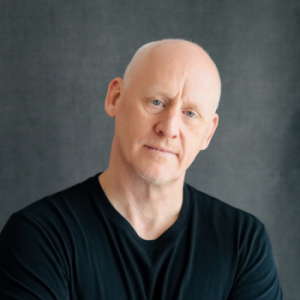
Lukas Hefti

Lukas Hefti shares 10 Speaker Success Strategies

Host Siebe Vanderzee welcomes Lukas Hefti, founder of speachers.com, an international speakers bureau based in Zurich that has supported 100+ events worldwide by providing keynote speakers and connecting personalities with podcasts and news media. The episode focuses on how to get booked and how to improve as a speaker, covering lessons such as being visible, memorable, and easy to book through clear positioning and a trustworthy website, and staying after talks to mingle. Lukas also advises using stories even for technical topics, pausing and summarizing, using audience-friendly language, focusing on delivery, hooking attention early, and being specific to build trust, plus the importance of not putting everything on slides and being prepared when technology fails.

About Lukas Hefti

Lukas Hefti is the founder of www.speachers.com , where he has helped 100+ events across the globe find a great keynote speaker, connects great personalities with podcasts and the news, and supports speakers in their journey to improve.
Currently, he manages the former Deputy Administrator of NASA, the Chief of Science at NASA, an astronaut, the former Head of HR for Elon Musk, a Nobel Prize Laureate, a YouTuber with 20+ million followers and more.
After failing at computer science, he studied English and Geography at the University of Zurich, failed to become a musical actor, joined an IT company as a communicator and then built his own company to 2+ million USD in revenue over 3 years at age 27.
In his free time, Lukas sings, dances, and performs close-up magic. Recently, he won the DanceCup Switzerland.

Episode Notes
00:00 Intro
08:07 Lesson 1: Be Visible in Public
10:21 Lesson 3: Make It Easy to Book You
12:11 Lesson 2: Be Memorable and Easy to Share with Others
15:45 Lesson 4: Stay After Your Talks to Mingle
20:05 Lesson 5: Tell Stories Even When Your Topic Is Technical
23:10 Lesson 6: Pause and Summarize
27:42 Lesson 7: Use Language Your Audience Understands
30:29 Lesson 8: How You Say Things Is More Important Than the Exact Words You Use
34:30 Lesson 9: Don’t Make Your Audience Waste Their Attention on Why They Should Listen to You
40:13 Lesson 10: Specificity Breeds Trust and Interest
43:41 Lesson 11: Not Everything You Say Has to Be on Your Slides

Lukas Hefti-10 Speaker Success Strategies from Lukas Hefti: Elevate Your Presentation Skills

Siebe Vanderzee: Hello and welcome to our podcast, 10 Lessons Learned, where we talk to interesting people from all over the world to uncover the lessons that have shaped their lives, their careers, and perhaps their business. My name is Siebe Vanderzee, and I’m your host.
Our guest today is Lukas Hefti.
Lukas Hefti is the founder of www.speachers.com, and International Speakers Bureau based in Zurich, Switzerland. His company has supported more than 100 public events across the globe by offering highly qualified keynote speakers. Lukas and his team also connect well-known personalities with podcast and news media while supporting these speakers in their journey to improve.
In just a few years, Lukas has developed a multimillion-dollar business with www.speachers.com, You can learn a lot more about Lukas Hefti on our website. 10 Lessons Learned. Hello Lukas. Thank you for joining us. How are you? [00:01:00]
Lukas Hefti: Hi, Siebe. I’m doing well. Thank you for having me. We just talked about weather before, and currently it’s snowing and I, I find that’s beautiful, so in a good spot to get this conversation started.
Siebe Vanderzee: Great. And I’m in the desert of Arizona, so different climate, different continents, but wonderful to speak to you. Uh, perhaps you can share with our audience a little bit more about your background and how you have become so successful in recruiting and connecting, uh, public speakers.
Lukas Hefti: Yeah, I have a wild background.
You know, I was starting with, uh, computer science. because I thought, you know, I don’t know what I’m going to do. I just kind of want to do something where I can go in any direction afterwards. And I failed. I failed hard. And then I was like, what am I going to do next? And I had two friends, one of them studied English, one of studied geography, and I was like, let’s visit them both.
And I visit them both and it, it was a lot of fun. So, I studied English and geography. And, but then that, you know, [00:02:00] wasn’t the love of my life and I thought, let’s do musical theatre instead. And I practiced dancing really hard. I practiced singing really hard and I applied for musical theatre, and I got to last audition round.
So, I actually got a fly out to London and perform in person, but I didn’t get in. And so, I thought to myself, hey, you know, let’s. Let’s do a gap year, just kind of work at a company for a year. Try. I got so close we can do this. And I started working at that company. And at that company, uh, I met about four months in.
So very, very early I met a guy who’s called Dr. Z. And at the time he was the head of science at NASA, and we knew he was going to quit his job by the end of the year. So, we built his personal website for him. And then out of that developed that I was going to take care of his business at the start. Kind of, you know, reach out to people who reached out in the past to him.
Figure out where I can place him as a speaker, maybe as a consultant. We [00:03:00] figured out, and I didn’t know that was going to become a company at that time. I didn’t even know I was going to earn money at the time. I was just doing it for free. I was, you know, I’d, I’d wake up before work to do this. I’d stay longer after work to do this.
I’d, I’d work on the weekends and eventually this, this went so well that, that I had to start a company, otherwise it would’ve been illegal. And then out of that kind of came more.
Siebe Vanderzee: That’s interesting. Your passion that maybe you discovered you were not aiming for that you suddenly, uh. Discover that and you really liked it.
And what, what makes your bureau different from other speakers’ bureaus?
Lukas Hefti: I would say it’s two things. So traditional speaker business as it works is you have the speaker himself. Or herself. And then you have an agent who takes care of that speaker.
Siebe Vanderzee: Mm-hmm. [00:04:00]
Lukas Hefti: And then this agent is usually connected with speaker websites, you know those, those big speaker websites you find on the internet?
Siebe Vanderzee: Yeah.
Lukas Hefti: That lists thousands of people. And then that bureau internally has a person, a sales manager, maybe that is then in contact with the client. Or with an event manager that’s in contact with the client. So, you can see there’s a lot of jumps in between information that comes from the speaker and that actually arrives at the final person.
Siebe Vanderzee: Yeah.
Lukas Hefti: And in my case, I know all of my speakers, I have their phone numbers, I can just, you know, hit them up and, and that makes things a lot faster. And it also means I know a lot of the answers to questions people give me without having to ask the speaker because. I’ve asked them before. That’s the one side.
The other side is I go beyond just being a speaker bureau. [00:05:00] All of these speaker bureaus, they have advantages and disadvantages, right? They have a lot of people, but these people, they are spread across various agencies. So, if I’m going to advertise my speaker, I’m going to get maybe 5% of the return. Because there’s so many agencies out there, in my case, most of the traffic I generate actually comes back to me.
So, I also have the ability to, you know, create my speaker’s personal websites and put them on podcasts, on news, and I can do that for free for them, because.
Siebe Vanderzee: exclusivity
Lukas Hefti: do
Siebe Vanderzee: you exclusivity. You have exclusivity,
Lukas Hefti: yeah.
Siebe Vanderzee: With those speakers.
Lukas Hefti: Not, not with all of them, but close enough that it, that it works.
Siebe Vanderzee: Right.
Right. Yeah. That, that makes sense. That makes sense. When we’re looking at your 10 lessons learned in your case, I think it’s very interesting because, uh, we talked about it, uh, that of course you have 10 [00:06:00] lessons learned in life, in your career, et cetera. But in this episode, in this special episode, we are going to focus on two segments.
One on how to get booked as a keynote speaker and the other. Part of your lessons has to do with how to become successful, a, a, a public speaker in the future, how you can improve over time, and, uh, I think there are a lot of people that would be interested in becoming a public speaker. Is there a silly question, but is there, you would think an individual that would not qualify to be a public speaker?
Because I can think of so many topics, so many issues, so many personalities. That could be interesting as a speaker, but is there something that would disqualify a person? Strange question. I’m sorry.
Lukas Hefti: All good, all good. I think it’s an important question because a lot of people, when you kind of confront them with the idea of becoming a keynote speaker, go like, oh no, no, no, no.
That’s for other people, right? That’s not me. I’m just, I’m just me. [00:07:00] Um, and I would say that’s true in half. Yes, you are just, you. And then the other half is, well, you can go beyond that, right. If you’re just going to go on a podcast and you’re going to give your random thoughts and you’re not going to think terribly much about what you’re going to say, then yeah, most likely it’s not going to be super interesting to, to an audience.
But if you position yourself in a topic and you say, hey, this is something I know that nobody else knows. But that very few other people know, and I can communicate it and I can learn. By the way, you can learn how to communicate stuff. You don’t have to be born with this then. Yeah, I think anyone can be a keynote speaker and you don’t need a million followers.
Siebe Vanderzee: That’s a great way to get started with your, your 10 lessons. Again, uh, focused on, on two elements as far as, uh, how to get booked as a keynote speaker [00:08:00] and how to become successful as a public speaker. So, if we start with how to get booked as a speaker,

Lesson 1: Be Visible in Public

Siebe Vanderzee: lesson number one, be visible in public, what are your thoughts on that?
Lukas Hefti: It means if you just go out there and you ask people to host you; the likelihood they’re going to accept is pretty small. The likelihood is much, much, much higher if they find you. And that can be through the referrals. You know, friends saying, hey, this is a cool person, you should work with them. But a lot of the time this works because people find you on the internet, they find you in public spaces.
That can be on LinkedIn, that can be on Reddit, that can be on the news, in podcasts, in the papers, at conferences. And you want to make sure to go out there and be seen. And you don’t, I, I said this before, you don’t need a million followers. I’ll tell you a quick story.
Siebe Vanderzee: I started with Thomas.
Lukas Hefti: I said this before, and then about the fourth speaker I got was my dad. Now my dad is [00:09:00] not. He’s, he’s a great, amazing person and he is achieved some really cool stuff. Uh, but he’s not Thomas, right? He’s not, not as big, not as well known. And what we did for him is he started posting weekly on LinkedIn. You know, he got some level of reach.
It, it didn’t look huge. It still doesn’t look huge. Mm-hmm. You look at the numbers, you go, you know. Maybe tens of people like his content. We, we put him on podcasts, we put him in the newspapers. And the crazy thing is you look at the work you do, and you think, this is never going to be enough.
And then within two weeks or so, we had the first request coming in.
Siebe Vanderzee: let me, let me ask you, uh, Lukas, um, if you.
Post or you have your profile on, on certain social media, do you then also have to present yourself as a public speaker? Or is it simply your knowledge, your, your [00:10:00] strength, um, or should you really indicate that you are a public speaker?
Lukas Hefti: I think, I think we’re getting into lesson three here at this point, but yeah, you, you do have to position yourself.
Siebe Vanderzee: Okay. Okay.
Lukas Hefti: There are going to be requests coming into you no matter what, but you want to make it, I’ll just, I’ll just bring lesson three, and if you don’t mind,
Siebe Vanderzee: please, we go to

Lesson 3: Make It Easy to Book You

Siebe Vanderzee: lesson number three. Make it easy to book you.
Lukas Hefti: Yeah, right. There you go. You want people to know that you’re open for this. They don’t naturally think you know about you, so you want to make them see you in a certain light.
And one way you do this is you, you say clearly on your social profiles. Hey, I do public speaking, I do keynote speaking. And then people go, well, how do I, how do I find you? And if they Google you, you know, they should find a website that that sells you. That can be your personal website, that can be one of the speaker agencies.
If they go on your social media, you know, would be really nice if there was a link [00:11:00] there where they could find out more about this. So yeah, make it easy to book you.
Siebe Vanderzee: So, so a website is something that you recommend for someone who wants to become a public speaker?
Lukas Hefti: Yeah, it’s the most trustworthy source.
Siebe Vanderzee: Good information.
Lukas Hefti: Yeah. I mean, you, you go on, you, you know, you go on these speaker websites, you’re never quite sure if the speakers even know they’re on there. There’s so many of them. You don’t know when the last contact was.
Siebe Vanderzee: yeah.
Lukas Hefti: There’s just a lot of insecurity. You don’t know which of the websites you should go on.
Siebe Vanderzee: Yeah,
Lukas Hefti: it’s a lot of insecurity. Yeah. If you see someone’s personal website and it’s decently taken care of, that’s trustworthy. You just go, well, that’s where I’m looking. And then you see a big button that says book keynotes here. You click on it and you have a direct mail link to, you know, either yourself or your manager.
Siebe Vanderzee: I think that’s great advice because I know quite a few people who are speakers and would like to do more of that, but I don’t hear necessarily from those [00:12:00] individuals that they say, oh, I have a specific website. Great advice, and we jumped from lesson number one to lesson number three. So, if you don’t mind, let’s go back to lesson number two.

Lesson 2: Be Memorable and Easy to Share with Others

Siebe Vanderzee: Very confusing, no. Uh, lesson number two, be memorable and easy to share with others. I have an idea what your thoughts are, but please explain.
Lukas Hefti: Yeah. So, you have, as a person, limited resources. Limited resources to go out, limited resources to stay in contact with people. So, you want to make those count as much as possible.
And the same is true for other people. Like they have their full lives so they can spend, you know, they, they can’t remember everyone they met. They can think of everyone they met. And so, it is a huge advantage if you can be the thing that they remember. So that’s being memorable, and I’ll explain what that can be afterwards.
And then the being cool to share [00:13:00] or being easy to share means it’s something that not only sticks in your mind, but you want to tell a friend, be like, Hey, I was at this event and I met this person and I just got to tell you about it now. And from my personal life, you know, you see how I walk around. I’ve got the funny moustache.
I, I’ve had people come to me at events and say, hey, you know, I, I told a friend I was coming to this, and he said, oh, Lukas is going to be there. Go find the stylish guy with a moustache. I think you guys should talk. And they did. And that’s, that’s simple. I have, uh, Thomas, the guy I talked to you about before the, the head of science at NASA.
He’s known for wearing really cool socks. So, if you go to the NASA image gallery, you will see his socks.
Siebe Vanderzee: He stands out with the socks.
Lukas Hefti: he does
Siebe Vanderzee: now, but, but there is of course, uh, uh, the image, how people come across and maybe the way they talk, but then the substance of what they discuss. And it [00:14:00] could be that, for example, I think of a person, uh, very.
Modest, maybe not shy, but modest, humble, and that person has an impressive story to share. What do you expect of that person who doesn’t maybe not have that personality to say, hey, look at me, and, and, but more that humility and I can think of many examples. I’m sure you can as well. What kind of advice would you have for someone who doesn’t want to just show off and look at me, but still has a meaningful message to share?
Lukas Hefti: Yeah, I would say find something, and I was talking about external things before, right? I was talking about looks, but it really doesn’t have to be looks.
Siebe Vanderzee: Okay.
Lukas Hefti: One of the, one of the coolest people I know, he asks a question after every talk he hears, no matter where you are. If he’s there, you will know the first hand that goes up is his.
And it’s just people are expecting it at this point. People are [00:15:00] looking for him in the crowd before he even asks the question because it does it so consistently. Now, granted, if you’re shy, that’s also not going to be your thing, but you could maybe be the person you know, who goes up in private after the talk and who, who talks to people on a, on a personal level and asks these really, really pointed.
Clear thought out, critical questions where the, the opposition goes. Wow. Or any other thing. Something to
Siebe Vanderzee: I like that.
Lukas Hefti: remember you by.
Siebe Vanderzee: I like that. It’s, it’s not necessarily, hey, look at me, but like you said, asking the right questions that can work for all kinds of personalities. Um, it kind of leads into lesson number four, right?

Lesson 4: Stay After Your Talks to Mingle

Siebe Vanderzee: Lesson number four, stay after your talks to mingle. That’s kind of what we’re talking the networking and, and it’s not just, I spoke and I leave. That was it. But you interact with the people there and what [00:16:00] are your thoughts on that?
Lukas Hefti: There’s two reason I think this is super important.
First reason is you’re going to get booked a lot more because people talk to you. They will go to their friends, they’ll say, hey, I met this really cool person. At the event and the likelihood of, you know, you being invited just goes up so much If people had the chance to talk to you personally, because they get to get a feel of how cool you are.
Yeah. On and off stage. So, you know, a third to maybe even half. Of events that you do, you’re, you’re going to get through this kind of thing. Now, the third or a half, it obviously depends on what kind of person you are and how big and how your network is, but just to give you a feel of how relevant it is. And then the other half of things is I’ve organized well over a hundred events at this point, and we gathered feedback for most of them.
You can’t gather feedback for all of them, unfortunately. And one thing we learned is we [00:17:00] get significantly better feedback from the organizers if we stay to interact after the talk. It’s just kind of this magic sauce where the people who are too shy to ask on stage, they come ask you off stage and they leave with a really cool feeling because they got to talk to because there’s this connection,
Siebe Vanderzee: but that doesn’t automatically lead to new speaking opportunities, or does it?
Lukas Hefti: I would say it does. Definitely does because there, so how do people find you in the first place? Right? They obviously, they look on social media is what I talked about before. They ask their friends referrals, and every one of these people who are fascinated by you because you were interesting on and off stage.
And especially the shy ones who come up at the end. And they, they didn’t have the courage to ask you in front of a hundred people or a thousand people, but they do have the courage to ask you one-on-one. And then they go back and either they’re organizing an event and they remember you, or a friend of theirs is organizing event [00:18:00] or maybe their boss, or maybe their coworker is, and they’ll talk and they’ll be like, Hey, you know what, I, I talked to this really cool guy.
I think we should ask him.
Siebe Vanderzee: And I, I can see that and, and I understand, of course, if you make a good impression in your presentation and you can connect with people after your presentation, I was thinking, well, would those people have. Next opportunity. But you explained it very well because in their network there may be people that are organizing an event and say, hey, I just went to this event.
There was a great speaker, and perhaps he or she would be a great speaker for your event. So, I can see that that is a good way. And I think no matter what, you never know who you meet after. A presentation let’s say. And the only thing for sure if you don’t mingle with the people afterwards is that probably nothing will come out of it.
Lukas Hefti: And remember, we’re, we’re not talking timeframe of weeks because they’re not likely to have something in the next week. We’re talking timeframe of a year,
Siebe Vanderzee: two [00:19:00] years maybe.
Lukas Hefti: Yeah.
Siebe Vanderzee: Yeah.
Lukas Hefti: This is going to stay in mind.
Siebe Vanderzee: Yeah, no, that, that, uh, I’m sure that gives a lot of people hope when you say that.
Before we move, on. Here’s a quick message to our listeners. We are really happy with the support that we receive from our listeners, whether it’s sharing our podcast with a friend or leaving a comment so. Please subscribe to our podcast so that you never miss a lesson that could change your life and perhaps your career.
Our guest today is Lukas Hefti, a successful entrepreneur connecting well-known personalities with public speaking opportunities, podcast and news media entities all over the world. It’s, it’s very global and very nice to have you. The next few lessons that we’re learning from you have to do with how to become a great speaker.
And uh, I think that’s also helpful. I believe there are a lot of people interested in becoming a speaker, but it’s not always clear how to get there. [00:20:00] So your advice, uh, Lukas is highly appreciated. So, I’m looking at.

Lesson 5: Tell Stories Even When Your Topic Is Technical

Siebe Vanderzee: lesson number five. Tell stories even when your topic is technical. What are your thoughts?
Lukas Hefti: So, the stories are important for two reasons. One, they’re the easiest way to convey information. They’re just, there’s something so natural about them and there’s a lot of research backing this up, right? They’re so natural that, that you can understand them, that you can follow them, and following them is, is important.
because you don’t want to lose track. You want to, you want to stay on top of it. Yeah. And stories are a great way to achieve that. And the other reason they’re so important is because they allow you to build tension, to evoke emotion, to keep people engaged and to tell them, you know, you really know what you’re talking about.
You’re not showing them numbers, you’re not showing them. Some [00:21:00] random imaginary thing that somebody thought up in a boardroom somewhere. No, you’re telling them something you experienced, something you lived, something you learned. And there’s this authenticity, this connection, this emotion, and that’s what keeps people engaged and that’s why stories are so great.
Siebe Vanderzee: Yeah, absolutely. I have given presentations and what I notice, and it depends on the topic, that if, if I apply. some humor, and I don’t make it sound as if I’m a funny guy, but I use humor sometimes to have the audience relax because in some of the topics, cross-cultural topics, I always make it very clear we all, and I’m pointing at myself, we all make mistakes.
And when people realize that, then. It’s more comfortable and they can relate. Now, I’m not a funny person, but I can use humor to make people feel [00:22:00] comfortable. And this is kind of silly for our global audience, but you speak German, um, we speak English here in the United States. When you are in Switzerland and someone goes on a trip and you wish them a nice journey, what do you tell them?
It
Lukas Hefti: German.
Siebe Vanderzee: In German. What would you say in German?
Lukas Hefti: Re
Siebe Vanderzee: gut rice or gut Far.
Lukas Hefti: Gut Far, yeah. If it’s with something that drives like a car,
Siebe Vanderzee: gut fart for many Americans. That may sound differently.
Lukas Hefti: Yep, yep. I gotcha.
Siebe Vanderzee: And I see in your response, I appreciate this was not that we prepared this right Lukas, but that’s not to say I’m a funny guy, but it could be the pronunciation of a word, which is very genuine if you are in Switzerland, in Germany.
And at the same time in a different country, they may come across like, what are you telling me now? And we all do that. So, I think it’s, it’s something that, that, uh, as far as [00:23:00] as connecting to your audience that can be, and maybe using a different example can be very appropriate and, uh, kind of funny. Um, I want to move to

Lesson 6: Pause and Summarize

Siebe Vanderzee: lesson number six.
Interesting. Pause and summarize. What are your thoughts?
Lukas Hefti: I, I, I would say that’s a crucial one. One of the things I correct when people come to me and ask me for advice on speaking, when they give me their videos to review or I join them at an event and I, I review them live and tell them the notes afterwards.
One of the most common things I correct is that they should pause. And I mean, pause in two ways. On the one hand, pause while you’re talking. because a lot of people, they feel when they’re not talking, they’re losing the audience. They’re not filling the room. And that’s just not the case. And what happens is, you know, they will string words together until you don’t actually know what’s going on in marinade and they’re [00:24:00] so fast that you’re losing track of what’s going on.
You’re losing track of what’s going on, you cannot process it because you’re never given space to process it. And so, while you’re still listening to the first part, you’re trying to decipher the first part. The second part you’re missing because you’re still listening to this, you’re not hearing the second part.
So that’s what I’m talking. So, I want to do pauses when I talk so people can catch up. And I don’t mean this in a condescending way. People are smart. That’s just how we work. The smartest person needs time to get a break from a sentence, so they know when a sentence is done, they process it and move on. And the same is true with your story arc and the story you’re telling and, and the slides you have in the presentation you’re holding.
If you tell me everything from A to Z and you never pause in between, and it is crammed full of information. Halfway in, I’m going to lose track. [00:25:00] And you probably know this yourself, Siebe, you’ve probably sat in a talk where, you know, maybe after 10 minutes or so and an important point came up and you started thinking about that point and you just kind of missed the next 10 minutes because you were thinking about the first point.
And that’s a normal thing to do. And so even in your presentation structure, you should have built in pauses. One thing you can do is you can split. So, one of the things my speakers like to do is split the talk in the stories. Say three stories for 30 minutes, maybe 10 minutes each, and then at the start of the story, they would announce it and at the end of the story they would do a very short summary, two, three sentences.
What are, what you know? The key essence from what I just told you is so now you have the summary, got the story, apologies, and then the summary at the end so people can follow the story arc. They’re engaged and at the end you repeat to [00:26:00] settle, you summarize, they’ve got time to process it. You move on to the next bit; they can actually absorb it.
Siebe Vanderzee: It is very interesting and I’m thinking about again, being in a situation where someone gives a presentation where It is helpful as an, as a person in the audience to really think about what that person is saying instead of, okay, we’re moving quick, or We’re now, we’re going here. Now we’re going there.
Um, I also was wondering your thoughts, uh, that I heard from someone, a speaker that says, uh, if someone asks from the audience, asks you a question, ask for that person’s name and remember that person’s name, so you’re presenting, and then someone asks a question. What’s your name? Well, let’s say David or Maria, whatever, as a speaker.
Remember that person’s name because that also creates that, I want to say personal link that I remember. Lukas, you asked me that question. You were in the audience with lots of other people, but I remember you Lukas asking me [00:27:00] that question. Do you think that’s helpful?
Lukas Hefti: Imagine you are in the audience.
Imagine you’re in an audience of a thousand people or even a hundred, and you’re asking a question to somebody you really admire, and they ask your name and you’re like, wow, that’s kind of cool. And then they answer your question and then the talk goes on, and then someone else asks a question and the speaker stands on stage, looks around and says, so as Lukas was saying earlier.
Siebe Vanderzee: Exactly,
Lukas Hefti: and my mind goes. I’m mind blown.
Siebe Vanderzee: Yeah,
Lukas Hefti: right. This guy on stage or this woman on stage remembered me. This person I really look up to remembered me by name. That’s so powerful. That’s so cool.

Lesson 7: Use Language Your Audience Understands

Siebe Vanderzee: That’s great to hear, Lukas. I appreciate it. And here we go. Lesson number seven, use language your audience understands.
Lukas Hefti: Super important. Something that especially well-educated people, ignore a lot. And here’s the thing, when you’re doing a [00:28:00] talk, you already know what you’re talking about, right? You know your languages, your words, your concepts, your everything. People on the other side don’t. And you want to have as few barriers between you and them as possible to make it as easy for them as possible to follow you.
And if they don’t understand your words, how are they ever going to understand what are you saying? You might stand there and say, well, you know, if they don’t understand the words, they’re not the right audience. I’d say that’s a bit shortsighted. Yeah, I’d say you want to reach as many people as you can, and so practical tips on this side.
Don’t use abbreviations technical jargon unless you know extremely for certain that your audience knows these terms and doesn’t have to think about them. If they don’t know them, they will start wondering what that term means, and they will ignore the rest of your talk, because they got focused on that word.
Siebe Vanderzee: I like the patience that I hear from you, the way [00:29:00] you talk about it as a, as a speaker, that you have to be aware, you have to allow time, some of the other lessons you shared already. I think that that makes a lot of sense.
Lukas Hefti: Before we go onto the next one, I want to share a quick, just a quick anecdote to what I just said,
Siebe Vanderzee: please.
Lukas Hefti: I talked about Dr. Z before the head of science at NASA.
Siebe Vanderzee: Yeah.
Lukas Hefti: Now science is a government organization. So usually, you know, every four years the leadership in that organization changes. Mm-hmm. Because the president changes and the faction behind the president changes. Thomas, Dr. Z did not, he worked across President Trump.
He did President Obama and Biden and. He was, one of the reasons he could do this is on, on the one side, he was pretty apolitical, but on the other hand, people loved him because they understood him. Like after he left the office, he got a, he got a call from a senator, and the [00:30:00] senator said, you know, it’s such a shame to see you go because you’re the first chief of science at NASA, I ever understood.
Siebe Vanderzee: Wow. Wow.
Lukas Hefti: And it really doesn’t matter which side the senator’s from. It’s just, I mean, that that’s how you impact the world.
Siebe Vanderzee: Yeah. And again, it, it, it connects. I can think of situations and I’m sure our listeners can think of situations where that, that makes sense. It’s a great example. Moving on to

Lesson 8: How You Say Things Is More Important Than the Exact Words You Use

Siebe Vanderzee: lesson number eight, how you say things is more important than the exact words you use. And I have some thoughts on it, but I’ll leave it up to you because that sounds very, very important as well as a public speaker.
Lukas Hefti: Yeah, it is super important. So, a lot of this research comes from interpersonal communications.
Uh, it comes from hostage negotiation. You can look into FBI hostage negotiation, materials, files. Mm-hmm. You can look up talks in the topic. And what’s [00:31:00] amazing is how much impact the way we move. The way we look, and I don’t mean do you look good or bad. I mean the way we present ourselves and the way we use our voice matters, and it’s a lot more than the exact words.
One example I could give you, I can say pretty much any sentence if I use an upward inflection at the end. Now, it might be confusing if I say, are you a teddy bear? Like where, where is this coming from? If I phrase it? Are you a teddy bear? Suddenly? I don’t seem so sure, and I, I can say a lot of things without people hanging me by the noose because they think it’s a statement, right?
Or I could have this. So, most of this, most of this conversation, because I’m enjoying myself because this is a chill, relaxed setting. I’ve been kind of in this chill, relaxed mode of talking, right? Voice modulation goes up, it goes down, it goes all over the place. It’s not super [00:32:00] stable. If I want to make a statement that is absolute, there’s no room for negotiation.
This is something I stand by. It’s a hill I will die on. I will go down with my inflection. I’ll say, no, that’s how it is.
Siebe Vanderzee: Are you serious about that? That wasn’t meant as a joke.
Lukas Hefti: There you go. There you go.
Siebe Vanderzee: But it, it’s, it’s fascinating. Again, Lukas, what I understand from what you’re saying and, and many of your lessons, it’s your mindset as a speaker to be aware of your audience. And it’s not to say, oh, I need to get this piece of information out there and I’m done with it. The way you present it, the way you communicate, the way you link, interact, and listen to your audience in, in whatever matter could be language, it could be, you know, whatever is happening there.
So as a speaker, I, I hear that your mindset, you have to be prepared to. Deal with everything and the unexpected, perhaps that can happen during a [00:33:00] presentation or during an event.
Lukas Hefti: And here’s, here’s another thing just to give people on the way. because one of the things I noticed in, in my journey of doing this is most people, when you confront them with social skills, like voice intonation, like body language, like all of that kind of presence, things you would call presence.
People say, well, I, I, I’m just, I’m just not charismatic. You know, I’m, I’m just not good at this stuff. And they, you know, in their minds it’s like you were either born charismatic, or you were born uncharismatic. It’s not like sports, right? Sports is well accepted. You can. Start soccer really bad, become really good.
That’s just how sports works. Like social skills. Hmm. Either you’re born with a silver tongue or you’re born without one, and that’s just patently untrue. This is a skill you practice, and you can practice it through, uh, theatre. You [00:34:00] can practice it through performing magic, through storytelling, through going dancing through singing classes through yoga, martial arts, any kind of thing that teaches you body control. It teaches you how to communicate and speak and tell stories.
Siebe Vanderzee: Yeah, it’s, it’s fascinating and, I think helpful for, uh, again, people who would like to be or are a speaker right now but want to elevate maybe.
And, uh, so this is very, very, helpful, to learn.

Lesson 9: Don’t Make Your Audience Waste Their Attention on Why They Should Listen to You

Siebe Vanderzee: moving along to lesson number nine, we’re making good progress. Don’t make your audience waste their attention on why they should listen to you. Oh, I like that a lot. But, uh, please explain.
Lukas Hefti: Yeah. Um, you know, when you go on social media. I’m sure you’ve heard about hooks, social media, hooks.
Siebe Vanderzee: Oh yeah.
Lukas Hefti: Things that pull you in.
Siebe Vanderzee: Yeah.
Lukas Hefti: When you go on YouTube, I’m sure you’ve heard about thumbnails. Yeah. The pictures that that pull you in, when you go to a [00:35:00] bookstore, you will see, you know, the tiny thing on the back of the book, I don’t know what it’s called, the short, the short story that pulls you in.
If you go to a research paper, you’ll find an abstract that pulls you in. And the reason for this is people have limited attention. They just, they can’t pay attention to everything that happens. And so, they have to decide what to pay attention to. So, they always ask themselves, is this worth paying attention to?
Why am I listening to this? And in your talks, it’s no different. No different at all. It’s the exact same principle you want to tell people from the start why they should listen to you, so they don’t have to think about it. because if they’re thinking about why they should listen to you. They’re not thinking about what you’re saying, they’re in their own world.
They’re ignoring what you’re saying until that point where you’ve proven your point and then they miss two quarters of your talk.
Siebe Vanderzee: It, it, it’s a little bit, as you know, I’m a, I’m a corporate recruiter. That’s different. But [00:36:00] again, when candidates present themselves, uh, and they have an extensive resume.
Narrow it down. I am always using the term billboard. Summarize your value proposition. What are your key achievements that you would like to repeat in the future? Now, again, that’s a different topic than being a speaker, but it comes down to the same, the clarity, and, and how people can capture really quickly what you as a speaker have, has to have to offer.
Um, that, that I think is, is very powerful. And easily underestimated when people think, well, I’ve done this and I’ve done that, and you know, I could do that. And by the way, I almost did that. And I say it a little crudely, but who cares? It’s, it’s that, it’s that really that that, that profile, and again, I use the term too much, too many times, but Billboard very clear.
This is what it is. I think it makes sense as a speaker as well to position [00:37:00] yourself with that level of, of clarity. Uh, I think it’s a very, very important, uh, lesson.
Lukas Hefti: to be, to be brutally honest with yourself, Siebe. And when you think back to all the presentations you’ve had in your life, how many of them started with Hi.
Thank you so much for coming here. My name is Siebe, by the way. I do this, I come from here. Uh, this is my job title. I also do a lot of stuff in my free time. I’ve listed, lived on three continents. Um, now let’s get into the topic, right? First three minutes of your talk.
Siebe Vanderzee: Yeah.
Lukas Hefti: It’s like, okay.
Siebe Vanderzee: Yeah, no, and, and again, I, I, I think it’s an important point in recruitment.
Again, I, I, I like that, that summary version. It makes sense. And, sometimes when I give a presentation on, on cross-cultural issues, for example, I’m asking you now, Lukas, you’re in the United States and suddenly you’re driving, you have an ambulance behind you with lights and siren. What do you do?
[00:38:00] No, what do you do? Try to
Lukas Hefti: get out of the way. I get out of the way.
Siebe Vanderzee: What do you mean get out of the way?
Lukas Hefti: Is there, is there some space to drive on the side?
Siebe Vanderzee: Well, that’s, you’re answering my question because if you do this in Switzerland, you know what to do. If you’re driving in, let’s say England, people drive on the left side of the road.
Here, United States, you stop immediately on the right side of the road. That’s the law. But if you have foreign visitors, tourists coming and businesspeople coming to the United States, uh, and I ask that question on purpose like that right away people are like, what? Like you did, what do you mean? So, it’s, it, it makes sense to capture the audience early on.
And again, not to. Make them look like, don’t, you know, of course you know what to do, but you had haven’t thought about it until that question was thrown at you. Like, well, what are you going to do? It’s just an example, of course. But it, it’s, uh, definitely something that, that applies and, I [00:39:00] think in, in being a speaker as well, again, in my thoughts, the billboard.
What is your value proposition as a speaker? It has to be very clear, and why they should listen to that speaker.
Lukas Hefti: Yeah, and just because this has been very theoretical and I much prefer practical learnings, just some things you can do to start a presentation and in a way that captures the attention of people, as you can tell, an authentic story.
Of yourself in a moment in time.
And then through that moment in time, get people somewhere they couldn’t be without you.
Siebe Vanderzee: Yeah.
Lukas Hefti: Give them insight into a situation. They wouldn’t be able to access or tell them a story of how a project went that they’re interested in, but they, they don’t know because it’s yours.
That’s one way you can do it. Yeah. One way you can do it is you can, you can hit them with results. You can just go. You know, here’s exactly what we achieved. [00:40:00] Now let me tell you why. Yeah. And let me tell you how. And then people go like, oh wow, that’s cool. I know why I am listening, because I want to know how to do this.
Siebe Vanderzee: I like it. Good point. Good lesson. Thank you.

Lesson 10: Specificity Breeds Trust and Interest

Siebe Vanderzee: Lesson number 10. Specificity breeds trust and interest
Lukas Hefti: goes into exactly what it, what
Siebe Vanderzee: we, that looks familiar.
Yeah. Measurable results. Measurable results. I, I, I use that term a lot. Again, as a recruiter, not as a speaker, but specificity is important.
Lukas Hefti: The more unclear you are, the more people think there’s nothing behind it. And the reason for that is probably marketing. You know, everyone wants things to look bigger and so.
You’re always looking for substance. You’re looking, is that actually true or is it not? So, if somebody comes up to you and you know, they say, hey, by the way, we had this project at one of my companies and it really blew up. Like [00:41:00] it was way more successful than we expected. And we built something there and it was just man, and then it, then it came in the news.
Really cool. Like what?
Siebe Vanderzee: Yeah.
Lukas Hefti: You, you, you, you, I, I, yeah. I, I can’t check it. I don’t know if it’s true. I don’t know. I don’t know if it’s authentic. I don’t know what, what the results were. Like, what blew your mind isn’t the same thing that blew my mind. We talked about cross culture before, like, what do you find impressive?
Might be completely normal to me, or it might be completely, you know, ridiculous to me or extremely cool. And when you present, the more specific you are. The more, on the one hand, I can trust that you actually know what you’re talking about.
Siebe Vanderzee: But also, that you are not pulling my leg. You’re not just blowing things out of proportion.
Lukas Hefti: You’re saying you wanted the facts. Here you go. We got a 13.9% increase as opposed to last year. And where did we get that? In my called [00:42:00] outreach campaign. And how did we get that? By switching from mail to LinkedIn. Yeah. I don’t know. These are random things I’m pointing out right now because I didn’t do this.
Siebe Vanderzee: Yeah.
Lukas Hefti: But if you’re telling a really specific story, I’m like, he knows so much about this. It has to be true on the one hand, so it’s authentic. Or he lived it. Like, it doesn’t have to be numbers. It can also be when you’re telling the story, you don’t want to see. Well, you know, I, I met this one person at a coffee the other day and it was interesting.
It’d be like, well, you know, I, I flew out to Arizona, and this is a lie just to all the listeners even lie. But I, I flew out, I flew out to Arizona last week just to get a coffee with Siebe. And we were walking down ninth Avenue. I don’t know if you have a ninth Avenue. And there was this cute cafe there and it was called Cafe Breakfast.
And
Siebe Vanderzee: the Dutch, the Dutchman in the desert [00:43:00] is the name of the cafe.
Lukas Hefti: There you go. And anyway, like now suddenly it’s becoming so specific, so real, so, so painted, so tactile, almost. That, that I’m part of this story and you trust me that this is a story I experienced.
Siebe Vanderzee: Yeah, it’s powerful and I, I really appreciate your sharing your lessons and, it makes me interested in learning more.
So, so, uh, you’re doing a good job. Uh, Lukas, and your case, we’re going to make an exception because to, of course, we have 10 lessons learned. But there is an 11th lesson, and I’m going to just apply it, and we’ll see if our producer allows us to, uh, have it in the final episode. But

Lesson 11: Not Everything You Say Has to Be on Your Slides

Siebe Vanderzee: lesson number 11, 10 plus one, not everything you say has to be on your slides.
I think that’s such a fascinating and, and important, lesson. Uh, that’s why we want to include it. But please give us your thoughts on that.
Lukas Hefti: Yeah. I think this is one of those things that everybody [00:44:00] knows and nobody does.
Siebe Vanderzee: Yeah.
Lukas Hefti: Everybody knows it in theory, it’s so hard, but, but here’s, here’s the idea behind it.
Your story should be your story. I shouldn’t be reading the slides while you’re somewhere on the side doing something I don’t care about.
Siebe Vanderzee:
Lukas Hefti: Matter of fact, if I can download your slides. And read them as a PDF, and I know everything about them. Why am I listening to you?
Siebe Vanderzee: Yeah, yeah.
Lukas Hefti: Right. Well, why am I spending my time here?
And the answer is because you are giving me information that cannot be captured in slides.
Siebe Vanderzee: Yeah.
Lukas Hefti: Are you telling me a story that is supported by slides? And so, I’m listening to you because you make it engaging, because you make it interesting because I can ask you questions at the end and the slides support you in the background.
They’re not the main focus, they’re for you. So, they’re a support function. They’re not a replacement for you. So not everything needs to be on the slides [00:45:00] and cluttered slides are a pain to look at.
Siebe Vanderzee: Oh yeah.
Lukas Hefti: It’s not readable,
Siebe Vanderzee: it’s a distraction. Right.
Technology. It’s one thing to say, hey, you got the laptop set up on the screen, et cetera. It’s all working. But what if for some reason it’s not working properly as a speaker? How. How do you prepare yourself? Or is your advice be prepared. That can happen and you got to,
Lukas Hefti: we’ve had that.
Siebe Vanderzee: I’m sure you have to address your audience no matter what.
Nobody says, oh, we forgive you for that. No. If technology doesn’t work, how do you get yourself ready for that?
Lukas Hefti: Yeah. I can tell you a story. We were, uh, an event, not going to name which event because this is an embarrassing story.
Siebe Vanderzee: Sure.
Lukas Hefti: And we sent in the slides a week in advance like we always do. And we got confirmation back that they had looked at the slides, that they checked them.
Everything works well. I have a second check. I call them the night before and I say, hey, how’s everything going? Is everything [00:46:00] still fine? Good. The slides are working, right? We check them. They’re like, yeah, yeah, yeah. We checked all of it. I arrive at the event. They don’t even have the slides.
Siebe Vanderzee: Oh, oh
Lukas Hefti: shit.
Siebe Vanderzee: Yeah.
Lukas Hefti: Right. I’m, I’m just standing there going. Well, that’s a huge problem.
Siebe Vanderzee: Yeah.
Lukas Hefti: Because until this is clear, we have like 10, 15 minutes left to the talk. The speaker is going crazy. Uh, I’m running around Right. Trying to fix stuff. And then we decide, you know what, if we’re going to whip out a last-minute solution, things are going to go even worse.
It’s just not going to improve.
Siebe Vanderzee: Yeah.
Lukas Hefti: So, cut.
Siebe Vanderzee: Yeah.
Lukas Hefti: Then you just go on there and you tell the story and it, it was a great talk. It was a great talk. People appreciated it. Even if the slides, you know, weren’t what they were supposed to be,
Siebe Vanderzee: uh, yes. You have to be prepared for it, right? It happens. And uh, yeah, it perhaps would be more difficult if you wouldn’t have a [00:47:00] microphone and you have to address a large audience.
I don’t know. Other than trying to yell, but that’s not really helpful.
Lukas Hefti: You can recommend that we’ve had that too in the past. If you do speaker training, uh, if you do singing training, you can train your voice to become stronger. It’s a muscle. But, uh, if you’re not prepared for this, oh God, I, I really hope it doesn’t happen.
Siebe Vanderzee: Wow. Wow. Well, listen, Lukas, I really thank you, uh, for joining us today and for sharing your lessons with our global audience. It’s, it’s much appreciated. I want to make a few closing remarks. You’ve been listening to our international program, 10 Lessons Learned. This episode is produced by Robert Hossary, and as always, we are supported by the Professional Development Forum.
I also want to give my special thanks to our amazing team, Yi Wang, our marketing and social media manager, and Codie Comeau and Birdem Oz, our episode editors great team. We couldn’t do it without you guys. Our guest today is Lukas Hefti, a [00:48:00] successful entrepreneur connecting well-known personalities with public speaking opportunities, podcast and news media entities.
Around the globe sharing his 10 lessons plus one lessons learned. And to our audience. Don’t forget to subscribe so that you never miss a lesson that could change your life and perhaps your career. Thank you for tuning in to 10 Lessons Learned where We are Making the world a little wiser. One Lesson at the time.
Thank you and stay safe.

Thanks to our 10 Lessons team that make our show possible: Our Episode Editor Codie Comeau, Marketing and social media managed by Yi Wang, and our Producer Robert Hossary. Sponsored as always by Professional Development Forum. You can find the www.professionaldevelopmentforum.org.

You’ve heard from us we’d like to hear from you. Email us it’s podcast@10lessonslearned.com.

Remember, this is the podcast the only podcast. That’s makes the world wiser lesson by lesson.

Share:

Facebook
Twitter
LinkedIn

Related Posts

Curt Sassak

Curt Sassak – Unlocking Career Success

Curt Sassak is a career strategist who helps experienced leaders make smarter career decisions, communicate their value more effectively, and create momentum during periods of transition.
A former award-winning chef who lived and worked in seven countries, Curt brings an unconventional perspective to career growth. His philosophy is simple:
Most people treat their career like a series of transactions.
The most successful professionals treat it like an investment portfolio.
After 25 years as a chef he lost the passion for what he did. This was a curve ball, like, through him that he wasn’t expecting. Being the innovative thinker that he is, he tried a number of approaches to figure out what was next, such as excessive alcohol intake. (That didn’t work, BTW)
This led to a complete reinvention at 40. From that, Curt developed a practical framework for helping professionals identify career bottlenecks, avoid costly mistakes, and make decisions that create greater opportunities over time.
Drawing on his culinary background, Curt teaches that career success is much like a recipe. Positioning, networking, communication, interviewing, and strategy are ingredients that work together. When one ingredient breaks down, the entire outcome suffers.
Through this lens, Curt helps professionals uncover what is holding them back, translate their experience into future value, and create more opportunity in an increasingly competitive market.

Read More »
Annet Monster

Annet Monster – The Key To Happiness Is To Detach

Host Siebe Van Der Zee interviews Annet Monster, a Dutch former government and embassy professional with over two decades of international experience who later became a certified health coach and national certified personal trainer after a burnout and personal health journey. She shares 10 lessons: respond rather than react; don’t judge—be curious; when nothing goes right, go left (changing plans and moving to Bali to start her online business); when you learn, teach and when you receive, give (including her book “From Overwhelm to Freedom: Seven Steps to Protect Your Inner Peace” and volunteering); grow by stepping outside your comfort zone; travel to gain perspective and connection; become like those you surround yourself with; cravings often reflect deeper emotional needs; detach from possessions and identity tied to titles; and improve life by improving thoughts, including limiting negative news and practicing gratitude. She also describes unlearning self-worth based on job titles and degrees.

Read More »
Matt Formston

Matt Formston – Why Not?

Host Robert Hossary interviews Matt Formston, a blind Australian surfer, cyclist, author and Order of Australia recipient, about his book “Why Not?” and 10 lessons learned. Matt recounts being diagnosed at age five with macular dystrophy and later struggling through bullying, illness, losing sport, a friend’s suicide, and a decade of rebuilding his identity. He explains key frameworks: using “why not” to break down problems; shifting consciously between strategy and execution; treating values as standards with clear consequences; conducting a confronting “bullshit audit” of unfiltered behaviour; building capacity by choosing the hard way; making the future “already real” through sensory visualization and self-identity; using empathy to understand people without lowering standards; “owning every hat” with focused time and context-specific behaviours anchored by consistent values; separating diversity from inclusion and avoiding quotas; and a trust formula—trust = standards × consistency × time—as both foundation and amplifier of performance.

Read More »
Curt Sassak

Curt Sassak – Unlocking Career Success

Curt Sassak is a career strategist who helps experienced leaders make smarter career decisions, communicate their value more effectively, and create momentum during periods of transition.
A former award-winning chef who lived and worked in seven countries, Curt brings an unconventional perspective to career growth. His philosophy is simple:
Most people treat their career like a series of transactions.
The most successful professionals treat it like an investment portfolio.
After 25 years as a chef he lost the passion for what he did. This was a curve ball, like, through him that he wasn’t expecting. Being the innovative thinker that he is, he tried a number of approaches to figure out what was next, such as excessive alcohol intake. (That didn’t work, BTW)
This led to a complete reinvention at 40. From that, Curt developed a practical framework for helping professionals identify career bottlenecks, avoid costly mistakes, and make decisions that create greater opportunities over time.
Drawing on his culinary background, Curt teaches that career success is much like a recipe. Positioning, networking, communication, interviewing, and strategy are ingredients that work together. When one ingredient breaks down, the entire outcome suffers.
Through this lens, Curt helps professionals uncover what is holding them back, translate their experience into future value, and create more opportunity in an increasingly competitive market.

Read More »
Annet Monster

Annet Monster – The Key To Happiness Is To Detach

Host Siebe Van Der Zee interviews Annet Monster, a Dutch former government and embassy professional with over two decades of international experience who later became a certified health coach and national certified personal trainer after a burnout and personal health journey. She shares 10 lessons: respond rather than react; don’t judge—be curious; when nothing goes right, go left (changing plans and moving to Bali to start her online business); when you learn, teach and when you receive, give (including her book “From Overwhelm to Freedom: Seven Steps to Protect Your Inner Peace” and volunteering); grow by stepping outside your comfort zone; travel to gain perspective and connection; become like those you surround yourself with; cravings often reflect deeper emotional needs; detach from possessions and identity tied to titles; and improve life by improving thoughts, including limiting negative news and practicing gratitude. She also describes unlearning self-worth based on job titles and degrees.

Read More »