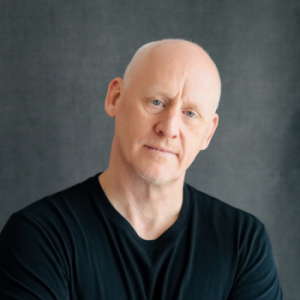
About Leela Aheer
Hon. Leela Sharon Aheer was first elected as a Member of Alberta’s Legislative Assembly for the Chestermere-Rocky View constituency on May 5, 2015. She was re-elected on April 16, 2019, as the MLA for the newly formed riding of Chestermere-Strathmore.
Born in Edmonton and raised in Chestermere, where she raised her family, Aheer is a proud wife and mother of two amazing young men. She is also a professional singer, vocal coach, and music teacher, instructing singing in seven languages. Her passion for music led her to own and operate a successful music studio for twenty-four years in Chestermere and Calgary, where she was heavily involved in arts, volunteerism, and community service.
As Minister of Culture, Multiculturalism and Status of Women (2019 – 2021), Hon. Aheer made significant strides in promoting multiculturalism and women’s status. Her proclamation of Women’s Entrepreneurship Day in February 2019 was a historic moment for Canada. She was the first Minister of Multiculturalism in the last twenty-five years and the first Deputy Leader of the United Conservative Party. A key priority of the new government was to provide more protections for women through initiatives like Clare’s Law.
Hon. Aheer has worked tirelessly to affirm her position as an ally within the Alberta Legislature for those seeking shelter from gender-based violence, racism, and female genital mutilation. In May of 2022, her work on this matter came to fruition when The Health Professions (Protecting Women and Girls) Amendment Act, 2022, a Bill she championed in the Legislature, earned Royal Assent. This significant achievement is a testament to her commitment to social justice.
MLA Aheer is renowned in her community and among her peers for her strategic insights and ability to build meaningful partnerships.
Hon Aheer was appointed Senior Director of Strategy and Partnerships with BioAro Inc., a precision health and longevity medicine leader, in July 2024. She was also appointed the BioSport Chief Growth Officer.
Her visionary approach and commitment to the public are invaluable in navigating the
complexities of global health markets.
Episode Notes
00:00 Introduction
12:31 Lesson 1: Love Boldly, Even When It’s Tough
15:59 Lesson 2: Silence Speaks Volumes that Connects
19:08 Lesson 3: You Are Not What Happened To You
23:49 Lesson 4: Courage Isn’t Always Loud
28:11 Lesson 5: Stay Open to Unexpected Turns
29:39 Affiliate Break
30:04 Lesson 6: Children Teach Us More Than Books
35:28 Lesson 7: Forgive to Free Yourself
39:10 Lesson 8: Purpose is Built, Not Found
41:37 Lesson 9: Speak Up, or Be Defined by Others
47:10 Lesson 10: Gratitude is a Game Changer
Leela Aheer – You’re Not What Happened to You.
Siebe Vanderzee: Hello and welcome to 10 Lessons Learned, the podcast where we talk to leaders, experts, and extraordinary individuals from all over the world to uncover the lessons that have shaped their lives, their careers, and perhaps their business. The goal of our program is very simple, making the world a little wiser.
One lesson at the time. My name is Siebe Vanderzee and I’m your host. Our guest today is the Honorable Leela Aheer. Leela Aheer is a well-known Canadian politician in the province of Alberta. She’s a former minister of culture, multiculturalism, and status of women. And she’s also a musician and a successful entrepreneur.
Leela is the Chief Growth Officer at the BioPort, leading the development of personalized training, nutrition, and recovery strategies. She also serves as senior director of strategy and partnerships with Bio [00:01:00] Arrow, a leader in precision health and longevity medicine. She is a strong vocal advocate against female genital mutilation, FGM, and this aligns with Leela’s broader advocacy for women’s rights, bodily autonomy, and gender equality.
You can learn a lot more about Leela I here on our website. 10 lessons learned.com. Hello, Leela. Thank you for joining us. How are you?
Leela Aheer: I’m so well, thank you so much for having me on this beautiful podcast and I love this format. I’m actually really excited. Thank you so much.
Siebe Vanderzee: it’s really an honor to have you and, of course I was able to look at your background.
It’s fascinating, your, experience in entrepreneurship, but also in politics. And if I can ask you for a start, what motivated you to get involved in politics in Canada?
Leela Aheer: my dad came from India in 1962. My mom’s a third generation Canadian and I just, as we walked through life, I was always activated by so [00:02:00] many different things.
Actually, and honestly it found me, I, I wish I could tell you I, went out and was motivated and was doing all these things. I’d been door knocking for, so many people my whole life. I always wanted to be invested in the people that were doing the work, because being elected is hard and, I thank everybody for their service in this space, whether I agree with them or not.
But it was really, I. I didn’t really have a lot of control over how this happened. and you have to ride the wave of your own life at times. And then once I was in the thick of things, once I understood it was my chance to give back to this country and this province that have given me so much, I was compelled actually once I, once I got over the, his feeling like imposter syndrome, you know, uh, for, you know, like, who the hell am I for trying, this kind of thing.
but once you get past that initial phase and those concerns, you really find that there’s a thousand ways that you can give back and participate in a meaningful way. So that’s my why. It continues [00:03:00] to be my why. It’s why I’ll always be involved in some way or the other.
Siebe Vanderzee: Now, obviously being involved in politics, takes up a lot of your time.
Being an entrepreneur, working with at least two companies as far as I can see. How are you going to combine that in the future when you have perhaps other opportunities in politics?
Leela Aheer: I’m a very happy, busy person you and I were talking about this earlier. You have to read the room and see where the opportunities are and how I think when you’re facilitating your life through, how can I help?
If that’s the first question that you ask, the opportunities that will present before you will be the ones where you can answer the question, how I can help, right?
Siebe Vanderzee: Yeah. Yeah.
Leela Aheer: So, I think that I’ve always ridden that line really closely. Like it’s razor thin edge, right? Of, of, and you can relate to this too of appropriate versus, maybe a little bit more provocative
And, I think that’s where, you get respect from you earn it, right? Because you’re respecting people enough to tell your truth even when it hurts. those are the kinds of things that I think despite [00:04:00] whatever opportunities I may or may not have in the future, it will, those principal parts of who I am at the core will always be leading that direction.
The directionally, whether that’s private sector or whether that’s government or, like you as an honorary council general, there’s so many, there’s so many things we can do, but we have to be willing to. To speak out at times. And, as I was going through the most profound thing about going through these 10 lessons was figuring out how, how much hypocrisy I had in my own life.
You know, my lessons like contradict each other, but I think that’s life, isn’t it?
Siebe Vanderzee: we’re going to be talking about that. I think that’s interesting. But I’m also curious, your, Your interest in, let’s say, women’s issues, women’s rights, FGM, those are, I would imagine, ongoing issues.
It’s not to say, okay, I’m done. I’m finished. It’s over.
Leela Aheer: Yeah, no, yeah. You’re constantly going. Yeah. You’re constantly working at it.
Siebe Vanderzee: Is that, is that part of your motivation as well? Women’s rights and issues [00:05:00] related?
Yeah. Yeah,
Leela Aheer: a hundred percent. if there comes a time in my lifetime where I don’t have to talk about it anymore, nobody will be happier than me.
Siebe Vanderzee: well said.
Leela Aheer: the purpose of the is not to undermine men or not to undermine. different ethnicities, races, whatever. It’s not about that because we all have our own growth and we’re going to have mistakes along the way. There’s not a single culture out there that hasn’t, used their strength and capacity at some time to rule over another.
Whether that’s gender, whether that’s culture, that’s, that is a profoundly interesting thing that ties all of us globally, In that space. the one thing I just can’t seem to get my head around is why there’s still gender disparities. it just doesn’t make any sense to me.
Women are going to be close to 52% of the population. we have a very, and I can’t speak for every woman, obviously, but in, when we’re looking at like western democracies and where we have capacity and access to all of these things, to have to still march for my rights seems ludicrous to me, but it will never end until I truly believe that we [00:06:00] all understand the autonomy over these.
Temples that were given by God, by whatever you believe in these beautiful bodies that we’re in, to be able to create and make things and, innovate and have these brains to be able to do these things. I will be constantly trying to use my brain, trying to use that elasticity to push, to push myself, but also to push all of us, to, to feel empowered, to feel, have to have agency, right?
These are the things, and the minute that you take a person’s agency away from them, not only do demean and their power of who they are, but there is a. There’s a nefarious power that is underneath that, that can be used for a thousand different things. And that’s what always concerns me isn’t so much that, some people want to give power over, that’s fine.
This is your prerogative and your decision. But there’s a lot of people who don’t but have to because of the nature of the world that they’re living in at this point. And [00:07:00] we can’t fix everything. It’s not, in business we’re, we have to work with different governments, with different spaces, with everything, and be on understanding and acknowledge that, people are going to have different priorities and different ideologies than maybe what we have here.
That’s the privilege of living in a Western democracy is that diplomacy has to lead the discussion. It doesn’t mean you can’t stand up. Absolutely. You should be standing up. Yeah. but again, the interesting dichotomy is in that is reading the room and understanding, when to be silent, when to speak, when to understand.
I’ll share one little story with you just to give some context. when I was first elected, in 2015, there was a lot of people who didn’t vote for me. I only won by 260 votes and it’s just because I really hustled. We worked really hard on that campaign. And a lot of the, a lot of the people from different cultures in my writing didn’t vote for me, even though I represented the culture.
And afterwards they were more interested in maybe speaking to my husband because they spoke, he spoke their language and all of that. And my husband [00:08:00] got really, ruffled going, no, my wife is the one who won this election. You need to speak to her. And I took my husband’s hand, I said, sweetie, I said, I’m not offended.
I said, culturally, I said, maybe it’s really difficult for people to understand my position, so why don’t we earn their trust? Let’s have tea, let’s talk, let’s get into the core issues of what’s happening here instead of taking it personally. I didn’t need to; I don’t need to fight every battle. And then there was times when you have to fight battles like FGM, female General Mutilation.
That was a battle, a human trafficking, 14 years of my life, going into this space, and that’s not just me, that’s me working alongside of the real rock stars who are doing the work. I was just helping. But the, but that’s my point is that there’s a time, and we were talking about this with children.
children are gems. They’re precious, little gems. And they have to be seen differently than the regular public. And we have to fight for that. We are required to fight for children. It’s the only legitimate place to [00:09:00] go with that discussion.
Siebe Vanderzee: And I think it comes up in your 10 lessons.
But before we get to your lessons, I want to ask you, is there perhaps a lesson that you have learned in your life or in your career that you wish you would’ve learned when you were, let’s say 25 years old?
Leela Aheer: I wish I knew that I didn’t need to be the smartest person in the room. Not that I ever was, but my mind told me that I needed to be like this prepared for this particular thing. I always walked into a room assuming I was going to learn something.
But I felt like I had to talk over people in order to get my position across versus listening.
So, I wish I had been a better listener when I was younger.
Siebe Vanderzee: Was that related to. As a woman, nobody will listen to me. Or was it related to, I’m not as, can I say smart as other people are in your mind at least that you didn’t think you were good enough.
Leela Aheer: I think there’s certainly [00:10:00] a psychological part of not feeling good and I was very self-deprecating when I was younger.
you’d have to have a whole conversation with my husband about that. like not taking a compliment or, understanding my intelligence or being told for a large part of my life that, you probably can only do this because you’re not good at that, and all of this sort of thing. and you believe that because that’s really the only, it’s the only information you have coming to you.
And what I realized as I went on, and this kind of plays into like my own, the own hypocrisy of my own decisions, is that as I was told, I was less, I wanted to do more. And then as I wanted to do more, I found that. I needed, I thought I had to prove myself over and over again. And so that proving of oneself is, gets, you can be overwhelming to people, right?
Because you’re talking as fast as you can to get as much information as you can before you get cut off because you’re used to being cut off and told that you have no right to have a conversation. And so, when people would actually listen to me, I took full advantage in poor things.
I’m sure they regretted that moment of saying, oh, hey, tell me, [00:11:00] but I think the strength of that though is that you grow and they’re really, the mentors in my life have been patient and kind and loving and have been very straightforward with me. So, I can be quite blunt at times.
Siebe Vanderzee: So, I have to temper that, and make sure that how I am, how my bluntness comes across is still, it’s like how I receive criticism. It’s healthy criticism, to help you be a better person, not to hurt you. And it’s, having the confidence, right?
You stand behind your thoughts and, but behind what you have to say,
Leela Aheer: I have no problems with confidence. That’s never been an issue for me. I think I was overconfident at times, and had, premised my ideas around very confident people who were around me. And so instead of going that next step and, doing the critical analysis of a particular thing because it moved me, or I felt that was part of my, identity.
you become very defensive when your identity is being put on the chopping block. And again, if I was to tell that 25-year-old girl, I was already, having children and raising a family at that time. So, you’re very humbled when you have [00:12:00] babies. There needs to be a lot more babies in the world.
It’s very humbling and chaotic and, defines community. But what I found was that, my younger son’s autistic, so I had to advocate for him, and I’m so glad that in my younger years, as much as I wish I would’ve listened more, I’m glad I became an advocate early on because I never even thought about not advocating for him.
it was a move of strength and agility and understanding the system at the time and not taking no for an answer.
Siebe Vanderzee: Yeah. interesting. very powerful lesson right there.
Lesson 1: Love Boldly, Even When It’s Tough
Siebe Vanderzee: But let’s take a look at your list of 10 lessons, lesson number one. Love boldly even when it’s tough. What are your thoughts on that one?
Leela Aheer: I think love is vulnerable. It’s, it shows vulnerability because you’re opening yourself to complicated, chaotic. Heartbreakingly beautiful things, And I’m a songwriter too, and so I took a lot of the pain that I had and turned them into love songs. You flip them on their head, just try and see what you learn from them.
And kindness is [00:13:00] not weakness. It’s a strength actually, to be able to see through the baloney and to be able to be powerful. and I think the real strength is when you love loudly, you give people, you give permission to others to love loudly too. And when it hurts, if you know it’s coming from a place of love, if it’s coming from a place of kindness, I think you’re more open to taking that information.
And if you’re vulnerable enough to hear it, you can begin healing. And I would say the biggest lesson I learned, and that was when my husband was recovering from alcoholism, is that you have to be, you have to be genuinely invested. Not only in. They’re getting better. because you can’t fix them.
They have to do that on their own. But in your own healing and add in, you have to have agency to understand that you are enabling a person. And you have, that is a, my gosh, it’s probably the hardest thing I’d ever heard from people I didn’t know because Al-Anon is anonymous, but family’s telling me basically to my face that, I was part of the [00:14:00] problem, And when you’re sitting there as a spouse, that’s going, what? what do you mean? I’m part, it was the hardest thing to hear, and it hurt so much. And, but once I unpacked it and I became vulnerable about it, and I started sharing my experience with people and I didn’t hide from that. And I was elected at the time.
So, you can imagine what that was like.
Siebe Vanderzee: Oh yeah.
Leela Aheer: but that vulnerability became a real strength and a growth opportunity.
Siebe Vanderzee: But you had to process it first. It was not an automatic, you had to
Leela Aheer: Oh my gosh, not even close. I was so offended and so hurt. Yeah.
Siebe Vanderzee: And do you think in a next situation and hopefully it doesn’t happen like it happened before, would you then be prepared to deal with that situation, do you think?
Leela Aheer: I’ve actually already been through similar sort of thing in my own family. And it never goes, there’s never a, there’s no recipe, right? For, yeah, for healing. And this last situation that I’ve been put in, I was so much stronger and better, and it was such a difficult decision, but I know it was the right one.
And again, [00:15:00] the universe, God, spirit, whatever you believe in is so much more powerful if you give it the space to allow you to breathe. And this is something I told you before, I just don’t breathe. Sometimes I just jump from one thing together. because I’m a happy, busy person. And that whole experience has reframed my entire perspective.
I, I believe, and I mean you’d have as people around me, but my interpretation of myself is that I’m a better human. I’m strategically better. I’m more accountable to my behavior and the things that I say. I think about how my words are going to impact. It doesn’t mean I’m not going to be blunt, but I think ahead about, okay, how is a person going to interpret that?
I have critical thinking about my own. My own stuff, and I believe truly that I came out a better person than I went into it. and these last few weeks with, some of the interesting things that happened with family, I think I’ve been able to, I’ve been able, for the first time in my life, not have to prove myself, and that’s very powerful.
Siebe Vanderzee: It is powerful. I appreciate that.
Lesson 2: Silence Speaks Volumes that Connects.
Siebe Vanderzee: Let’s take a look at [00:16:00] lesson number two. Silence speaks volumes. That connects interesting with what we’re just talking about.
Leela Aheer: Oh, my goodness gracious, is I think I put this one in there because I’m, a lifelong learner. This is going to take me till when I’m dead, I’ll be silent.
that, I wanted to defend myself. this cut plays into the first one, right? You just want to defend yourself. And my husband always says this statement, he always goes, do you want to be right, or do you want to be happy? And I’m like, I want both actually. But proving yourself to be right is exhausting.
and you’re not going to; you’re not going to always be able to get everybody on board. And proving yourself, right? there’s places where that’s necessary. And then there’s other places where you just have to go, Ugh. Okay. it’s, I don’t need to be right to you. I’m right.
To me, I philosophically feel this in my whole being. And if you can, get away from that sort of like super defensive space of having to defend yourself self and speak up against the noise. And I’m so not good at this, but I’m saying it because it’s something I am in the process of learning.
But [00:17:00] step back and listen and you can be shown a whole new truth, right? That is very powerful. And, in music, silence is, as much of music as the sound is, it’s reflective. It’s a moment, it’s done on purpose to reframe, tone or space or a flow of ideas and thoughts. if you look at any of the great composers, their silences, the rests are just as important as the cantata or the symphony, right?
For me, I mean, I look at this very personally, I can’t speak for anybody else, but, sleeping on it and finding clarity, which gives you a strength to move forward with grace instead of anger. And that’s what I’m learning.
Siebe Vanderzee: But let’s say as you indicated, you are learning, you’re going through the process.
Am how can you learn or teach yourself to listen and not to speak? is there an approach that you have to say, do this first, or don’t do that first? How do you approach it?
Leela Aheer: You’re going to laugh,
[00:18:00] you’re going to laugh. Are people going to actually see this or are they going to just be listening?
They’re going to see it and listen.
Okay, this is what I do.
when I go into, and I just do this.
this, my, this is my trick for being silent.
Siebe Vanderzee: But do you literally apply that to yourself?
Sometimes
Leela Aheer: I do.
Siebe Vanderzee: When you say I do,
Leela Aheer: yeah.
Siebe Vanderzee: Okay.
Leela Aheer: I’ll walk into it. I’ve been in rooms and people will be like, what do you want to say?
I’m like, No, just listening. and I just put my head down and I refocus. And, but I have to physically like, stop myself because I’m such a, I’m such a Gabby girl, I love talking. I’m, I love Sparkle and I love, the drama of, and I get so wound up and so energized by people in their conversation.
I just want to participate, right?
Siebe Vanderzee: Oh, I can tell.
I can tell.
Leela Aheer: Yeah.
So, I just do this.
Siebe Vanderzee: But I like that lesson. Silence speaks volumes. and so, this is very appropriate. And there is a way, even if you have to use your hands to, to stay quiet.
Leela Aheer: so [00:19:00] people know. They’re like, what are you doing? I’m like, not talking.
Siebe Vanderzee: It’s very honest, for sure. But, yeah, I like it.
Lesson 3: You Are Not What Happened To You
Siebe Vanderzee: Lesson number three, you are not what happened to you? What do you mean with that?
Leela Aheer: You’re not defined by your trauma, you’re not defined by history will only repeat itself if you believe that. That’s the only thing that is valuable about you if you’re not willing to grow and to explore and to evolve.
if you wear those wounds like a jacket or like a piece of a barrier, you’re barring your entry to, and you underestimate yourself. And you have to. You have to write your own story to some degree, right? And that’s where that, that real that real resilience comes from, is that ability to write your own story.
And lots of people have tried to define me by my scars, by my mistakes. Lots. And it happens in family all the time. we all know what Christmas dinner can be like, right? [00:20:00] Everybody brings up all the things like when you threw up at the table or you yelled at your sister, whatever, all of those memories.
Instead of, and instead of going back to that place of being defined as a three-year-old at a table when you’re 55, why not? Why not look at it by your growth as opposed to feeling like that’s what they did to me. Like I, I work a lot in, with survivors of domestic violence and sexual assault. And the thing that is profound to me every time is that not a single one of them want to be defined by their victim hood, even though they have every right.
The victim part is the part that they’re trying to deal with and move on, but to then survive and thrive. Yeah. You are not your abuse; you are not your abuser. You’re not any of the things that happen to really, get that for that situation to occur, to assume that you did something wrong or that any of those things, none of those are going to help with moving forward.
And my goodness, the abuser would want [00:21:00] nothing more than to see you be undermined every single day by the power that they held over you at that moment. That was the whole point, right? So, you build I am what I am. because I’ve built, despite it. My scars are not a war wound that I wear. It’s a part of the beautiful, differentiation in my skin versus yours.
Like a, my favorite. When we were building a house at one time, I begged my husband for this crazy piece of granite. It was just a big old mess, and it had cracked and there had been epoxy put into it and everything. But it was just such a magnificent piece of, I don’t know, like piece of history of out of the ground of this composite right.
That was put together. And I loved it so much because I could feel the bumps and the bruises and the, and those things. and I have lots of scars because I rode motorbikes, and I had dogs and all sorts of things. I’m just covered in scars, and I had two C-sections and a whole bunch of surgeries. So, I got lots of scars.
I got tattoos on my scars [00:22:00] because I wanted to make them pretty. there’s something that, so I’m not, feeling like I’m looking at them all the time. But I think that. Putting a tattoo on a isn’t removing the scar. it’s evolving into something that is a piece of art. Piece of art, something you can appreciate, right?
and it’s a metaphor for me of I’m not that thing I’m choosing to build despite it.
Siebe Vanderzee: Now let me ask you because you’re not what happened to you. I can see if you think about bad things that happen to a person or negative things. But what if you’re successful? If you are a successful politician in Canada, you’re not what happened to you?
I think that is a very positive experience in your life.
Leela Aheer: the idea is that if you carry victimization in your system, and again, for people and everybody’s trauma is different, right? If, but if that is what’s defining you, then if you need to use that as part of your advocacy Yeah.
To become in the, [00:23:00] if that, I think that’s where you’re going is that your advocacy is built on the wounds that you hold. That’s brilliant. There’s nothing wrong with that, but that’s not you being defined by that. That is, you being a powerhouse, despite all of those things to try and get into the world and change history, That is refining yourself. That is redefining.
You’re not staying stuck. You’re not frozen with fear. You’re not in a hole somewhere despite somebody trying to take away who you are or something or losing somebody. Whatever it is, whatever your, whatever that is, it hasn’t defined you. It’s motivated, yeah. To flourish despite all of the things that could, like literally throw you in a hole in the ground and nobody would, condemn you for that.
Siebe Vanderzee: makes sense. Lesson number four. I think it flows into that very nicely.
Lesson 4: Courage Isn’t Always Loud
Siebe Vanderzee: Lesson number four, courage isn’t always loud. What are your thoughts on that?
Leela Aheer: Yeah, it’s sometimes getting out of bed, right? It really is. There’s [00:24:00] days where Everything is so heavy and there are forces at play that are so far out of your control.
And I remember this one time when my husband was in rehabilitation and, my, I was having discussions with my sons and trying to, be a good mom and have the discussions but not undermine their father. And, and all of the, and my husband and I are together now. He’s my favorite person in the role and I’m so proud of him.
But at that time, it wasn’t because I didn’t love him. I loved him, but I wasn’t in love with him. I wasn’t in love with that person.
Siebe Vanderzee: It must have been very tough. Must have been very tough.
Leela Aheer: It was, anybody who’s been through this will understand everything I’m saying right now. And, I remember my poor son, my eldest, I was in the shower and I started to.
Everything was like, I was just so heavy and I couldn’t breathe. And so, I came out of the shower, and I fell on the floor and fainted.
Siebe Vanderzee: Oh, wow.
Leela Aheer: And my son. And my son found me this way. and he threw a blanket over me and I don’t remember, but he took me to my bed [00:25:00] and, put me to sleep and called one of my best friends to come over and sit with me.
And this kid is like 19, he’s just an amazing kid and he didn’t know what to do. And I just realized like my body had just gone through so much at that point in time and my friend didn’t come. It’s not my courage. I’m talking about, I’m talking about hers and my son’s, They didn’t know what to do, but they had the courage to move forward and make those quiet choices.
It’s, and telling me the truth about what was going on at that moment, your heart is shattered, right? it’s not, it doesn’t have the capacity to move at that time, and the courage and bravery of others to help put those pieces back together. They’re telling you the truth when it costs you everything, right?
quiet choices that you’re making when nobody’s watching, right? Those are really brave moments, and again, it really fed my soul to continue to do the good things. Even you’re not going to get a hero [00:26:00] cookie for doing the right thing, right? You don’t, you’re not going to suddenly, be, the pinnacle of a discussion or whatever.
And when you’re in public, right? It’s always public. But the real strength, the real bravery, is in those things that you do with purpose that are behind the scenes. And that is, it costs a lot. It costs you a lot, but it’s totally worth it.
Siebe Vanderzee: do you also connect that courage isn’t always loud when it comes to human rights speaking out or
Leela Aheer: Yes and no.
Yeah. Yeah. Yes and no.
Yeah. The, if you look at the girls that have been cut through FGM, when I spoke with some of them, and I was involved with some of the work that was being done across Canada in including a declaration, We did the very first one in my ministry in Alberta, in North America.
That’s a big deal. That’s a loud one, right? But full of thousands and thousands of girls and everybody who came before me who had actually been [00:27:00] subjected to that, who told their stories quietly to me and others to give us the motivation to fight on their behalf, that’s the real courage. My ability to use my platform is the right thing to do.
Again, no hero cookie there. That’s just the right thing to do. And it was loud and it was proud and it was extremely valuable. But I would’ve had, there’s no loudness in that courage. If the quiet, beautiful, courageous little girls that are ex exposing themselves as, and potentially using, like losing family, like in a country where, that’s not losing your family means that you’re like on your own, right?
We have to give that credit to them. And the loud people, like I have been on some sides of things. We’re motivated by the people that do this. very quiet, unbelievable work from behind.
Siebe Vanderzee: Yeah. it’s a very tough issue. Human rights. And some people just don’t have the chance, the ability to speak out.
And if [00:28:00] they would speak out, it can do major damage to them, their family members, the people around them. yeah. That’s a tough one. Courage isn’t always loud. it’s an important lesson.
Leela Aheer: Yeah.
Siebe Vanderzee: Yeah.
Lesson 5: Stay Open to Unexpected Turns
Siebe Vanderzee: Lesson number five, stay open to unexpected turns. Keep an open mind. Is that what you’re saying?
Leela Aheer: Yeah. I think too that. how you say, I’m so lucky I’m, all of these kinds of things. faith is such an important part of moving forward when you’re fragile, right? the reason why we close doors sometimes is because, the doors are slammed in our faces, but doors are slammed in your faces sometimes in order to help you be able to re perceive and reconceive.
And there’s always a power move that’s in there if you can see it, right? Yeah.
Yeah.
and I’m not talking about like physical abuse or these kinds of things. It’s different. I’m talking more of a philosophical perspective that, that the right people always shown up in my life when I least expected it.
Like politics came into my life when I least expected it. The trajectory of my life [00:29:00] wasn’t luck. I was open to it. My heart was open. I was open to the idea of, keeping good faith and keeping my door open, basically for miracles because I didn’t, I think I’m fairly competent and smart and I, I do a lot of, I have a lot of really amazing things that I can talk about, but a lot of it wasn’t me.
I wasn’t, I was led there. I was open to it. My mind was open enough to be led to a discussion that may not have happened if I had been closed off.
Siebe Vanderzee: Makes sense. Makes sense. I like it. stay open to unexpected turns.
Affiliate Break
Siebe Vanderzee: We’re talking today with Leela Aheer, a well-known Canadian politician and a chief growth officer leading development of personalized training, nutrition, and recovery strategies, sharing her 10 lessons learned.
Before we move on, We really appreciate your support, whether it is sharing our podcast with a friend, leaving a review, or checking out our affiliate [00:30:00] partner, audible, every bit helps us bring you the lessons that matter most.
Lesson 6: Children Teach Us More Than Books
Siebe Vanderzee: Alright, moving on, lesson number six. Children teach us more than books. I like it. What are your thoughts?
Leela Aheer: I’m a natalist. So, the more babies, the better.
mean, I’ve always tried to push for legislation and policy that builds community and family, right? Whatever your family looks like. And I am not judging, people’s choices or anything like one child, 10 kids, whatever. Or even if you’re not having kids of your own, but you’re in the mix of how kids are chaotic.
And if you can handle that kind of chaos and manage things at the knee level, right? And look at the world from that different perspective and be able to do that plus work, plus, love plus, plus. what you, what we do when we’re young parents, right? This is such a massive growth opportunity and it’s unconditional love and true patience and, seeing the world through the eyes of joy.
I was telling you like I’m a joy seeker. Like those small things, like those are great teaching moments and I stand by that every day. I [00:31:00] learn more from kiddos. And actually, animals too. I don’t mean to combine humans and animals together, but there’s just so much, so much value in those experiences and I just think when you’re not experiencing that, but there’s so many things that kids can’t go to.
I’ve never understood that. I just don’t, unless you’re having a really adult discussion where, kids could, it could be something that maybe isn’t the right thing for them to hear at that moment, but again, that’s up to the family. the more I was so lucky, oh, here I use that word again.
I was very blessed in so many ways that the adults in my life were interested in this little girl. I had so many life experiences because adults actually took the time to, to ask me questions and to give me the patience in order to learn. So, this was something I was able to give back to my kids and about a thousand other kids, is just to listen to their descriptions of things and they understand they’re so smart. And yeah. Blunt at times that, oh my goodness, just takes your breath away.
Siebe Vanderzee: Well, and of course when we talk about children, yeah, we can think about [00:32:00] little children and the energy, the creativity, it’s amazing. and it inspires many people, including myself.
But then as children grow older, and they go through school and perhaps get university education,
Leela Aheer: be a teenager,
Siebe Vanderzee: be a teenager, yes. and, but even then, getting your education, hopefully finding a job, finding a partner. Having children, having grandchildren, all of that process is something that is obviously very inspiring to the older generation, the parents, the grandparents.
And at the same time, sometimes I believe we forget that the future of our country, whichever country we live in, it’s up to the next generation, right? It’s the future is in their hands. So, we have to make sure that we provide as much information and support we can provide. They have to do it. [00:33:00] And sometimes I think, and I’m getting a little into it in terms of politics, people who are in a job for decades and it’s like, Hey, it’s time to move on.
We need new thinking, new people who understand better new technologies, et cetera. but again, I’m curious about your thoughts as far as children growing older and the relevance, maybe your children are still relatively young. It sounds like it.
Leela Aheer: well, not really. They’re 26 and 28.
Siebe Vanderzee: relatively young. relatively young.
Leela Aheer: But I want grandchildren and it’s all about me. Let me tell you like, I am ready and I work in longevity, right? And in the health sciences and all of this space and looking at our lifespans and our health span and all of this kind of thing. And the more, and the one thing I learned, and one thing I would share about this is that your desire to live longer and better is largely because you, there’s a legacy that you want to have.
your grandchildren, even if they’re like adopted, it doesn’t matter. I have as [00:34:00] many kids that are my friend’s kids that are like my own, that, I love them so deeply and they teach me so much. but the thing is that. they, if you want to learn to be a good strategic partner, you need to help raise kids.
there is no strategy like being a parent or being an auntie or being a best friend to a friend who has children and potentially being the confidant that your children will go to when they’re teenagers or whatever. And it comes down to food in the house, and it comes down to activities and conversations and, and as an adult, acting like a kid, being able to dance with your children and play around or play football or get tackled or whatever it is.
there’s. There’s so much value in being in their space and I don’t mean to say their level because I don’t mean to demean where a person is at in their life, especially because children are at their growth space. It’s not, I don’t mean to say that it’s a better or worse thing. it’s a mental shift that you have, that it’s what [00:35:00] unconditional love looks like.
It’s, it has true patience. It feels, and you see the world through their eyes. And again, if you’re going to be in service, if you’re going to work in a space where you have to listen to people, you need to spend time with children.
Siebe Vanderzee: I look forward to having this conversation with you in the future.
When hopefully I have granddad. I was going to say, because that’s a whole new experience and, it’s one I can’t wait. it’s wonderful, but it adds a new dimension to that.
Lesson 7: Forgive to Free Yourself
Siebe Vanderzee: But yeah. we’ll move to lesson number seven forgive to free yourself. What are your thoughts? I have a number of thoughts that come to my mind, but what are your thoughts with forgive to free yourself?
Leela Aheer: you either have to let go or you’re going to be dragged.
Okay. In,
right? forgiveness isn’t what it means. It’s not me. Me asking you for forgiveness is for me, not for you. If you choose to forgive me, that’s up to you and that’s your release of that. But my release is asking for it. Because then you carry that bitterness, it [00:36:00] just weighs you down.
And I could talk about politics for the whole rest of the day with you about that whole part of it, but at some point, in time you just have to say, let’s let it go. You have to be able to do that to move on. It doesn’t mean you’re not going to get triggered or stuff isn’t going to bubble up.
It will. but that bubbling up will get progressively more and more, what’s the word I want to, like, interesting in the sense that it becomes a part of your healing versus the part of the things that hold you back. Letting go of those things is like one of the most freeing things I’ve ever done for me.
That’s a total me thing, right? Yeah. And that’s, and I’m not good at doing me things. I’m good at being out and doing all the other people things. This, for me is a very personal decision to let it go.
Siebe Vanderzee: I like it. and as a matter of fact, when I was interviewed on 10 Lessons Learned, one of my favorite lessons is not only was Get Over It and
Leela Aheer: Yes. Oh, preach. Yes.
Siebe Vanderzee: and with [00:37:00] that, also a good fit for our podcast lessons learned because. you talk about for forgive to free yourself. you learn things during that process. And maybe next time I need to be more sensitive or careful when I do this or that, or I learned how to push back or how to get this done.
And I’m going to do that again in the future. So, forgive to free yourself. I think it’s very important to give yourself the confidence not to be stuck in a situation that, nah, it didn’t work out so well. Because that’s very much what we human beings tend to do as, oh, I, my, my brain goes back to, it didn’t work the last time.
It’s not going to work the next time. Hey. And it automatically happens in my brain because my boss told me every day, get over it in a nice way and not in a crude, rude manner. yeah, but in a positive way. Don’t let it bother you. Time to move on and, forgive to free yourself. I like that [00:38:00] lesson.
Leela Aheer: Yeah. And it doesn’t happen overnight. this is a process. Oh yeah. then, when and when somebody says get over it, like at the wrong time, it just elongates the process. Like you’re the person who’s also telling you this information has to be, know the room and be thoughtful in their approach.
Right there, there’s a dignified mentality around giving people the time to process. And my husband processes way differently than I do. And even after we’ve been together for 30 years, I still sometimes forget about his process. Because I need an answer right now, and he’s got a process and I, we become closer and better and more in love as we’ve both learned how to not push each other’s buttons and to let things go and to, really explore what’s next versus what was in the past.
Siebe Vanderzee: And by the way, get over it. My boss told me that every day. I’ve also, over time added the sentence, don’t create mental barriers for yourself. That’s a friendlier way of saying, Hey, don’t get stuck in things that are in the past. Yeah, you can no [00:39:00] longer change the past. You got to move on. Get over it. But in a nice way, don’t create mental barriers.
Leela Aheer: Exactly. No, it’s perfect. I agree completely.
Siebe Vanderzee: Yeah.
Lesson 8: Purpose is Built, Not Found
Siebe Vanderzee: Lesson number eight, purpose is built, not found. Please explain.
Leela Aheer: purpose is, I used to think that sort of this is where another contradiction comes in. that you’re waiting for your calling, right? That something’s going to just like trigger this response in you, that you have this calling, and you know that your purpose is to build something like brick by brick and through action and service and showing up even when you’re scared.
And you are going to have missteps along the way, but the missteps actually help you. And you probably know this as much as anybody. You’re building all of these things and nobody’s even noticing that you’re building. Yeah. And then you have to realize that, again, you’re not doing it for a hero cookie.
You’re doing it because you’re trying to build something that has longevity and has that, legacy that you can also benefit from. [00:40:00] the things that I’m building nowadays may not benefit me personally in the sense that, I won’t be able to utilize those things, but that next generation will, and that has to be part of it.
Like you, your purpose has to go outside. Like it might start within, but then God willing will have a purpose that impacts even your small circle, and then potentially larger than that because you inspire somebody else to, pick up the mantle and do that too. So, you can’t wait for your purpose.
You just can’t wait. it’s like having a long list of who you’re going to marry, what they’re going to look like, and having all these criteria, it’s never going to happen. You have to adapt and be able to be understand that your flaws and their flaws are actually going to be the, like that granite.
So, I come back to that granite, that beautiful piece of flawed granite that is stronger because of the composite pieces that make it up.
Siebe Vanderzee: Not sure if it’s a fair question to ask, but what is your number one purpose? And maybe it’s not a good question. I realize you have a lot of interests and things that you’re working on, but is there one purpose that you [00:41:00] say that’s right now my primary purpose?
Leela Aheer: Yeah. Unify to be kind and unify people. The world is broken apart right now and I believe that my sole purpose is to unify.
Siebe Vanderzee: Well said. Great answer. Great answer. I appreciate that. Okay, lesson number nine. Speak up or be defined by others. I think I agree with that. but when you talk about Speak Up, I remember lesson number two when you said silent silence speaks volumes, or lesson number four, courage isn’t always loud.
Lesson 9: Speak Up, or Be Defined by Others
Siebe Vanderzee: So, lesson number nine, speak up or be defined by others. Please share your thoughts with me.
Leela Aheer: So, this is the symphony, right? This is the, if you don’t speak somebody else will is like when you have, like, when you look at a symphony and how it’s structured like the ab, ab BAB, the way that it’s put together.
And then you have these moments where the composer will [00:42:00] take you on a journey Yeah. Through tone, through redefining, like the, the main theme or the structure within a symphony. And it takes you to this other place and redefines, the purpose of the symphony or how you are going to feel.
And that’s what this is about. it’s about having a structure and then playing from within that structure, To make sure that people understand that, that certain amounts of silence will give you growth and reflection, but other kinds of silence give power to others, right? Yeah. And within that symphony, there’s that tension, there’s that play on that.
and again, as we mature and understand and listen and talk to people, you’ll have a better feeling of where you are in that space. are you giving silence to people to empower them and, push your own strength down? Or is the silence a powerful moment of reflection and it silencing somebody and being silent are two completely different things?
Right?
Yeah. [00:43:00] They’re not even in the same category. So, the word is the same, but they mean completely different things. To be silenced is allowing somebody else to make decisions for you or taking your power, or that your story is being told by others without you being able to be part of that narrative.
and not wanting to rock the boat. Then there’s another type of silence where you’re listening, you’re paying attention, you’re listening, and you’re formulating, and then the other part is reflective, right? So, you’re being silent on purpose. You are being silent as a sign of respect and understanding and then being silenced.
That’s completely different. So, I think if we can, I think that’s why there’s there, it’s, it there, there’s conflict amongst that tension of silence, but there’s also very defined pieces around that. So, I, if I was to describe why this is important that, not fitting the mold.
That’s not allowing yourself to be silenced or rocking the boat a little bit. Okay, fair. Now let’s [00:44:00] do it.
Siebe Vanderzee: When you speak up, I think you also need to have confidence. You need to feel Yeah. Strong about your opinion and the fact that you want to share that. And perhaps, yeah, like in your case, I would imagine you have addressed large audiences, maybe hundreds of people, and we all know, especially when you’re not used to it, walk up to the podium and there’s your audience waiting to listen for you.
That creates, for many people, of course, a lot of pressure and saying, oh my gosh, am I going to say the right thing? Et cetera. In your case, with so much experience, I imagine, no problem. You can probably do it 10 minute, 10 minutes after our recording. How do you look at that sharing and speaking up in front of a very large audience and you cannot talk, just talk to one or two individuals.
It’s a few hundred people that you address.
Leela Aheer: Yeah. I’ve been so fortunate When you’re in public service, you get these great opportunities that not the [00:45:00] average person, and I’m doing a TED Talk in October. There you go. So, I’m really excited about that. again, it’s about reading the room. you can say a lot of things to a lot of people if he comes from a good place, right?
Yeah. One, one thing that we’re noticing now in our country in Canada, like with, with, president Trump, and I’m not going to go into the political stuff, but the thing is that his rhetoric unified our country in a way that no leader has been able to do.
Siebe Vanderzee: Yeah.
Leela Aheer: And while I may not always appreciate, all of the things that are being said and done, what I appreciate is that it opened the door to have the discussion and to.
Whether that was through vocal, we’re not going to be the 51st state, everything from there to, what’s actually going on here? It shows that there’s a weakness in our country that gave that opening for somebody like him to be able to say, oh, they’re weak right now. Like, why not?
Why not, go after that weakness. And I honestly believe because we all spoke up in Canada from different perspectives, like you heard things like elbows up [00:46:00] or, never, in unifying Canada and who we are and, we’re, we might be my, we might be polite, but we’ll tell you where to go and how to get there, that kind stuff, right?
Like all of these things we say please and thank you. We have all of these we’re very, We’re a very diverse, multicultural, culture that really, we’ve really delved into how cultures function together and how we can really appreciate and understand the differences. And so, this is a cultural thing as well too, that there’s certain cultures where you have to be silenced.
There’s certain groups of people within a church or a mosque or a, a temple or whatever. There’s certain things you can and can’t say. There’s respect factors, That come into speaking to your elders. Like it’s about picking your battles,
Siebe Vanderzee: Yeah. Yeah. and again, I think, you say it very well as a politician, because it is sometimes tempting to.
Push too hard and maybe offend or at least upset other people. And what I hear [00:47:00] from you is you put it in a bigger, perspective and say, Hey, whatever comments were made, it unified the country. And you can explain in what way it did. I really appreciate that.
Lesson 10: Gratitude is a Game Changer
Siebe Vanderzee: And it, it maybe leads into lesson number 10.
Gratitude is a game changer. And I’m very grateful, Leela, that you are a guest on 10 lessons learned. And with what you’re sharing, with us and with our audience, it may well be, become a game changer for many people. So, thank you for that.
Leela Aheer: Oh, my goodness.
Siebe Vanderzee: But what are your thoughts with your lesson specifically here? Gratitude is a game changer.
Leela Aheer: Yeah. choosing gratitude is one of the hardest lessons because it’s an act of rebellion. You’re rebelling against a world that wants you to be angry and frustrated and divisive and powerful in that division. And what does that mean and how do you climb the ladder based on that?
But if you wake up every day and say thank you, and you refuse to let that bitterness win, that meant that feeling of [00:48:00] gratitude becomes more of a habit and it’s that the darkness of the world can really easily steal your joy. And., I don’t know, if a person is willing to take the time to tell me, maybe try this or do this, or, I didn’t like what you said there.
I remember I was at one door; I was door knocking for a campaign and this woman came, she goes, oh my God, I would never vote for you. just, leave my door kind of thing. And I said, okay. I said, but I said, I’d really appreciate understanding like what it was that I said or what I did that, offended you so much.
And she was going on and on about this stuff. And I said, do you realize I didn’t say that? they said, you said it. And I said, yeah, people say, I say a lot of things. And I said, but one thing I want you to realize is that my opinions are just that as a public leader, as an elected official, my job is actually to act on behalf of my constituents.
for the good things. But I said, if suddenly the constituency said, slavery is good, And we should go back to that. I said, I’m sorry, I’m going to fight you on that. And I said, some of the things that I’m fighting for may not be [00:49:00] slavery, but in this day and age. Are just as powerful and just as serious in terms of how you feel empowered in the world.
If you feel that you have, autonomy, if you have identity, if you have independence, if you have, freedom of speech. All of these things that really are important. Yeah. But can be used for nefarious reasons. And if I, if you as a person believe in freedom of speech, then you should be applauding the fact that I used mine and that I was in the public and that you can talk to me about it.
If you don’t want to vote for me, that’s fine. That’s fair. That’s your prerogative, right? we probably ideologically don’t agree, but to try and stomp on my capacity to have the freedom to speak, goes against everything that I believe in. And so, I was really grateful for that conversation because I was calm, I was really, thoughtful.
So was she actually, I mean her tone totally changed about 10 minutes or so into the conversation. And usually at doors were there like three to five minutes maximum. I was there probably at that door, I’m guessing for about 15 minutes, 20 [00:50:00] minutes, having a very deep conversation. And like I said, I don’t know if she would ever vote for me, but that was irrelevant.
You gain respect and a friendship, and a deeper understanding of each other, and that it’s okay to disagree and that active rebellion is so powerful. To be grateful is so powerful.
Siebe Vanderzee: and I think it could be that person where, he or she may have a different opinion, but that person may well appreciate the fact that you were open to have a conversation.
And even if you have a different opinion, it doesn’t mean that you have to argue and say, I don’t like you, no.
Different opinions. That’s who we are as people, and we need to respect that. Don’t have to agree with different opinions than our own, but at the same time, let’s have a conversation and showing that level of gratitude sometimes in a very subtle way.
It’s not in a presentation. Oh, I want to thank you very. No, it could be, Hey, I appreciate what you’re doing, and I understand what you’re saying. [00:51:00] Maybe that’s it. But I like that. it’s powerful and it shows perhaps an element of humility Yeah. About ourselves to say, Hey, even if we have a different opinion, I appreciate who you are and what you’re saying, even if I don’t agree.
But that’s who we are as people. we carry our opinions with us and, yes, it’s easy to disagree. Believe me, I can do that. But at the same time, showing respect and gratitude, I really like that.
Leela Aheer: and you spoke about humility, right? Yeah. Humility is such an act of courage. It’s that silent act of courage, right?
Humility is one of those things that’s such a driver. I’m so glad you brought that up. Because I meant to say that in that silent act, but it also can be such a driver of gratitude because. You’re entering every room with that sense of, okay, what am I going to learn here? What am I going to understand? what does the room look like when I speak to these folks?
How do I make them realize that I’m seeing them?
Siebe Vanderzee: Yeah.
Leela Aheer: That I get them right. Yeah. This, it’s super important. I’m so glad you brought that up. It’s a really important point.
Siebe Vanderzee: Yeah. And it’s [00:52:00] something that I think about myself sometimes if I think about my career and different countries where I’ve lived, I think back of some of the people that I met in whatever capacity, not necessarily the leaders only, and the boss here.
no. But just the human beings and yeah. they still show up in my brain from time to time because it’s like, wow, that was such a nice moment.
And, I want to ask you, Leela, is there perhaps a lesson that you have unlearned in your life or in your career where you said, I got to do it differently?
Leela Aheer: Oh gosh, there’s probably about a hundred.
Yeah. But I think I unlearned bitterness and frustration and division. I’m a highly competitive person and that’s good and it’s bad. The virtue of being highly competitive is that you’re going to get a person that hustles all the time.
I work really hard, to get things done and to, because I’m proving myself all the time. but there’s also a great deal of negativity that can come from that if [00:53:00] you don’t, if you can’t unpack it and look at it. So, when you lose you never lose. You never fail. It’s a growth opportunity.
But when you lose that, you can smile through that and learn from it versus being angry and resentful about that. And I’ve totally, I’m again, lifelong learner, but this is something I work on all the time is to let that stuff go and to. To be able to be thoughtful in my approach when I might not be doing as well as I’d like to.
Siebe Vanderzee: And to carry that over to the people around you and obviously family members. it’s not only what happens in your own brain, but it’s happened to the people around you and how you can help them go through their challenges perhaps.
Leela Aheer: Yeah, exactly.
Siebe Vanderzee: Very well said.
Leela Aheer: and go through it with, go through it with grace and you’re not always, it’s not going to be perfect.
I have days where I just break down, I just don’t have the capacity to do a stuff, and sometimes I just have to sleep, But, but the truth is that for every person that I’ve been there, for them at that time, when that division and stuff is sneaking in there, they’re there to lift me up on my [00:54:00] rough days too.
And that’s the, that’s the really sequential benefit to unlearning bad habits is that other people see you lead by example. and the most wonderful things happen when people feel, feel like they have the energy and capacity and the authority, to be able to step in and help you when you’re having your bad day.
Siebe Vanderzee: Well, this is great. I want to thank you, Leela, for joining us today and for sharing your lessons of wisdom with our global audience. it’s much appreciated.
you’ve been listening to our international program, 10 Lessons Learned, and this episode is produced by Robert Hossary. And as always, we are supported by the Professional Development Forum.
I also want to give my special thanks to our amazing team Yi Wang, who manages our marketing and social media, and Codie Comeau, our episode editor. Our guest today is the Honorable Leela Aheer a well-known Canadian politician and a chief growth officer, leading development and personalized training, nutrition and [00:55:00] recovery strategies, sharing her 10 lessons learned and to our audience.
Don’t forget to subscribe so that you never miss a lesson that could change your life and perhaps your career. Thank you for tuning into 10 lessons Learned where we’re making the world a little wiser. One lesson at the time. Thank you and stay safe.
Thanks to our 10 Lessons team that make our show possible: Our Episode Editor Codie Comeau, Marketing and social media managed by Yi Wang, and our Producer Robert Hossary. Sponsored as always by Professional Development Forum. You can find the www.professionaldevelopmentforum.org.
You’ve heard from us we’d like to hear from you. Email us it’s podcast@10lessonslearned.com.
Remember, this is the podcast the only podcast. That’s makes the world wiser lesson by lesson.