Suet Koon Lai- Don’t Be Confident, Be Competent

Koon
In this episode of '10 Lessons Learned', host Jeffrey Wang converses with Suet Koon Lai (Koon), an executive coach with over two decades of leadership experience, exploring the theme of lessons unlearned in professional and personal growth. Koon shares her journey from Malaysia to Australia, detailing her struggles with systemic racism, language barriers, and career challenges. They discuss the concept of unlearning common advice such as 'follow the herd', 'network', 'be confident', and 'speak up', advocating instead for standing out, being generous, focusing on competence, and contributing with substance. They also touch on the importance of stretching comfort zones, being one's future self, building a personal brand truthfully, working smart, making money work for you, and the broader mission of cultural change. The episode offers rich insights into overcoming traditional barriers and creating one's own path.

Subscribe with your favourite podcast app. 

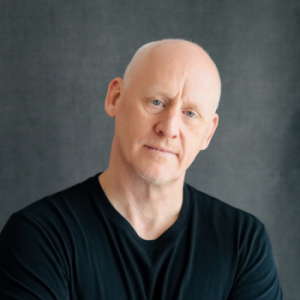
Suet Koon Lai (Koon)


Suet Koon Lai, better known as Koon, is an executive coach with over two decades of leadership experience at one of Australia’s largest global consulting firms. She brings a wealth of real-life experience to support leaders through a holistic approach that combines practical insights with transformative coaching techniques.

She has made significant strides in advancing numerous multicultural leaders, helping them unlock their full potential and overcome systemic barriers. Koon’s clients value her whole person approach, which helps them develop authentic leadership skills both in their professional and personal lives.

What does that mean? LinkedIn Writing, finding your authentic voice, and a true desire to make a genuine difference. Engaging with posts that pushes the envelope of acceptable DEI narratives.

Episode Notes

07:30 Lesson 1: Don’t Follow The Herd

12:57 Lesson 2: Don’t Network, Be Generous

15:52 Lesson 3: Don’t Be Confident, Be Competent

19:14 Lesson 4: Don’t Go Outside Your Comfort Zone, Stretch Your Comfort Zone

23:11 Lesson 5: Don’t Speak Up, Contribute With Substance

32:41 Lesson 6 : Don’t Be Yourself, Be Your Future Self

35:59 Lesson 7: Don’t Smash The Bamboo Ceiling, Build Your Own House Instead

49:32 Lesson 8: Don’t Self Promote, Be Truthful

53:18 Lesson 9: Don’t Work Hard, Work Smart

55:45 Lesson 10: Don’t work for money. Money works for you.

Koon – Don’t Be Confident, Be Competent

Jeffery Wang: Hello and welcome to 10 Lessons Learned, where we discern wisdom for business, career, and life. In other words, valuable lessons that you won’t find in a textbook because it took us years to learn this stuff.

My name is Jeffery Wang and your host today. I’m the founder of the Professional Development Forum, which helps diverse young professionals find fulfillment in the modern workplace.

we’re joined by Suet Koon Lai or better known as Koon. who has appeared in a PDF podcast in the past, but I’d really like her to come and share her, 10 lessons, because I believe that her story has, has a lot of unique wisdoms that I think will appeal to our audience. Now I’m going to read out your official bio and I’m going to go through and get you to tell us the real story.

The official bio that Koon gave [00:01:00] me is that she is an executive coach with over two decades of leadership experience at one of Australia’s largest global consulting firms. She brings a wealth of real life experience to support leaders through a holistic approach that combines practical insights with transformative coaching techniques.

She has made significant strides in advancing numerous multicultural leaders, helping them unlock their full potential and overcome systemic barriers. Koon’s clients value her whole person approach, which helps them develop authentic leadership skills both in their professional and personal lives.

Koon: Pretty long.

Jeffery Wang: Yeah, it is pretty long. It’s all a lot of big words, a lot of, a lot of, a lot to unpack there, but what, who are you and, what led to, what led you to what you do today? Yeah.

Koon: very good question. So maybe then I kind of share, more like me as a person. so, I grew up [00:02:00] in Malaysia.

and growing up in Malaysia from the get-go, I don’t know if people know this, but Malaysia, like racism and discrimination is all that.

Jeffery Wang: It’s in the constitution.

Koon: It’s in the constitution. And so, as a young child, I always already knew that how, my country treat me is going to be different to how it’s going to treat, my best friend.

Alright, who is a Malay, there was no resentment for that. It was just like, I know, and that really, spurred me in terms of this is what I’ve been given. So, what will I do about it? And studying hard was almost like that ticket out. Not only like Asian tiger parents, right?

You added on top of that the discrimination and racism of your home country. And it really spurs you on. and so, for me, [00:03:00] studying hard was the escape from that situation. it was the way out.

Jeffery Wang: and you carried that over to Australia.

Koon: so that also then gave me a lot of I was always arguing with my father. I remember, about the injustice of it.

And the advice I got was, don’t be bitter, be better. And I suppose inside of that kind of the, the kind of like fighting the injustice for something that, stayed with me and eventually that studying hard did get me into a university in Australia.

it has also meant that, that studying hard, I was in a Malay school, so that Malay was the main language, and English was maybe like half an hour, in a week or, so it’s not a lot. But my parents knew that because it’s, I’m not going to be able to go into a local university, that I have to be, like, learning [00:04:00] English.

My parents are Mandarin educated. my grandparents speak Hokkien. in school you got half an hour of English and then every, in the space you speak Cantonese. So, I did come with a bit of like chip on the shoulder that, oh, my English is not very good.

Jeffery Wang: And going to uni, I did comm law.

Koon: And then you see the smartest of the smartest Sure, yeah. In Australia. And that also compounded the pressure. And because you’re coming in as an international student, it you almost feel like you got a prove that your parents sacrifice was worth it. and it. And from that is like trying to find a job as well, and that was really hard, because unless you have a PR, you’re just not going to get a job.

Jeffery Wang: Sure, and then what, so did you end up finding a job?

Koon: no, not in Australia. But there was a lady, and she was the, and this is the part about learning to tell your story, and I told, I met her just [00:05:00] before I was going to start uni, and I was telling her my story, and why, studying overseas was going to be important, it was to, that ticket out, and it turns out that she was actually the officer who will process scholarship application.

Jeffery Wang: okay. Okay.

Koon: So, she put forth my application and because of that scholarship from Melbourne Uni, was how I ended up being in Australia. And there was the same lady when I couldn’t get the job in Australia, I told her, and she said, oh, I know somebody who knows a partner of a law firm in Malaysia, maybe you guys can have a chat.

And that was how then I got the job in Malaysia. At the same time, I did have a job offer from PwC Singapore. And that’s how I ended up in Singapore and then moving back to Australia because My husband, also my first boyfriend that I met in uni, [00:06:00] like he proposed. So that’s how I ended up in Australia.

So, it’s a long winded way. And then I ended up staying in that same organization for 20 years. And in that time has its challenges as well. Then had the kids and I got three boys, started creating content on LinkedIn.

Jeffery Wang: And that’s where you got a lot of attention because you are a very gifted storyteller.

Koon: which I didn’t even, realize because I was still that story early on where I said English really wasn’t my first language. I had a lot of fear about it. but I took it as a learning journey and, but it opened up doors in ways that I could not have imagined.

Jeffery Wang: And we will unpack that. So how Koon came from someone of pretty humble beginnings, who struggled with English to become who you are today, who is actually, coaching some of the, the most, up and coming leaders from multicultural background here in Australia. [00:07:00]

And it’s so interesting because, I really get taken back by the authenticity in the way you write. so clearly this is how I noticed you in the first place. And that’s why I invited you to have that first podcast. Now, clearly you don’t fit in a box or at least not anymore. and when I asked you to draft up 10 lessons learned, what you gave me was 10 lessons you’ve unlearned, which actually takes away our usual, curveball that we throw at you, but so what we’ve got here is 10 lessons unlearned with Koon.

Lesson 1: Don’t Follow the Herd

Jeffery Wang: And, lesson number one, you said, don’t follow the herd, stand out. What do you mean by don’t follow the herd?

Koon: that really came from me, that early days in my career in Australia where I was, I really felt the pressure to contort myself to fit into a box and having to learn then the next 10 years to un contort myself.

that the rules of engagement to [00:08:00] succeed, like all the advice that, maybe work for the majority. but for somebody, with my background, English is not my first language, the perception of what is charisma and what is presence. I just don’t have that look. And if I were to take on those advice.

And then follow the herd, follow the crowd. It would have been a real hard struggle. Instead, what I’ve learned was to be different, to do something that other people are not doing. And by doing that, I’m actually going to create a lot more opportunities for myself because I’m not following what everybody else is doing.

Jeffery Wang: I’m not competing for the same thing. Oh, 100%. look, I’d take two points with that, right? The first one is that if you’re trying to fit in, you’re trying to copy, your stereotypical charismatic leader, you’ll just come across as just all wrong, inauthentic, you’re, [00:09:00] nothing you do, because all you’re doing is trying to be a lesser version of somebody else.

and you’re, there’s nothing unique about you in a way that will be memorable. Doing you is good. But the second point I’ll take from that is, in fact, probably more of a question back to you is how do you, a lot of us don’t have the confidence to just be ourselves, right? Because of all these, programming that you had earlier in your life, somehow, you’re told to suppress that authenticity.

So how did you find the courage to essentially do you?

Koon: I think I kind of, I felt like it was tiring. to try to be like everybody else. and that really came at that juncture where I made a choice that I wasn’t going to defer having children.

I want, I love kids, and I want to have kids early in, in my life. So that was one point that I [00:10:00] didn’t want to follow what everybody else was doing. and that then came with consequences. The career plateaued. And because I made a choice to do what’s important to me, and work wise, it was also very challenging because I couldn’t do the long hours that everybody else was able to do.

it’s six o’clock, I have to be out, and I have to go and do childcare pickup. And that then come with like judgment of others that I’m no longer, ambitious or serious with my career. Yeah. And so, then I started looking for different roles. And there was two roles, a safe role of doing learning and development, which I love, and I’ve done it before.

The other role was a transformation role, which is back then so new and just now is ubiquitous. Everyone talks about it, but then it was so new that the hiring manager said to me, this role could be made redundant. And I was like, I [00:11:00] remember some advice from one of my closest friends who then said to me, it’s not the job that creates you your opportunities, it’s you creating your own opportunities.

And I said yes to that role. I’m really created all the new job description for myself. And in that time, then shape it in a way that is more like true to me, that it’s going to work for me. And play to my strength. Cause I can never compete with others with the long hours. I can’t compete with beautiful writing skills like, your consulting style writing skill.

but I can. built lots of relationship with people from different nationalities and different culture. As Malaysian, you can code switch with different people pretty easily because that’s what you’re used to. And so that role actually allowed me to play to that strength because I was really working a lot with our teams in India and the Philippines and Australia.

So, it actually [00:12:00] was like, you know what? I can play to that. And the making that choice to be like different, drawing onto my Malaysian ness was actually an asset.

Jeffery Wang: And that’s how you found that confidence

Koon: to do what is going to play to my strength rather than, something that, is a weakness and I already have to keep working on it.

and the be different is aligning that to more like what comes naturally and what gives you energy and the things You know, it’s more your strength than anything else because the return of investment playing to your strength, it’s much, much higher than the return of investment in the effort that you put in to fix your weaknesses.

So, it was really like, I’m not going to play the game that everybody else is playing. I’m going to create a new playing field for myself.

Lesson 2: Don’t Network, Be Generous

Jeffery Wang: that makes a lot of sense. So [00:13:00] lesson number two that you’ve unlearned is don’t network. Be generous, you say.

Koon: Yes. I remember somebody saying, like, how can you got to like network?

And I was cringed at that word. And the reason for it is because I think underlying that word network is, being quite transactional and superficial. You go to these big events and there’s all these people that you don’t know. They’re all strangers and it really make me feel very uncomfortable. I’m much more comfortable with one on one meeting with people, helping people.

And one day I was with a partner. And then he said to me, Oh, Koon, you’re such a good networker. And that really caught me out by surprise. And I’m like, what do you mean? I don’t see myself that way. and he said to me, that’s because every time he meet up with me, there’ll be somebody that I’ll introduce him to.

So [00:14:00] what I learned from that was that I didn’t have to be like networking, like everybody else thinking about networking. That if I do my one-on-one, which is what I’m most comfortable with, have that coffee. So, I go a formula 1, 1, 1, 1. Yep. So, if I go to one event, I just need to meet one person

Jeffery Wang: Yep.

Koon: To have one coffee with that person. And in that coffee being generous to that person that I’m talking to. listening to them and understanding them. But also figuring a way out to give, and there, I find there’s three ways that I can give to people, and I call it my CIA, not the spy agency, is there a connection, C, that I can introduce them to?

That will help them. Is there any I for information that I can share with them that can help them? Or A, is [00:15:00] there an action, something that I can do to help the person? So, in, if in every conversation I’m giving, I’m not expecting anything, right? I’m just giving. Invariably, you are depositing like goodwill, the social capital.

And over time, it is an exponential.

And it was something I was doing without realizing, but I suppose if there’s a lesson is to be generous. That’s how you’re going to end up building that social capital, not the networking that you might have imagined.

Jeffery Wang: Not the transactional relationships. You’re talking about genuine connections, genuine connection, real relationships,

Koon: real relationship, right? And real relationship with through like generosity, not expecting anything, but really sincerely like giving.

Lesson 3: Don’t Be Confident, Be Competent

Jeffery Wang: Now that I agree with. Lesson number three to be unlearned is don’t be confident. [00:16:00] Be competent.

Koon: The more people tell me to be confident, the more not confident I feel. And this is what they call the high achiever paradox, right? because, the person who knows stuff also know what they don’t know.

because they know what they don’t know, there’s more of this anxiousness that comes with it.

. Whereas the person who is not very competent. They don’t know that. They don’t know. and for me, it was like, don’t tell people to be confident. Focus on competence, because people mistake confidence for competence. And it’s, we know from real life experience, that is actually not the case, right?

I would rather that person be competent, but they also are aware of what they don’t know, so that they can go and figure it out.

Jeffery Wang: So, are you talking about imposter syndrome? people who feel [00:17:00] like they’re not as good as they are, sort of being judged to be.

Koon: Yeah. So, the word like syndrome, as if there’s something medically wrong with you, but it’s actually, but I think like the stats was showing like 70 to 80 percent of people actually experience that, oh, maybe I’m not as good as what people think.

How do you know you’re competent? don’t you have to be confident? In order to know your competence

when you start becoming more competent, the confidence will come So there’s this thing called the competence framework, right? Everyone always start with unconsciously Incompetent. You don’t know what you don’t know and at some stage you’ll realize that you are then consciously incompetent That’s where the anxiousness will come in that’s when they call this imposter syndrome, right but then if you keep working on your competence, you will become [00:18:00] consciously competent.

Jeffery Wang: So, you know what you’re doing, you

Koon: know what you’re doing. And if you keep taking actions to build your competence, that’s where you get to the unconsciously competent. That’s when it would just come natural to you. That’s where the confidence come in. And so that is something for people to know that when you are feeling that anxiousness, not feeling confident, know that you are on this like journey of competence.

So, you keep working on that competence. Eventually you will become unconsciously competent. And that is the real genuine confidence.

Jeffery Wang: So, by focusing on becoming more competent, you don’t worry about, I suppose, a lack of confidence.

Koon: Yeah. You got to focus on the competence and work on that competence and the competence.

I’m don’t just mean by the technical competence. I’m also meaning like the people competence. Cause as you progress up skills, the [00:19:00] soft skills, yes, because as you progress further up, It’s less and less, of your technical competence. It’s becoming more and more about your people competence. So, we’ve got to also start working on the people competence.

That’s right. Yeah.

Lesson 4: Don’t Go Outside Your Comfort Zone, Stretch Your Comfort Zone

Jeffery Wang: Okay. that makes a lot of sense. Lesson number four to unlearn. Don’t go outside of your comfort zone. Stretch your comfort zone.

Koon: Oh, this one. Yes.

Jeffery Wang: It’s one of my pet peeves, isn’t it? People telling you to get outside of your comfort zone and then you just end up Being annoyed.

Koon: Because for someone that has left their home country, the comfort of their own home, taking a risk to start all over again in a new country, we are already out of our comfort zone. We are already out of our comfort zone, right? And the piece where, I suppose the story that came with it was, I was, going after this particular [00:20:00] role, and in that particular role, I felt like it was like my pathway to success, like to be a partner.

And I was really outside of my comfort zone, like really outside of my comfort zone. It was doing on things like blockchain. I’m an auditor by trade, right? And blockchain, what do I know about it? And it was dealing with so many high profile clients. You can even find it in the news, this particular project.

and I was supposed to be like the PMO for this project. Really, outside of my comfort zone, the people challenges were incredible. And I was like, wow, the attention on it. and I actually burn out.

I was feeling this lack of confidence so much in that period. And all I could see was like this, that like the train, I had this image of train just [00:21:00] coming and we’re just, it’s going to hit all of us.

And it’s just going to be an absolute failure. And I had, at that point, they’re like, oh, we’re supportive of your promotion, like to the next level. And then most people will go Oh, great. Oh, the hard work, finally going to get recognized. At that point in time, all I could think about was suicide.

that was how much out of my comfort zone I was. And, Because I had another person who told me that he went through something similar, I call him up and he says get out of the car right now. So, for six months, really was in the black hole trying to dig myself out. And that was when I really learned that you know what, don’t go out of your comfort zone because when you go out of your comfort zone, you’re not playing to your strength.

And when you don’t play to your strength, it creates a lot of anxiousness and anxiety that comes with it. but instead, Stretch your [00:22:00] comfort zone. I go by 80 20. 80 percent of the time I’m playing to my strength and then 20 percent of the time is where I’m doing my stretch.

Jeffery Wang: And that’s where you do your growth.

Koon: That’s where I do my growth, right? And if incrementally, I keep stretching on my 20%, remember the competence framework that I was talking about?

Jeffery Wang: You’ll get there.

Koon: I will then actually, that 20%, I will, if I keep practicing on it, that becomes my strength because now I’m unconsciously competent, which then gives me another ability to stretch another 20%, another 20%.

So, when people see Oh, she seemed to be so confident. Well, that’s because 80 percent of the time I’m playing to, my strength and I’m stretching that other like 20%, whatever that 20 percent is.

Jeffery Wang: That’s really good wisdom. So, don’t just jump into the deep end thinking that, that’s where you need to be, but [00:23:00] play to your strengths so that you’ve got a good solid base that you can grow from and then on the 20 percent of the time that’s when you can stretch yourself.

you stretch yourself comfortably and you’re still growing.

Lesson 5: Don’t Speak Up, Contribute with Substance

Jeffery Wang: Yeah. And you don’t burn yourself out.

Koon: Don’t burn yourself out.

Jeffery Wang: Lesson number five to be unlearned. Don’t speak up, contribute with substance.

Koon: Yes. So, there’s something about the culture here that always ask people to speak up. But the thing about speaking up, is that if you don’t speak up, you then get labelled, you’re not assertive, you’re not confident.

But when you do speak up, then you get labelled as, oh, too aggressive, too bossy. And there’s a fine line between speaking up and not speaking up. And so that’s why it’s really hard for people to, when you just tell them the advice, oh, just speak up. It’s a thing called the low [00:24:00] power double bind. So, the low power double bind speaks of when there is differential in power with the other person, the range that, you’re speaking up, get rewarded when it’s low power is very narrow.

and this came from the research by, Adam Galinsky. And it was something that really made me understand why speaking up can be feeling so risky to some people and to myself, right? Because it did happen. I did at one stage did speak up, because that’s what they, they say, oh, you should speak up.

But then I got hauled up

for speaking up. And then, and hauled up by three senior people, much more senior than me. After being told, oh, you got to speak up, you got to speak up. When I do speak up, then I got hauled up by saying, oh, that was too aggressive. That’s not the way to speak.

You have to flex your leadership style. Interesting, right? That me, the junior person have to flex my leadership style [00:25:00] to three people who are more senior than me.

Jeffery Wang: but is it how you speak up, does it make a difference

Koon: Well, I think it’s like when, so there’s a few things, right? if you’re both on equal, your range where you do speak up, it’s a lot wider, right? But I was female. I was also an Asian female. So, there is certain expectation in terms of how I should be acting and speaking. And when I don’t fit into that stereotype, it’s jarring for the person who is on the receiving end.

Jeffery Wang: Even though what you’re saying is correct.

Koon: Even if what I’m saying is correct, because in this instance, I was saying like, hey, there are issues here. I was raising like issues and issues that we can then how do we constructively move from that? But instead, I was in a room that I was getting hauled up.

So, me, the junior person, with three people pointing their fingers at me. So, if you look at that situation, you go, hold on a minute. [00:26:00] One, there’s really that power differential. and what she’s raising is an issue, to, that, has an impact. So how do you actually constructively work through the issues that she’s raised?

Jeffery Wang: So, what would you recommend that people do instead then if you’re in, if you find yourself in that situation?

Koon: If I’m on that leader side, to have that awareness, like that is not the way to conduct it., to realize that the power that they have, but for me, that was the lesson that I said to myself, fine.

This is, I know that how I say things, I have to do double, triple, like thought in my head, how I’m going to say, and that’s why it’s exhausting when for the people that get told, oh, you’ve got to speak up. What they don’t realize is how much mental effort they need to make in order to speak up. So, I would still say [00:27:00] that I didn’t want to be put off by that.

And I did have to learn to be more. sophisticated in how I raise the issue, the tone that I use, to actually make that difference.

Jeffery Wang: So, what would you have done instead if you had to, if you find yourself in the same situation again, what would you recommend that you do?

Koon: I think in that situation,

Jeffery Wang: I would actually find allies.

Koon: because I didn’t have power to call them out. And I would need to have found like allies.

Jeffery Wang: Okay. But your lesson is that you don’t speak up, but you contribute with substance. how do you do that when you don’t, cause it, it seems to me like that particular situation, you’re damned if you do, you’re damned if you don’t, then how do how do you contribute with substance when You know, whatever you say is almost going to be used against you.

Koon: Yeah. that was a situation where there was very little that I could do [00:28:00] in at that point in time. But that advice, when I got told you got to flex your leadership style, I was like, fine, I will show you how I’m going to flex my leadership style.

Jeffery Wang: But it just sounds like really bad leadership to me.

Koon: There’s plenty of

Jeffery Wang: Bad leadership, but you’re not in a position to necessarily call them out. I’m just thinking, is there a lesson that we can draw? if you find yourself under bad leadership, there probably isn’t a solution other than to get out. But in that particular situation, is there some style that you could have picked that would have had a better outcome?

Koon: And one of the styles, like on reflection, is asking questions. Not every issue has to be like, hey, there’s something going on that is wrong here. Sometimes that style is to ask questions. And when you ask question, [00:29:00] you have the other person raise that issue.

Jeffery Wang: So again, I’m on your side. Here’s a monkey on your shoulder as well.

Yes. How do we get out of this?

Koon: And the other thing was alignment of interests is think about, what is it that’s going to motivate the other side to do what you need them to do? And people speak about organizational interests, but I find it more powerful to understand like personal interests.

Jeffery Wang: Yeah.

Koon: And that could be a carrot or a stick for them but figuring out that personal interest and then framing what you’re going to say that aligns to their personal interests are more likely to get the traction. So, in that situation, I was raising an issue, but it would have made them look really bad.

So, and they wouldn’t want to look bad, right? So, I didn’t think about that alignment of interests. I was thinking about the interests of the people that I represent when I’m bringing up the [00:30:00] issue. But I didn’t consider that already I was, there’s a power gap. And I was like, wow, they tell me to speak up, I should speak up.

And so, I did, but then I go, I don’t get the same privilege. So, I got to do that extra step to think about, how am I going to work with, where they are coming from. And I know that there’s probably oh, isn’t that normal? Like everywhere you should always be doing that. But when there’s extra power dynamics, there’s more that you have to think about and there’s more that how you’re going to say it matters.

Jeffery Wang: is there a way, is there a way to do this? other than learning the hard way, to get your head chewed off before you can learn how you know, how to speak up in a more effective manner.

Koon: building your power. Sometimes when I was speaking about that, when you’re on low power, speaking up is hard.

So, you can increase your range of power and increasing. And this is [00:31:00] the thing that Adam speaks about, right? Where, to build your power is knowing that what you have that others want. When others want what you can give, you have power. But if you want what others can give, they have power.

Jeffery Wang: That’s true.

Koon: So, the more that I built out on my power and power can come from like me knowing, okay, there is information or knowledge that I have or expertise I have that they’re going to need. There’s relationship,

so, expanding that power means that my ability to speak up then actually get rewarded rather than get penalized. So, I would say to people, it’s understand your own power and understand how you can expand your power. And that was something I wish I had learned earlier.

Jeffery Wang: Yeah, but I’d argue that’s, that’s universal in that everyone needs to learn that lesson.

Not just those with [00:32:00] a low power background, I think, understanding how power develops in society, that maybe the rules aren’t as explicit to people from a non-dominant culture. Whereas like people who grew up in that culture learns it by Osmosis, being around it and being taught explicitly how that works.

Whereas people from a different culture will just have to be a little bit more astute to observe the rules of how that power operates. So, I think the lesson there is to become more astute. in observing that and accumulate that rather than speaking up and coming across it.

But let’s move on.

Lesson 6: Don’t Be Yourself, Be Your Future Self

Jeffery Wang: Lesson number six don’t be yourself. Okay. So don’t be yourself. You’re talking about being authentic but be your future self.

Koon: Yes.

Jeffery Wang: Okay. So not quite this bit of a curve over there.

Koon: A bit of a curveball. what I was finding was like, that, that be yourself.it comes also with a [00:33:00] penalty. And if you’re

Jeffery Wang: What do you mean comes with a penalty?

Koon: like be myself for me would be shorts and t shirts and wear my slipper. That’s a very Malaysian thing to do, right?

Jeffery Wang: Yes, very much so

Koon: And, if I’m just being like myself, it may not necessarily going to be the self that the workplace is going to be looking for, or what the other person is looking for, right?

And the whole like, be yourself also, yeah, the more power you have, the more that your authenticity is going to get rewarded, right? but there’s always a part of your authenticity. And the other challenge that I also find with being yourself is sometimes that could limit your growth where you might go, no, I’m not going to do that because that’s just not me.

but what I found useful was actually asking myself, who do I want to be?

Jeffery Wang: Be, yeah, rather than rather than who you are now, who you want to be. [00:34:00]

Koon: It’s who do I want to be? And if having clarity about who I want to be, what is it that I want from my life, then helps me make the decision around, ah, when I’m at a crossroad.

What will I choose? And what I say yes to is going to get me closer to who I want to be. And what I say no to is because it’s going to take me away from who I want to be. So, it’s much more like conscious and intentional to be the person that I want to be.

Jeffery Wang: So, you can still be authentic, but it’s. understanding that you as a, you are fluid in who you really are.

So, you’re still being authentic, but being to who you want to be rather than who you are right now.

Koon: Right now. because if we think about it, like who we are right now, it would be quite different to who we are like 10 years

Jeffery Wang: ago. Yeah.

Koon: but instead of bumbling along with that is more going actually, who is the person that I want to be?

Jeffery Wang: [00:35:00] And be intentional about it.

Koon: And being intentional about it. the person I want to be is like; I want to be the person who is making a difference in terms of how I spend my time and my day. I want to be the person that my kids, my boys are going to choose to want to hang out with me

Jeffery Wang: because

Koon: they want to, not because they have to.

Jeffery Wang: what is that then? And body, right? being kind, being caring, say things, because it matters, even if it’s difficult.so then I’m consciously making those choices to be the person that I want to be. And then that comes with the risks, of course, but because it’s being with the person that I want to be, I’m prepared to accept those risks.

Oh, it’s character building. This is absolutely the journey that you have to take. And it’s about making those difficult choices, but it’s also being intentional about what those choices are. Yeah. I love it. So, I like this one. And we, I know we, bamboo ceiling is one of our, topics that we’ve discussed a lot over the years.

Lesson 7: Don’t Smash the Bamboo Ceiling, Build Your Own House Instead

Jeffery Wang: [00:36:00] Yes. Lesson number seven to unlearn, don’t smash the bamboo ceiling. So, you’re now changing your mind.

Koon: Yes.

Jeffery Wang: You’re telling us to build your own house instead.

Koon: Yes. Build your own house. I think there was an element where I was getting. Like frustrated, by the bamboo ceiling, the glass ceiling, and it was such a hard going to break the ceiling.

But then I had, I suppose that moment where, as I was creating content, it started to open doors where people were approaching me and say, hey, can you do coaching, mentoring? And that was after a year of writing. And so, I was like, oh, okay, let me see how that goes.so I made it into a social, enterprise and kind of see where that takes me.

I got to then to a stage where I was like, oh, hold on a minute. I think it’s. possible because by that time as well, [00:37:00] I really did feel like there was already a ceiling to my progression. That was the most senior that I could ever be in that organization. And so, it was a choice then. If I could stay and be stuck with that ceiling and get frustrated or, take that parachute out and build my own house.

That was really scary, to have to think through that. I remember telling my mom about it and she was like, are you sure you’re going to be doing that? you’ve worked so hard for so long, fought so hard as well. and you’re just going to give it up. Her word was like; you’re going to give it up.

And it did feel like I was giving it up. But and that feeling that I had to reconcile was like, oh, I hit a ceiling. And now I see if I’m going downwards

and I did have to reconcile that. And what I did learn from that was like, actually, I was actually building my own house

Jeffery Wang: and

Koon: therefore, there’s no ceiling.

Jeffery Wang: No, that’s [00:38:00] true. I’m just going to be a devil’s advocate. The whole concept of the bamboo ceiling or glass ceiling or whatever ceiling is this idea that you, believe that these, systemic and cultural barriers stops people of merit. Yeah. From ever reaching that their potential in these organizations.

So, isn’t the idea of abandoning your quest to smash these bamboo ceilings and glass ceilings and the likes, isn’t that kind of just giving up and, you build your own house? then, isn’t that a bit of a, Cop out? Yeah, it’s a bit of a pessimistic way of dealing with it, saying, they’ll never change.

but then doesn’t that prevent these organizations from becoming better?

Koon: So interestingly, after I left, I ended up with a stronger voice about the bamboo ceiling than I was in the organization.

Jeffery Wang: because when I left, then I could say what I needed to say.

Yeah, but it’s still [00:39:00] a loss of the organization because you’re no longer in it.

Yeah. I get that it’s better for you and I get, I take where your lesson’s coming from, which is that rather than wasting our time trying to change someone that don’t want to be changed or some organization don’t want change, but then isn’t that giving up on the mission that you believe that these people would be better off or these organizations would be better served if people with merit were to be able to be given the opportunity?

Koon: the mission then was broader than the organization. the mission was then, became broader than the organization. Remember Was it early on when I said like external in, if you want to change the organization from within?

Jeffery Wang: Yeah, be so good they can’t ignore you.

Koon: Be so good that they can’t ignore you, be so influential that they cannot ignore you.

So

Jeffery Wang: So, you basically realize that the mission is not necessarily self-advancement, your mission is a cultural change. It’s a cultural change.

Koon: Then it goes beyond the organization. Because when I then left, one, it gave me [00:40:00] the space to just say what needed to be said about the ceiling. I’m not constrained by that ceiling in terms of what I can say.

and when I’m able to say it in the public space, it actually attracts other allies and other advocates and champions that we then collaborate and work together in terms of dismantling. But doesn’t that

Jeffery Wang: just reveal the fact that the organization you’re working in had a toxic culture? doesn’t that just absolutely show exactly how bad that organization culture is, that you can’t say these things that are obviously self evidentially true.

Koon: It’s not unique, but it’s not unique to the organization. Yeah. It is in every organization that people are afraid to say.

Jeffery Wang: I’d argue that this is societal wide. And unfortunately, I think [00:41:00] the problem is actually wider than organization or even, on diversity and inclusion.

I think the problem is that people are afraid to say things which are inherently true because it comes at their own detriment. But the problem is that when this thing is so pervasive throughout the society, I’m a fear for our future because it, we can’t speak our minds. We can’t let the contest of ideas.

Let the best ideas float to the top.

Koon: and I agree with that. it is so pervasive, and it is happening, but where I’m different is that I’m actually more optimistic about it.

Jeffery Wang: Okay.

Koon: I’m actually more optimistic about it because I sense that there is now a, like a groundswell, like movement.

Reality is, Australia demographics, 25 percent is, Asians.

that, that is the, a reality, right? More than half of Australians are born overseas or have one parent born overseas. [00:42:00] That reality is not going to change.

Jeffery Wang: Yep.

Koon: And so, organization now have to grapple. When I say organization, I’m saying like senior leadership, right?

Senior leadership and board, that is still predominantly white, homogenous. That is something that they have to grapple with. And it’s, they, and they can start to see if they have a photo of their senior leadership team is predominantly Anglo European. And then they take a photo of the rest of their staff.

Non Anglo European.

Jeffery Wang: But that, that in itself alone is not proved that they haven’t promoted or merit it. I think the challenge there is that, they, again, this is the, the topic of you don’t know what you don’t know. So, the question is, have we made the best use of our human capital in this country?

Koon: We definitely haven’t, and I would even argue that merit is a myth. Right? [00:43:00] merit is a myth because people like to think that the best person gets the job. And it’s used to push back against work of diversity and inclusion. And they say, oh no, is that if you do diversity, equity, and inclusion, then you’re denying the best person for the job.

But in the first place, merit has always been a myth. It’s never been the best person for the job. It’s who do you know for the job?

Jeffery Wang: It’s a perception. It’s a function of power rather than confidence. I would say that it’s probably the truth is somewhere in the middle. there has to be, these hierarchies have to be built on some level of conf competence.

Koon: Correct.

Jeffery Wang: But over time, that definition or understanding of merit and competence has to evolve with the times. and my, my gut feel, and again, you can’t prove this one way or the other is if we have, [00:44:00] essentially, grown this country with this much, immigrants.

and this much human capital and potential, to make the best use out of it. I would expect that our senior leadership to somewhat reflect that population because, we’re talking about different ideas, different perspectives, different networks, different sort of influences.

but unfortunately, the reason why we haven’t got that is because we still got a, a leadership establishment that has failed to take into account. the need for this changing world that they have to grapple with outside of Australia. and I would argue that the reason is because we’ve been so lucky in, in Australia, we’ve been blessed with so much natural resources where, you know, very little geopolitical tensions and conflicts anywhere around us that we never had to make the best use of our people in order to really do well in this country.

unfortunately, the byproduct of that. Is that a lot of people who [00:45:00] we would regard as, potentially great leaders never got the opportunity because they still stuck in the 19, 50s, 60s mindset of what a great leader looks like.

Koon: And I would say to those is you got to be willing to also move.

if you feel like in, in that organization, you’re already cap. Move that was something I suppose like for me on hindsight. Yeah, I stayed on I didn’t move, because I was like no, I can still fight this, right? But equally by the same token if I didn’t stay on would I have picked up all of the skills?

That I needed to do what I do now, So I think where the difference is now, especially for the younger generation is the way to succeed is so much more options for them.

Jeffery Wang: you don’t necessarily have to follow a traditional path, graduate, follow the career path and get promoted in your job.

you could, you could potentially do a lot. And look, [00:46:00] and I think fundamentally I agree with you. I think we’re on nostalgically, connected, to, or attached to the idea that we could somehow change this rather than, building the new house is because, three of my brightest friends from university just gave up on Australia.

I went to Shanghai, Singapore, and Silicon Valley and doing great things. Never, they never came back. But the travesty of that is, this could have been people that could have been contributing to the Australian economy, building, our innovation, doing great work for us. But because of our inability to really see them for their merited potential, we’ve lost them to better places around the world.

Koon: And I think that’s something that Australia do need to grapple with, because if that continues, the younger generation are just going. You know what? If we can’t succeed here, there’s too many barriers. We have options. We can go [00:47:00] to other places that is going to value us. And so that, that is something that Australia will need to grapple with because you’re right, the complacency comes from, the prosperity of Australia comes from underneath its ground.

I would argue that it’s actually the humans living above its ground.

Jeffery Wang: It’s the people. Yeah. And the irony is that it’s not just happening to Asians, right? This has been happening a long time. I’ve just seen Crocodile Dundee, I think Steve Irwin, it’s clear that it’s, these brilliant people are appreciated more by people outside of Australia than within Australia.

Koon: And as you go back to an organization, sometimes it takes you leaving the organization for the organization to value you and for you to learn to value yourself.

Jeffery Wang: Yes. And I take your advice. I, as I was saying, I’m emotionally attached to, certain things, but I understand why you would say build your own house rather than trying to fix the, or to smash a bamboo ceiling.

Koon: And it’s the same with the clients I have, right? At some [00:48:00] stage, if you find it too hard, you got to start to go, how am I using my energy here? And if that’s the organization that’s not going to appreciate, then How do you create options for yourself so that you don’t feel this frustration of being stuck?

Jeffery Wang: That’s right.

Koon: Yeah. It’s that creating of that option, right? we have our ancestors who create options for themselves. they move, that’s right. Like they left home, go to a different country and then move again. I move again. Mine ancestors for China moved to Malaysia, because there was a, a ceiling.

Different kind of ceiling, but there was a ceiling. So, they left, took a risk. And then I came here because there was a ceiling. But then I noticed here and even to my kids now, I say 9 to 5 is not something that you have to,

you can go and create. And I met this lady; she was so inspirational. She was still in uni and she was like, [00:49:00] I don’t have energy to go and fight all this bamboo ceiling.

So, she could build her own company. And then she built it with the people that, she don’t have to carry the extra emotional, mental load of fighting the ceiling because she’s just busy building.

Jeffery Wang: That’s right. and that is a much more fulfilling life

Koon: Build it so big that they, others want to join into your house.

Jeffery Wang: That’s right. And you can dictate the culture of that.

Great lesson. Thanks for sharing that. great, uh, little, uh, rabbit hole that we went down.

Lesson 8: Don’t Self Promote, Be Truthful

Jeffery Wang: Yes. Lesson number eight. We’ve got to move on. Oh, this is going to be a good one. Don’t self-promote. Be truthful. we get told that, you need to build your own brand, right? So why not self-promote?

Koon: I think the word like self-promote almost there’s an, there’s a meaning, implied in it is this over exaggeration

in the self-promotion. And then with a culture of like humility that comes into it, that really sits uncomfortably. [00:50:00] And I’d rather lean on the value of being truthful.

Jeffery Wang: Okay.

Koon: So, tell, the things that are progressing as well as the things that has been achieved.

as well as also be truthful about the challenges. So, I went through that stage of I can’t, I don’t feel right to self-promote, but I’m okay to be truthful. So, I will tell like truthfully what has been achieved, what has been delivered because I’m also having a bit of like empathy.

I don’t expect my boss to know everything that I’ve done. It’s impossible. And it’s that empathy and that perspective taking that I go, I just need to be truthful and even truthful on the things that are not going well. Not to say that, and that does have to overcome a little bit of that fear of being judged as incompetent, [00:51:00] it’s about saying hey, these are the barriers or the roadblocks or the challenges, and I actually need your help.

To do whatever, or these are the barriers. This is what that me and the team are doing to overcome that barrier. That part was definitely a lot harder, to do because you’re already like, Oh, you’re not self-promoting. So, you’re not over exaggerating, but then you also have to overcome this fear of being viewed as incompetent when you raise issue.

Yeah. But I really had to learn that lesson as well about being truthful was because my boss would say, hey, you’re telling me all the stuff that’s going well, but I don’t hear all the bad stuff. So, at the back of my mind, I’m like, is there stuff that is going on that I really should know? And that was a piece of learning to be truthful.

Jeffery Wang: Yeah, understood. and this is particularly important for, the Asian culture because humility is at the forefront of that culture. You don’t want to be bragging, you don’t want to [00:52:00] be talking about yourself, but at the same time, if you’re not truthful and if you’re not communicating things as they are, then Unfortunately, I don’t think the situation would be optimal.

You will not achieve the results that you would desire. and that’s why it’s important to do that. But I think that mindset shift from being self-promoting to being truthful, I think is a very powerful and a very practical one that we could all employ.

Koon: Yeah, I know. So, I’m also thinking that I’m also, I have to be truthful for my team.

If I don’t tell what the team has achieved or delivered, then I’m not being truthful for their work.

Jeffery Wang: That’s right. And you need to promote, as a leader, you need to be able to promote their achievements as well.

Koon: Yeah, because then they’ll be like, oh, and for them, they’ll be like, why are we working so hard if Koon is not going to be truthful about how much we have put in and the impact that we have delivered.

So, it’s also for me to be truthful for them. And only through that will you then [00:53:00] be able to get more resources, more trust to do more exciting, interesting stuff. So don’t compete on self-promotion, compete on being truthful.

Jeffery Wang: And that’s just what good leadership should be. All right, lesson number nine.

Lesson 9: Don’t Work Hard, Work Smart

Jeffery Wang: Don’t work hard, work smart. This is very un-Asian of you.

Koon: Yes, because the more senior that you get to, everybody is working hard, right? There’s very few senior leaders that don’t work hard. So, you cannot win by simply working hard. You got to shift into working smart. You’re still expected to deliver that output and more, but how can you actually figure a way out to work smarter?

whether that is, and so I like to use the principle [00:54:00] of Every one unit of my effort, I need to see 10 times the impact, right? And so, if I’m going to spend time in that meeting, I need to know that because by investing my time in that meeting, there’ll be 10 times the impact because my, my, it’s an important meeting that I need to Dedicate my time to.

It will then spread to other people from a change or implementation point of view, right? equally, working smart is also about removing things rather than keep adding. So, a lot of people, keep adding. More and more and more and more.

Jeffery Wang: As in like to, to,

Koon: Take on more and more.

Jeffery Wang: But you’re talking about being more focused.

Koon: Being more focused and very disciplined about what you remove. You have to be as good as removing as you are adding.

Jeffery Wang: Gotcha. Yep.

Koon: When you add, is the add of that is going to create more value, hence the 10 times. That’s right. [00:55:00] But you need to be also disciplined to remove. If

Jeffery Wang: it’s not adding any value, you need to get rid of.

Koon: And if you are not the right person for it, you got to think about giving it to your team or other people to go and do it.one of the frameworks that we have used is, the, there’s five pillars, right? what, one of the first pillar is eliminate. So, in transformation, before you do anything, your first thing is you need to work out what you need to eliminate.

Otherwise, garbage in, garbage out. same thing. It’s, you’ve got to start to eliminate first. Remove certain meetings, remove certain reports, remove certain things that you don’t need to do anymore. Yep. Then you prioritize what is really important. Not about working harder, working smarter. Yeah.

Lesson 10: Don’t work for money. Money works for you.

Jeffery Wang: That’s a great lesson. Thanks for that. And, finally, and I like this one because it’s about money. don’t work for money. Money, you should make your money work for you.

Koon: Yes.

Jeffery Wang: All right.

Koon: This was something that, I was at [00:56:00] this conference and this person, I’m very thankful to that person, he said most people work hard to earn the money so that they can be happy.

But the person said like most people don’t know what makes them happy.

Jeffery Wang: That’s true.

Koon: So, they work really hard to chase after this money. So, to get to this imaginary, like happy. And he said that you got to work out first, what makes you happy, then quantify the money.

Jeffery Wang: That’s required.

Koon: That is required to make you happy.

Then you know how much you need to work, how hard you need to work

Jeffery Wang: to get there.

Koon: Because if you realize that what’s going to make you happy actually doesn’t cost a lot of money, then why are you working so hard? because you are sacrificing what actually makes you happy for a less happy life. [00:57:00] So that really shifted my perspective around, okay, so there’s three types of independence that was going to make me happy, right?

Financially independent. That means I’m not depending on the salary anymore.

Jeffery Wang: It’s a freedom.

Koon: It’s the freedom, right? To do what I want with my time. So that means, not relying on an income, but building up passive income, and therefore I need to know what is that passive income that is going to support my happy life.

Because then that will give me career independence. Choosing the kind of work that I want to do, not because I have to, but because that’s a career that I want to do. And with that, which is also very important, is to build emotional independence, meaning your validation.

Jeffery Wang: You don’t need your work to be who you are.

Koon: You don’t need the work, and you don’t need other people to validate you. You don’t need the [00:58:00] external validation. The only validation that really matters is your own validation. And that’s what I call emotional independence. My happiness is not dependent on how you feel about me.

Jeffery Wang: It’s a crazy how much people actually rely on that or care about that.

Koon: Yeah. and then, all three are like joined and it’s not like you do one then is the other. Definitely yes, financial independence and emotional independence is that journey to get to that career independence. But that emotional independence is what I see yes, you need to put in the work for it.

So have the money work for you. Rather than you work for the money.

Jeffery Wang: And that’s a big mindset shift. Yeah. Love it. Love it. this is why I knew we need to talk and get you to share your 10 lessons, and you did not disappoint. It was 10 lessons unlearned. [00:59:00] So I can’t actually ask you now, what have you unlearned that you always thought to be the case?

but no, that’s been a whole lot of fun. quite frankly, I really like the idea, like you, you pack some pretty, complex concepts in there, but in a very, in a simple manner, I think, some of that, I’ll be, pondering over and strewing over, but thank you so much for joining us and, we’ll finish on that note.

Koon: Thank you, Jeffrey.

Jeffery Wang: It’s been absolutely wonderful having you. you’ve been listening to 10 Lessons Learned, the podcast that makes the world a little wiser, lesson by lesson. We’re joined today by our special guest and friend,

And we’d like to thank our 10 Lessons team that makes our show possible, our episode editor Cody Comeau, marketing and social media manager Yi Wang, and our producer Robert Hossary, supported as always by the Professional Development Forum. Don’t forget to leave us a review or comment. You can email us at podcast at [01:00:00] 10lessonslearned.

com, that’s podcast at number one zero lessons learned. com. Go ahead and hit that subscribe button so that you don’t miss an episode of the only podcast that makes the world a little wiser, lesson by lesson. Thanks for tuning in and stay safe, everyone.

Thanks to our 10 Lessons team that make our show possible: Our Episode Editor Codie Comeau, Marketing and social media managed by Yi Wang, and our Producer Robert Hossary. Sponsored as always by Professional Development Forum. You can find the www.professionaldevelopmentforum.org.

You’ve heard from us we’d like to hear from you. Email us it’s podcast@10lessonslearned.com.

Remember, this is the podcast the only podcast. That’s makes the world wiser lesson by lesson.
Koon

Suet Koon Lai- Don’t Be Confident, Be Competent

In this episode of '10 Lessons Learned', host Jeffrey Wang converses with Suet Koon Lai (Koon), an executive coach with over two decades of leadership experience, exploring the theme of lessons unlearned in professional and personal growth. Koon shares her journey from Malaysia to Australia, detailing her struggles with systemic racism, language barriers, and career challenges. They discuss the concept of unlearning common advice such as 'follow the herd', 'network', 'be confident', and 'speak up', advocating instead for standing out, being generous, focusing on competence, and contributing with substance. They also touch on the importance of stretching comfort zones, being one's future self, building a personal brand truthfully, working smart, making money work for you, and the broader mission of cultural change. The episode offers rich insights into overcoming traditional barriers and creating one's own path.

Suet Koon Lai (Koon)


Suet Koon Lai, better known as Koon, is an executive coach with over two decades of leadership experience at one of Australia’s largest global consulting firms. She brings a wealth of real-life experience to support leaders through a holistic approach that combines practical insights with transformative coaching techniques.

She has made significant strides in advancing numerous multicultural leaders, helping them unlock their full potential and overcome systemic barriers. Koon’s clients value her whole person approach, which helps them develop authentic leadership skills both in their professional and personal lives.

What does that mean? LinkedIn Writing, finding your authentic voice, and a true desire to make a genuine difference. Engaging with posts that pushes the envelope of acceptable DEI narratives.

Episode Notes

07:30 Lesson 1: Don’t Follow The Herd

12:57 Lesson 2: Don’t Network, Be Generous

15:52 Lesson 3: Don’t Be Confident, Be Competent

19:14 Lesson 4: Don’t Go Outside Your Comfort Zone, Stretch Your Comfort Zone

23:11 Lesson 5: Don’t Speak Up, Contribute With Substance

32:41 Lesson 6 : Don’t Be Yourself, Be Your Future Self

35:59 Lesson 7: Don’t Smash The Bamboo Ceiling, Build Your Own House Instead

49:32 Lesson 8: Don’t Self Promote, Be Truthful

53:18 Lesson 9: Don’t Work Hard, Work Smart

55:45 Lesson 10: Don’t work for money. Money works for you.

Koon – Don’t Be Confident, Be Competent

Jeffery Wang: Hello and welcome to 10 Lessons Learned, where we discern wisdom for business, career, and life. In other words, valuable lessons that you won’t find in a textbook because it took us years to learn this stuff.

My name is Jeffery Wang and your host today. I’m the founder of the Professional Development Forum, which helps diverse young professionals find fulfillment in the modern workplace.

we’re joined by Suet Koon Lai or better known as Koon. who has appeared in a PDF podcast in the past, but I’d really like her to come and share her, 10 lessons, because I believe that her story has, has a lot of unique wisdoms that I think will appeal to our audience. Now I’m going to read out your official bio and I’m going to go through and get you to tell us the real story.

The official bio that Koon gave [00:01:00] me is that she is an executive coach with over two decades of leadership experience at one of Australia’s largest global consulting firms. She brings a wealth of real life experience to support leaders through a holistic approach that combines practical insights with transformative coaching techniques.

She has made significant strides in advancing numerous multicultural leaders, helping them unlock their full potential and overcome systemic barriers. Koon’s clients value her whole person approach, which helps them develop authentic leadership skills both in their professional and personal lives.

Koon: Pretty long.

Jeffery Wang: Yeah, it is pretty long. It’s all a lot of big words, a lot of, a lot of, a lot to unpack there, but what, who are you and, what led to, what led you to what you do today? Yeah.

Koon: very good question. So maybe then I kind of share, more like me as a person. so, I grew up [00:02:00] in Malaysia.

and growing up in Malaysia from the get-go, I don’t know if people know this, but Malaysia, like racism and discrimination is all that.

Jeffery Wang: It’s in the constitution.

Koon: It’s in the constitution. And so, as a young child, I always already knew that how, my country treat me is going to be different to how it’s going to treat, my best friend.

Alright, who is a Malay, there was no resentment for that. It was just like, I know, and that really, spurred me in terms of this is what I’ve been given. So, what will I do about it? And studying hard was almost like that ticket out. Not only like Asian tiger parents, right?

You added on top of that the discrimination and racism of your home country. And it really spurs you on. and so, for me, [00:03:00] studying hard was the escape from that situation. it was the way out.

Jeffery Wang: and you carried that over to Australia.

Koon: so that also then gave me a lot of I was always arguing with my father. I remember, about the injustice of it.

And the advice I got was, don’t be bitter, be better. And I suppose inside of that kind of the, the kind of like fighting the injustice for something that, stayed with me and eventually that studying hard did get me into a university in Australia.

it has also meant that, that studying hard, I was in a Malay school, so that Malay was the main language, and English was maybe like half an hour, in a week or, so it’s not a lot. But my parents knew that because it’s, I’m not going to be able to go into a local university, that I have to be, like, learning [00:04:00] English.

My parents are Mandarin educated. my grandparents speak Hokkien. in school you got half an hour of English and then every, in the space you speak Cantonese. So, I did come with a bit of like chip on the shoulder that, oh, my English is not very good.

Jeffery Wang: And going to uni, I did comm law.

Koon: And then you see the smartest of the smartest Sure, yeah. In Australia. And that also compounded the pressure. And because you’re coming in as an international student, it you almost feel like you got a prove that your parents sacrifice was worth it. and it. And from that is like trying to find a job as well, and that was really hard, because unless you have a PR, you’re just not going to get a job.

Jeffery Wang: Sure, and then what, so did you end up finding a job?

Koon: no, not in Australia. But there was a lady, and she was the, and this is the part about learning to tell your story, and I told, I met her just [00:05:00] before I was going to start uni, and I was telling her my story, and why, studying overseas was going to be important, it was to, that ticket out, and it turns out that she was actually the officer who will process scholarship application.

Jeffery Wang: okay. Okay.

Koon: So, she put forth my application and because of that scholarship from Melbourne Uni, was how I ended up being in Australia. And there was the same lady when I couldn’t get the job in Australia, I told her, and she said, oh, I know somebody who knows a partner of a law firm in Malaysia, maybe you guys can have a chat.

And that was how then I got the job in Malaysia. At the same time, I did have a job offer from PwC Singapore. And that’s how I ended up in Singapore and then moving back to Australia because My husband, also my first boyfriend that I met in uni, [00:06:00] like he proposed. So that’s how I ended up in Australia.

So, it’s a long winded way. And then I ended up staying in that same organization for 20 years. And in that time has its challenges as well. Then had the kids and I got three boys, started creating content on LinkedIn.

Jeffery Wang: And that’s where you got a lot of attention because you are a very gifted storyteller.

Koon: which I didn’t even, realize because I was still that story early on where I said English really wasn’t my first language. I had a lot of fear about it. but I took it as a learning journey and, but it opened up doors in ways that I could not have imagined.

Jeffery Wang: And we will unpack that. So how Koon came from someone of pretty humble beginnings, who struggled with English to become who you are today, who is actually, coaching some of the, the most, up and coming leaders from multicultural background here in Australia. [00:07:00]

And it’s so interesting because, I really get taken back by the authenticity in the way you write. so clearly this is how I noticed you in the first place. And that’s why I invited you to have that first podcast. Now, clearly you don’t fit in a box or at least not anymore. and when I asked you to draft up 10 lessons learned, what you gave me was 10 lessons you’ve unlearned, which actually takes away our usual, curveball that we throw at you, but so what we’ve got here is 10 lessons unlearned with Koon.

Lesson 1: Don’t Follow the Herd

Jeffery Wang: And, lesson number one, you said, don’t follow the herd, stand out. What do you mean by don’t follow the herd?

Koon: that really came from me, that early days in my career in Australia where I was, I really felt the pressure to contort myself to fit into a box and having to learn then the next 10 years to un contort myself.

that the rules of engagement to [00:08:00] succeed, like all the advice that, maybe work for the majority. but for somebody, with my background, English is not my first language, the perception of what is charisma and what is presence. I just don’t have that look. And if I were to take on those advice.

And then follow the herd, follow the crowd. It would have been a real hard struggle. Instead, what I’ve learned was to be different, to do something that other people are not doing. And by doing that, I’m actually going to create a lot more opportunities for myself because I’m not following what everybody else is doing.

Jeffery Wang: I’m not competing for the same thing. Oh, 100%. look, I’d take two points with that, right? The first one is that if you’re trying to fit in, you’re trying to copy, your stereotypical charismatic leader, you’ll just come across as just all wrong, inauthentic, you’re, [00:09:00] nothing you do, because all you’re doing is trying to be a lesser version of somebody else.

and you’re, there’s nothing unique about you in a way that will be memorable. Doing you is good. But the second point I’ll take from that is, in fact, probably more of a question back to you is how do you, a lot of us don’t have the confidence to just be ourselves, right? Because of all these, programming that you had earlier in your life, somehow, you’re told to suppress that authenticity.

So how did you find the courage to essentially do you?

Koon: I think I kind of, I felt like it was tiring. to try to be like everybody else. and that really came at that juncture where I made a choice that I wasn’t going to defer having children.

I want, I love kids, and I want to have kids early in, in my life. So that was one point that I [00:10:00] didn’t want to follow what everybody else was doing. and that then came with consequences. The career plateaued. And because I made a choice to do what’s important to me, and work wise, it was also very challenging because I couldn’t do the long hours that everybody else was able to do.

it’s six o’clock, I have to be out, and I have to go and do childcare pickup. And that then come with like judgment of others that I’m no longer, ambitious or serious with my career. Yeah. And so, then I started looking for different roles. And there was two roles, a safe role of doing learning and development, which I love, and I’ve done it before.

The other role was a transformation role, which is back then so new and just now is ubiquitous. Everyone talks about it, but then it was so new that the hiring manager said to me, this role could be made redundant. And I was like, I [00:11:00] remember some advice from one of my closest friends who then said to me, it’s not the job that creates you your opportunities, it’s you creating your own opportunities.

And I said yes to that role. I’m really created all the new job description for myself. And in that time, then shape it in a way that is more like true to me, that it’s going to work for me. And play to my strength. Cause I can never compete with others with the long hours. I can’t compete with beautiful writing skills like, your consulting style writing skill.

but I can. built lots of relationship with people from different nationalities and different culture. As Malaysian, you can code switch with different people pretty easily because that’s what you’re used to. And so that role actually allowed me to play to that strength because I was really working a lot with our teams in India and the Philippines and Australia.

So, it actually [00:12:00] was like, you know what? I can play to that. And the making that choice to be like different, drawing onto my Malaysian ness was actually an asset.

Jeffery Wang: And that’s how you found that confidence

Koon: to do what is going to play to my strength rather than, something that, is a weakness and I already have to keep working on it.

and the be different is aligning that to more like what comes naturally and what gives you energy and the things You know, it’s more your strength than anything else because the return of investment playing to your strength, it’s much, much higher than the return of investment in the effort that you put in to fix your weaknesses.

So, it was really like, I’m not going to play the game that everybody else is playing. I’m going to create a new playing field for myself.

Lesson 2: Don’t Network, Be Generous

Jeffery Wang: that makes a lot of sense. So [00:13:00] lesson number two that you’ve unlearned is don’t network. Be generous, you say.

Koon: Yes. I remember somebody saying, like, how can you got to like network?

And I was cringed at that word. And the reason for it is because I think underlying that word network is, being quite transactional and superficial. You go to these big events and there’s all these people that you don’t know. They’re all strangers and it really make me feel very uncomfortable. I’m much more comfortable with one on one meeting with people, helping people.

And one day I was with a partner. And then he said to me, Oh, Koon, you’re such a good networker. And that really caught me out by surprise. And I’m like, what do you mean? I don’t see myself that way. and he said to me, that’s because every time he meet up with me, there’ll be somebody that I’ll introduce him to.

So [00:14:00] what I learned from that was that I didn’t have to be like networking, like everybody else thinking about networking. That if I do my one-on-one, which is what I’m most comfortable with, have that coffee. So, I go a formula 1, 1, 1, 1. Yep. So, if I go to one event, I just need to meet one person

Jeffery Wang: Yep.

Koon: To have one coffee with that person. And in that coffee being generous to that person that I’m talking to. listening to them and understanding them. But also figuring a way out to give, and there, I find there’s three ways that I can give to people, and I call it my CIA, not the spy agency, is there a connection, C, that I can introduce them to?

That will help them. Is there any I for information that I can share with them that can help them? Or A, is [00:15:00] there an action, something that I can do to help the person? So, in, if in every conversation I’m giving, I’m not expecting anything, right? I’m just giving. Invariably, you are depositing like goodwill, the social capital.

And over time, it is an exponential.

And it was something I was doing without realizing, but I suppose if there’s a lesson is to be generous. That’s how you’re going to end up building that social capital, not the networking that you might have imagined.

Jeffery Wang: Not the transactional relationships. You’re talking about genuine connections, genuine connection, real relationships,

Koon: real relationship, right? And real relationship with through like generosity, not expecting anything, but really sincerely like giving.

Lesson 3: Don’t Be Confident, Be Competent

Jeffery Wang: Now that I agree with. Lesson number three to be unlearned is don’t be confident. [00:16:00] Be competent.

Koon: The more people tell me to be confident, the more not confident I feel. And this is what they call the high achiever paradox, right? because, the person who knows stuff also know what they don’t know.

because they know what they don’t know, there’s more of this anxiousness that comes with it.

. Whereas the person who is not very competent. They don’t know that. They don’t know. and for me, it was like, don’t tell people to be confident. Focus on competence, because people mistake confidence for competence. And it’s, we know from real life experience, that is actually not the case, right?

I would rather that person be competent, but they also are aware of what they don’t know, so that they can go and figure it out.

Jeffery Wang: So, are you talking about imposter syndrome? people who feel [00:17:00] like they’re not as good as they are, sort of being judged to be.

Koon: Yeah. So, the word like syndrome, as if there’s something medically wrong with you, but it’s actually, but I think like the stats was showing like 70 to 80 percent of people actually experience that, oh, maybe I’m not as good as what people think.

How do you know you’re competent? don’t you have to be confident? In order to know your competence

when you start becoming more competent, the confidence will come So there’s this thing called the competence framework, right? Everyone always start with unconsciously Incompetent. You don’t know what you don’t know and at some stage you’ll realize that you are then consciously incompetent That’s where the anxiousness will come in that’s when they call this imposter syndrome, right but then if you keep working on your competence, you will become [00:18:00] consciously competent.

Jeffery Wang: So, you know what you’re doing, you

Koon: know what you’re doing. And if you keep taking actions to build your competence, that’s where you get to the unconsciously competent. That’s when it would just come natural to you. That’s where the confidence come in. And so that is something for people to know that when you are feeling that anxiousness, not feeling confident, know that you are on this like journey of competence.

So, you keep working on that competence. Eventually you will become unconsciously competent. And that is the real genuine confidence.

Jeffery Wang: So, by focusing on becoming more competent, you don’t worry about, I suppose, a lack of confidence.

Koon: Yeah. You got to focus on the competence and work on that competence and the competence.

I’m don’t just mean by the technical competence. I’m also meaning like the people competence. Cause as you progress up skills, the [00:19:00] soft skills, yes, because as you progress further up, It’s less and less, of your technical competence. It’s becoming more and more about your people competence. So, we’ve got to also start working on the people competence.

That’s right. Yeah.

Lesson 4: Don’t Go Outside Your Comfort Zone, Stretch Your Comfort Zone

Jeffery Wang: Okay. that makes a lot of sense. Lesson number four to unlearn. Don’t go outside of your comfort zone. Stretch your comfort zone.

Koon: Oh, this one. Yes.

Jeffery Wang: It’s one of my pet peeves, isn’t it? People telling you to get outside of your comfort zone and then you just end up Being annoyed.

Koon: Because for someone that has left their home country, the comfort of their own home, taking a risk to start all over again in a new country, we are already out of our comfort zone. We are already out of our comfort zone, right? And the piece where, I suppose the story that came with it was, I was, going after this particular [00:20:00] role, and in that particular role, I felt like it was like my pathway to success, like to be a partner.

And I was really outside of my comfort zone, like really outside of my comfort zone. It was doing on things like blockchain. I’m an auditor by trade, right? And blockchain, what do I know about it? And it was dealing with so many high profile clients. You can even find it in the news, this particular project.

and I was supposed to be like the PMO for this project. Really, outside of my comfort zone, the people challenges were incredible. And I was like, wow, the attention on it. and I actually burn out.

I was feeling this lack of confidence so much in that period. And all I could see was like this, that like the train, I had this image of train just [00:21:00] coming and we’re just, it’s going to hit all of us.

And it’s just going to be an absolute failure. And I had, at that point, they’re like, oh, we’re supportive of your promotion, like to the next level. And then most people will go Oh, great. Oh, the hard work, finally going to get recognized. At that point in time, all I could think about was suicide.

that was how much out of my comfort zone I was. And, Because I had another person who told me that he went through something similar, I call him up and he says get out of the car right now. So, for six months, really was in the black hole trying to dig myself out. And that was when I really learned that you know what, don’t go out of your comfort zone because when you go out of your comfort zone, you’re not playing to your strength.

And when you don’t play to your strength, it creates a lot of anxiousness and anxiety that comes with it. but instead, Stretch your [00:22:00] comfort zone. I go by 80 20. 80 percent of the time I’m playing to my strength and then 20 percent of the time is where I’m doing my stretch.

Jeffery Wang: And that’s where you do your growth.

Koon: That’s where I do my growth, right? And if incrementally, I keep stretching on my 20%, remember the competence framework that I was talking about?

Jeffery Wang: You’ll get there.

Koon: I will then actually, that 20%, I will, if I keep practicing on it, that becomes my strength because now I’m unconsciously competent, which then gives me another ability to stretch another 20%, another 20%.

So, when people see Oh, she seemed to be so confident. Well, that’s because 80 percent of the time I’m playing to, my strength and I’m stretching that other like 20%, whatever that 20 percent is.

Jeffery Wang: That’s really good wisdom. So, don’t just jump into the deep end thinking that, that’s where you need to be, but [00:23:00] play to your strengths so that you’ve got a good solid base that you can grow from and then on the 20 percent of the time that’s when you can stretch yourself.

you stretch yourself comfortably and you’re still growing.

Lesson 5: Don’t Speak Up, Contribute with Substance

Jeffery Wang: Yeah. And you don’t burn yourself out.

Koon: Don’t burn yourself out.

Jeffery Wang: Lesson number five to be unlearned. Don’t speak up, contribute with substance.

Koon: Yes. So, there’s something about the culture here that always ask people to speak up. But the thing about speaking up, is that if you don’t speak up, you then get labelled, you’re not assertive, you’re not confident.

But when you do speak up, then you get labelled as, oh, too aggressive, too bossy. And there’s a fine line between speaking up and not speaking up. And so that’s why it’s really hard for people to, when you just tell them the advice, oh, just speak up. It’s a thing called the low [00:24:00] power double bind. So, the low power double bind speaks of when there is differential in power with the other person, the range that, you’re speaking up, get rewarded when it’s low power is very narrow.

and this came from the research by, Adam Galinsky. And it was something that really made me understand why speaking up can be feeling so risky to some people and to myself, right? Because it did happen. I did at one stage did speak up, because that’s what they, they say, oh, you should speak up.

But then I got hauled up

for speaking up. And then, and hauled up by three senior people, much more senior than me. After being told, oh, you got to speak up, you got to speak up. When I do speak up, then I got hauled up by saying, oh, that was too aggressive. That’s not the way to speak.

You have to flex your leadership style. Interesting, right? That me, the junior person have to flex my leadership style [00:25:00] to three people who are more senior than me.

Jeffery Wang: but is it how you speak up, does it make a difference

Koon: Well, I think it’s like when, so there’s a few things, right? if you’re both on equal, your range where you do speak up, it’s a lot wider, right? But I was female. I was also an Asian female. So, there is certain expectation in terms of how I should be acting and speaking. And when I don’t fit into that stereotype, it’s jarring for the person who is on the receiving end.

Jeffery Wang: Even though what you’re saying is correct.

Koon: Even if what I’m saying is correct, because in this instance, I was saying like, hey, there are issues here. I was raising like issues and issues that we can then how do we constructively move from that? But instead, I was in a room that I was getting hauled up.

So, me, the junior person, with three people pointing their fingers at me. So, if you look at that situation, you go, hold on a minute. [00:26:00] One, there’s really that power differential. and what she’s raising is an issue, to, that, has an impact. So how do you actually constructively work through the issues that she’s raised?

Jeffery Wang: So, what would you recommend that people do instead then if you’re in, if you find yourself in that situation?

Koon: If I’m on that leader side, to have that awareness, like that is not the way to conduct it., to realize that the power that they have, but for me, that was the lesson that I said to myself, fine.

This is, I know that how I say things, I have to do double, triple, like thought in my head, how I’m going to say, and that’s why it’s exhausting when for the people that get told, oh, you’ve got to speak up. What they don’t realize is how much mental effort they need to make in order to speak up. So, I would still say [00:27:00] that I didn’t want to be put off by that.

And I did have to learn to be more. sophisticated in how I raise the issue, the tone that I use, to actually make that difference.

Jeffery Wang: So, what would you have done instead if you had to, if you find yourself in the same situation again, what would you recommend that you do?

Koon: I think in that situation,

Jeffery Wang: I would actually find allies.

Koon: because I didn’t have power to call them out. And I would need to have found like allies.

Jeffery Wang: Okay. But your lesson is that you don’t speak up, but you contribute with substance. how do you do that when you don’t, cause it, it seems to me like that particular situation, you’re damned if you do, you’re damned if you don’t, then how do how do you contribute with substance when You know, whatever you say is almost going to be used against you.

Koon: Yeah. that was a situation where there was very little that I could do [00:28:00] in at that point in time. But that advice, when I got told you got to flex your leadership style, I was like, fine, I will show you how I’m going to flex my leadership style.

Jeffery Wang: But it just sounds like really bad leadership to me.

Koon: There’s plenty of

Jeffery Wang: Bad leadership, but you’re not in a position to necessarily call them out. I’m just thinking, is there a lesson that we can draw? if you find yourself under bad leadership, there probably isn’t a solution other than to get out. But in that particular situation, is there some style that you could have picked that would have had a better outcome?

Koon: And one of the styles, like on reflection, is asking questions. Not every issue has to be like, hey, there’s something going on that is wrong here. Sometimes that style is to ask questions. And when you ask question, [00:29:00] you have the other person raise that issue.

Jeffery Wang: So again, I’m on your side. Here’s a monkey on your shoulder as well.

Yes. How do we get out of this?

Koon: And the other thing was alignment of interests is think about, what is it that’s going to motivate the other side to do what you need them to do? And people speak about organizational interests, but I find it more powerful to understand like personal interests.

Jeffery Wang: Yeah.

Koon: And that could be a carrot or a stick for them but figuring out that personal interest and then framing what you’re going to say that aligns to their personal interests are more likely to get the traction. So, in that situation, I was raising an issue, but it would have made them look really bad.

So, and they wouldn’t want to look bad, right? So, I didn’t think about that alignment of interests. I was thinking about the interests of the people that I represent when I’m bringing up the [00:30:00] issue. But I didn’t consider that already I was, there’s a power gap. And I was like, wow, they tell me to speak up, I should speak up.

And so, I did, but then I go, I don’t get the same privilege. So, I got to do that extra step to think about, how am I going to work with, where they are coming from. And I know that there’s probably oh, isn’t that normal? Like everywhere you should always be doing that. But when there’s extra power dynamics, there’s more that you have to think about and there’s more that how you’re going to say it matters.

Jeffery Wang: is there a way, is there a way to do this? other than learning the hard way, to get your head chewed off before you can learn how you know, how to speak up in a more effective manner.

Koon: building your power. Sometimes when I was speaking about that, when you’re on low power, speaking up is hard.

So, you can increase your range of power and increasing. And this is [00:31:00] the thing that Adam speaks about, right? Where, to build your power is knowing that what you have that others want. When others want what you can give, you have power. But if you want what others can give, they have power.

Jeffery Wang: That’s true.

Koon: So, the more that I built out on my power and power can come from like me knowing, okay, there is information or knowledge that I have or expertise I have that they’re going to need. There’s relationship,

so, expanding that power means that my ability to speak up then actually get rewarded rather than get penalized. So, I would say to people, it’s understand your own power and understand how you can expand your power. And that was something I wish I had learned earlier.

Jeffery Wang: Yeah, but I’d argue that’s, that’s universal in that everyone needs to learn that lesson.

Not just those with [00:32:00] a low power background, I think, understanding how power develops in society, that maybe the rules aren’t as explicit to people from a non-dominant culture. Whereas like people who grew up in that culture learns it by Osmosis, being around it and being taught explicitly how that works.

Whereas people from a different culture will just have to be a little bit more astute to observe the rules of how that power operates. So, I think the lesson there is to become more astute. in observing that and accumulate that rather than speaking up and coming across it.

But let’s move on.

Lesson 6: Don’t Be Yourself, Be Your Future Self

Jeffery Wang: Lesson number six don’t be yourself. Okay. So don’t be yourself. You’re talking about being authentic but be your future self.

Koon: Yes.

Jeffery Wang: Okay. So not quite this bit of a curve over there.

Koon: A bit of a curveball. what I was finding was like, that, that be yourself.it comes also with a [00:33:00] penalty. And if you’re

Jeffery Wang: What do you mean comes with a penalty?

Koon: like be myself for me would be shorts and t shirts and wear my slipper. That’s a very Malaysian thing to do, right?

Jeffery Wang: Yes, very much so

Koon: And, if I’m just being like myself, it may not necessarily going to be the self that the workplace is going to be looking for, or what the other person is looking for, right?

And the whole like, be yourself also, yeah, the more power you have, the more that your authenticity is going to get rewarded, right? but there’s always a part of your authenticity. And the other challenge that I also find with being yourself is sometimes that could limit your growth where you might go, no, I’m not going to do that because that’s just not me.

but what I found useful was actually asking myself, who do I want to be?

Jeffery Wang: Be, yeah, rather than rather than who you are now, who you want to be. [00:34:00]

Koon: It’s who do I want to be? And if having clarity about who I want to be, what is it that I want from my life, then helps me make the decision around, ah, when I’m at a crossroad.

What will I choose? And what I say yes to is going to get me closer to who I want to be. And what I say no to is because it’s going to take me away from who I want to be. So, it’s much more like conscious and intentional to be the person that I want to be.

Jeffery Wang: So, you can still be authentic, but it’s. understanding that you as a, you are fluid in who you really are.

So, you’re still being authentic, but being to who you want to be rather than who you are right now.

Koon: Right now. because if we think about it, like who we are right now, it would be quite different to who we are like 10 years

Jeffery Wang: ago. Yeah.

Koon: but instead of bumbling along with that is more going actually, who is the person that I want to be?

Jeffery Wang: [00:35:00] And be intentional about it.

Koon: And being intentional about it. the person I want to be is like; I want to be the person who is making a difference in terms of how I spend my time and my day. I want to be the person that my kids, my boys are going to choose to want to hang out with me

Jeffery Wang: because

Koon: they want to, not because they have to.

Jeffery Wang: what is that then? And body, right? being kind, being caring, say things, because it matters, even if it’s difficult.so then I’m consciously making those choices to be the person that I want to be. And then that comes with the risks, of course, but because it’s being with the person that I want to be, I’m prepared to accept those risks.

Oh, it’s character building. This is absolutely the journey that you have to take. And it’s about making those difficult choices, but it’s also being intentional about what those choices are. Yeah. I love it. So, I like this one. And we, I know we, bamboo ceiling is one of our, topics that we’ve discussed a lot over the years.

Lesson 7: Don’t Smash the Bamboo Ceiling, Build Your Own House Instead

Jeffery Wang: [00:36:00] Yes. Lesson number seven to unlearn, don’t smash the bamboo ceiling. So, you’re now changing your mind.

Koon: Yes.

Jeffery Wang: You’re telling us to build your own house instead.

Koon: Yes. Build your own house. I think there was an element where I was getting. Like frustrated, by the bamboo ceiling, the glass ceiling, and it was such a hard going to break the ceiling.

But then I had, I suppose that moment where, as I was creating content, it started to open doors where people were approaching me and say, hey, can you do coaching, mentoring? And that was after a year of writing. And so, I was like, oh, okay, let me see how that goes.so I made it into a social, enterprise and kind of see where that takes me.

I got to then to a stage where I was like, oh, hold on a minute. I think it’s. possible because by that time as well, [00:37:00] I really did feel like there was already a ceiling to my progression. That was the most senior that I could ever be in that organization. And so, it was a choice then. If I could stay and be stuck with that ceiling and get frustrated or, take that parachute out and build my own house.

That was really scary, to have to think through that. I remember telling my mom about it and she was like, are you sure you’re going to be doing that? you’ve worked so hard for so long, fought so hard as well. and you’re just going to give it up. Her word was like; you’re going to give it up.

And it did feel like I was giving it up. But and that feeling that I had to reconcile was like, oh, I hit a ceiling. And now I see if I’m going downwards

and I did have to reconcile that. And what I did learn from that was like, actually, I was actually building my own house

Jeffery Wang: and

Koon: therefore, there’s no ceiling.

Jeffery Wang: No, that’s [00:38:00] true. I’m just going to be a devil’s advocate. The whole concept of the bamboo ceiling or glass ceiling or whatever ceiling is this idea that you, believe that these, systemic and cultural barriers stops people of merit. Yeah. From ever reaching that their potential in these organizations.

So, isn’t the idea of abandoning your quest to smash these bamboo ceilings and glass ceilings and the likes, isn’t that kind of just giving up and, you build your own house? then, isn’t that a bit of a, Cop out? Yeah, it’s a bit of a pessimistic way of dealing with it, saying, they’ll never change.

but then doesn’t that prevent these organizations from becoming better?

Koon: So interestingly, after I left, I ended up with a stronger voice about the bamboo ceiling than I was in the organization.

Jeffery Wang: because when I left, then I could say what I needed to say.

Yeah, but it’s still [00:39:00] a loss of the organization because you’re no longer in it.

Yeah. I get that it’s better for you and I get, I take where your lesson’s coming from, which is that rather than wasting our time trying to change someone that don’t want to be changed or some organization don’t want change, but then isn’t that giving up on the mission that you believe that these people would be better off or these organizations would be better served if people with merit were to be able to be given the opportunity?

Koon: the mission then was broader than the organization. the mission was then, became broader than the organization. Remember Was it early on when I said like external in, if you want to change the organization from within?

Jeffery Wang: Yeah, be so good they can’t ignore you.

Koon: Be so good that they can’t ignore you, be so influential that they cannot ignore you.

So

Jeffery Wang: So, you basically realize that the mission is not necessarily self-advancement, your mission is a cultural change. It’s a cultural change.

Koon: Then it goes beyond the organization. Because when I then left, one, it gave me [00:40:00] the space to just say what needed to be said about the ceiling. I’m not constrained by that ceiling in terms of what I can say.

and when I’m able to say it in the public space, it actually attracts other allies and other advocates and champions that we then collaborate and work together in terms of dismantling. But doesn’t that

Jeffery Wang: just reveal the fact that the organization you’re working in had a toxic culture? doesn’t that just absolutely show exactly how bad that organization culture is, that you can’t say these things that are obviously self evidentially true.

Koon: It’s not unique, but it’s not unique to the organization. Yeah. It is in every organization that people are afraid to say.

Jeffery Wang: I’d argue that this is societal wide. And unfortunately, I think [00:41:00] the problem is actually wider than organization or even, on diversity and inclusion.

I think the problem is that people are afraid to say things which are inherently true because it comes at their own detriment. But the problem is that when this thing is so pervasive throughout the society, I’m a fear for our future because it, we can’t speak our minds. We can’t let the contest of ideas.

Let the best ideas float to the top.

Koon: and I agree with that. it is so pervasive, and it is happening, but where I’m different is that I’m actually more optimistic about it.

Jeffery Wang: Okay.

Koon: I’m actually more optimistic about it because I sense that there is now a, like a groundswell, like movement.

Reality is, Australia demographics, 25 percent is, Asians.

that, that is the, a reality, right? More than half of Australians are born overseas or have one parent born overseas. [00:42:00] That reality is not going to change.

Jeffery Wang: Yep.

Koon: And so, organization now have to grapple. When I say organization, I’m saying like senior leadership, right?

Senior leadership and board, that is still predominantly white, homogenous. That is something that they have to grapple with. And it’s, they, and they can start to see if they have a photo of their senior leadership team is predominantly Anglo European. And then they take a photo of the rest of their staff.

Non Anglo European.

Jeffery Wang: But that, that in itself alone is not proved that they haven’t promoted or merit it. I think the challenge there is that, they, again, this is the, the topic of you don’t know what you don’t know. So, the question is, have we made the best use of our human capital in this country?

Koon: We definitely haven’t, and I would even argue that merit is a myth. Right? [00:43:00] merit is a myth because people like to think that the best person gets the job. And it’s used to push back against work of diversity and inclusion. And they say, oh no, is that if you do diversity, equity, and inclusion, then you’re denying the best person for the job.

But in the first place, merit has always been a myth. It’s never been the best person for the job. It’s who do you know for the job?

Jeffery Wang: It’s a perception. It’s a function of power rather than confidence. I would say that it’s probably the truth is somewhere in the middle. there has to be, these hierarchies have to be built on some level of conf competence.

Koon: Correct.

Jeffery Wang: But over time, that definition or understanding of merit and competence has to evolve with the times. and my, my gut feel, and again, you can’t prove this one way or the other is if we have, [00:44:00] essentially, grown this country with this much, immigrants.

and this much human capital and potential, to make the best use out of it. I would expect that our senior leadership to somewhat reflect that population because, we’re talking about different ideas, different perspectives, different networks, different sort of influences.

but unfortunately, the reason why we haven’t got that is because we still got a, a leadership establishment that has failed to take into account. the need for this changing world that they have to grapple with outside of Australia. and I would argue that the reason is because we’ve been so lucky in, in Australia, we’ve been blessed with so much natural resources where, you know, very little geopolitical tensions and conflicts anywhere around us that we never had to make the best use of our people in order to really do well in this country.

unfortunately, the byproduct of that. Is that a lot of people who [00:45:00] we would regard as, potentially great leaders never got the opportunity because they still stuck in the 19, 50s, 60s mindset of what a great leader looks like.

Koon: And I would say to those is you got to be willing to also move.

if you feel like in, in that organization, you’re already cap. Move that was something I suppose like for me on hindsight. Yeah, I stayed on I didn’t move, because I was like no, I can still fight this, right? But equally by the same token if I didn’t stay on would I have picked up all of the skills?

That I needed to do what I do now, So I think where the difference is now, especially for the younger generation is the way to succeed is so much more options for them.

Jeffery Wang: you don’t necessarily have to follow a traditional path, graduate, follow the career path and get promoted in your job.

you could, you could potentially do a lot. And look, [00:46:00] and I think fundamentally I agree with you. I think we’re on nostalgically, connected, to, or attached to the idea that we could somehow change this rather than, building the new house is because, three of my brightest friends from university just gave up on Australia.

I went to Shanghai, Singapore, and Silicon Valley and doing great things. Never, they never came back. But the travesty of that is, this could have been people that could have been contributing to the Australian economy, building, our innovation, doing great work for us. But because of our inability to really see them for their merited potential, we’ve lost them to better places around the world.

Koon: And I think that’s something that Australia do need to grapple with, because if that continues, the younger generation are just going. You know what? If we can’t succeed here, there’s too many barriers. We have options. We can go [00:47:00] to other places that is going to value us. And so that, that is something that Australia will need to grapple with because you’re right, the complacency comes from, the prosperity of Australia comes from underneath its ground.

I would argue that it’s actually the humans living above its ground.

Jeffery Wang: It’s the people. Yeah. And the irony is that it’s not just happening to Asians, right? This has been happening a long time. I’ve just seen Crocodile Dundee, I think Steve Irwin, it’s clear that it’s, these brilliant people are appreciated more by people outside of Australia than within Australia.

Koon: And as you go back to an organization, sometimes it takes you leaving the organization for the organization to value you and for you to learn to value yourself.

Jeffery Wang: Yes. And I take your advice. I, as I was saying, I’m emotionally attached to, certain things, but I understand why you would say build your own house rather than trying to fix the, or to smash a bamboo ceiling.

Koon: And it’s the same with the clients I have, right? At some [00:48:00] stage, if you find it too hard, you got to start to go, how am I using my energy here? And if that’s the organization that’s not going to appreciate, then How do you create options for yourself so that you don’t feel this frustration of being stuck?

Jeffery Wang: That’s right.

Koon: Yeah. It’s that creating of that option, right? we have our ancestors who create options for themselves. they move, that’s right. Like they left home, go to a different country and then move again. I move again. Mine ancestors for China moved to Malaysia, because there was a, a ceiling.

Different kind of ceiling, but there was a ceiling. So, they left, took a risk. And then I came here because there was a ceiling. But then I noticed here and even to my kids now, I say 9 to 5 is not something that you have to,

you can go and create. And I met this lady; she was so inspirational. She was still in uni and she was like, [00:49:00] I don’t have energy to go and fight all this bamboo ceiling.

So, she could build her own company. And then she built it with the people that, she don’t have to carry the extra emotional, mental load of fighting the ceiling because she’s just busy building.

Jeffery Wang: That’s right. and that is a much more fulfilling life

Koon: Build it so big that they, others want to join into your house.

Jeffery Wang: That’s right. And you can dictate the culture of that.

Great lesson. Thanks for sharing that. great, uh, little, uh, rabbit hole that we went down.

Lesson 8: Don’t Self Promote, Be Truthful

Jeffery Wang: Yes. Lesson number eight. We’ve got to move on. Oh, this is going to be a good one. Don’t self-promote. Be truthful. we get told that, you need to build your own brand, right? So why not self-promote?

Koon: I think the word like self-promote almost there’s an, there’s a meaning, implied in it is this over exaggeration

in the self-promotion. And then with a culture of like humility that comes into it, that really sits uncomfortably. [00:50:00] And I’d rather lean on the value of being truthful.

Jeffery Wang: Okay.

Koon: So, tell, the things that are progressing as well as the things that has been achieved.

as well as also be truthful about the challenges. So, I went through that stage of I can’t, I don’t feel right to self-promote, but I’m okay to be truthful. So, I will tell like truthfully what has been achieved, what has been delivered because I’m also having a bit of like empathy.

I don’t expect my boss to know everything that I’ve done. It’s impossible. And it’s that empathy and that perspective taking that I go, I just need to be truthful and even truthful on the things that are not going well. Not to say that, and that does have to overcome a little bit of that fear of being judged as incompetent, [00:51:00] it’s about saying hey, these are the barriers or the roadblocks or the challenges, and I actually need your help.

To do whatever, or these are the barriers. This is what that me and the team are doing to overcome that barrier. That part was definitely a lot harder, to do because you’re already like, Oh, you’re not self-promoting. So, you’re not over exaggerating, but then you also have to overcome this fear of being viewed as incompetent when you raise issue.

Yeah. But I really had to learn that lesson as well about being truthful was because my boss would say, hey, you’re telling me all the stuff that’s going well, but I don’t hear all the bad stuff. So, at the back of my mind, I’m like, is there stuff that is going on that I really should know? And that was a piece of learning to be truthful.

Jeffery Wang: Yeah, understood. and this is particularly important for, the Asian culture because humility is at the forefront of that culture. You don’t want to be bragging, you don’t want to [00:52:00] be talking about yourself, but at the same time, if you’re not truthful and if you’re not communicating things as they are, then Unfortunately, I don’t think the situation would be optimal.

You will not achieve the results that you would desire. and that’s why it’s important to do that. But I think that mindset shift from being self-promoting to being truthful, I think is a very powerful and a very practical one that we could all employ.

Koon: Yeah, I know. So, I’m also thinking that I’m also, I have to be truthful for my team.

If I don’t tell what the team has achieved or delivered, then I’m not being truthful for their work.

Jeffery Wang: That’s right. And you need to promote, as a leader, you need to be able to promote their achievements as well.

Koon: Yeah, because then they’ll be like, oh, and for them, they’ll be like, why are we working so hard if Koon is not going to be truthful about how much we have put in and the impact that we have delivered.

So, it’s also for me to be truthful for them. And only through that will you then [00:53:00] be able to get more resources, more trust to do more exciting, interesting stuff. So don’t compete on self-promotion, compete on being truthful.

Jeffery Wang: And that’s just what good leadership should be. All right, lesson number nine.

Lesson 9: Don’t Work Hard, Work Smart

Jeffery Wang: Don’t work hard, work smart. This is very un-Asian of you.

Koon: Yes, because the more senior that you get to, everybody is working hard, right? There’s very few senior leaders that don’t work hard. So, you cannot win by simply working hard. You got to shift into working smart. You’re still expected to deliver that output and more, but how can you actually figure a way out to work smarter?

whether that is, and so I like to use the principle [00:54:00] of Every one unit of my effort, I need to see 10 times the impact, right? And so, if I’m going to spend time in that meeting, I need to know that because by investing my time in that meeting, there’ll be 10 times the impact because my, my, it’s an important meeting that I need to Dedicate my time to.

It will then spread to other people from a change or implementation point of view, right? equally, working smart is also about removing things rather than keep adding. So, a lot of people, keep adding. More and more and more and more.

Jeffery Wang: As in like to, to,

Koon: Take on more and more.

Jeffery Wang: But you’re talking about being more focused.

Koon: Being more focused and very disciplined about what you remove. You have to be as good as removing as you are adding.

Jeffery Wang: Gotcha. Yep.

Koon: When you add, is the add of that is going to create more value, hence the 10 times. That’s right. [00:55:00] But you need to be also disciplined to remove. If

Jeffery Wang: it’s not adding any value, you need to get rid of.

Koon: And if you are not the right person for it, you got to think about giving it to your team or other people to go and do it.one of the frameworks that we have used is, the, there’s five pillars, right? what, one of the first pillar is eliminate. So, in transformation, before you do anything, your first thing is you need to work out what you need to eliminate.

Otherwise, garbage in, garbage out. same thing. It’s, you’ve got to start to eliminate first. Remove certain meetings, remove certain reports, remove certain things that you don’t need to do anymore. Yep. Then you prioritize what is really important. Not about working harder, working smarter. Yeah.

Lesson 10: Don’t work for money. Money works for you.

Jeffery Wang: That’s a great lesson. Thanks for that. And, finally, and I like this one because it’s about money. don’t work for money. Money, you should make your money work for you.

Koon: Yes.

Jeffery Wang: All right.

Koon: This was something that, I was at [00:56:00] this conference and this person, I’m very thankful to that person, he said most people work hard to earn the money so that they can be happy.

But the person said like most people don’t know what makes them happy.

Jeffery Wang: That’s true.

Koon: So, they work really hard to chase after this money. So, to get to this imaginary, like happy. And he said that you got to work out first, what makes you happy, then quantify the money.

Jeffery Wang: That’s required.

Koon: That is required to make you happy.

Then you know how much you need to work, how hard you need to work

Jeffery Wang: to get there.

Koon: Because if you realize that what’s going to make you happy actually doesn’t cost a lot of money, then why are you working so hard? because you are sacrificing what actually makes you happy for a less happy life. [00:57:00] So that really shifted my perspective around, okay, so there’s three types of independence that was going to make me happy, right?

Financially independent. That means I’m not depending on the salary anymore.

Jeffery Wang: It’s a freedom.

Koon: It’s the freedom, right? To do what I want with my time. So that means, not relying on an income, but building up passive income, and therefore I need to know what is that passive income that is going to support my happy life.

Because then that will give me career independence. Choosing the kind of work that I want to do, not because I have to, but because that’s a career that I want to do. And with that, which is also very important, is to build emotional independence, meaning your validation.

Jeffery Wang: You don’t need your work to be who you are.

Koon: You don’t need the work, and you don’t need other people to validate you. You don’t need the [00:58:00] external validation. The only validation that really matters is your own validation. And that’s what I call emotional independence. My happiness is not dependent on how you feel about me.

Jeffery Wang: It’s a crazy how much people actually rely on that or care about that.

Koon: Yeah. and then, all three are like joined and it’s not like you do one then is the other. Definitely yes, financial independence and emotional independence is that journey to get to that career independence. But that emotional independence is what I see yes, you need to put in the work for it.

So have the money work for you. Rather than you work for the money.

Jeffery Wang: And that’s a big mindset shift. Yeah. Love it. Love it. this is why I knew we need to talk and get you to share your 10 lessons, and you did not disappoint. It was 10 lessons unlearned. [00:59:00] So I can’t actually ask you now, what have you unlearned that you always thought to be the case?

but no, that’s been a whole lot of fun. quite frankly, I really like the idea, like you, you pack some pretty, complex concepts in there, but in a very, in a simple manner, I think, some of that, I’ll be, pondering over and strewing over, but thank you so much for joining us and, we’ll finish on that note.

Koon: Thank you, Jeffrey.

Jeffery Wang: It’s been absolutely wonderful having you. you’ve been listening to 10 Lessons Learned, the podcast that makes the world a little wiser, lesson by lesson. We’re joined today by our special guest and friend,

And we’d like to thank our 10 Lessons team that makes our show possible, our episode editor Cody Comeau, marketing and social media manager Yi Wang, and our producer Robert Hossary, supported as always by the Professional Development Forum. Don’t forget to leave us a review or comment. You can email us at podcast at [01:00:00] 10lessonslearned.

com, that’s podcast at number one zero lessons learned. com. Go ahead and hit that subscribe button so that you don’t miss an episode of the only podcast that makes the world a little wiser, lesson by lesson. Thanks for tuning in and stay safe, everyone.

Thanks to our 10 Lessons team that make our show possible: Our Episode Editor Codie Comeau, Marketing and social media managed by Yi Wang, and our Producer Robert Hossary. Sponsored as always by Professional Development Forum. You can find the www.professionaldevelopmentforum.org.

You’ve heard from us we’d like to hear from you. Email us it’s podcast@10lessonslearned.com.

Remember, this is the podcast the only podcast. That’s makes the world wiser lesson by lesson.

Share:

Facebook
Twitter
LinkedIn

Related Posts

Curt Sassak

Curt Sassak – Unlocking Career Success

Curt Sassak is a career strategist who helps experienced leaders make smarter career decisions, communicate their value more effectively, and create momentum during periods of transition.
A former award-winning chef who lived and worked in seven countries, Curt brings an unconventional perspective to career growth. His philosophy is simple:
Most people treat their career like a series of transactions.
The most successful professionals treat it like an investment portfolio.
After 25 years as a chef he lost the passion for what he did. This was a curve ball, like, through him that he wasn’t expecting. Being the innovative thinker that he is, he tried a number of approaches to figure out what was next, such as excessive alcohol intake. (That didn’t work, BTW)
This led to a complete reinvention at 40. From that, Curt developed a practical framework for helping professionals identify career bottlenecks, avoid costly mistakes, and make decisions that create greater opportunities over time.
Drawing on his culinary background, Curt teaches that career success is much like a recipe. Positioning, networking, communication, interviewing, and strategy are ingredients that work together. When one ingredient breaks down, the entire outcome suffers.
Through this lens, Curt helps professionals uncover what is holding them back, translate their experience into future value, and create more opportunity in an increasingly competitive market.

Read More »
Annet Monster

Annet Monster – The Key To Happiness Is To Detach

Host Siebe Van Der Zee interviews Annet Monster, a Dutch former government and embassy professional with over two decades of international experience who later became a certified health coach and national certified personal trainer after a burnout and personal health journey. She shares 10 lessons: respond rather than react; don’t judge—be curious; when nothing goes right, go left (changing plans and moving to Bali to start her online business); when you learn, teach and when you receive, give (including her book “From Overwhelm to Freedom: Seven Steps to Protect Your Inner Peace” and volunteering); grow by stepping outside your comfort zone; travel to gain perspective and connection; become like those you surround yourself with; cravings often reflect deeper emotional needs; detach from possessions and identity tied to titles; and improve life by improving thoughts, including limiting negative news and practicing gratitude. She also describes unlearning self-worth based on job titles and degrees.

Read More »
Matt Formston

Matt Formston – Why Not?

Host Robert Hossary interviews Matt Formston, a blind Australian surfer, cyclist, author and Order of Australia recipient, about his book “Why Not?” and 10 lessons learned. Matt recounts being diagnosed at age five with macular dystrophy and later struggling through bullying, illness, losing sport, a friend’s suicide, and a decade of rebuilding his identity. He explains key frameworks: using “why not” to break down problems; shifting consciously between strategy and execution; treating values as standards with clear consequences; conducting a confronting “bullshit audit” of unfiltered behaviour; building capacity by choosing the hard way; making the future “already real” through sensory visualization and self-identity; using empathy to understand people without lowering standards; “owning every hat” with focused time and context-specific behaviours anchored by consistent values; separating diversity from inclusion and avoiding quotas; and a trust formula—trust = standards × consistency × time—as both foundation and amplifier of performance.

Read More »
Curt Sassak

Curt Sassak – Unlocking Career Success

Curt Sassak is a career strategist who helps experienced leaders make smarter career decisions, communicate their value more effectively, and create momentum during periods of transition.
A former award-winning chef who lived and worked in seven countries, Curt brings an unconventional perspective to career growth. His philosophy is simple:
Most people treat their career like a series of transactions.
The most successful professionals treat it like an investment portfolio.
After 25 years as a chef he lost the passion for what he did. This was a curve ball, like, through him that he wasn’t expecting. Being the innovative thinker that he is, he tried a number of approaches to figure out what was next, such as excessive alcohol intake. (That didn’t work, BTW)
This led to a complete reinvention at 40. From that, Curt developed a practical framework for helping professionals identify career bottlenecks, avoid costly mistakes, and make decisions that create greater opportunities over time.
Drawing on his culinary background, Curt teaches that career success is much like a recipe. Positioning, networking, communication, interviewing, and strategy are ingredients that work together. When one ingredient breaks down, the entire outcome suffers.
Through this lens, Curt helps professionals uncover what is holding them back, translate their experience into future value, and create more opportunity in an increasingly competitive market.

Read More »
Annet Monster

Annet Monster – The Key To Happiness Is To Detach

Host Siebe Van Der Zee interviews Annet Monster, a Dutch former government and embassy professional with over two decades of international experience who later became a certified health coach and national certified personal trainer after a burnout and personal health journey. She shares 10 lessons: respond rather than react; don’t judge—be curious; when nothing goes right, go left (changing plans and moving to Bali to start her online business); when you learn, teach and when you receive, give (including her book “From Overwhelm to Freedom: Seven Steps to Protect Your Inner Peace” and volunteering); grow by stepping outside your comfort zone; travel to gain perspective and connection; become like those you surround yourself with; cravings often reflect deeper emotional needs; detach from possessions and identity tied to titles; and improve life by improving thoughts, including limiting negative news and practicing gratitude. She also describes unlearning self-worth based on job titles and degrees.

Read More »