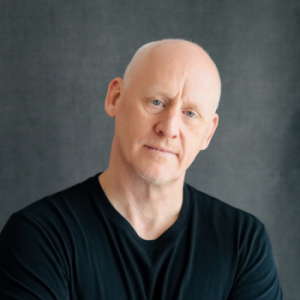
About Julie Condliffe
Julie Condliffe is a 4x bestselling author, global speaker, and reputation reinvention strategist who helps high-achievers rise from public shame, digital defamation, or personal collapse. A former solicitor turned international voice for the silenced, Julie empowers professionals, leaders, and women in transition to reclaim their credibility, voice, and calling — not despite what they’ve been through, but because of it.
Her latest book, Unbreakable: A Roadmap for Turning Adversity into Advantage, is both memoir and manifesto — a raw, insightful guide for anyone who’s lost a title, a platform, or a sense of self, and is ready to rebuild with purpose. Julie doesn’t offer polished platitudes; she speaks from lived experience, having rebuilt her life after a systemic and unjust attempt to silence her voice.
Now, Julie supports others in their reinvention journeys — from senior professionals navigating reputational recovery, to ambitious women rebuilding after personal or career collapse. Her approach is honest, empowering, and deeply human: she reminds us that no one else gets to write our ending.
Whether on global stages or in one-to-one transformations, Julie champions resilience that’s real — not performative. She brings warmth, authority, and a message that transcends roles and resumes: that we are not defined by what breaks us, but by how we rise.
Julie brings powerful storytelling, grounded insight, and a roadmap for reclaiming visibility, confidence, and identity — especially for anyone who’s been knocked down and is ready to rise again.
Episode Notes
00:00 Intro
04:54 Lesson 1: Understand Your Pain
10:34 Lesson 2: Never Give Up on Your Destiny
15:06 Lesson 3: Betrayal and Becoming
20:28 Lesson 4: Reservoir of Resilience
23:04 Lesson 5: Emerging from the Shadows
29:45 Lesson 6: Arising from Adversity
32:19 Lesson 7: Kindled in the Fire
35:18 Lesson 8: A Kaleidoscope of Challenges
39:24 Lesson 9: Bend But Do Not Break
44:01 Lesson 10: Labyrinth of Life
46:23 Lesson 11: Embrace the End
Julie Condliffe – Unbreakable
Robert Hossary: Hello and welcome to 10 Lessons Learned, the podcast where we talk to leaders, experts, and extraordinary people from all over the world to uncover the lessons that shape their careers, businesses, and lives. Our goal is simple. To make the world a little wiser, one lesson at a time.
My name is Robert Hossary, and I’m thrilled to be your host for this episode.
Just a little about me. I have been in a, in corporate life, I’ve been a senior executive for over 45 years. I’m a father, I’m a husband, I’m a son, and I do a lot of charity work because I believe that we need to be kind to each other. But before we dive in, a quick message for our listeners of 10 lessons learned.
10 Lessons will [00:01:00] always be free to listen to, but it’s not free to make. If you found value in our episodes, please consider supporting the program, whether it’s by sharing a show with a friend, leaving a review, or checking out our affiliate partner, audible, every Little Bit helps us continue bringing you the lessons that matter the most.
Speaking of Audible, they’re a fantastic way to enjoy 10 lessons learned alongside thousands of audio books and other inspiring podcasts. Whether you’re on the go or just unwinding at home, audible makes it easy to build a library of wisdom. You can try it free for 30 days. Just go to audible trial.com/ten.
Lessons learned. That’s audible trial.com/one zero. Lessons learned. The link will be in the show notes, so check it out and start listening today.
Now it’s time to meet our wonderful guest. Today’s guest is Julie Conliffe.
Julie [00:02:00] Conliffe is a five time bestselling author, a global speaker, a reputation reinvention strategist, and I will let her explain that to you. Welcome to the show, Julie. Tell us a little bit more about yourself please.
Julie: Robert, thank you so very much for having me. It’s such an honour and a blessing, um, to be here today. So, a bit about myself. I am a former solicitor, so I’m currently not practicing. So, I came from courtroom to my calling. What is my calling? My calling is making a difference in people’s lives. My calling is being a voice of the voiceless and advocate for those people that have been sidelined, silenced, or just gone through a very, very difficult time because I went through some difficult, situations. in my life, Robert, that I’m hoping we’ll be able to discuss today. So, I want to be the person that I needed when I was going through those difficult times. So that’s what I choose to be today. That’s how I choose to [00:03:00] position myself as the voice of hope.
Robert Hossary: you touched on that. I know it’s not one of your lessons, but we’ve, we’ve seen the memes, we’ve heard this be the person that you wish, was there for you, and you’ve done that, you’ve done that. Look, before we jump into your lessons Oh, and to the audience, we have a, a wonderful treat for you today.
We have 11 lessons, not just 10. Julie’s given us an extra one. We have 11. But before we jump into those lessons, um, let me ask you something. We ask all our guests, what would you have told your 20-year-old self if you had the chance?
Julie: Um, 20-year-old self. If I had the chance, I would have said, don’t try to be somebody. Don’t try to be, ’cause all of us want to be somebody. I want to be this somebody. I, would’ve just said to myself, be you, be true. Everybody else is [00:04:00] taken, so be yourself.
Robert Hossary: but, but that, that is wonderful and it’s probably something I would’ve wanted to tell myself too. Uh, it’s amazing. It’s amazing how we all want to be something. and it’s worse today, I believe because we are filled with false images of ourselves and life isn’t as perfect as you see on Instagram people.
Life isn’t all that wonderful, all the time. Life is a blessing. Life’s fantastic. But you know, with, with the sunlight comes the sunset. You, you’ve got darkness, you’ve got light. You have to live in both. That’s a great way to start, Julie. That is fantastic. Well, let’s get onto your 11 lessons. So, let’s go with, oh, and, and to our audience as well.
Lesson 1: Understand Your Pain
Robert Hossary: You are going to get a letter before each lesson. Now, I’m not [00:05:00] going to put it together for you until the end, but you jot it down, you listen, and you try and work out what the anagram is. So, lesson number one, U understand your pain. Julie, tell us about that.
Julie: Sure. I think understanding your pain is a very, very important, Robert, because we all go through pain at one point or the other in our lives, and sometimes when we go through pain, we may try to numb that pain. We may try to hide away from that pain, but I think it’s important for us to reach a point of acceptance, acknowledging that I am going through a very, very painful situation right now, but realizing that your pain has got a meaning.
So, it’s really being able to sit with your pain to understand the lesson that you need to learn from that particular lesson. So, it’s [00:06:00] realizing that your place of pain is your portal of purpose. As long as you sit enough in that pain question that pain hard enough, you know, why are you here? What is this trying to teach me?
What is this trying to show me? Rather than focusing on why me? am I going through this? It could have been anybody else. Why me? No. like, what now? do I do? What are you trying to show me? So, it’s just really that understanding, and we can only understand it when we become real with the pain and when we sit with the pain and get to understand it.
Because there is purpose to your pain.
Robert Hossary: That’s, that’s incredibly deep, Julie, and a lot of people won’t understand what you just said because to a lot of people, pain is pain, you know, there’s no purpose to pain, but that’s where they’re wrong. Yeah, [00:07:00] that’s where your lesson is very powerful. There is a purpose to pain, there is a purpose to what has happened to you, and what you are saying, if I’m understanding correctly, is you need to figure that purpose out because that’s the lesson in that pain.
And once you figure it out, are you suggesting that the pain lessens?
Julie: Uh, not at all. Um, it, it doesn’t necessarily lessen, so figuring it out and lessening the pain are two different things. My
Robert Hossary: Okay.
Julie: just understand your pain. Just understand it because it’s there already, you know, so you’re not going to wish it away. Healing is a process, so we can talk about healing separately, but you can’t heal from that, which you don’t acknowledge. So, one, you have to acknowledge that the pain is there, so the wound is there. So, putting just a Band-Aid on it does not mean it’s gone away. [00:08:00] So sometimes it’s ripping the Band-Aid off, allowing the air to go through, sitting with it, seeing the pain. Acknowledging it, going through it and understanding it, and you may not understand it straight away, Robert. Some of these things, you understand them a lot later. For example, with me, when I write in my book about understanding your pain, I talk about my story. I talk about the poverty that I grew up in. I talk about the fact that my father died when I was only 10 months old. I talk about the fact that we were evicted when we were little.
My mother was kicked out of the village house that she had for no apparent reason immediately after my father had died. I talk about the fact that we struggled so much. We had absolutely nothing. Then we got another house where we didn’t have the legal paperwork, the documentation done properly. Pain again has got a tendency of repeating itself.
We were evicted from that home. That was a painful exercise, but where is my [00:09:00] strength today? Those were the evictions. That was the pain, and the pain was property related. All the time. Right now, my focus is property. I’ve been a property solicitor for nearly 20 years. Successful award-winning property solicitor. I have got a property portfolio worth over a million pounds. Why? Through property. But property was my pain. It was that portal to my purpose. Did I understand it at the time? No, I didn’t. I did not. So, there is purpose to your pain. So, when I talk about pain and purpose, it’s sitting with it. I don’t care how long it takes or how long after the event. But Robert, there is purpose to your pain. And we need to find that purpose because some of us just go through the pain with nothing to show for it. In the end, nothing at
Robert Hossary: Hmm,
Julie: you know? So, we all go through pain. You are either going through a painful situation, you are about to go into a painful situation, or you just got out of one painful situation.
But what are you doing with your pain? Are you wasting your [00:10:00] pain? Don’t do that.
Robert Hossary: what a great example. What a great example. ’cause I was about to ask you, do you have an example, and you gave it to us. listeners, if you still don’t understand, my advice as always is rewind, listen to it all again. Because this is really important. What Julia just said is really, really important.
Once you understand it, you can overcome it.
Lesson 2: Never give up on your destiny
Robert Hossary: I love that. I think it’s great. Alright, let’s move on to lesson number two.
Julie: Now. We had a U This is an N. Never give up on your destiny, Julie. Never give up on your destiny. Obviously, you didn’t, did you realize that was your destiny?
Um, at the time, no, I didn’t, but after we were kicked out and I could see [00:11:00] the pain in my mother’s eyes.
Robert Hossary: Hmm.
Julie: She was such a strong woman, God rest her soul. Um, so she was not the kind of woman to cry. She was not the kind of woman to wear her pain like a badge. Um, she wasn’t like that. But from time to time, you would see deep in her eyes, the hurt, the pain, and all the other things that she was going through.
So, we didn’t have a television at home, and I used to watch Ali McBeal, uh, that TV show from a neighbour’s window. And then I thought to myself, wow, this woman is doing amazing battles, doing amazing things in court. I can be that person. I can help, you know, my family fight this battle. Um, in future, if ever we kicked out again, you know, homeless and all the rest of it, eviction. Um, what can I do? So, at a very, very young age. I had that dream, that dream to fight, that dream, to speak for other people, that dream to represent people. And for me then I took the path of being a solicitor. So, we didn’t have enough money, and I couldn’t qualify for university in [00:12:00] my country because we only had one university in the whole country at the time. So, my family, uh, club together and then borrowed money. They gave me 500 pounds to come to Great Britain to start my legal career. That was my dream. So, if you will, perhaps that was my destiny. and that’s it. So, when I came to Great Britain, I struggled a lot because I didn’t know anyone. There was a time when I used to sleep in the payphone booth, homeless, and loads of horrific things happened to me at the time. But what I learned that particular night in the payphone booth, shivering in the dark with no hope, no idea I was going to go to. I learned that you never, ever give up on your destiny. You don’t, if you have to go through loads of setbacks, stumbling stones, roadblocks, redirections, whatever it [00:13:00] is you go through, just don’t give up because the sun will shine again.
Even in the dark of the night, I knew that the sun will shine again the next day. So, my message really, Robert, is just a message of hope, and that’s the reason why I tell all these stories in my book as that roadmap, I tell those stories to give hope because I know that we are all going through difficult things.
So, there might be somebody today. trying to start a business and they’re just faced with a big, big challenge. I want them never to give up on their dream, never to give up on their destiny. It might be a little girl like me, who also trying to go to university and they’re struggling, you know, to get there.
But it’s just never give up on your destiny. No matter how treacherous the part that becomes, don’t, don’t give up.
Robert Hossary: I, couldn’t agree more. I’m not going to share the dream I gave up on, but I will say that I, my life would be totally [00:14:00] different had I pursued it, had I had the tenacity that you have, you have discussed just now and stuck to my dream, stuck to the idea that I had, but I gave up because of the, those roadblocks because it was too difficult.
Because we live in a privileged world and it’s easy for the privileged to give up. It’s harder for those that are not as privileged to give up because that is the, the north star for them. That is the goal. But for those of us who have everything, we give up too easily and I did. So, I hear you. I’m, I don’t regret it because what’s the point of regret?
As you said, the sun comes up again tomorrow, everything’s fine. But I am, I hear you. And if you love what you do, if you love where that destiny is, [00:15:00] where the future that you have pictured, if you want to be there, you cannot give up.
Lesson 3: Betrayal and Becoming
Robert Hossary: Alright, let’s go to lesson number three. B betrayal and becoming. Okay. This is very cryptic for me. So, what are you talking about with betrayal and becoming.
Julie: Yeah, talking about the fact that in becoming whoever is you are destined to become, or whoever it is you desire to become, be ready for betrayal because it’s sometimes it’s the people that you care about the most that are going to betray you. It is the people in business that you trust the most, that are going to betray you.
It is the people that you call your friends that are going to sell you out. We all are going to be faced with a Judas at some point in our lives. We are all going to bump into a sellout. [00:16:00] And that’s just the, the way. It actually is. Um, I, the example I give in my book is just how my marriage fell apart before it even started.
How my partner didn’t turn up to the wedding because of betrayal by a best friend. And that was heartbreaking. Heartbreaking. And this is a person that I trusted, a person who I shared, you know, my secrets with. And you think it’s, it’s, it’s, it’s, it’s safe. Uh, but nowadays, I, I barely have any secrets. If I’ve got a secret, I keep it to myself. That’s just the way that it is because how can you trust people? Those people don’t even trust themselves. And most of the time we put our trust in other people. but we’re not talking about trust.
We’re talking about betrayal. So, betrayal is real. Um, and that’s the long and short of It, of it, and be ready.
Robert Hossary: for those of you watching this on [00:17:00] YouTube, uh, because our, audio audience wouldn’t have seen me. I, I’ve got this huge shite grin on my face simply because I, I just pictured this, this has happened to me in my corporate life so often. And by so often I’m talking, you know, probably every six, eight months you get betrayed because you trust people.
And as, as Julie said, it’s not about trust, but it is in a sense, you trust people and people have their own interest at heart. So, before I keep going on, Julie, do you have a way to overcome that betrayal and become the person that you should be?
Julie: Um, I, like I said to you, Robert, I don’t really. Tell people my secrets. I, I keep things to myself. [00:18:00] Um, that’s one thing. So, if, if matters are very precious to me, I don’t share them with people. I just keep them between me, myself and I, between God and I. And also, before I make huge career moves. I don’t disclose them to other people.
Um, in terms of my business things, I don’t disclose them to people until after it’s happened. because at the moment I think there’s a lot of scenarios where we are disclosing more than we need to, and
Robert Hossary: Oh yeah.
Julie: that from a vulnerability perspective because we think that’s vulnerability. We are doing that from an authenticity point of view, because we think being authentic is washing your dirty linen in public.
We think that it’s sharing things that you don’t necessarily need to sell or to share. We think it’s. You know, telling people your plans, because I think in telling people all the things that you are trying to do, that’s where you risk, you know, betrayal. Because at the end of the day,
Robert Hossary: Yeah.
Julie: betrayal by its very nature, [00:19:00] is you’ve disclosed a piece of information, you’ve disclosed something to somebody, and then they have betrayed you.
They have utilized that information in a manner in which they were not supposed to. So, I think the solution to that is don’t say it.
Robert Hossary: Yep. Yep. No, I, I, I, I think that’s very sound logic, and I, I, I love that, and I wish in many times my career that I’d followed that advice, and I didn’t say anything. But the reality is that we are human. We make this mistake. I mean, it, it takes a long time to learn these lessons. Even at my age, there are still lessons I haven’t learned.
That’s not one of them, because I’ve been betrayed so many times. I ha I deal with it differently, but in essence, I just don’t tell people things. Just like you suggested. It’s something that I would advise all of our listeners and viewers [00:20:00] to really listen to learn this skill, because, as Julie said, it doesn’t matter.
It really doesn’t matter how much you think someone’s got your back,
Julie: Mm.
Robert Hossary: they may inadvertently betray you and that that also happens.
Julie: Yes.
Robert Hossary: be aware. Just be aware. Alright, uh, that was pretty deep. Let’s see how much deeper we can go.
Lesson 4: Reservoir of Resilience
Julie: Thank you
Robert Hossary: go to lesson number four. R. Reservoir of Resilience. This is sounding interesting to me.
What are you talking about here?
Julie: Uh, yeah. I think when we think about resilience, we think about external. Like, I’m going to be tough. I’m going to be super strong. I’m going to be, yes, we can be all that. But I think it’s just revisiting the real raw definition and realizing that we’ve got a [00:21:00] well. Inside of us, everything that we need to be able to face that which we need to face from a resilience perspective, it’s from a well that’s inside of us.
We’ve already got it. It’s not something that we need to go shopping for. It’s not something that we need to go and find. It’s not something that we need to go on a five day training course for. It’s not that the, the training program that you need is to know that you’ve got a well inside of you. You’ve got a reservoir of resilience.
It’s a tap that’s inside of you. You just need to open it. You need to learn how to open it. So, if you’re going to go for training, go for that training. But before you do, just know that the reservoir of resilience is already inside of you. So, what you are going to learn is to, how do I open that tap? How do I access it?
How do I. Tap into that tap as it were, but you’ve got it inside of you, so you’ve got all things pertaining to [00:22:00] life and to godliness and resilience is something that You’ve got It You’ve got it. It’s inside of you.
Robert Hossary: It is. And a lot of people don’t realize that. but it’s a, it’s a good lesson to learn. And for those of you who think your reservoir is empty, may I suggest that there is one way you can fill it very quickly, and that’s developing an attitude of gratitude.
Julie: Oh,
Robert Hossary: The more grateful, the more grateful you are, the more resilient you become.
Um, you fill that reservoir because you are grateful, you are open to a lot of things, and these all go together. I agree with you, Julie. A reservoir of resilience is within everybody. We are all resilient. Just as you said, some of us don’t realize it. But wake up. Wake up, think about it and you’ll find it.
That’s wonderful. I like that one [00:23:00] very much. I love these lessons, Julie. I love these lessons.
Julie: Thank you.
Lesson 5: Emerging from the Shadows
Robert Hossary: let’s go to lesson, lesson number five E, emerging from the shadows. Okay. I, I am into a lot of different styles. Emerging from the shadows. Sounds like, uh, something that I’d find in Buffy the Vampire Slayer, but what is emerging from the shadows?
Julie: My goodness, emerging from the shadows um, speaks to going into hiding. Um, I. At one point, I really wanted to be super visible because we all know that visibility is important, you
Robert Hossary: Mm-hmm.
Julie: our personal brands, our businesses, and loads of different things. was a time when I wanted to be invisible, Robert. name was plastered in the newspapers, gazettes, social media, for all the wrong reasons. I just really was going through a very difficult [00:24:00] time. I had faced a cancellation on social media. I had faced a public smear campaign against me, and I had every reason to hide. I just didn’t want to be seen by anybody.
I did not want to see anyone. I was just in a very, very dark, dark place, and I thought that hiding or staying in that dark place was really the solution, and that all these things would go away. I learned that my healing wasn’t necessarily in hiding. I had to start emerging from the shadows little by little, step by step at my own pace. So, I write about that in a bit more detail in the book, just to encourage somebody who has been attacked on social media, somebody who has just had their reputation damaged, um, in the workplace, in business, wherever, somebody who’s just gone through a divorce and they don’t even know their identity [00:25:00] anymore.
Uh, somebody who’s been hiding away from life because life has caused you to consider that as the best option, is just giving them hope that you can emerge from the shadows. You can emerge from the shadows, but step by step healing is not in hiding, but in your own time, you can rise again because you are unbreakable.
Robert Hossary: Mm. I see what you’re, where you’re going with that. And I agree, you, you said something that struck a chord in me about identity. and I’m, I know that. I’m actually very sure that some women go through this, but many men, especially men my age and older, would identify their identity is what work. They do their job.
And so therefore, when they lose that job, when they retire or whatever, they lose their identity and it’s not true. So, emerging from the shadow [00:26:00] in, in that sense is just getting over it. Like, come on out, be in the real world, deal with what’s going on for that cohort that I’m talking about. Not for the, the other, uh, scenarios that you laid out, but it’s, it really is important, I think, to do exactly what you said.
It’s, it’s not being afraid of just being true to who you are. Or, or have I got it wrong?
Julie: You. You’ve got it perfectly right. I couldn’t agree with you more at all, Robert, because you hit the nail on the head in that for me, it was exactly the same. I know you used a different cohort. I know you referred to men, but as a woman, I lost my identity to, I already told you my story of my dream to be a solicitor.
I already told you what my whole tribe did for me to be able to come to Great Britain to be a solicitor, I already shared with you the experience where [00:27:00] I struggled to get to where I could become a solicitor, and then overnight taken away. I’m no longer a solicitor. How do you handle that?
Robert Hossary: Mm-hmm.
Julie: my, that’s been my identity since I was little.
My mom would affectionately call me in my language, which means lawyer, even when we didn’t have any money at all to take me to university. But that’s who I grew up being called Solicitor lawyer. That’s who I up forging to be, to become a solicitor. I became a solicitor. I became a super successful solicitor, and that rug was just literally from under my feet. How do I identify as, it was so funny because literally just a few weeks ago, or a little while ago, someone said to me, introduce yourself. I was like, how do I do that? ’cause I’m just used to like, I’m Julie, I’m a solicitor. I’m this. That’s been [00:28:00] my identity, Robert. So, what do you do? How do you emerge from the shadows?
How do you come back from that? That’s
Robert Hossary: Well, you’ve obviously done it very well.
Julie: Thank you. No, I appreciate that. But that’s why I’m trying to help other people reinvent,
Robert Hossary: Yep.
Julie: know? So, when you
Robert Hossary: Yep.
Julie: earlier and when you said, we’ll talk about it, I think this is the best place to talk about it because how or why do I help people reinvent themselves?
I’m not saying, you know, become a different version. I’m just saying, who are you at the core? Who were
Robert Hossary: Yep.
Julie: before they called you all these names? Who were you before that title? Director, solicitor, accountant, whatever you were before that. Who was that? Let’s dive deep. Let’s get to the core and let’s, you know, find out who you were and let’s bring out that version of yourself.
So, thank you for saying I’ve done it really well, but Robert, it has not been an easy journey. That is the
Robert Hossary: No, but it never is, Julie. It never [00:29:00] is. And the beauty is you are. You’ve got the same passion that the 10 lessons crew has. You want to make it better for other people. So, you are sharing your lessons with the world to say you don’t have to go through this. And I couldn’t be more grateful to have you on the show.
I couldn’t be more grateful to have someone like you inspiring, you know, the people that you inspire to be better. ’cause that’s what we need today. That’s really what we need. So, from me to you personally. Thank you.
Julie: Thank you. I appreciate
Robert Hossary: Alright, let’s go, let’s, we can I, this is a topic I’d love to talk about forever, but I’m very conscious of time.
Julie: you.
Lesson 6: Arising from Adversity
Robert Hossary: Lesson number six, A. Arising from adversity. Talk to me about that.
Julie: Arising from adversity is a painful chapter in my book because I [00:30:00] talk about the death of my mom. And my mom was literally my, my best friend and her death literally took a part of me that is irreplaceable. so. I didn’t actually think I would be able to get over that. So, I shared the story about the adversity, and then I also share the lessons that. I had to learn in arising from that adversity, because we are all going to go through loss at one point or the other. Um, but we don’t have to stay there. have to move because life goes on, you know, regardless of the loss. So, it is just learning to deal with your loss. How do you arise from adversity? How do you move on from life as it was, you know, before? So Yes. I think that’s the, that’s the long and short of it.
That’s what I [00:31:00] share about arising from adversity. Um, it’s a painful chapter. I wrote it with tears, and even when I.
speak about it, I still become emotional. And my mom died a little while ago. Um, yeah, it’s still there.
Robert Hossary: But emerging from the shadows will help you to arise from that adversity. They, they, they’re two lessons that go hand in hand. I think
Julie: Agreed. A hundred percent. They do; they do go hand in hand.
Robert Hossary: so. People,
Julie: yeah, I think the, the, the difference really is losing a career, losing a title, losing a job. It a different kind of pain from
Robert Hossary: yes.
Julie: your loved one. So, both are adversity and yes.
you can emerge from the shadows.
I accept that. I think there’s a, a certain kind of loss doesn’t just challenge you, changes you. And [00:32:00] I
Robert Hossary: Yes.
Julie: it comes to adversity arising from adversity, it wasn’t just a challenge, it was a change. It was life before mom and life after
Robert Hossary: Alright. I, I hear you again. There’s a lot we can say, but the lesson is clear.
Lesson 7: Kindled in the Fire
Robert Hossary: Let’s move on to lesson number seven. K, Kindled in the fire. So, just having spoken to you for a little while now, I can see that you, you were forged in that fire.
Julie: Yes, absolutely. And I think you, you’ve just, um, explained it. I don’t even need to get into a lot of detail because I think all the examples that I’ve given you will be able to show you that I am the beacon of resilience because I was forged in the fire, literally fried in that fire. That’s just, that has been the story of my life. [00:33:00] Um, but I think it’s just realizing that in that burning fire, um, it’s. The things that are not needed that will stay in the fire. It’s a purifying process in as painful as it might be, yes, leaves the best in you. gets rid of all the things that needed to die, all the parts of you that needed to burn, and they’re going to be some parts that you didn’t actually realize needed to burn.
They needed to die in that fire. And by the time you come out, you are refined. You are a better version of yourself because you’ve been kindled in that fire.
You’ve been
Robert Hossary: Hmm,
Julie: through fire.
Robert Hossary: hmm.
Julie: So, fire might be terrible, but it is part of the solution. The obstacle is the way, and this part is the fire that’s part of the purifying process. The fiery furnace.
Robert Hossary: Look, I, I have not had [00:34:00] the, traumatic experience that you’ve had. all the, the trauma. I have experienced my own issues in my life. I have been let go from several jobs. I’ve been made redundant, and these are senior executive CEO positions.
So, I, I understand. What you’re saying and then having to take several steps back and take a position that’s not as high. It’s, it’s not the fire you’re talking about, but it does humble you and it does teach you what parts of you don’t need. so, while I did not have the trauma, at the time it felt like the end of the world.
But it taught me what you’ve just said. It taught me the parts of myself that I no longer needed. I didn’t need to be that. I needed to be something [00:35:00] better and. They got burnt away. So, I fully understand your lesson. I’m sure our audience also understands that. And as I keep saying to you people, if you still don’t get it, rewind, listen to Julie again.
So, Kay, kindled by fire.
Lesson 8: A Kaleidoscope of Challenges
Robert Hossary: Let’s go to eight, lesson number eight A, a kaleidoscope of challenges. Now life is full of challenges, and the kaleidoscope is something that would make that challenge a little harder, I would think.
Julie: Yes, it would. It actually would And it’s just reminding people that we all go through different kinds of challenges at different points in our lives, don’t we Robert? And as we go through those, you think.
I’ve got this, I’ve got this, I’ve got this. And sometimes it’s just. Loads of them. You know, little bits here, little bits there at the time.
And it’s just learning [00:36:00] how to navigate all of those, um, and remain sane. So that’s what I discuss in relation to that particular one. And I also, um, talk about knowing when to hold on and knowing when to let go. Knowing when to close the door, open it, because sometimes it’s very, very difficult to let go and the pain of letting go can be really debilitating.
But sometimes what we do not realize, Robert, is by holding on, we are causing ourselves a lot more damage than just letting go. So, what do you do and how do you get the balance right? Do you let go when it’s hurting you? Do you keep pushing because I’ve got it? um. A tendency to hold on for too long. I do. And that’s something that I have been really learning to let go. Um, because I say to myself, I am going to do this until the wheels come [00:37:00] off. I will do whatever needs to be done. That’s me. And that’s how I’ve always been. But it’s sometimes just knowing that Julie, you don’t have to do. That’s okay for you to let go this moment because you can see that it’s a train crash, but you are going to keep believing that, no, it’s going to be okay.
I’m going to do it; I’m going to do it. I’m going to do it. Yeah, there’s a place for that. there’s also a place acceptance, a place of letting go, and knowing that letting go is not a weakness. It can actually be a sign of wisdom, a sign of strength.
Robert Hossary: Absolutely, absolutely. And too many people don’t see that, and I see this counterbalancing with never giving up on your destiny. You’ve got to know when to let go and you got to know when not to let go. And that’s the important balance there. So definitely knowing when to let go [00:38:00] is crucially important.
Not only for your wellbeing, but for your mental health and for your, your ability to achieve your destiny and your ability to be successful. You, you can’t keep following the wrong path and doubling down just because you made a mistake and you don’t want to admit you are wrong.
Julie: Yes.
Robert Hossary: And I think that’s where it all falls down.
I’m not going to admit I’m wrong, so I’m going to continue down this path to ruin.
Julie: Hmm.
Robert Hossary: And that’s what happens. And
Julie: Hmm
Robert Hossary: don’t want to be political, but we are seeing a lot of that in, um, one of the bigger countries at the moment. People are just doubling down, um, on their decision. Well, good, good luck to them. But you know what, it’s time to just cut.
And move on. I love that lesson. I love that lesson because the kaleidoscope is [00:39:00] exactly, what we see. We have all of these choices. We have all of these directions, and we get confused. So, we stick to what we know as opposed to taking a step back, taking a deep breath, and looking at where our destiny is telling us to go.
Beautiful lesson Julie. Beautiful lesson.
Lesson 9: Bend But Do Not Break
Robert Hossary: Alright, lesson number nine. Be B bend. But do not break.
Julie: Yes,
Robert Hossary: haven’t broken. I can tell. But you’ve bent quite a bit though.
Julie: I’m unbreakable, Robert.
Robert Hossary: Yes, you are.
Julie: Yeah, but here’s the thing. call myself unbreakable, I have reached breaking points in my own life.
Robert Hossary: Mm-hmm.
Julie: to a point where I thought, okay, God, if you don’t intervene [00:40:00] right now, I am done. I am done out here. So, we all go through storms in life that would bend us winds of life, that would bend us, that could potentially break us, is just having that flexibility. Where you bend, but do not break. Know that the storms of life are going to come and they will, the winds of life will come, and they will. But like a bamboo tree bend, if you must, but do not break. So that really is my message to say whatever happens to you, bend if you must, but don’t break because you’ve got something inside of you.
We go back to the reservoir of resilience. We were talking about that from a resilience perspective, but I also want people to know that they have got an unbreakable spirit. It is something that you are just innately born [00:41:00] with. You’ve got it, but you’ve got to tap into it. That’s what being unbreakable Yeah. Is all about. It is that. It’s realizing that yes, you’ll reach breaking point. Yes, there’ll be some cracks here and there. But like that Japanese, um, is it Kintsugi, um, theory where, uh, uh, a pottery piece, it cracks and then they don’t throw it away. They, they take it, and they rebuild it using parts of gold.
Robert Hossary: Mm-hmm.
Julie: that the whole thing that could have been broken or cracked and thrown away, it’s done up and it looks so beautiful because in all the cracks, you find pieces of gold in there, which is what my logo actually symbolizes. So, bend if you must, but do not break those cracks. Whatever it is, reaching, breaking point, just let the gold seep through into all of those cracks in your life because you, my love are unbreakable. I love that one.
Robert Hossary: It is a, [00:42:00] it’s a wonderful lesson, and I was going to ask you for a, an anecdote, a personal anecdote, but you are a walking anecdote of being unbreakable with everything that has happened to you with all of the things that have gone on, uh, in your life. You have bent, but you have never broken. your charm, your, your enthusiasm, your vibrancy comes through and it’s wonderful.
you know, I was going to interrupt and say, only dry branches break, so don’t forget you’ve got that reservoir in you, but you beat me to
Julie: it.
I love that. No, I, I really love that, Robert. Only
Robert Hossary: That’s yours. You can have it.
Julie: Thank you. I’m going to take that. I received that. Oh my god, I love that a lot. Oh, wow. I’d never thought about that. [00:43:00] dry
Robert Hossary:
and your reservoir, it fills you. So again, putting them together when your reservoir is empty, when you have given up, you’re dry.
Julie: You are.
Robert Hossary: You have nothing. You don’t, because you don’t have enough to give. When your reservoir is full, you’ve got plenty to give. So, you are always giving.
Julie: Sorry to interrupt you, but I,
love that, Robert. I really do. And if we could circle back to remember the bit that we talked about,
Robert Hossary: mm-hmm.
Julie: the furnace and burning, and when we said that there are parts of us that needed to burn that needed to stay there. It’s a bit like that, isn’t it?
That
Robert Hossary: Yep.
Julie: branches it’s, it’s, it’s the dry ones that needed to
Robert Hossary: It’s a dry one.
Julie: Yeah. Oh,
Robert Hossary: yep. Because,
Julie: Thank you.
Robert Hossary: because they would’ve broken, they wouldn’t bend.
Okay. Alright. Well. I think that’s a great lesson, bend, but [00:44:00] do not break.
Yes.
Lesson 10: Labyrinth of Life
Robert Hossary: Lesson number 10. And don’t forget people, we have one more after this, so I’m sure you’ve guessed the word, but anyway, lesson number 10, L Labyrinth of life. what do you mean by labyrinth of life?
Julie: Yeah. I just mean that life?
is a bit like a maze. That’s it. It’s a, it’s a labyrinth, it’s a maze. We go through loads of different things. You go through one challenge, and you think for you, we, that’s it. But you don’t realize that by graduating from that challenge, you’ve just qualified for challenging challenge.
That’s on its way. So, it’s a whole maze. It’s a whole maze. So, it’s important to a realize that and just find your way, step by step, knowing that every time you overcome something, you know, sit with it. Take time. Pat yourself on the back, celebrate it, and be ready for the next.
Robert Hossary: Absolutely. celebrate those wins [00:45:00] every win. You’ve got to take it easy. You’ve got to understand that you weren’t born with an instruction manual. You know, life is what it is
Julie: Yeah.
Robert Hossary: there is such thing as time travel, and it only goes in one direction that’s forward.
One second at a time. So don’t you know, don’t what if yourself don’t. I should, because you’ll should all over yourself. Take it easy. Understand that life is what it is. And it is a labyrinth. You might turn down the, the wrong side, and find yourself at a dead end. Guess what? Turn around, walk back out.
Find another path. You can’t continue going on paths that lead nowhere, and then just sit at the end of a, of a dead end and say, oh, well, that’s life. It’s [00:46:00] not life. And Julie makes it very, very clear. Life is a labyrinth. The sun will rise tomorrow. It will set the day after. Fill your life with purpose. And I think all your lessons together are saying that in one way or another.
Julie,
Julie: Yes, you are right.
Robert Hossary: your life with purpose.
Lesson 11: Embrace the End
Robert Hossary: Alright, lesson number 11. Final letter E. Have you figured out the word yet? Embrace the end. Now, that sounds a little grim. Julie, I’m, I, I know I’m old, but I don’t know if I want to embrace the end just yet. What do you mean by embrace the end?
Julie: Well, here’s the thing, Robert, I am almost allergic to death. I do not want to die. want to live forever. So, I don’t want to embrace death as it were, but I suppose I. I’ll, [00:47:00] I’ll get to it, um, whenever I’m ready. So, when I talk about embracing the end, I talk about embracing the end of situation, scenario, circumstances. Um, I’ll use myself as an example. When my legal career came to an end, I thought that was the end of me. So, I had to separate the end of a career, the end of a title, the end of a relationship through divorce, the end of whatever it is from who I am. So, it is the end of a situation, the end of a scenario. embrace that, you are not ending as it were. So, it’s embracing the end?
of that. like I said, the end of my career was just like, oh my God, this is it. I’m done. I, am so, so done. Who am I now? What’s the point in living? And sometimes when these things happen. think that it’s, like I said, it’s the end of us, but I want people to realize, because sometimes people [00:48:00] become suicidal, you know?
And there was a time when I thought my life wasn’t really worth living, but I want us to be able to separate the end of that occurrence, the end of whatever it is from you. We are separate. it’s getting to embrace the end of that and realizing that for you, things will carry on. So that’s it. So, it’s. Segregating those things and also realizing that most of the time, if not all the time, the end of something is the beginning of something way much more better is the birth of something else. So, the end of my courtroom career, where I was fighting battles in the courtroom, was the beginning of my calling. My calling to empower people, my calling to speak to people, my calling to represent people not in a courtroom setting, but where they need representation day-to-day in their lives. [00:49:00] But something had to end, and I needed to embrace the end of that to give birth to this beautiful new life that I have now.
Robert Hossary: I, I think that is probably the most important lesson that. I have had on 10 lessons. Um,
Julie: cry. Thank you. That means a lot.
Robert Hossary: if we think about it, none of us want anything to end, but what I’ve learned and what you have just perfectly articulated is things will end, and as I’ve said before on this podcast, the sun will set, but it will rise tomorrow. It’s not going to be the same day as today. It’ll be a different day, but it will rise again.
It took me a long time to understand what you just said, Julie, that [00:50:00] things end. I was the, uh, I was the head of the American Chamber of Commerce in Australia. I was riding high, I was, you know, a big man on campus, so to speak,
Julie: Mm-hmm.
Robert Hossary: I wasn’t, and then I didn’t know what to do, and I took many steps backwards, and it landed me in a pretty junior role, uh, in a disability enterprise.
Now, I know this story’s not about me, but it, it, it will put a point, it’ll put a point onto your lesson
Julie: Mm-hmm.
Robert Hossary: in that role. And mind you, just for context, I took that role because I was finishing my MBA, so I thought, I’ll, I’ll just get some spending money while I’m studying. So, I was finishing my MBA. I got in this junior role, [00:51:00] and all of a sudden, I became one of the senior management there because of my capabilities, but that’s not the story.
The story is I’m in this junior role, in this disability enterprise and I learned so much about myself. I learned that I had this unconscious bias against people with disabilities. I didn’t know that until I was there,
Julie: Right.
Robert Hossary: not because they’ve got disabilities, because I didn’t know to speak to them. I didn’t know how to react and be around them.
Julie: Hmm.
Robert Hossary: That was a branch that was dry,
Julie: Wow.
Robert Hossary: bend, and so what happened? It got burnt off. You got it. I’m still in disability now. I love working in disability and I am still in senior roles there, but it’s never about me. It’s about the [00:52:00] community I serve and I’m a servant there. So, a lot of the things in my corporate career came to an end because of whatever circumstances, but a whole new me evolved in this new area, and this is exactly what you’re talking about.
So, do I mourn the fact that I’m no longer in these big circles and going to these events and these functions and these cocktails? Absolutely not. Because they came to an end, just like you said, and I embraced it. So yeah, I, I hear that that is a, that is, again, a powerful message. Embrace the end. People understand what’s happening and embrace it.
All right. That’s wonderful. So, let’s just recap for those playing along at home lessons one through to 11 [00:53:00] U-N-B-R-E-A-K-A-B-L-E. You got the word yet, Julie, help us out.
Julie: The word is unbreakable based on my book, which is called Unbreakable because you my love, you are UNBREAKABLE
Robert Hossary: That’s really powerful. We’ll talk about your book in a minute, but before we do, tell me, Julie, with all of these lessons that have not broken you, what lessons or what have you had to unlearn something that you. Your thought was the way it should be, and then you realized, no, I, this is wrong. I’ve got to change my approach to this.
Julie: Sure. I had to unlearn the [00:54:00] notion that I had to have people on my side that I had to please people. to unlearn that the hard way because the people that thought were with me, the people that were singing Hosana in the highest, Julie is amazing. When it came to it, were the same people that said, crucify her, crucify her. So now I stand on my own. I don’t do anything for applause. I do things because it is right for me to do. So, I don’t people please anymore. I do what I’m called to do, and that’s, that’s just that.
Robert Hossary: Isn’t that a great, I mean, look, it’s a tragic lesson to have to learn, but it’s a powerful lesson to learn, unlearn. I mean, it, it’s something that will help guide you through the rest of your life, your, your career and everything else.
Alright, so tell me, [00:55:00] tell us all, Julie, where do we find you? What are you doing now? Talk to me about your book. Where can we get it?
Julie: Sure. Yeah. No, thank you so much. So, what’s happening at the moment is I am speaking, so I’m going on as many stages as I can, um, corporate. So, if anybody wants to book me for a speaking engagement, I would be more than delighted to share the Unbreakable roadmap lessons, which you and I have just discussed. Um, and on the back of that, I’ve actually got a program called Arise, which is a five step formula, uh, from Unbreakable. People can find me on my website, which is juliecondliffe.co.uk, or juliecondliffe.com. All sites lead to the same but is just really my name. The book is available on Amazon and is also available on my website.
So that’s what I’m doing at the moment. Busy changing lives, busy giving hope, which is what I love to do.
Robert Hossary: That’s fantastic. All those links will also be in the show notes. So just have a look at the show [00:56:00] notes for this show, whether it’s YouTube or audio, and you will see those links to the books and to Julie’s site and I couldn’t recommend it more highly. Julie, is there anything else you would like to leave with our audience today?
Julie: Um, thank you for the, for them listening to me and for this opportunity, and I just want them to know that bend if you must, but do not break because you are UNBREAKABLE. That’s it. Thank you.
Robert Hossary: That’s all for today’s episode of 10 Lessons Learned and a big thank you to our guest, Julie Conliffe, for sharing her incredible insights and lessons with all of us.
Thanks as well to our amazing team, Codie Comeau, who is our episode editor, Yi Wang, who manages our marketing and social media. And, uh, this podcast is supported as always by the Professional Development Forum. And listeners like you, we’d love to hear what you have to say about today’s lesson.
Leave a comment or drop us a line at, uh, [00:57:00] podcast@10lessonslearned.com.
If you enjoyed this episode, don’t forget to like, leave us a review, hit the subscribe button and turn on the notification so you never miss a lesson that could change your life. Thanks for tuning into 10 Lessons Learned Where We Are, making the World Wiser. One Lesson at a Time. Thank you. Bye-bye.
Thanks to our 10 Lessons team that make our show possible: Our Episode Editor Codie Comeau, Marketing and social media managed by Yi Wang, and our Producer Robert Hossary. Sponsored as always by Professional Development Forum. You can find the www.professionaldevelopmentforum.org.
You’ve heard from us we’d like to hear from you. Email us it’s podcast@10lessonslearned.com.
Remember, this is the podcast the only podcast. That’s makes the world wiser lesson by lesson.