Elena Colmenero – The Secret to Powerful Leadership_ Connecting with Every Level

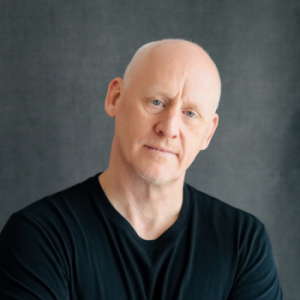
Elena Colmenero
In the latest episode of our podcast, "10 Lessons Learned," host Siebe Vanderzee sits down with Elena Colmenero, a seasoned people and culture executive with over 25 years of international experience. From fostering growth in complex business environments to redefining personal and professional success, Elena shares the ten invaluable lessons that have shaped her career and life. Join us as we delve into these insights and discover the wisdom she has gathered throughout her remarkable journey

Subscribe with your favourite podcast app. 

About Elena Colmenero

Elena Colmenero is a People & Culture executive, organisational transformation leader and executive mentor with more than 25 years of international experience helping leaders, teams and organisations navigate growth, reinvention and change.
Originally from Spain and now based in Switzerland, where she has lived for more than eight years, Elena has built her career across countries, cultures and complex business environments, with professional chapters in Spain, Germany and Switzerland and extensive work across European and global markets.
Over the years, Elena has led large-scale transformation in complex, multinational environments, helping organisations turn business ambition into real organisational change. Her focus has always gone beyond structures, processes and operating models to the human dynamics that make transformation succeed: trust, culture, leadership behaviour and how people really work together.
A lifelong reader of history, Elena believes that human behaviour follows patterns — in societies, organisations and leadership. That curiosity now shapes her growing interest in the future of work and in how artificial intelligence is redefining talent, capabilities and leadership. She believes that mastering this shift will require not only swiftly adopting new technology, but also better judgement, stronger ethics and a deeper understanding of human potential.
Her ten lessons are exactly that kind of conversation: thoughtful, practical, personal and sometimes uncomfortable. They explore listening, loyalty, ambition, authenticity, silence, power, trust and reinvention — and the idea that a career is not just a sequence of roles, but a sequence of choices about who we decide to be.

Episode notes:

00:00 Intro
07:57 Lesson 1: The People Are the Work
11:48 Lesson 2: Stop Talking, Start Hearing
14:33 Lesson 3: Loyalty Is Not Obedience
19:08 Lesson 4: Talent Needs Witnesses
22:17 Lesson 5: Authentic Doesn’t Mean Unfiltered
27:17 Lesson 6: Power Does Not Change People, It Reveals Them
31:46 Lesson 7: The Climb Doesn’t End When You Reach the Top
36:23 Lesson 8: Not Every Promotion Is Progress
38:54 Lesson 9: History Is Borrowed Experience
42:49 Lesson 10: Impact Is Not What You Control

Elena Colmenero – The Secret to Powerful Leadership: Connecting with Every Level

Siebe Vanderzee: Hello, and welcome to our podcast, 10 Lessons Learned, where we talk to interesting people from all over the world to uncover the lessons that have shaped their lives, their careers, and perhaps their business.
My name is Siebe Vanderzee, and I’m your host. Our guest today is Elena Colmenero. Elena is a people and culture executive with more than 25 years of international experience helping leaders, teams, and organizations navigate growth, reinvention, and change.
Born and raised in Spain, and currently residing in Lausanne, Switzerland for the last eight years or so, Elena has built her career across countries, cultures, and complex business environments with companies based in Spain, Germany, and Switzerland, and with an extensive work experience across European and global markets.
You can learn a lot more about [00:01:00] Elena Colmenero on our website, 10lessonslearned.com. Hello, Elena. Thank you for joining us. How are you? ¿Cómo estás?
Elena Colmenero: Hola, Siebe. Estoy muy bien, gracias. I’m very well, thank you. It’s a pleasure to be here.
Siebe Vanderzee: of course, we have talked before the recording. You have a great background.
We’re going to talk about that. But before we get into the details, maybe tell us a little bit more about yourself.
Elena Colmenero: Well, you introduced me from a professional standpoint. Maybe from a personal standpoint, as you said, born and raised in, in Spain, moved around Europe quite a bit, and especially between Germany and Spain in my young years and then professionally I’ve also had to move, between Spain, Germany, and Switzerland, always, PMI. It’s a company I’ve worked for the last, almost 17 years, 16 and a half. I’m a mother of two, two teenagers, 16 and 14. And, I reside, as you said, [00:02:00] in Lausanne, for the last eight years, and it’s a place, me, and my family love very much and enjoy being in, so we consider it our second home.
Siebe Vanderzee: Wonderful. Now, how did you become so successful helping companies navigate growth, reinvention, and change?
That transition- But- … that, that must have been something.
Elena Colmenero: Yeah. Yeah. I mean, that is probably the biggest, challenge, but also the most exciting, uh, time of my career, definitely.
And it spans, a decade or more than a decade, right? So, this transformation, this change, has not been something done in, in, in a matter of, one year, but, in a matter of over a decade. I don’t know if I would say, you know, victorious, successful, I would call success. I always have a feeling, you know, you never stop transforming, changing, reinventing.
There’s definitely a sense of accomplishment- in terms of, the role I have played, or the part I have played in [00:03:00] that, uh, accompanying large, part of the organization through substantial change, and that meant, from, ways of working to, you know, processes, technological change, digitalization, understanding work in a different way, displaying a new set of behaviors that were needed.
And obviously also taking, you know, both from the market but also internally the skills and the capabilities that, are required to, to actually make such a huge transformation successful. In the marketplace, at least it, it has been. I think the numbers, you know, speak for themselves. It’s a business that’s grown, to be a $15 billion business, uh, in, uh, over a little bit more than a decade.
So that’s, that is a big story of success, I would say. Yeah.
Siebe Vanderzee: Yeah, absolutely. and, of course, we talked about it. Uh, you, uh, were for 16 years with PMI, also known as Philip [00:04:00] Morris International. and during that time period, the company, I think, switched to focus on smoke-free products and ending the sale of cigarettes.
Elena Colmenero: Correct.
Siebe Vanderzee: Uh, that must have been, for a huge company like PMI, that must have been, in HR especially, a huge task, and can I say achievement for being successful. PMI is very successful still today.
Elena Colmenero: Indeed. it’s, first of all it’s a very bold vision-
Siebe Vanderzee: Yeah …
Elena Colmenero: coming from the company leadership. So, to say that you want to cannibalize, you want to, you know, kill your own product, or your legacy business that’s been around for the last 150 years, it’s a very, very bold statement.
Siebe Vanderzee: Yeah.
Elena Colmenero: But it was also a very hopeful statement in the sense that it gave, a long-term vision and it gave excitement for the future, both, internally but also externally, and, uh, what it means for [00:05:00] society as a whole to actually, hear that a tobacco company wants to disrupt its own business and, uh, kill cigarettes altogether, and therefore has invested a lot of money in creating this new set of products that, will change, in a way, consumption habits and will change, society at large in terms of, you know, the impact on, on, on health.
Siebe Vanderzee: Yeah.
Elena Colmenero: So yeah, it is a very, very bold statement, and it is a massive task, as you can imagine, but also a very exciting one, uh, because you actually need to have, a look at your entire business operation, and therefore your entire, workforce operation. So how do people perform work in a completely different setting, in a different context?
How they take risks, become more entrepreneurial, learn new disciplines of work, um, acquire new skills and capabilities, build the right leadership to take [00:06:00] people through change. So, it’s a fascinating, equally exciting but also daunting, daunting task at times, yeah. Yeah.
Siebe Vanderzee: I can imagine. And of course, when we go- Thank you
through your lessons, we will address some of those issues. But I had another thing I wanted to ask you about, because I saw it on your bio, and there is this sentence on your bio, “You are equally comfortable in a boardroom in Lausanne, Switzerland-” And in the front row of a concert in Madrid.
Elena Colmenero: Yeah.
Siebe Vanderzee: Tell us about that, because it’s fascinating. Is that one of your things that you enjoy?
Elena Colmenero: Yeah. Uh, I have a passion for music. It’s been one of the things that’s connected me and my husband when we were, young people back then, so passion for music, and especially live music, l- going to live concerts.
I listen to hard rock and rock music and metal. I, I like that, uh, genre, but I also am, very open to, to very different [00:07:00] styles of music and, when the summer comes, we both enjoy visiting some festivals here in Europe and being part of, you know, uh, what do I feel is a community already.
Siebe Vanderzee: I like it. I, I, I have to ask, do you have a favorite band or maybe just- Oh … a style of music?
Elena Colmenero: Uh, many, many, many. I mean, I’ll, I’ll give you some examples. Concerts I went to, these past years. It ranges from, you know, nu metal, Korn and Slipknot, uh, to Pantera.
or, more recently I’m planning to go to see The Cure, which I have seen, numerous times and, and love them. love Bowie. I have many different, tastes here and open to that. Queens of the Stone Age. I, I don’t know, there’s hundreds and hundreds of, you know, live shows and performances that I’ve, that I’ve really enjoyed.
Siebe Vanderzee: It keeps, it keeps you happy and relaxed. I like it. Absolutely. I like it a lot.
Well, let’s take a look at your lessons.

Lesson 1: The People Are the Work

Siebe Vanderzee: lesson number one: [00:08:00] the people are the work. What are your thoughts about that?
Elena Colmenero: Yeah. Well, I say it as a, not only as an HR person, but I say it more as, you know, I, I think, building quality relationships at work is what, for me, has proven, the, the output itself of the work.
Um, and, and not a soft outcome, as it may be perceived sometimes. And, you know, in this big transformation that, that, that I’ve been going through alongside the teams, anything you can imagine, the strategy, the programs, the transformation, calendar, the results, everything flows through people.
Siebe Vanderzee: Yeah.
Elena Colmenero: So ultimately, your main task is not ideating all those things, which is, you know, part of the job. But once that is done, it’s like, how do you make it stick? How does it flow through, the organization in a way that people, come on board, uh, make it theirs, [00:09:00] uh, follow, uh, make it happen? So, anything in any business does not happen without the people, right?
So, building those connections, building those relationships, sometimes it’s about influencing, sometimes it’s about communicating, does not happen without those quality relationships. And transcending that, from a personal standpoint, if there is something that I, gain, and have gained as an asset across all my professional years is the friendship and the connection of many, many great professionals that I’ve had the privilege to work with, which I now call my, friends in so- in some instances.
So, from my early career to, nowadays, these people are part of my life, and they’re giving back so much more than only, what we accomplished together. But actually, you reach out to them for advice or in case of need or help, and vice versa. So that’s, for me, one of [00:10:00] the, of the biggest learnings.
And I never took it as a career strategy. But it so happens that that has been the most rewarding part of, of my career altogether, and the biggest asset that I take beyond any org chart that I’ve been part of.
Siebe Vanderzee: Wow. when I think of it, uh, it makes sense, the human side and- and how critical that is.
At the same time, of course, as we all know, we’re dealing, all of us, with AI we’re dealing, you know, drones, electric vehicles, driverless. will that have an impact on dealing with people? Because sometimes we don’t deal with people anymore. We’re dealing with- Yeah … whatever, technology.
Elena Colmenero: Well, I think, uh, it will have an even greater importance, if you ask me. and many tasks will be automatized, right? Yeah. What cannot be automatized is- is really the human connection- Yeah … the human, understanding or the human communication.
Siebe Vanderzee: I agree.
Elena Colmenero: I think there’s [00:11:00] no bot that will replace that.
And now in the era of AI, obviously, you know, it can help us augment and multiply, uh, knowledge and speed and, scale of anything we do. But I think, uh, what’s irreplaceable is- is that human connection, and especially in certain jobs. Yeah. Now we start measuring productivity on, you know, especially in some engineering roles, on how many tokens you’ve spent, using AI.
but I guess at the end of the day, what will make the bigger difference is whether that has an impact on human, on a human ecosystem that ultimately delivers something. So, I think, I think it’s going to be all the more important.
Siebe Vanderzee: Yeah, I agree.
Yeah. No, it’s something to keep in mind. But, uh, let’s move on

Lesson 2: Stop Talking, Start Hearing

Siebe Vanderzee: to lesson number two.
Elena Colmenero: Yeah.
Siebe Vanderzee: Stop talking, start hearing. I love it, but what are your thoughts about it?
Elena Colmenero: Well, this I’ve learned even in junior jobs. when I [00:12:00] was in, in more junior jobs I always said, like, “What, what do these people, the leaders of the company, come here, they have no clue what’s really going on in the front line. They have no clue- Yeah … what’s go- happening in the business.”
My experience has been the more you rise up to, dealing with bigger budgets and more responsibility and, you know, more important roles and bigger roles and so on, you start becoming more and more disconnected from, from reality, from what’s really happening in, in- Yeah … in the organization, and you do not have a pulse on both, I say, business and organization alike.
So, you surround yourself by people who mostly will now, will give you a filtered view of the world or will give you a biased view of the world and, your circle of trust becomes more and more reduced. So, to me, I mean, it’s proven strategic to actually, stay connected at [00:13:00] all levels in the organization, listen to people, hear what they have to say.
Because as you know in HR, we go for the data and spend months designing surveys, for people to tell us things that, I would have learnt by having a coffee, uh, with, with a front liner in 10 minutes, and, you know- Yeah … so I, for me, it’s, it goes beyond the mere act of wanting to address, the noise in an organization.
It really gives you insight. It really gives you ideas, and you don’t know where these ideas can come from, so actually keeping an open mind and open ears and relating to people at all levels in the organization for me has proven incalculably valuable. Yeah. So that’s something I would, um, I would, really strongly recommend.
Siebe Vanderzee: I, I think it’s, it’s extremely important. And, as you know, I’m a, I’m a corporate recruiter. and I always [00:14:00] say the resume is not going to get you the job. It’s the person and the individual. And many times sort of offline conversations, scheduling an interview, talking to my candidate- That helps me sometimes to understand who he or she is, and, that can be very helpful because again, a resume, yeah, you need it if you apply for a job, but it takes more than just a resume to get the job, the personality, et cetera.
So listening is, is very, very helpful and very important. So great lesson. Um, moving on,

Lesson 3: Loyalty Is Not Obedience

Siebe Vanderzee: lesson number three, loyalty is not obedience. Wow. Yeah. Please explain.
Elena Colmenero: Well, you know, as, I’m a Gen X, so I’m revealing somehow my age here, but I’m, I’m a Gen X person, and, we were educated to basically, put our head down, get to work, you know, do as you’re told, be a hardworking person, adapt and so on.
[00:15:00] So to me, I had this conception of, being loyal to your employer or being loyal to your boss was related to this obedience. And in some way, in some corporate, corporate cultures, this is still the case. Like, it’s, very much, go with what the boss wants or go with, don’t question too much, adapt, don’t, you know.
When I try to surround myself with people who are loyal, but not loyal to me personally or my personal agenda. Think loyalty from a mature perspective has more to do with protecting the purpose and saying the things that, uh, may sound uncomfortable at times, but to point them out.
Like, you know, we are making a mistake here, or I don’t think this is right, or we’re not being fair to this person, or there’s a conflict of interest. And, you know, it takes courage apparently in some cases [00:16:00] because those are the uncomfortable, messages. But I do appreciate, be surrounded by people who would protect the purpose and, would protect the company from what it represents and what it wants it to be, rather than, asking for, for obedience.
Because obedience comes from a place of, somehow also self-protection. Whereas loyalty, it’s, uh, much more a transcending, in my point of view, uh, mission, right? So, so you’re there to defend, a purpose, and you’re there to defend what is right.
Siebe Vanderzee: it’s a great point, and it’s one of those lessons, Elena, that we could talk about again for a long time.
Yeah. Because, yes, I believe in loyalty to your team, to your organization, et cetera, but for example, and I have experienced that myself, if you’re dealing with issues that could be defined as unethical, I don’t- Mm-hmm … want to get into the details, do you speak up, or do you keep your mouth shut because, [00:17:00] well, you know, the company that you work for, you know, that’s what they do, and well, better be quiet?
Uh, there are cultural differences, right? If you look around the world where people will easily speak up, and in other countries where you better keep your mouth shut because you’re going to be in trouble. You’re going to get- Yeah … fired, whatever. what kind of advice, easy question again, would you have to people that dealing with issues that they think are unethical?
Should they speak up, or just stay quiet and, you know, live with it?
Elena Colmenero: Oof.
Siebe Vanderzee: Yeah, I know.
Elena Colmenero: Sorry. It, it, it’s a very complex question, and for sure, you know, morally, I mean if, uh, without any details on the case whatsoever, I would say it’s always better, in my view, to speak up, simply because, you know, you… It’s more aligned with most people values, right?
Siebe Vanderzee: So, for me, uh, yeah, there is, there is consequences to both, and we have to be clear [00:18:00] that there is consequences to both.
Elena Colmenero: And for sure I’m not anybody to judge, ultimately why people decide to stay silent. Sometimes it’s fear, sometimes it’s convenience. Yes. Sometimes it’s survival instinct. … so, it’s a very human and natural reaction, right? Um, and there’s always a price to pay for both. I mean, we have to understand that staying silent is, is…
You’re also paying a price, because you, you’re living with something that does not fully align with, with your values and who you are. On the other side of the coin, you know, speaking up may, may or may not have, negative consequences. I would say in most cases, it, it, it won’t. and most companies treat these topics with, very high ethical standards.
But, uh, it is a very difficult and tricky question to answer.
Siebe Vanderzee: Yeah, I know. And, and in a way, the reason I ask perhaps is I’ve gotten myself in trouble a number of [00:19:00] times-
Elena Colmenero: Yeah …
Siebe Vanderzee: But, uh, I appreciate it, and it’s, it’s, it’s a very, very relevant lesson. Loyalty is not obedience.

Lesson 4: Talent Needs Witnesses

Siebe Vanderzee: Lesson number four, talent need witnesses. I’m curious about that one. What are your thoughts?
Elena Colmenero: Yeah. Look, I mean, you can’t imagine how many talent reviews I’ve sat through as an HR person, and I’ve sat through, talent reviews happening at market level, but also in big boardrooms with, very senior people sat around the table.
And my observation is I was always a natural believer in meritocracy, right? So also going back to my education, I also always regarded performance as, you know, effort and good work and quality work in, output out. You get promoted, you know, pr- progress in your career. Your work gets seen.
You know, people talk about the quality of your work. But it doesn’t really work like that in, uh, in reality. Yeah. I don’t think the meritocracy [00:20:00] picture that companies portray is, is, is a complete picture. Of course- quality of the work counts, but there are many other variables and factors that, play a role as well.
And sometimes what decides you getting a job or not, and maybe you know from your recruitment, experience as well, Siebe, is not, being the best qualified or having performed, uh, at your, you know, uh, at a peak always and, and being very consistent in your performance, but rather, timing, for example, availability, location.
Um, so there are other variables that play in there.
Siebe Vanderzee: Oh, yeah.
Elena Colmenero: And obviously, you know, in big multinational, in big corporations, I always shied away from, Using your network in a way to your own benefit. I always thought, work will speak, my work will speak for itself. But I, I, I realize it, it is important.
It [00:21:00] happens, like it or not. So, there’s nothing wrong about, looking for your mentors, looking for your sponsors, looking for the people that, uh, know you well, that have worked with you, that can vouch for you. There’s nothing wrong with that. and now we have to see this, as we move into also AI-powered, environments, um- Yeah
how this, you know, it’s not going to be a very linear thing and, and, and, you know, it’s… Knowledge is going to get democratized. Quality work is going to be produced, you know, very high standards by very many employees. So, what’s going to differentiate you from other people, in terms of, what’s going to land you your desired job or your, or, or your next job altogether?
And, and I think that’s the, the tipping point, you know. We need to look at performance systems in companies. They’re a bit, outdated. I think, [00:22:00] beyond your results, there are many other qualities that are unspoken, that are informal, that do take, you know, a seat on those talent review meetings that make some people visible- Yeah
and some people that are equally talented totally invisible.

Lesson 5: Authentic Doesn’t Mean Unfiltered

Siebe Vanderzee: I’ll move on, Elena, to lesson number five.
Elena Colmenero: …
Siebe Vanderzee: so, lesson number five, authentic doesn’t mean unfiltered- It means uncorrupted. What are your thoughts?
Elena Colmenero: Yeah. Yeah, I hear this word, you know, authenticity. Sometimes people, relate it to empathy. Sometimes, it’s related to showing up as you are as a whole, as a person, no filters, no nothing.
I, I think, you know, my view on authenticity is, how you’re able to adapt and change through very many circumstances, taking on new roles, going through big transformations, learning new [00:23:00] skills, relating to c- colleagues from different countries and different cultures without losing your essence.
but at the same time, not putting your, emotional agenda on the table all the time. So, I think there, there is some self-knowledge, a- and some self-understanding, self-awareness that comes with that, word authenticity. That’s how I view it, in that, you need to remain, you need to remain true to yourself, and, and you need to be, not be betraying just to, to belong to a group or a community or to fit in a new role or to please the boss.
but rather how you remain at the core true to yourself but, display an adaptive, style towards, being open to, to, to adapt and change and listen. So that authenticity, I, I feel sometimes goes, a little “This [00:24:00] is who I am. Take it or leave it,”
And “Oh, we know the boss is, this and that, but we just have to take him as he is. It’s, you know, it’s what it is.” No. I think, we can be ourselves without betraying ourselves but understanding the, the environment in which we operate and, uh, the people we relate to.
Siebe Vanderzee: I, for, for this lesson, uh, Elena, I, I like to ask one question, when we talk about credibility, and it’s very well said what you just mentioned, but I also think of, let’s say your lesson number three, how does credibility fit with loyalty?
Is it sometimes better to keep your mouth shut because you want to be loyal to your team, your organization, or is credibility something that no matter what, this is my opinion, this is what I think- Mm … and if that doesn’t fit with the loyalty of the, of the team, that’s my opinion. Mm. How do you combine those two?
Elena Colmenero: [00:25:00] Yeah. Look, I think, you know, if a team or, or an organization cannot take, uh, difficult feedback or a challenging question or a challenging observation, the problem is not on the individual. It’s not on the messenger. It’s, it’s a bit on the system, right? Yeah. Uh, that, that is- Yeah … not allowing that to, you know, be listened to at least and re- and, and, and, you know, um, taken in, a- and taken into account.
So, to me, there’s always this balance that you have to strike between, okay, do I say everything that comes first to mind at all costs, no filter? I mean, that is also a bit, imprudent. you cannot say everything. You have to also choose, is this the right context? Uh, are these the right people that are listening to me at this time?
Can they do something about it? is it the right time? or… And then there’s the whole, you know, internal set of [00:26:00] things that you’re putting at risk. Can this be, detrimental for, for me and my future, my next promotion, or losing my job altogether? Is that what’s at risk?
So, you have to put everything and weigh down and ultimately decide what weighs more for us. Personally, I cannot reconcile if there’s a too big discrepancy between my own values, the purpose I’m loyal to in the company, what we’re trying to achieve, under which standards we’re trying to achieve, and a huge discrepancy or, or deviance, uh, of that.
I would have to say something.
Siebe Vanderzee: I think it’s a very, very important lesson that you share here. And before we move on to lesson number six, just a quick message, to our listeners.
We really appreciate your support, uh, whether it’s sharing our podcast with a friend or leaving a comment. Please subscribe to our podcast so that you never miss a [00:27:00] lesson that could change your life and perhaps your career. Our guest today is Elena Colmenero, a global people and culture executive helping teams and organizations navigate growth, reinvention, and change, sharing her 10 lessons learned.
All right, moving on.

Lesson 6: Power Does Not Change People, It Reveals Them

Siebe Vanderzee: Lesson number six, power does not change people, it reveals them. Wow, a great follow-up from what we were just talking about. Yes. Yeah. What are your thoughts?
Elena Colmenero: I think it ties very well into what we were just mentioning, right? Um, yeah, look, I’ve observed how leaders get promoted through the ranks in the organizations.
And ultimately there were very few surprises in terms of how they were going to show up as leaders, when they would get promoted. So, the person who has a tendency to, be very detailed, number-focused, controlling, they’re probably going to exacerbate that- Yeah
[00:28:00] when they reach leadership positions. because leadership positions puts you in a stressful situation, right? Yeah. And therefore, you tend to exacerbate everything that’s made you, accomplished, successful in the past. but that overuse of your, you know, somehow good qualities, what can be good qualities as an individual contributor may become, a bit of your handicap as to how you show up as a leader and you inspire.
So, it’s important to learn as a leader new skills, and this is the most difficult thing to do for most leaders, to, you know, to actually learn how to show up differently from what is natural to you.
Siebe Vanderzee: But, when it comes to lesson number six, power does not change people, it reveals them, do you have any specific examples, and, and obviously with, with, uh, respect for individuals, but any, examples where you said, [00:29:00] “This individual did this or did not do that”?
Elena Colmenero: Yeah. Look, I’ve worked with all kinds of leaders. and some of them, you know, have been absolutely delightful. Others have been more complicated. Others you have to depick and work your way. Others you have to survive, basically.
Siebe Vanderzee: Yeah.
Elena Colmenero: That’s been my experience.
for me, what I’ve always admired and the best leaders I, I had throughout my career were people who were very, consistent and, and very coherent. And I’ve always looked for inspiration, in the people that I’ve worked for. Yeah. So that for me was always an element of, it must be there some kind…
You need to somehow feel inspired, feel- Yeah … excited, uh, admire, uh, or learn something from the person that, you call your boss. To me, that element has always been something that if it was there, I could cope with [00:30:00] many other, aspects that probably were harder for me to adapt to, but, but didn’t, didn’t matter at the time.
So, but to me, yeah, I think, the re- revelation of character is also, who you are and what type of decisions you make when nobody’s watching, how- what type of team are you building around you. Are you building, a team that’s obedient, Are you building your comfort zone, or you, you’re a, a bold person, you want to be with people that think differently, that challenge, that, you know, are loyal versus obedient, as we were saying before?
Siebe Vanderzee: Yeah.
Elena Colmenero: Yeah. Uh, that owe you nothing. So, I’ve seen leaders take decisions on individuals, and they have a lot of power, right? So, it’s how you exercise that power that really defines your, your, your character and how you show up.
Siebe Vanderzee: Do you encourage humility?
Elena Colmenero: Oh, for [00:31:00] sure.
Siebe Vanderzee: Yeah.
Elena Colmenero: Humility is, to me, ultimately the knowledge.
it- it tells me about self-knowledge and self-awareness.
Siebe Vanderzee: Yeah.
Elena Colmenero: so, if somebody comes across as, you know, “I know it all, uh, been there, done that, there’s nothing I can learn, there’s nothing anybody can teach me. There is this, my situation that I need to protect. There is my chair. that person will most likely not be, leaving a great legacy to, to his or her people-
Siebe Vanderzee: Yeah
I agree with you as far as humility, definitely, and, and what you say, when it comes to, Power reveals people. People that have power, it, it, it demonstrates the person that he or she is. And when I think of that, your next

Lesson 7: The Climb Doesn’t End When You Reach the Top

Siebe Vanderzee: lesson, number seven, the climb doesn’t not end when you reach the top.
In other words, you can be successful, there’s more to come. is that part of your lesson?
Elena Colmenero: That is part of my lesson, Siebe, yes, indeed. [00:32:00] And here, probably I have to take the angle of me being a female leader, for many years, and also observing other female leaders, in my environment get to top jobs.
It’s an arduous task. it’s e- equally difficult and, and I don’t want to generalize here, but personally, I’ve had… I’ve seen, I mean, data has told me, how I looked at my leadership base in my organization. Women took much, much longer to get promoted.
They had to prove much more and for mu- much longer time in their jobs before they got the next promotion and that’s a reality. That’s a fact-based, data-based, information that we see in, happening in organizations. My personal experience has been, once you get to that top job, it is an equally humongous effort to prove yourself in that job, earn that job on a daily basis, not…
For sure for [00:33:00] everybody, not, uh, only for women. but of course, you’re much more, scrutinized, and probably, there’s an element also of personal demand that, in my case I also made to myself. you are much more… I became much more critical with myself because I knew the responsibility that I was carrying and that I was bearing, so I became much more, self-critical and, and therefore that can be also harmful at times in terms of, your own confidence and how you show up and how you truly believe that you deserve the role that you’re sat in.
You have this, you know- Yeah … imposter syndrome at times- Yeah … that you say, “Okay, I’m, you know, I, I want to show up as the role deserves and I want to be as good as this role deserves,” because simply the responsibility that you carry is, is very, very important, and that puts additional strain and additional pressure.
So, I’d say, when you’re a junior- [00:34:00] Yeah, you see how difficult it is to climb the mountain, but once you’re at the top, the oxygen levels decrease, so you have to do much more of an effort to stay alive there.
Siebe Vanderzee: V- very well said. And, and in a way, I cringe when I hear you say it. Uh, you’re not the first person, woman, to share that with me.
and as I think we all know, you can look at the role of women, but it also, it could be related to race, it could be related to nationality, and it has to do, in my opinion, with the way we judge others. Mm. And in, in my career, and in your career definitely, of course, in my case, you know, I always say jokingly, “I’m a tall white guy, so I don’t have to deal with issues that you perhaps have dealt with, and other female friends of mine.”
And I hear this, I see this, [00:35:00] I cringe because it shouldn’t be that way. But here we are in 2026, we’re still dealing with it. And it’s easy to deny and say, “Oh, no, that, that used to be, it’s no longer the case.” But my experience talking to people and including, of course, talking to you right now, it still exists.
And, I don’t understand, but at the same time, how can we improve? it’s really something that perhaps we really have to learn at the start, that people are equal. It doesn’t matter gender or race or nationality. That should never be an issue to decide if a person has the qualifications, personality to do the job right.
And it’s frustrating because we can talk about it, you know, for hours. Yeah. It’s not going to change anything other than making sure that in our own environment, that we encourage equality and encourage people who feel perhaps, [00:36:00] you know, they don’t have the right opportunity, encourage them to pursue that opportunity anyway.
But it’s, yeah, again, it, it could be a whole episode on that topic as well. But I’m, I’m glad you brought it up and, Hopefully one day it’s no longer a question, it’s just we’re equal. we’re not there yet and, and that’s, I think, important for people to understand. We’re not there yet.
thank you for sharing that. Moving on,

Lesson 8: Not Every Promotion Is Progress

Siebe Vanderzee: lesson number eight, not every promotion is progress. Very interesting. What are your thoughts on that one?
Elena Colmenero: Yeah. again, uh, you know, we view career progression as a linear thing, right? Um, you know, higher up the ranks, more money, more budget, more responsibility.
And this statement comes from, on one, the one hand the realization that sometimes I’ve seen people fail in, uh, in jobs that they were promoted to simply… And they would come and tell me, like, “It doesn’t feel right. This is [00:37:00] not the type of job that I’m most suited to do,”
but at the end of the day I’ve seen, you know, how some jobs are not right for some people who after landing what apparently seemed the job of their dreams, come with, burnouts or simply, the stress they have to bear or the sacrifices they have to make in terms of- Yeah
not seeing their children and their family is not worth the promotion. So that’s one angle to it. Um, the other angle to it is, there are sometimes progression or leaps you take in your career that are not associated with, growing, uh, your salary or status within that company. But, if you really are into, genuinely into enjoying the journey-
Siebe Vanderzee: Yeah
Elena Colmenero: learning from your own experience but also from others, uh, taking opportunities, grabbing ideas, taking them forward, to me that’s a m- [00:38:00] sometimes a much bigger, personal progression. Um, and also, professional in terms of, you know, the capabilities and the skills that you’re able to acquire and hone than what a real promotion entails, right?
So, it’s also about seizing, uh, the moment and enjoying the, the journey and enjoying fully the job that you do. If there’s a disconnect between, you’re not fully there, uh, you feel you’re losing too much, you feel not learning, you’re not learning too much, then, as much as that job can pay, you’re not in the right job.
it’s taking away from you. It’s not really giving you much. So that’s my reflection around, you know, not every promotion you get in your career actually correlates with, with a real professional and personal progression and advancement.

Lesson 9: History Is Borrowed Experience

Siebe Vanderzee: lesson number nine: History is not the past, it is borrowed [00:39:00] experience.
Elena Colmenero: Yeah …
Siebe Vanderzee: it sounds good, but how do you apply that?
Elena Colmenero: Yeah, well especially in the world of AI, right? And, um-
Siebe Vanderzee: Yeah …
Elena Colmenero: and fast-paced change. Well, as you know, Siebe, I’m an avid reader of history. P- history has been a passion of mine. Yeah Um, and it’s not because of nostalgia or anything. It’s, I truly, take away a lot.
I, I learn a lot from, what’s happened in the past. And whereas history doesn’t define the future, or we cannot predict the future based on history, but human behavior for sure rhymes, right? And there is patterns there.
Siebe Vanderzee: Yeah
Elena Colmenero: And as, uh, as humans, we’ve been going through major, changes, major disruptions throughout, uh, the years in history, right?
Siebe Vanderzee: Oh, yeah. Oh, yeah.
Elena Colmenero: Things that we would say are equally as disruptive as AI, for example, in our world today. And therefore, when [00:40:00] you’re learning, actively learning, also from the past to really understand, okay, there are people who’ve done, I mean, truly amazing things, I mean, discovered parts of the world or built empires, entire civilizations, language, you name it human beings have done exceptional things.
Siebe Vanderzee: Yeah
Elena Colmenero: And there’s been exceptional characters, in, in history that have done things. So, let’s learn from that and take it into our context today, because I think human behavior, in terms of reinvention, in terms of, the, the fear of change and how we view change and how we reinvent ourselves, has a pattern and can be predicted somehow.
So that’s what I like to do also in, in my environment, in the work, in the organizations I work for, is really bring the learnings of, what happened. And we, we very rarely have time to look [00:41:00] at, the past. We move always too fast towards the next goal and the next goal and the next goal.
But rather, let’s take pause for a minute and take s- uh, stock on, what has happened before, what can that teach us going forward. And it also instils this kind of continuous, learning mindset that for me is essential to, to adapt to change, to embrace change, to question your own paradigms, to also know how you can, you know, make yourself useful and contribute to a, a changing world, to a different, uh, to a different era.
So- These are the thoughts. I don’t know whether I articulated them too well- No, you- … or I opened the Pandora box of, uh, yet another- … deep conversation.
Siebe Vanderzee: No, I, I think it’s interesting. And, and also in, in your own career, where you will continue to advance, when you look at your own future and new opportunities, I [00:42:00] imagine that you would like to apply the experience that you have built up over the years, and to say, “I want to apply it in my next job.”
But I think it’s, it’s very helpful to be aware, of who we are as individuals and the lessons we have learned. And as you put it, history, it’s borrowed experience. I think it’s, it’s very well said. it’s very helpful to apply it, that knowledge and experience in your next step in the future.

Elena Colmenero: If you’re asking me as well, you know, entrepreneurs, I mean, I mean, learning from others, y- you know, to me is a sign of intelligence. You, you do not only learn from your own experience, but that of others. And I think that,
accelerates your learning and, it just multiplies it

Lesson 10: Impact Is Not What You Control

Siebe Vanderzee: Lesson number 10, impact is not what you control, it is what continues because of you. Uh, what are your thoughts on that? I have [00:43:00] definitely a lot of questions about that, but what are your thoughts?
Elena Colmenero: So, um, my thoughts here is, I mean, the deepest impact that we can have as leaders in a, in an organization tends to be invisible. And let me explain. also, as an HR person, I think, we measure performance through, results- Right … in businesses. For sure, those need to be there. but I tell you, after having implemented I don’t know how many different training programs, um, performance, uh, evaluation or performance assessment, processes, talent review and talent management, models- Yeah
those tend to, somehow, you know, you leave that and it tends to evaporate, and that’s not really… a new model comes back, and you reinvent and you change, et cetera. I think-
Siebe Vanderzee: Correct …
Elena Colmenero: the impact that you [00:44:00] leave behind as a leader is not necessarily thing material, and the things that people remember you for, uh, are very different things.
Like, people would come up to me and say, “You know, I still remember that one conversation we had where you encouraged me to take this bold decision or, to believe in myself or, you helped me at a difficult time or at a crossroads,” and those things remain. W- w- also what remains to me is, I have… people I’ve worked with, people who have been on my team is like, “Do you know we still, get together? C- we have the Friday connect,” or “Do you know we still do the breakfast thing? Do you know, there’s still this good relationship between the team members that we’ve kept, despite the org chart, uh, changing and people moving and so on- Yeah and so forth?” So, to me, that’s a testimony that speaks volumes, [00:45:00] because you have created a longer-lasting impact than the one that you believe you’re creating when you are, you know, launching 10 projects and, three frameworks and, uh- Right … five reorgs. those are not really the things that stick, I mean, and that people remember you by.
But, you know, it’s, it’s a bit more profound than that. It’s like how do people talk about you- Oh … when you’re not in the room? That’s your legacy.
Siebe Vanderzee: I appreciate what, what you’re sharing. I want to throw out another question, is there a lesson that you wish you would have learned when you were 25 years old?
Elena Colmenero: Mm-hmm.
Siebe Vanderzee: When you look back with, with things you have done and experienced, is there something you said, “I wish I would have learned that when I was much younger”?
Elena Colmenero: Uh, let me think. probably it would’ve done more to make sure that it was not only my work speaking [00:46:00] for myself. but other than that, you know, I’ve, I’ve actually enjoyed the discovery of, if you were, an old woman at 25, what joy would life be now?
What joy would life bring? You need to make mistakes. You need to discover it on your own. I would’ve… what I do would give myself as an advice is really surround your people. I mean, having a mentor. Having a mentor and people you rely on, both in the professional, world, but also in your personal life, people you go to for advice, people you trust.
I think that’s, an incredible support system that you build for yourself and, helps you get through also the tough times.
Siebe Vanderzee: Yeah. Makes sense, and I appreciate that. I want to thank you for joining us today and for sharing your lessons of wisdom with our global a- audience. really appreciate it.
Muchas gracias. And in closing, I have a few more comments. You have been listening to our [00:47:00] international podcast, 10 Lessons Learned. This episode is produced by Robert Hossary, and as always, we are supported by the Professional Development Forum. I also want to give my special thanks to our amazing team, Yi Wang, our marketing and social media manager, Codie Comeau and Birdem Oz, our episode editors.
Our guest today is Elena Colmenero, a global people and culture
making the world a little wiser, one lesson at a time. Thank you, and stay safe

Thanks to our 10 Lessons team that make our show possible: Our Episode Editor Codie Comeau, Marketing and social media managed by Yi Wang, and our Producer Robert Hossary. Sponsored as always by Professional Development Forum. You can find the www.professionaldevelopmentforum.org.

You’ve heard from us we’d like to hear from you. Email us it’s podcast@10lessonslearned.com.

Remember, this is the podcast the only podcast. That’s makes the world wiser lesson by lesson.
Elena Colmenero

Elena Colmenero – The Secret to Powerful Leadership_ Connecting with Every Level

In the latest episode of our podcast, "10 Lessons Learned," host Siebe Vanderzee sits down with Elena Colmenero, a seasoned people and culture executive with over 25 years of international experience. From fostering growth in complex business environments to redefining personal and professional success, Elena shares the ten invaluable lessons that have shaped her career and life. Join us as we delve into these insights and discover the wisdom she has gathered throughout her remarkable journey

About Elena Colmenero

Elena Colmenero is a People & Culture executive, organisational transformation leader and executive mentor with more than 25 years of international experience helping leaders, teams and organisations navigate growth, reinvention and change.
Originally from Spain and now based in Switzerland, where she has lived for more than eight years, Elena has built her career across countries, cultures and complex business environments, with professional chapters in Spain, Germany and Switzerland and extensive work across European and global markets.
Over the years, Elena has led large-scale transformation in complex, multinational environments, helping organisations turn business ambition into real organisational change. Her focus has always gone beyond structures, processes and operating models to the human dynamics that make transformation succeed: trust, culture, leadership behaviour and how people really work together.
A lifelong reader of history, Elena believes that human behaviour follows patterns — in societies, organisations and leadership. That curiosity now shapes her growing interest in the future of work and in how artificial intelligence is redefining talent, capabilities and leadership. She believes that mastering this shift will require not only swiftly adopting new technology, but also better judgement, stronger ethics and a deeper understanding of human potential.
Her ten lessons are exactly that kind of conversation: thoughtful, practical, personal and sometimes uncomfortable. They explore listening, loyalty, ambition, authenticity, silence, power, trust and reinvention — and the idea that a career is not just a sequence of roles, but a sequence of choices about who we decide to be.

Episode notes:

00:00 Intro
07:57 Lesson 1: The People Are the Work
11:48 Lesson 2: Stop Talking, Start Hearing
14:33 Lesson 3: Loyalty Is Not Obedience
19:08 Lesson 4: Talent Needs Witnesses
22:17 Lesson 5: Authentic Doesn’t Mean Unfiltered
27:17 Lesson 6: Power Does Not Change People, It Reveals Them
31:46 Lesson 7: The Climb Doesn’t End When You Reach the Top
36:23 Lesson 8: Not Every Promotion Is Progress
38:54 Lesson 9: History Is Borrowed Experience
42:49 Lesson 10: Impact Is Not What You Control

Elena Colmenero – The Secret to Powerful Leadership: Connecting with Every Level

Siebe Vanderzee: Hello, and welcome to our podcast, 10 Lessons Learned, where we talk to interesting people from all over the world to uncover the lessons that have shaped their lives, their careers, and perhaps their business.
My name is Siebe Vanderzee, and I’m your host. Our guest today is Elena Colmenero. Elena is a people and culture executive with more than 25 years of international experience helping leaders, teams, and organizations navigate growth, reinvention, and change.
Born and raised in Spain, and currently residing in Lausanne, Switzerland for the last eight years or so, Elena has built her career across countries, cultures, and complex business environments with companies based in Spain, Germany, and Switzerland, and with an extensive work experience across European and global markets.
You can learn a lot more about [00:01:00] Elena Colmenero on our website, 10lessonslearned.com. Hello, Elena. Thank you for joining us. How are you? ¿Cómo estás?
Elena Colmenero: Hola, Siebe. Estoy muy bien, gracias. I’m very well, thank you. It’s a pleasure to be here.
Siebe Vanderzee: of course, we have talked before the recording. You have a great background.
We’re going to talk about that. But before we get into the details, maybe tell us a little bit more about yourself.
Elena Colmenero: Well, you introduced me from a professional standpoint. Maybe from a personal standpoint, as you said, born and raised in, in Spain, moved around Europe quite a bit, and especially between Germany and Spain in my young years and then professionally I’ve also had to move, between Spain, Germany, and Switzerland, always, PMI. It’s a company I’ve worked for the last, almost 17 years, 16 and a half. I’m a mother of two, two teenagers, 16 and 14. And, I reside, as you said, [00:02:00] in Lausanne, for the last eight years, and it’s a place, me, and my family love very much and enjoy being in, so we consider it our second home.
Siebe Vanderzee: Wonderful. Now, how did you become so successful helping companies navigate growth, reinvention, and change?
That transition- But- … that, that must have been something.
Elena Colmenero: Yeah. Yeah. I mean, that is probably the biggest, challenge, but also the most exciting, uh, time of my career, definitely.
And it spans, a decade or more than a decade, right? So, this transformation, this change, has not been something done in, in, in a matter of, one year, but, in a matter of over a decade. I don’t know if I would say, you know, victorious, successful, I would call success. I always have a feeling, you know, you never stop transforming, changing, reinventing.
There’s definitely a sense of accomplishment- in terms of, the role I have played, or the part I have played in [00:03:00] that, uh, accompanying large, part of the organization through substantial change, and that meant, from, ways of working to, you know, processes, technological change, digitalization, understanding work in a different way, displaying a new set of behaviors that were needed.
And obviously also taking, you know, both from the market but also internally the skills and the capabilities that, are required to, to actually make such a huge transformation successful. In the marketplace, at least it, it has been. I think the numbers, you know, speak for themselves. It’s a business that’s grown, to be a $15 billion business, uh, in, uh, over a little bit more than a decade.
So that’s, that is a big story of success, I would say. Yeah.
Siebe Vanderzee: Yeah, absolutely. and, of course, we talked about it. Uh, you, uh, were for 16 years with PMI, also known as Philip [00:04:00] Morris International. and during that time period, the company, I think, switched to focus on smoke-free products and ending the sale of cigarettes.
Elena Colmenero: Correct.
Siebe Vanderzee: Uh, that must have been, for a huge company like PMI, that must have been, in HR especially, a huge task, and can I say achievement for being successful. PMI is very successful still today.
Elena Colmenero: Indeed. it’s, first of all it’s a very bold vision-
Siebe Vanderzee: Yeah …
Elena Colmenero: coming from the company leadership. So, to say that you want to cannibalize, you want to, you know, kill your own product, or your legacy business that’s been around for the last 150 years, it’s a very, very bold statement.
Siebe Vanderzee: Yeah.
Elena Colmenero: But it was also a very hopeful statement in the sense that it gave, a long-term vision and it gave excitement for the future, both, internally but also externally, and, uh, what it means for [00:05:00] society as a whole to actually, hear that a tobacco company wants to disrupt its own business and, uh, kill cigarettes altogether, and therefore has invested a lot of money in creating this new set of products that, will change, in a way, consumption habits and will change, society at large in terms of, you know, the impact on, on, on health.
Siebe Vanderzee: Yeah.
Elena Colmenero: So yeah, it is a very, very bold statement, and it is a massive task, as you can imagine, but also a very exciting one, uh, because you actually need to have, a look at your entire business operation, and therefore your entire, workforce operation. So how do people perform work in a completely different setting, in a different context?
How they take risks, become more entrepreneurial, learn new disciplines of work, um, acquire new skills and capabilities, build the right leadership to take [00:06:00] people through change. So, it’s a fascinating, equally exciting but also daunting, daunting task at times, yeah. Yeah.
Siebe Vanderzee: I can imagine. And of course, when we go- Thank you
through your lessons, we will address some of those issues. But I had another thing I wanted to ask you about, because I saw it on your bio, and there is this sentence on your bio, “You are equally comfortable in a boardroom in Lausanne, Switzerland-” And in the front row of a concert in Madrid.
Elena Colmenero: Yeah.
Siebe Vanderzee: Tell us about that, because it’s fascinating. Is that one of your things that you enjoy?
Elena Colmenero: Yeah. Uh, I have a passion for music. It’s been one of the things that’s connected me and my husband when we were, young people back then, so passion for music, and especially live music, l- going to live concerts.
I listen to hard rock and rock music and metal. I, I like that, uh, genre, but I also am, very open to, to very different [00:07:00] styles of music and, when the summer comes, we both enjoy visiting some festivals here in Europe and being part of, you know, uh, what do I feel is a community already.
Siebe Vanderzee: I like it. I, I, I have to ask, do you have a favorite band or maybe just- Oh … a style of music?
Elena Colmenero: Uh, many, many, many. I mean, I’ll, I’ll give you some examples. Concerts I went to, these past years. It ranges from, you know, nu metal, Korn and Slipknot, uh, to Pantera.
or, more recently I’m planning to go to see The Cure, which I have seen, numerous times and, and love them. love Bowie. I have many different, tastes here and open to that. Queens of the Stone Age. I, I don’t know, there’s hundreds and hundreds of, you know, live shows and performances that I’ve, that I’ve really enjoyed.
Siebe Vanderzee: It keeps, it keeps you happy and relaxed. I like it. Absolutely. I like it a lot.
Well, let’s take a look at your lessons.

Lesson 1: The People Are the Work

Siebe Vanderzee: lesson number one: [00:08:00] the people are the work. What are your thoughts about that?
Elena Colmenero: Yeah. Well, I say it as a, not only as an HR person, but I say it more as, you know, I, I think, building quality relationships at work is what, for me, has proven, the, the output itself of the work.
Um, and, and not a soft outcome, as it may be perceived sometimes. And, you know, in this big transformation that, that, that I’ve been going through alongside the teams, anything you can imagine, the strategy, the programs, the transformation, calendar, the results, everything flows through people.
Siebe Vanderzee: Yeah.
Elena Colmenero: So ultimately, your main task is not ideating all those things, which is, you know, part of the job. But once that is done, it’s like, how do you make it stick? How does it flow through, the organization in a way that people, come on board, uh, make it theirs, [00:09:00] uh, follow, uh, make it happen? So, anything in any business does not happen without the people, right?
So, building those connections, building those relationships, sometimes it’s about influencing, sometimes it’s about communicating, does not happen without those quality relationships. And transcending that, from a personal standpoint, if there is something that I, gain, and have gained as an asset across all my professional years is the friendship and the connection of many, many great professionals that I’ve had the privilege to work with, which I now call my, friends in so- in some instances.
So, from my early career to, nowadays, these people are part of my life, and they’re giving back so much more than only, what we accomplished together. But actually, you reach out to them for advice or in case of need or help, and vice versa. So that’s, for me, one of [00:10:00] the, of the biggest learnings.
And I never took it as a career strategy. But it so happens that that has been the most rewarding part of, of my career altogether, and the biggest asset that I take beyond any org chart that I’ve been part of.
Siebe Vanderzee: Wow. when I think of it, uh, it makes sense, the human side and- and how critical that is.
At the same time, of course, as we all know, we’re dealing, all of us, with AI we’re dealing, you know, drones, electric vehicles, driverless. will that have an impact on dealing with people? Because sometimes we don’t deal with people anymore. We’re dealing with- Yeah … whatever, technology.
Elena Colmenero: Well, I think, uh, it will have an even greater importance, if you ask me. and many tasks will be automatized, right? Yeah. What cannot be automatized is- is really the human connection- Yeah … the human, understanding or the human communication.
Siebe Vanderzee: I agree.
Elena Colmenero: I think there’s [00:11:00] no bot that will replace that.
And now in the era of AI, obviously, you know, it can help us augment and multiply, uh, knowledge and speed and, scale of anything we do. But I think, uh, what’s irreplaceable is- is that human connection, and especially in certain jobs. Yeah. Now we start measuring productivity on, you know, especially in some engineering roles, on how many tokens you’ve spent, using AI.
but I guess at the end of the day, what will make the bigger difference is whether that has an impact on human, on a human ecosystem that ultimately delivers something. So, I think, I think it’s going to be all the more important.
Siebe Vanderzee: Yeah, I agree.
Yeah. No, it’s something to keep in mind. But, uh, let’s move on

Lesson 2: Stop Talking, Start Hearing

Siebe Vanderzee: to lesson number two.
Elena Colmenero: Yeah.
Siebe Vanderzee: Stop talking, start hearing. I love it, but what are your thoughts about it?
Elena Colmenero: Well, this I’ve learned even in junior jobs. when I [00:12:00] was in, in more junior jobs I always said, like, “What, what do these people, the leaders of the company, come here, they have no clue what’s really going on in the front line. They have no clue- Yeah … what’s go- happening in the business.”
My experience has been the more you rise up to, dealing with bigger budgets and more responsibility and, you know, more important roles and bigger roles and so on, you start becoming more and more disconnected from, from reality, from what’s really happening in, in- Yeah … in the organization, and you do not have a pulse on both, I say, business and organization alike.
So, you surround yourself by people who mostly will now, will give you a filtered view of the world or will give you a biased view of the world and, your circle of trust becomes more and more reduced. So, to me, I mean, it’s proven strategic to actually, stay connected at [00:13:00] all levels in the organization, listen to people, hear what they have to say.
Because as you know in HR, we go for the data and spend months designing surveys, for people to tell us things that, I would have learnt by having a coffee, uh, with, with a front liner in 10 minutes, and, you know- Yeah … so I, for me, it’s, it goes beyond the mere act of wanting to address, the noise in an organization.
It really gives you insight. It really gives you ideas, and you don’t know where these ideas can come from, so actually keeping an open mind and open ears and relating to people at all levels in the organization for me has proven incalculably valuable. Yeah. So that’s something I would, um, I would, really strongly recommend.
Siebe Vanderzee: I, I think it’s, it’s extremely important. And, as you know, I’m a, I’m a corporate recruiter. and I always [00:14:00] say the resume is not going to get you the job. It’s the person and the individual. And many times sort of offline conversations, scheduling an interview, talking to my candidate- That helps me sometimes to understand who he or she is, and, that can be very helpful because again, a resume, yeah, you need it if you apply for a job, but it takes more than just a resume to get the job, the personality, et cetera.
So listening is, is very, very helpful and very important. So great lesson. Um, moving on,

Lesson 3: Loyalty Is Not Obedience

Siebe Vanderzee: lesson number three, loyalty is not obedience. Wow. Yeah. Please explain.
Elena Colmenero: Well, you know, as, I’m a Gen X, so I’m revealing somehow my age here, but I’m, I’m a Gen X person, and, we were educated to basically, put our head down, get to work, you know, do as you’re told, be a hardworking person, adapt and so on.
[00:15:00] So to me, I had this conception of, being loyal to your employer or being loyal to your boss was related to this obedience. And in some way, in some corporate, corporate cultures, this is still the case. Like, it’s, very much, go with what the boss wants or go with, don’t question too much, adapt, don’t, you know.
When I try to surround myself with people who are loyal, but not loyal to me personally or my personal agenda. Think loyalty from a mature perspective has more to do with protecting the purpose and saying the things that, uh, may sound uncomfortable at times, but to point them out.
Like, you know, we are making a mistake here, or I don’t think this is right, or we’re not being fair to this person, or there’s a conflict of interest. And, you know, it takes courage apparently in some cases [00:16:00] because those are the uncomfortable, messages. But I do appreciate, be surrounded by people who would protect the purpose and, would protect the company from what it represents and what it wants it to be, rather than, asking for, for obedience.
Because obedience comes from a place of, somehow also self-protection. Whereas loyalty, it’s, uh, much more a transcending, in my point of view, uh, mission, right? So, so you’re there to defend, a purpose, and you’re there to defend what is right.
Siebe Vanderzee: it’s a great point, and it’s one of those lessons, Elena, that we could talk about again for a long time.
Yeah. Because, yes, I believe in loyalty to your team, to your organization, et cetera, but for example, and I have experienced that myself, if you’re dealing with issues that could be defined as unethical, I don’t- Mm-hmm … want to get into the details, do you speak up, or do you keep your mouth shut because, [00:17:00] well, you know, the company that you work for, you know, that’s what they do, and well, better be quiet?
Uh, there are cultural differences, right? If you look around the world where people will easily speak up, and in other countries where you better keep your mouth shut because you’re going to be in trouble. You’re going to get- Yeah … fired, whatever. what kind of advice, easy question again, would you have to people that dealing with issues that they think are unethical?
Should they speak up, or just stay quiet and, you know, live with it?
Elena Colmenero: Oof.
Siebe Vanderzee: Yeah, I know.
Elena Colmenero: Sorry. It, it, it’s a very complex question, and for sure, you know, morally, I mean if, uh, without any details on the case whatsoever, I would say it’s always better, in my view, to speak up, simply because, you know, you… It’s more aligned with most people values, right?
Siebe Vanderzee: So, for me, uh, yeah, there is, there is consequences to both, and we have to be clear [00:18:00] that there is consequences to both.
Elena Colmenero: And for sure I’m not anybody to judge, ultimately why people decide to stay silent. Sometimes it’s fear, sometimes it’s convenience. Yes. Sometimes it’s survival instinct. … so, it’s a very human and natural reaction, right? Um, and there’s always a price to pay for both. I mean, we have to understand that staying silent is, is…
You’re also paying a price, because you, you’re living with something that does not fully align with, with your values and who you are. On the other side of the coin, you know, speaking up may, may or may not have, negative consequences. I would say in most cases, it, it, it won’t. and most companies treat these topics with, very high ethical standards.
But, uh, it is a very difficult and tricky question to answer.
Siebe Vanderzee: Yeah, I know. And, and in a way, the reason I ask perhaps is I’ve gotten myself in trouble a number of [00:19:00] times-
Elena Colmenero: Yeah …
Siebe Vanderzee: But, uh, I appreciate it, and it’s, it’s, it’s a very, very relevant lesson. Loyalty is not obedience.

Lesson 4: Talent Needs Witnesses

Siebe Vanderzee: Lesson number four, talent need witnesses. I’m curious about that one. What are your thoughts?
Elena Colmenero: Yeah. Look, I mean, you can’t imagine how many talent reviews I’ve sat through as an HR person, and I’ve sat through, talent reviews happening at market level, but also in big boardrooms with, very senior people sat around the table.
And my observation is I was always a natural believer in meritocracy, right? So also going back to my education, I also always regarded performance as, you know, effort and good work and quality work in, output out. You get promoted, you know, pr- progress in your career. Your work gets seen.
You know, people talk about the quality of your work. But it doesn’t really work like that in, uh, in reality. Yeah. I don’t think the meritocracy [00:20:00] picture that companies portray is, is, is a complete picture. Of course- quality of the work counts, but there are many other variables and factors that, play a role as well.
And sometimes what decides you getting a job or not, and maybe you know from your recruitment, experience as well, Siebe, is not, being the best qualified or having performed, uh, at your, you know, uh, at a peak always and, and being very consistent in your performance, but rather, timing, for example, availability, location.
Um, so there are other variables that play in there.
Siebe Vanderzee: Oh, yeah.
Elena Colmenero: And obviously, you know, in big multinational, in big corporations, I always shied away from, Using your network in a way to your own benefit. I always thought, work will speak, my work will speak for itself. But I, I, I realize it, it is important.
It [00:21:00] happens, like it or not. So, there’s nothing wrong about, looking for your mentors, looking for your sponsors, looking for the people that, uh, know you well, that have worked with you, that can vouch for you. There’s nothing wrong with that. and now we have to see this, as we move into also AI-powered, environments, um- Yeah
how this, you know, it’s not going to be a very linear thing and, and, and, you know, it’s… Knowledge is going to get democratized. Quality work is going to be produced, you know, very high standards by very many employees. So, what’s going to differentiate you from other people, in terms of, what’s going to land you your desired job or your, or, or your next job altogether?
And, and I think that’s the, the tipping point, you know. We need to look at performance systems in companies. They’re a bit, outdated. I think, [00:22:00] beyond your results, there are many other qualities that are unspoken, that are informal, that do take, you know, a seat on those talent review meetings that make some people visible- Yeah
and some people that are equally talented totally invisible.

Lesson 5: Authentic Doesn’t Mean Unfiltered

Siebe Vanderzee: I’ll move on, Elena, to lesson number five.
Elena Colmenero: …
Siebe Vanderzee: so, lesson number five, authentic doesn’t mean unfiltered- It means uncorrupted. What are your thoughts?
Elena Colmenero: Yeah. Yeah, I hear this word, you know, authenticity. Sometimes people, relate it to empathy. Sometimes, it’s related to showing up as you are as a whole, as a person, no filters, no nothing.
I, I think, you know, my view on authenticity is, how you’re able to adapt and change through very many circumstances, taking on new roles, going through big transformations, learning new [00:23:00] skills, relating to c- colleagues from different countries and different cultures without losing your essence.
but at the same time, not putting your, emotional agenda on the table all the time. So, I think there, there is some self-knowledge, a- and some self-understanding, self-awareness that comes with that, word authenticity. That’s how I view it, in that, you need to remain, you need to remain true to yourself, and, and you need to be, not be betraying just to, to belong to a group or a community or to fit in a new role or to please the boss.
but rather how you remain at the core true to yourself but, display an adaptive, style towards, being open to, to, to adapt and change and listen. So that authenticity, I, I feel sometimes goes, a little “This [00:24:00] is who I am. Take it or leave it,”
And “Oh, we know the boss is, this and that, but we just have to take him as he is. It’s, you know, it’s what it is.” No. I think, we can be ourselves without betraying ourselves but understanding the, the environment in which we operate and, uh, the people we relate to.
Siebe Vanderzee: I, for, for this lesson, uh, Elena, I, I like to ask one question, when we talk about credibility, and it’s very well said what you just mentioned, but I also think of, let’s say your lesson number three, how does credibility fit with loyalty?
Is it sometimes better to keep your mouth shut because you want to be loyal to your team, your organization, or is credibility something that no matter what, this is my opinion, this is what I think- Mm … and if that doesn’t fit with the loyalty of the, of the team, that’s my opinion. Mm. How do you combine those two?
Elena Colmenero: [00:25:00] Yeah. Look, I think, you know, if a team or, or an organization cannot take, uh, difficult feedback or a challenging question or a challenging observation, the problem is not on the individual. It’s not on the messenger. It’s, it’s a bit on the system, right? Yeah. Uh, that, that is- Yeah … not allowing that to, you know, be listened to at least and re- and, and, and, you know, um, taken in, a- and taken into account.
So, to me, there’s always this balance that you have to strike between, okay, do I say everything that comes first to mind at all costs, no filter? I mean, that is also a bit, imprudent. you cannot say everything. You have to also choose, is this the right context? Uh, are these the right people that are listening to me at this time?
Can they do something about it? is it the right time? or… And then there’s the whole, you know, internal set of [00:26:00] things that you’re putting at risk. Can this be, detrimental for, for me and my future, my next promotion, or losing my job altogether? Is that what’s at risk?
So, you have to put everything and weigh down and ultimately decide what weighs more for us. Personally, I cannot reconcile if there’s a too big discrepancy between my own values, the purpose I’m loyal to in the company, what we’re trying to achieve, under which standards we’re trying to achieve, and a huge discrepancy or, or deviance, uh, of that.
I would have to say something.
Siebe Vanderzee: I think it’s a very, very important lesson that you share here. And before we move on to lesson number six, just a quick message, to our listeners.
We really appreciate your support, uh, whether it’s sharing our podcast with a friend or leaving a comment. Please subscribe to our podcast so that you never miss a [00:27:00] lesson that could change your life and perhaps your career. Our guest today is Elena Colmenero, a global people and culture executive helping teams and organizations navigate growth, reinvention, and change, sharing her 10 lessons learned.
All right, moving on.

Lesson 6: Power Does Not Change People, It Reveals Them

Siebe Vanderzee: Lesson number six, power does not change people, it reveals them. Wow, a great follow-up from what we were just talking about. Yes. Yeah. What are your thoughts?
Elena Colmenero: I think it ties very well into what we were just mentioning, right? Um, yeah, look, I’ve observed how leaders get promoted through the ranks in the organizations.
And ultimately there were very few surprises in terms of how they were going to show up as leaders, when they would get promoted. So, the person who has a tendency to, be very detailed, number-focused, controlling, they’re probably going to exacerbate that- Yeah
[00:28:00] when they reach leadership positions. because leadership positions puts you in a stressful situation, right? Yeah. And therefore, you tend to exacerbate everything that’s made you, accomplished, successful in the past. but that overuse of your, you know, somehow good qualities, what can be good qualities as an individual contributor may become, a bit of your handicap as to how you show up as a leader and you inspire.
So, it’s important to learn as a leader new skills, and this is the most difficult thing to do for most leaders, to, you know, to actually learn how to show up differently from what is natural to you.
Siebe Vanderzee: But, when it comes to lesson number six, power does not change people, it reveals them, do you have any specific examples, and, and obviously with, with, uh, respect for individuals, but any, examples where you said, [00:29:00] “This individual did this or did not do that”?
Elena Colmenero: Yeah. Look, I’ve worked with all kinds of leaders. and some of them, you know, have been absolutely delightful. Others have been more complicated. Others you have to depick and work your way. Others you have to survive, basically.
Siebe Vanderzee: Yeah.
Elena Colmenero: That’s been my experience.
for me, what I’ve always admired and the best leaders I, I had throughout my career were people who were very, consistent and, and very coherent. And I’ve always looked for inspiration, in the people that I’ve worked for. Yeah. So that for me was always an element of, it must be there some kind…
You need to somehow feel inspired, feel- Yeah … excited, uh, admire, uh, or learn something from the person that, you call your boss. To me, that element has always been something that if it was there, I could cope with [00:30:00] many other, aspects that probably were harder for me to adapt to, but, but didn’t, didn’t matter at the time.
So, but to me, yeah, I think, the re- revelation of character is also, who you are and what type of decisions you make when nobody’s watching, how- what type of team are you building around you. Are you building, a team that’s obedient, Are you building your comfort zone, or you, you’re a, a bold person, you want to be with people that think differently, that challenge, that, you know, are loyal versus obedient, as we were saying before?
Siebe Vanderzee: Yeah.
Elena Colmenero: Yeah. Uh, that owe you nothing. So, I’ve seen leaders take decisions on individuals, and they have a lot of power, right? So, it’s how you exercise that power that really defines your, your, your character and how you show up.
Siebe Vanderzee: Do you encourage humility?
Elena Colmenero: Oh, for [00:31:00] sure.
Siebe Vanderzee: Yeah.
Elena Colmenero: Humility is, to me, ultimately the knowledge.
it- it tells me about self-knowledge and self-awareness.
Siebe Vanderzee: Yeah.
Elena Colmenero: so, if somebody comes across as, you know, “I know it all, uh, been there, done that, there’s nothing I can learn, there’s nothing anybody can teach me. There is this, my situation that I need to protect. There is my chair. that person will most likely not be, leaving a great legacy to, to his or her people-
Siebe Vanderzee: Yeah
I agree with you as far as humility, definitely, and, and what you say, when it comes to, Power reveals people. People that have power, it, it, it demonstrates the person that he or she is. And when I think of that, your next

Lesson 7: The Climb Doesn’t End When You Reach the Top

Siebe Vanderzee: lesson, number seven, the climb doesn’t not end when you reach the top.
In other words, you can be successful, there’s more to come. is that part of your lesson?
Elena Colmenero: That is part of my lesson, Siebe, yes, indeed. [00:32:00] And here, probably I have to take the angle of me being a female leader, for many years, and also observing other female leaders, in my environment get to top jobs.
It’s an arduous task. it’s e- equally difficult and, and I don’t want to generalize here, but personally, I’ve had… I’ve seen, I mean, data has told me, how I looked at my leadership base in my organization. Women took much, much longer to get promoted.
They had to prove much more and for mu- much longer time in their jobs before they got the next promotion and that’s a reality. That’s a fact-based, data-based, information that we see in, happening in organizations. My personal experience has been, once you get to that top job, it is an equally humongous effort to prove yourself in that job, earn that job on a daily basis, not…
For sure for [00:33:00] everybody, not, uh, only for women. but of course, you’re much more, scrutinized, and probably, there’s an element also of personal demand that, in my case I also made to myself. you are much more… I became much more critical with myself because I knew the responsibility that I was carrying and that I was bearing, so I became much more, self-critical and, and therefore that can be also harmful at times in terms of, your own confidence and how you show up and how you truly believe that you deserve the role that you’re sat in.
You have this, you know- Yeah … imposter syndrome at times- Yeah … that you say, “Okay, I’m, you know, I, I want to show up as the role deserves and I want to be as good as this role deserves,” because simply the responsibility that you carry is, is very, very important, and that puts additional strain and additional pressure.
So, I’d say, when you’re a junior- [00:34:00] Yeah, you see how difficult it is to climb the mountain, but once you’re at the top, the oxygen levels decrease, so you have to do much more of an effort to stay alive there.
Siebe Vanderzee: V- very well said. And, and in a way, I cringe when I hear you say it. Uh, you’re not the first person, woman, to share that with me.
and as I think we all know, you can look at the role of women, but it also, it could be related to race, it could be related to nationality, and it has to do, in my opinion, with the way we judge others. Mm. And in, in my career, and in your career definitely, of course, in my case, you know, I always say jokingly, “I’m a tall white guy, so I don’t have to deal with issues that you perhaps have dealt with, and other female friends of mine.”
And I hear this, I see this, [00:35:00] I cringe because it shouldn’t be that way. But here we are in 2026, we’re still dealing with it. And it’s easy to deny and say, “Oh, no, that, that used to be, it’s no longer the case.” But my experience talking to people and including, of course, talking to you right now, it still exists.
And, I don’t understand, but at the same time, how can we improve? it’s really something that perhaps we really have to learn at the start, that people are equal. It doesn’t matter gender or race or nationality. That should never be an issue to decide if a person has the qualifications, personality to do the job right.
And it’s frustrating because we can talk about it, you know, for hours. Yeah. It’s not going to change anything other than making sure that in our own environment, that we encourage equality and encourage people who feel perhaps, [00:36:00] you know, they don’t have the right opportunity, encourage them to pursue that opportunity anyway.
But it’s, yeah, again, it, it could be a whole episode on that topic as well. But I’m, I’m glad you brought it up and, Hopefully one day it’s no longer a question, it’s just we’re equal. we’re not there yet and, and that’s, I think, important for people to understand. We’re not there yet.
thank you for sharing that. Moving on,

Lesson 8: Not Every Promotion Is Progress

Siebe Vanderzee: lesson number eight, not every promotion is progress. Very interesting. What are your thoughts on that one?
Elena Colmenero: Yeah. again, uh, you know, we view career progression as a linear thing, right? Um, you know, higher up the ranks, more money, more budget, more responsibility.
And this statement comes from, on one, the one hand the realization that sometimes I’ve seen people fail in, uh, in jobs that they were promoted to simply… And they would come and tell me, like, “It doesn’t feel right. This is [00:37:00] not the type of job that I’m most suited to do,”
but at the end of the day I’ve seen, you know, how some jobs are not right for some people who after landing what apparently seemed the job of their dreams, come with, burnouts or simply, the stress they have to bear or the sacrifices they have to make in terms of- Yeah
not seeing their children and their family is not worth the promotion. So that’s one angle to it. Um, the other angle to it is, there are sometimes progression or leaps you take in your career that are not associated with, growing, uh, your salary or status within that company. But, if you really are into, genuinely into enjoying the journey-
Siebe Vanderzee: Yeah
Elena Colmenero: learning from your own experience but also from others, uh, taking opportunities, grabbing ideas, taking them forward, to me that’s a m- [00:38:00] sometimes a much bigger, personal progression. Um, and also, professional in terms of, you know, the capabilities and the skills that you’re able to acquire and hone than what a real promotion entails, right?
So, it’s also about seizing, uh, the moment and enjoying the, the journey and enjoying fully the job that you do. If there’s a disconnect between, you’re not fully there, uh, you feel you’re losing too much, you feel not learning, you’re not learning too much, then, as much as that job can pay, you’re not in the right job.
it’s taking away from you. It’s not really giving you much. So that’s my reflection around, you know, not every promotion you get in your career actually correlates with, with a real professional and personal progression and advancement.

Lesson 9: History Is Borrowed Experience

Siebe Vanderzee: lesson number nine: History is not the past, it is borrowed [00:39:00] experience.
Elena Colmenero: Yeah …
Siebe Vanderzee: it sounds good, but how do you apply that?
Elena Colmenero: Yeah, well especially in the world of AI, right? And, um-
Siebe Vanderzee: Yeah …
Elena Colmenero: and fast-paced change. Well, as you know, Siebe, I’m an avid reader of history. P- history has been a passion of mine. Yeah Um, and it’s not because of nostalgia or anything. It’s, I truly, take away a lot.
I, I learn a lot from, what’s happened in the past. And whereas history doesn’t define the future, or we cannot predict the future based on history, but human behavior for sure rhymes, right? And there is patterns there.
Siebe Vanderzee: Yeah
Elena Colmenero: And as, uh, as humans, we’ve been going through major, changes, major disruptions throughout, uh, the years in history, right?
Siebe Vanderzee: Oh, yeah. Oh, yeah.
Elena Colmenero: Things that we would say are equally as disruptive as AI, for example, in our world today. And therefore, when [00:40:00] you’re learning, actively learning, also from the past to really understand, okay, there are people who’ve done, I mean, truly amazing things, I mean, discovered parts of the world or built empires, entire civilizations, language, you name it human beings have done exceptional things.
Siebe Vanderzee: Yeah
Elena Colmenero: And there’s been exceptional characters, in, in history that have done things. So, let’s learn from that and take it into our context today, because I think human behavior, in terms of reinvention, in terms of, the, the fear of change and how we view change and how we reinvent ourselves, has a pattern and can be predicted somehow.
So that’s what I like to do also in, in my environment, in the work, in the organizations I work for, is really bring the learnings of, what happened. And we, we very rarely have time to look [00:41:00] at, the past. We move always too fast towards the next goal and the next goal and the next goal.
But rather, let’s take pause for a minute and take s- uh, stock on, what has happened before, what can that teach us going forward. And it also instils this kind of continuous, learning mindset that for me is essential to, to adapt to change, to embrace change, to question your own paradigms, to also know how you can, you know, make yourself useful and contribute to a, a changing world, to a different, uh, to a different era.
So- These are the thoughts. I don’t know whether I articulated them too well- No, you- … or I opened the Pandora box of, uh, yet another- … deep conversation.
Siebe Vanderzee: No, I, I think it’s interesting. And, and also in, in your own career, where you will continue to advance, when you look at your own future and new opportunities, I [00:42:00] imagine that you would like to apply the experience that you have built up over the years, and to say, “I want to apply it in my next job.”
But I think it’s, it’s very helpful to be aware, of who we are as individuals and the lessons we have learned. And as you put it, history, it’s borrowed experience. I think it’s, it’s very well said. it’s very helpful to apply it, that knowledge and experience in your next step in the future.

Elena Colmenero: If you’re asking me as well, you know, entrepreneurs, I mean, I mean, learning from others, y- you know, to me is a sign of intelligence. You, you do not only learn from your own experience, but that of others. And I think that,
accelerates your learning and, it just multiplies it

Lesson 10: Impact Is Not What You Control

Siebe Vanderzee: Lesson number 10, impact is not what you control, it is what continues because of you. Uh, what are your thoughts on that? I have [00:43:00] definitely a lot of questions about that, but what are your thoughts?
Elena Colmenero: So, um, my thoughts here is, I mean, the deepest impact that we can have as leaders in a, in an organization tends to be invisible. And let me explain. also, as an HR person, I think, we measure performance through, results- Right … in businesses. For sure, those need to be there. but I tell you, after having implemented I don’t know how many different training programs, um, performance, uh, evaluation or performance assessment, processes, talent review and talent management, models- Yeah
those tend to, somehow, you know, you leave that and it tends to evaporate, and that’s not really… a new model comes back, and you reinvent and you change, et cetera. I think-
Siebe Vanderzee: Correct …
Elena Colmenero: the impact that you [00:44:00] leave behind as a leader is not necessarily thing material, and the things that people remember you for, uh, are very different things.
Like, people would come up to me and say, “You know, I still remember that one conversation we had where you encouraged me to take this bold decision or, to believe in myself or, you helped me at a difficult time or at a crossroads,” and those things remain. W- w- also what remains to me is, I have… people I’ve worked with, people who have been on my team is like, “Do you know we still, get together? C- we have the Friday connect,” or “Do you know we still do the breakfast thing? Do you know, there’s still this good relationship between the team members that we’ve kept, despite the org chart, uh, changing and people moving and so on- Yeah and so forth?” So, to me, that’s a testimony that speaks volumes, [00:45:00] because you have created a longer-lasting impact than the one that you believe you’re creating when you are, you know, launching 10 projects and, three frameworks and, uh- Right … five reorgs. those are not really the things that stick, I mean, and that people remember you by.
But, you know, it’s, it’s a bit more profound than that. It’s like how do people talk about you- Oh … when you’re not in the room? That’s your legacy.
Siebe Vanderzee: I appreciate what, what you’re sharing. I want to throw out another question, is there a lesson that you wish you would have learned when you were 25 years old?
Elena Colmenero: Mm-hmm.
Siebe Vanderzee: When you look back with, with things you have done and experienced, is there something you said, “I wish I would have learned that when I was much younger”?
Elena Colmenero: Uh, let me think. probably it would’ve done more to make sure that it was not only my work speaking [00:46:00] for myself. but other than that, you know, I’ve, I’ve actually enjoyed the discovery of, if you were, an old woman at 25, what joy would life be now?
What joy would life bring? You need to make mistakes. You need to discover it on your own. I would’ve… what I do would give myself as an advice is really surround your people. I mean, having a mentor. Having a mentor and people you rely on, both in the professional, world, but also in your personal life, people you go to for advice, people you trust.
I think that’s, an incredible support system that you build for yourself and, helps you get through also the tough times.
Siebe Vanderzee: Yeah. Makes sense, and I appreciate that. I want to thank you for joining us today and for sharing your lessons of wisdom with our global a- audience. really appreciate it.
Muchas gracias. And in closing, I have a few more comments. You have been listening to our [00:47:00] international podcast, 10 Lessons Learned. This episode is produced by Robert Hossary, and as always, we are supported by the Professional Development Forum. I also want to give my special thanks to our amazing team, Yi Wang, our marketing and social media manager, Codie Comeau and Birdem Oz, our episode editors.
Our guest today is Elena Colmenero, a global people and culture
making the world a little wiser, one lesson at a time. Thank you, and stay safe

Thanks to our 10 Lessons team that make our show possible: Our Episode Editor Codie Comeau, Marketing and social media managed by Yi Wang, and our Producer Robert Hossary. Sponsored as always by Professional Development Forum. You can find the www.professionaldevelopmentforum.org.

You’ve heard from us we’d like to hear from you. Email us it’s podcast@10lessonslearned.com.

Remember, this is the podcast the only podcast. That’s makes the world wiser lesson by lesson.

Share:

Facebook
Twitter
LinkedIn

Related Posts

Curt Sassak

Curt Sassak – Unlocking Career Success

Curt Sassak is a career strategist who helps experienced leaders make smarter career decisions, communicate their value more effectively, and create momentum during periods of transition.
A former award-winning chef who lived and worked in seven countries, Curt brings an unconventional perspective to career growth. His philosophy is simple:
Most people treat their career like a series of transactions.
The most successful professionals treat it like an investment portfolio.
After 25 years as a chef he lost the passion for what he did. This was a curve ball, like, through him that he wasn’t expecting. Being the innovative thinker that he is, he tried a number of approaches to figure out what was next, such as excessive alcohol intake. (That didn’t work, BTW)
This led to a complete reinvention at 40. From that, Curt developed a practical framework for helping professionals identify career bottlenecks, avoid costly mistakes, and make decisions that create greater opportunities over time.
Drawing on his culinary background, Curt teaches that career success is much like a recipe. Positioning, networking, communication, interviewing, and strategy are ingredients that work together. When one ingredient breaks down, the entire outcome suffers.
Through this lens, Curt helps professionals uncover what is holding them back, translate their experience into future value, and create more opportunity in an increasingly competitive market.

Read More »
Annet Monster

Annet Monster – The Key To Happiness Is To Detach

Host Siebe Van Der Zee interviews Annet Monster, a Dutch former government and embassy professional with over two decades of international experience who later became a certified health coach and national certified personal trainer after a burnout and personal health journey. She shares 10 lessons: respond rather than react; don’t judge—be curious; when nothing goes right, go left (changing plans and moving to Bali to start her online business); when you learn, teach and when you receive, give (including her book “From Overwhelm to Freedom: Seven Steps to Protect Your Inner Peace” and volunteering); grow by stepping outside your comfort zone; travel to gain perspective and connection; become like those you surround yourself with; cravings often reflect deeper emotional needs; detach from possessions and identity tied to titles; and improve life by improving thoughts, including limiting negative news and practicing gratitude. She also describes unlearning self-worth based on job titles and degrees.

Read More »
Matt Formston

Matt Formston – Why Not?

Host Robert Hossary interviews Matt Formston, a blind Australian surfer, cyclist, author and Order of Australia recipient, about his book “Why Not?” and 10 lessons learned. Matt recounts being diagnosed at age five with macular dystrophy and later struggling through bullying, illness, losing sport, a friend’s suicide, and a decade of rebuilding his identity. He explains key frameworks: using “why not” to break down problems; shifting consciously between strategy and execution; treating values as standards with clear consequences; conducting a confronting “bullshit audit” of unfiltered behaviour; building capacity by choosing the hard way; making the future “already real” through sensory visualization and self-identity; using empathy to understand people without lowering standards; “owning every hat” with focused time and context-specific behaviours anchored by consistent values; separating diversity from inclusion and avoiding quotas; and a trust formula—trust = standards × consistency × time—as both foundation and amplifier of performance.

Read More »
Curt Sassak

Curt Sassak – Unlocking Career Success

Curt Sassak is a career strategist who helps experienced leaders make smarter career decisions, communicate their value more effectively, and create momentum during periods of transition.
A former award-winning chef who lived and worked in seven countries, Curt brings an unconventional perspective to career growth. His philosophy is simple:
Most people treat their career like a series of transactions.
The most successful professionals treat it like an investment portfolio.
After 25 years as a chef he lost the passion for what he did. This was a curve ball, like, through him that he wasn’t expecting. Being the innovative thinker that he is, he tried a number of approaches to figure out what was next, such as excessive alcohol intake. (That didn’t work, BTW)
This led to a complete reinvention at 40. From that, Curt developed a practical framework for helping professionals identify career bottlenecks, avoid costly mistakes, and make decisions that create greater opportunities over time.
Drawing on his culinary background, Curt teaches that career success is much like a recipe. Positioning, networking, communication, interviewing, and strategy are ingredients that work together. When one ingredient breaks down, the entire outcome suffers.
Through this lens, Curt helps professionals uncover what is holding them back, translate their experience into future value, and create more opportunity in an increasingly competitive market.

Read More »
Annet Monster

Annet Monster – The Key To Happiness Is To Detach

Host Siebe Van Der Zee interviews Annet Monster, a Dutch former government and embassy professional with over two decades of international experience who later became a certified health coach and national certified personal trainer after a burnout and personal health journey. She shares 10 lessons: respond rather than react; don’t judge—be curious; when nothing goes right, go left (changing plans and moving to Bali to start her online business); when you learn, teach and when you receive, give (including her book “From Overwhelm to Freedom: Seven Steps to Protect Your Inner Peace” and volunteering); grow by stepping outside your comfort zone; travel to gain perspective and connection; become like those you surround yourself with; cravings often reflect deeper emotional needs; detach from possessions and identity tied to titles; and improve life by improving thoughts, including limiting negative news and practicing gratitude. She also describes unlearning self-worth based on job titles and degrees.

Read More »