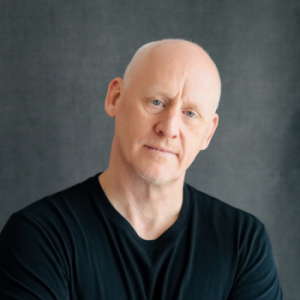
About Chelle Johnson
Chelle is a first-generation college graduate who grew up with limiting beliefs, fear, and dysfunction. Through faith, resilience, grit, and determination, she achieved executive leadership roles in Talent Acquisition and Human Resources at Fortune 50 companies including Comcast, Lockheed Martin, Quest Diagnostics and Honeywell. She has lived and worked in Asia and Latin America, acquired her MBA, and speaks Spanish and English. Through her agency Best You Talent Advisors, she now helps high achievers and diversity allies discover and amplify their strengths and purpose and realize abundance in their careers and lives.
Chelle is a career ally, change maker, and positive mental fitness authority who helps people be their best. She loves guiding people to get crystal clear on who they are and what they want and building the courage and confidence to achieve those personal and professional goals. She is known for coaching and advising people to listen to their inner wisdom, take risks, build their bravery and have the courage to seek their best lives.
Episode Notes
00:00 Intro
11:25 Lesson 1: Learn the Business Deeply
16:17 Lesson 2: Relationships Matter
22:00 Lesson 3: Stay Curious and Keep Learning
30:44 Lesson 4: The Most Important Person to Impress is Yourself
38:04 Lesson 5: Admit and Learn from Failures
Mastering Career Success with Chelle Johnson: Lessons You Can’t Miss
Siebe Vanderzee: Hello and welcome to our podcast, lessons Learned to Advance Your Career. This is a new segment of our global podcast named 10 Lessons Learned. In this special episode, we dive into the wisdom of professionals who have navigated the highest, the lows in the turning points in their career.
My name is Siebe Vanderzee, and I’m your host.
I’m a corporate executive recruiter with more than 25 years of experience helping companies find the best possible talent and coaching people to lend their next hopefully perfect job.
Our guest today is. Chelle Johnson. Chelle is a first generation college graduate who grew up with limiting beliefs, fear and dysfunction.
Through faith, resilience, grit, and determination, she achieved executive leadership [00:01:00] roles in talent acquisition and human resources with large multinational organizations like Comcast, Lockheed Martin, Quest Diagnostics, and Honeywell. She has also lived and worked in Asia and in Latin America.
In 2019, Chelle started her own consulting company, Best You, Talent Advisor, BYTA, helping high achievers and diversity allies discover and amplify their strength and purpose and achieve success in their careers and in their lives.
Chelle loves coaching people to get crystal clear on who they are and what they want and build the courage and confidence to achieve their personal and professional goals. And that’s exactly what we’re going to be talking about today. You can learn a lot more about Chelle on our website. 10 Lessons Learned.
Hello, Chelle. Thank you for joining us. How are you?
Chelle Johnson: I’m good, Siebe. Thanks for having me. I’m excited to, dive into these lessons.
Siebe Vanderzee: I look forward to our conversation, about your coaching, [00:02:00] experience, expertise and, helping people, maybe you can tell me a little bit more about your background and, your ambition to help people in their career advancement.
Where is that coming from?
Chelle Johnson: that comes from, Having mentors and coaches of my own who believed in me and helped me get rid of some of my own limiting beliefs as a first generation college student. both of my parents were entrepreneurs and so we’ve always had a tolerance for risk.
I was lucky enough throughout my career to consistently be promoted and put into stretch assignments as a high potential employee and get that coaching. But because I come from humble roots, I see how others struggle and I see how I in order to be their best self, they may need to make pivots and changes and erase certain things that they think they know, [00:03:00] that they believe in order to be their best self, which is why my company is called Best You.
Siebe Vanderzee: I appreciate it. at the same time in your bio, you refer to growing up with limited beliefs, fear and dysfunction.
that sounds more than, you know, I’ll get there.
Chelle Johnson: that limiting belief was mostly like, my dad was like, girls aren’t good at math. And so, I really never was good at math. I was always great with public speaking and speech communications and organizational development and change, and really more leaning into human resources like I never learned how to understand the stock exchange or how to invest or even a financial analysis until grad school. And so that was some of the limiting beliefs. along with, my parents got divorced when I was 13 and I was pretty much on my own, to be honest.
Just some dysfunction. And I think that’s pretty human. So that gives you a little bit [00:04:00] into, the decoration of my childhood.
Siebe Vanderzee: you had to figure it out yourself.
Chelle Johnson: I had to figure a lot of it out myself, and I’ve always been quite independent. And I think that independence and some of that grit really helped me figure it out.
I ask a lot of questions. I’m quite intuitive and inquisitive, so I would, holistic thinking of how to put pieces of puzzles together and be resourceful. maybe that’s how I figured it out. but it takes a village and so it certainly was not on my own. I’m already learning lessons from my childhood, so thank you.
Siebe Vanderzee: Great point. the lessons that you have learned, the things you have experienced, have driven you to become a very successful coach to people to understand what people are going through, even if perhaps they don’t say it Yes. And say, oh, I’m struggling here.
I’m struggling there. You are talented, sensitive enough to say, Hmm, something is maybe not perfect for that individual.
Chelle Johnson: [00:05:00] Siebe, thank you for saying that sensitive part because having that independence and, my Myers Briggs is EST, Since I have been coaching so much and working a lot with women and inclusive allies, that sensitivity and that intuition has really been coming up so much more, which is at the human level where people want to amplify and be themselves because we’re going to get into corporate America and how that can institutionalize people and make them think that’s who they are and that’s great. we’re getting into some psychology already. Siebe. My goodness.
Siebe Vanderzee: We haven’t even started with lesson number one. I know.
Chelle Johnson: You’re taking me in a direction that I didn’t know I was going to go today.
Siebe Vanderzee: I’ll keep it straight, but it’s important and it tells me a lot about your background, your experience, and how you apply that when you are working with your clients, because you’ve gone through a lot of things yourself.
And that obviously helps people, to recognize that and [00:06:00] say, Hey, you know, I’ve had it too. When I talk to people, how are you, oh, I’m doing fine. But then. Perhaps after a few minutes you realize that person is struggling, is having a lot of difficulties. In a job search situation, in a challenging economy, hey, don’t give up.
Keep applying. And sometimes I hear, especially from people early in their career, they applied for hundreds of jobs and never got a response. that’s very discouraging. But you got to pay the bills. You cannot give up. many of us have dealt with.
I have dealt with it. many years ago, but you learn lessons and then you can apply those to the people around you, or the people that you’re coaching.
Chelle Johnson: You know, I have to disagree with part of what you’re saying.
Siebe Vanderzee: Please, please, please,
Chelle Johnson: you people who just spray and pray, meaning they just apply and apply and apply in this market with ai, consumer confidence that has decreased, tariffs, new administration, and the [00:07:00] polarization of ideas.
the decrease of investment in women-owned businesses, venture capital, I feel like people that just apply, that they’re wasting their time, that they’ve got to get quiet, get focused and centered and clear on what companies they want to target and then network. Most of my clients that are landing, it’s all about referrals.
For this job market in order for candidates to be bleeding edge. If they’re just applying, they’re wasting their time.
Siebe Vanderzee: Yeah, and by the way, we’re not disagreeing on that topic. I hear from. People looking for a job telling me, I keep applying, keep applying, keep applying.
I don’t get a response, AI, whatever it may be. I’m not saying, don’t give up. Just Keep applying. You have to be smarter about it. that’s what we’re going to talk about in this episode it’s not to say, just keep applying. You got to be smart about it and understand AI, how do you see the impact of [00:08:00] AI on the recruitment process right now, both from a hiring perspective and from a looking for a job perspective?
What are your thoughts on that?
Chelle Johnson: AI is definitely coming into recruitment, in a huge way with the applicant tracking system and how we leverage and how it gets things out. there’s a lot of new organizations coming in that leverage AI.
Resumes. Today’s current resumes need to have all of the AI platforms that they are using. any AI that you know. Needs to be on your resume Now as a job seeker, I think there’s a ton of ways that you can use AI. if you’re just having AI do your resume, that is not going to align.
there’s, platforms out there like Teal and Job Scan and Claude and co-pilot, et cetera. Input your resume, your LinkedIn profile, the job description, and see [00:09:00] how the alignment is.
since I have my own meetup group that has helped over 6,000 people, it’s vital that you do make a resume. For every role that you apply to and make it specific and have a master database of all of your accomplishments, which have to have metrics, et cetera.
Siebe Vanderzee: yeah. oh yeah.
Chelle Johnson: Potential lessons learned and lessons you are learning now. Episode.
Siebe Vanderzee: Yeah. you’re right. That could be a special episode. We’ll keep that in mind, Okay. Because It’s something we have to be aware of all of us job seekers, hiring people as well.
before we get to your lessons, I want to throw out another question. Is there perhaps a lesson that you have learned in your life or in your career that you wish you would’ve learned when you were, let’s say, 25 years old?
Chelle Johnson: Oh, Siebe. Of course there is. I think that lesson is that I have to believe in me before anyone else will, that personal confidence, brings that self-awareness [00:10:00] and that intestinal fortitude to. Stick up for myself not to please other people that it’s okay to be your authentic self and not everybody’s going to like you or love you, but enough people are if you are yourself.
Because I see so many people in my coaching practice that put these masks on and the masks are so thick that they don’t know who they are anymore. in fact, in 2019, I was wearing so many, I felt like my soul was crushed and I have had to unravel and I’m still kind of unravelling. Take that mask off, take that mask off, and the more people can see you and know you, the more congruence there is with true happiness.
I wish I would’ve known that at 25.
Siebe Vanderzee: Well, it’s well said. And I definitely agree because if Candidates for jobs, pretend to be someone else than who they really are, it’ll come through in the [00:11:00] process. it’s very difficult to keep that up and, go through a process talking to different people in an interview process and suddenly people have different impressions because of how that person reacted.
To be genuine is extremely important and to have confidence in yourself, right? whoever you are, you are that person. and there is obviously nothing wrong with that. that’s your profile. So, I like it and it’s a good
Lesson 1: Learn the Business Deeply
Siebe Vanderzee: lesson. But let’s take a look at, your first lesson.
lesson number one, learn the business deeply. What do you mean with that?
Chelle Johnson: both of my parents were entrepreneurs, and my father would bring me to his, aircraft, instrument and computer company, and he would train airline mechanics.
just being in that environment, I got to see how he acted as the CEO, see how he was with clients, see how he would talk to his, mechanics. See how he would interact with students [00:12:00] and he wouldn’t show me the finances because girls don’t know math. But that’s how it kind of started. And as a first generation college student, I majored in Spanish and speech communication.
And yes, I had to take accounting, but I was horrible at it. What really made me impactful was, let me do a shadow day. Let me understand the product. Help me understand who the stakeholders are. when I was the head of talent at Comcast, I’m like, I want to go out for a day with the technicians and see how we input cable.
I want to be with the call center teams in English, and in my case Spanish, about what are our clients complaining about? How are we fixing these things? How is it affecting the employee base? and I put myself with mentors in finance and accounting very early on because I did not understand. The financials.
And so that’s why I actually decided to get my [00:13:00] MBA. now I still didn’t do very well in accounting my first semester at Thunderbird but learn the business deeply so that you can truly be a partner and you’re not just invited to the table because you are the. Hr, you were truly invited because your opinion matters what you think about how to create value and solve problems, and to smooth out chaos.
That’s how you become really successful in my opinion. And that’s how I’ve kind of moved into lesson two, But it’s really is about learning how you, your own style can match with the business Going deeper and deeper and deeper so that your own knowledge, your own inspiration, and your own curiosity to explore how to help others and people start to see you cross-functionally to be a leader, not just in your one area of subject matter expertise.
[00:14:00] That’s what I mean by that.
Siebe Vanderzee: interesting that you say that in the example you gave is you were employed in an organization and you started to explore more what was going on in the organization that had hired you. There’s also the element of applying for a job and doing research to try to understand the company where you are applying for a job.
Do you, in this particular instant, are you saying this is really focused on this is the job that you have You need to learn what’s going on. even if that’s not your expertise and you’re not going to be working perhaps in the finance department, but it is very helpful to be aware of what’s going on or, you’re applying for a job I want to understand the culture of that company and the direction they’re going into so that when I’m being interviewed. I can relate to what’s happening in that company. how do you see that? Just the two sides.
Chelle Johnson: [00:15:00] I love that you’re blending that from the job seeker and professional perspective.
as a job seeker, I do think it’s vital to understand the business, to look at the financials if it’s a publicly traded company, to talk to people who are currently doing the job or that know the company and to do your due diligence. You can’t show up, guessing where it is, especially at target companies.
I think it’s vital to become psychologically relevant whether you’re looking for a promotion, whether you’re looking for a stretch assignment, or whether you’re looking for a job. To become psychologically relevant, you have to understand pain points, obstacles, challenges. And in order to do that, you have to have a holistic understanding of the business, the market, the customers, and ask questions.
psychological relevance can happen internally or externally. I tell a lot of my clients in transition. [00:16:00] Your main job is to become psychologically relevant for yourself, knowing yourself, but also psychologically relevant for those people that you are meeting with. So, they know how to help you, so they know how you’re going to answer problems.
Lesson 2: Relationships Matter
Siebe Vanderzee: your lesson number two is connected to lesson number one. Lesson number two, relationships matter. it’s easy to say. But what are your thoughts on that one?
Chelle Johnson: When I came up with this one.
It was really simple.
my motto in my business is that relationship equal results, and it really is about what impact have you had with them? How did you remember their kids’ names? How did you align to be empathetic with them? How did you really make meaning? To care about and solve problems for them.
I worked in Phoenix for, so Sonora Quest Labs and my boss,11 years ago took the [00:17:00] EVP of HR at a major blood system company. his son just graduated from college and. 11 years later; I can still name all five of my boss’s kids’ names. I know how I met his son. I know where it was. I know what their dog’s names are.
that relationship, I still get phone calls 10 years later should I. Should I promote this person? at the same company? When I was partnering with the C-suite, the CEO would not hire anyone without me in the room, they called me Mariana Rivera the closer, and because of the relationship of the holistic deep business, understanding of the culture and the direction and the relevance and how people would fit in. So those relationships I still hear from people in Arizona. so, you don’t have to be an extrovert. In fact, some of the most impactful people I know are [00:18:00] introverts, but it’s when they say something, the relationships they have are so deep and so meaningful that no matter where they go or what they do, the people will have your back.
Siebe Vanderzee: it’s very genuine what you’re saying. it has to be genuine, right? Building relationships. It’s not like, oh, well I need to get a promotion and I’ll just, be nice to them and hopefully that’ll work.
It has to be genuine. Like you said, 10 years later, they’re still calling you, asking for your,
Chelle Johnson: it’s crazy Siebe.
Siebe Vanderzee: Well, it shows I think a lot about who you are and the value you. Provide to them. I remember, and I’ve used the line before, you know it many times in the job application process.
The questions are, can the person do the job? Will the person like or love the job? Is their passion for it? But then. can we tolerate working with that person? That’s meant kind of as a joke, but does it click?
Chelle Johnson: really.
Siebe Vanderzee: If it clicks between you as a candidate and the [00:19:00] hiring organization and hiring manager.
Chances are, they say, well, you’re not fluent in, pick a language Chinese, but we really like you and we’ll help you. When it comes to the Chinese language. I’m making this up of course, because they like you as a person, But if you detect that an applicant is not clear, or you know, is lying about something.
There are chances that you are not going to talk to that person and definitely not going to hire that person. Integrity, we talked about that, right? that’s such an important element in there. But I, want to ask, you know, because building relationships, so now you’re working for a company relationship is great.
How do you ask for a raise when you are working in a job You have a good relationship and you say, look, I’ve been here now for a few years. They better pay me more money. what advice do you have, Chelle to tell a person that you’re working with to say, this is how you should approach it.
And the person likes the company. They like that person. [00:20:00] But how do you position yourself for getting a raise?
Chelle Johnson: There’s a whole process around this. you have to know your value and how do you know your value? Look at salary ranges within the company.
I don’t love a lot of these free salary market assessments. I think they’re overrated. but you can actually, work with a human resources consultant to do an assessment so that you know your value, understand, and ask where you are on a talent review or a succession plan. Now, sometimes that is not.
Unfortunately, I don’t even know why companies do that, but they do. Where are you on the talent review? Are you ready now for a promotion or are you three to five years out? If you are three to five years out, what do you need to do to be developed and coached and guided into this next level?
Understand what the pain points are of the business be the one to [00:21:00] come up with the solutions to the problem so that there’s no doubt that the performance is there. As the past leader, I don’t want someone coming to me and being like.
The cost of living is getting more expensive in my area. I need to buy a house. You, you’ve got to have a business case. You’ve got to understand your data. You’ve also have to understand the style of who you’re asking to. Are they data driven? Are they, relationship driven?
Obstacles or challenges do they have to go through in order to get you that promotion. But at the end of the day, it really is about know your value, speak your truth, and don’t overdo it. Like state what you want to state and then be quiet. A lot of times the over explanation just seems that people lose confidence, especially a lot of women.
Don’t ask for what they’re worth. Know your worth, state what you need, and then be quiet.
Siebe Vanderzee: yeah. Very good [00:22:00] point.
Lesson 3: Stay Curious and Keep Learning
Siebe Vanderzee: let’s move on to lesson number three. Stay curious and keep learning. I like that a lot, I like to listen to your thoughts on that.
Chelle Johnson: Stay curious and keep learning. this has got to be one of the most important lessons because for me, if you are not learning, you are not living.
And by staying curious about, Hey, what book are you reading, or what podcast are you listening to? Or what is one piece of advice that you would give to me that I could really learn from? Or if you have a challenge, ask about that challenge. Stay curious. I’m just going to be honest.
Ever since COVID, we’ve gone through so many iterations of the workforce. Like the great recession, quiet, quitting, There have been 40 headlines about the workforce of the future, apprenticeships versus college.
Colleges are going, the enrolment’s going down, et cetera. So, Limiting beliefs when you are stuck in this mental [00:23:00] Hamster wheel of I’m not good enough. I’m stressed; I’m overwhelmed. All of those negative thoughts do not allow you to live into your wisdom, allow you to really be curious, to be creative, to navigate differently.
in order to stay curious, you have to always be checking in on how am I doing? Is my curiosity leading me in a new direction? Am I listening? am I listening to my gut or am I listening to what other people have to say and tell me I should do? Am I seeing things that are coming to me naturally that would allow me to be curious?
So, for me, curiosity goes much deeper. How am I coming across, how am I learning, how am I shifting as a human and how am I boosting my own learning so that I am on my own plane of continuous [00:24:00] improvement?
Siebe Vanderzee: No, I like it. and actually, because I was thinking about this before we started talking about this and you mentioned your gut feeling, right?
That. Directs all of us, whoever we are. and it’s not always the same for every person, but there are other people. Sometimes they are very pragmatic in making a roadmap.
Would you say one is better than the other or is it simply said? It depends on the individual to go with your gut or you have to create a roadmap. Make sure that within the next two years you achieve a certain goal in your planning.
Chelle Johnson: Siebe, I love this question because I’m actually coaching a very technically driven, engineer right now.
I work with a lot of scientists and very smart intellectual people, engineers, doctors, lawyers, and they’re rational, pragmatic, practical. going back to lesson one, Know the business [00:25:00] deeply. Be able to understand from their perspective what’s going to be better. I bring both together because my work is all about head, heart, and soul alignment and true alignment.
I’m pretty pragmatic and practical and analytical but. At the end of the day, if my gut is giving me huge warning signs. I’m going to really listen to that because it’s a warning in itself. So, I think there’s ways to continue to take off those masks and not just live in one world but combine both.
For overall healthy human living.
Siebe Vanderzee: I think you agree mentors can be very helpful individuals that yes, have your back, know who you are, things you have gone through and when you bounce off ideas, I’m thinking about doing this in the future or what should I do over here?
They know who you are. If you are lucky enough to have a mentor. Not everybody has that [00:26:00] available, but if you do have a mentor, that can be very helpful to stay curious and keep learning and that can motivate an individual to say, yeah. That’s the track, because I talked to this person and he or she has been there before.
They know what they’re saying. They like me, so I’m taking their advice. I think that can be very helpful for many people when they deal, with uncertainty, and when they’re not reaching their goals, when they’re trying to apply for a job or to get promoted, it’s not working.
It’s easy to translate it into failure, and that’s not, the best word to say you have to pivot and adjust, right? I mean, we all understand how important that is. When you deal with a difficult situation you have to make adjustments.
Chelle Johnson: There’s so many ways I can respond to that.
First of all, I love mentorship and I believe in it intergenerationally. I have some of my best lessons have been from 18 year olds or when my daughter was five, going and [00:27:00] reading books in her kindergarten class. Or being part of a book club that’s diverse in thought. mentorship is really about who has been there and done it.
But also, how can I learn? I do reverse mentorships with people who are like Gen Z or Gen X. I am Gen X, like millennial way younger than me so that I can make sure that I’m hearing both perspectives to have that holistic viewpoint. so, I love mentorships and I think. Especially now with AI, the positive impact that Gen Z can have on some of those that are over 40. Oh yeah. And those reverse mentorships are huge. Now, on the topic of, if you don’t reach your goals, you fail. I disagree with that comment completely. I think many people don’t reach their goals. And thank God I haven’t reached all of mine.
quick hint for job [00:28:00] seekers. You need to have an answer to the question. What has been your biggest professional failure? This is where if you don’t reach your goals, why not? How did you pivot to reach them? Were you overshooting? What did you learn from it? So, I always, because the word failure is traumatic for many and through mentorship, you’re not going to fail as much, but there’s a book called Fail Forward. Fail Fast. I always am like, okay.
I didn’t fail; I just didn’t meet it yet. self-awareness and self-compassion on what I’ve learned, makes it a little softer landing for me.
Siebe Vanderzee: Yeah, no, I like it. And I like the fact, that you say, wait a minute, failure is not the word. And I agree, and I have been in situations myself multiple times where I had to make [00:29:00] serious changes in my career.
And yeah, I can point, right? I can point a finger at this is the reason, and that is why, Technically you can apply the term failure, but you are, absolutely correct because, no, you’re not done yet. It’s not, conclusion, you have failed. You make the adjustments. And like you said earlier, I have learned a lot.
I’m grateful for my failures? Yeah.
Chelle Johnson: It’s hard to be grateful sometimes Siebe, especially those huge life lessons where you need a mentor.
Siebe Vanderzee: I’m not disagreeing with you, but I think. What you have experienced, what I have experienced. If I can apply that to help other people, it’s not a failure.
Then I feel satisfaction that I can share that experience and that difficult situation that I had to deal with because if it can help. That person, then that means it was worth it, right? [00:30:00] it’s hard to make it, in practical numbers to say, wow, how successful, how much did I fail? But it feels good to be able to help people.
And if those people succeed in landing a job or making certain adjustments, you as a coach, can say, Hey. Without asking for credit. I know that’s not who you are, but you feel good that you were able to guide that person, and I think that’s a wonderful way to learn from your own lessons and apply them to people.
And it is definitely part of our podcast concept. Lessons learned. That’s the whole idea We’re talking today with Chelle Johnson, an experienced career coach with global expertise, helping high achiever and diversity allies discover and amplify their strength. Purpose in their careers and in their lives.
Lesson 4: The Most Important Person to Impress is Yourself
Siebe Vanderzee: move on. Lesson number four. The most important person to impress is yourself. How do you impress yourself?
Chelle Johnson: Siebe, when you read that, what do you think about?
Siebe Vanderzee: Good way to turn the [00:31:00] question around, I think. having confidence, and I’m not saying I’m impressed with myself, but the work that I do, and I think Chelle, in your case, the work that you do, of course you feel confident that you can be helpful.
And so, I’m not saying wow, I’m wonderful, but I know I can be of value In that sense, that makes me wake up in the morning and say, you know what? I’m looking forward to the conversations I’m having today trying to assist people in their job search or in other coaching related issues, or my clients looking for talent.
So having confidence helps me to impress myself. But what about your answer?
Chelle Johnson: for me it’s about personal integrity and ethics Being aligned with that was a good decision and morally focused and values oriented and [00:32:00] purposeful, to know what is your purpose? I felt really good about that. Because think about how you feel with the opposite when you feel like you’ve done something wrong, when you had lack of integrity with, that it did not meet your values.
the first person that you have to live with is yourself. as long as you have guardrail and boundaries around that, not in a stubborn way or black and white way, Being able to wake up in the morning and have that confidence, know that everything you’re doing is for the greater good, and that as a servant leader if you’re living in alignment with your values and your purpose,
that’s how you impress yourself. there’s a Japanese saying it’s Ikigai. Have you heard of that?
Siebe Vanderzee: I may have. If you translate it.
Chelle Johnson: ikigai means who are you when you get up in the morning or what makes you tick this mastery [00:33:00] of personal, professional, spiritual, and that alignment.
So That’s how you have quiet confidence, quiet awareness. I went a little deeper, because from what your thoughts and some of your words Prompted me to go further into that, but that’s what I mean. You’re a
Siebe Vanderzee: good interviewer. I can tell. Oh,
Chelle Johnson: Thank you.
Siebe Vanderzee: But I, for example, in what you’re saying, I don’t mean to interrupt, but
Chelle Johnson: No, please.
Siebe Vanderzee: Personality. Waking up in the morning mindset, there are people who are, maybe introvert, maybe a little shy, a little humble. I’m good at what I’m doing, but I just keep doing what I’m doing.
I’m not necessarily qualified for a better job. personality wise, we’re all different, but for some people. That may be difficult to impress themselves because, I just do what I’m supposed to be doing and why should I be impressed?
Chelle Johnson: I think you can still have self-respect and I do recognize, the individualistic [00:34:00] versus cohesive cultures around the world, the US being probably the most individualistic. it’s not about arrogance. It’s actually exactly the opposite about humility. Staying within my own guardrails and being happy with who I am first.
Now, I just looked up Ikigai and it’s basically aligning your passion, your strength, what you’re good at, what the world needs, and what you can be paid for, and having. Mastery around your morals, what you’re passionate about, your purpose. And to me it’s just alignment. I’ve used that word quite a bit because I guess I do get into the woo a little bit more.
but that’s what that means to me. That is what that lesson means about values and purpose and comfort with staying in your own guardrails.
Siebe Vanderzee: I want to bring up one other. Topic related to that. And I think Chelle, that could be part of yet another episode because it’s more than just [00:35:00] a quick answer.
But if you talk about, important to impress yourself, have confidence in yourself, when we talk about gender issues, ethnicity, racial issues, I am very much aware it’s not equal. It’s not don’t worry about it. No. There are differences, and in some countries it’s more blatant than in other countries.
I don’t like any of that, to be honest, because we should be equal. But for some individuals it may be, well, I cannot present myself in this way because. They wouldn’t accept that because, for example, they don’t recognize my talents because I’m a female.
but nuances can be, well, it could be a female, it could be a male, whatever. But is that, is that when you think about impressing. Yourself. How relevant is that or is it not [00:36:00] relevant?
Chelle Johnson: That pause there, Siebe, is that this is a really hard answer, and I do agree with you that we should all be equal.
But the fact is that we aren’t, whether it’s the color, race, gender, sexual orientation, whatever. I work with a lot of women that have been in marginalized, underrepresented communities in both the US and outside of the US. And so, the way that I coach on this is to, what minor shifts can you pivot into that you start to feel like yourself and your voice again.
my coaching goes a lot deeper than transactional. I’m very holistic and looking at the whole person. a lot of times my clients are in therapy. They’re working with psychiatrists, ministers or spiritual centers. because they know in their heart that who they’re [00:37:00] supposed to be is not how they’re showing up and they’re not impressing themselves.
And so, we start with what does that look like? Let’s remind yourself of who you truly are and who you were as a kid. I’m getting into inner child work. I’m getting into illustrations; I’m getting into deep values and purpose work. it is not an easy answer, but for me as a coach, the way that I impress myself is to help others achieve lifelong adjustments and pivots so that they can live within their guardrails.
Siebe Vanderzee: Yeah.
Chelle Johnson: And so that’s the best way I can answer that, No,
Siebe Vanderzee: I appreciate it. and again, it’s a topic we can devote a lot more time to, we can,
Chelle Johnson: we could go into that topic deeper.
Siebe Vanderzee: But I think the fact that it exists right?
In many countries it’s easy for a certain. audience to say, ah, that’s no longer the case. We are all equal in our country. [00:38:00] Not necessarily
Chelle Johnson: no
Siebe Vanderzee: or not true, or not.
Lesson 5: Admit and Learn from Failures
Siebe Vanderzee: Anyway, we’ll move on. Lesson number five. Admit and learn from failures. It sounds negative, but it’s meant as a positive.
Chelle Johnson: I think we talked about failure before. And that was maybe a precursor to the definition of failure. that goes along with number four of, I did make that mistake. Lying and blaming and, disassociation or amputation of, I didn’t do that. That’s just not realistic.
Yeah. In my mind and people who are listening might think, oh, that’s too woo woo or whatever. But at the end of the day, it’s about, you know what, I did make that error. I’m going to clean up my side of the street. I work with a lot of 12 steppers, so they will understand what I mean by that. they clean up their side of the street.
I admit that I made that error. think about how much better relationships would be Siebe [00:39:00] if we were to just say and have the courage and the bravery and the acceptance by others to say, you know what, I really messed up and I am sorry. And to have constructive reconciliation.
Siebe Vanderzee: Yeah.
Chelle Johnson: And what you can learn from that. people have always told me that I’ve had a lot of courage. And I think part of that has been admitting my mistakes and learning from my failures. And sometimes they are so hard that that self-forgiveness is the hardest part because people feel shame and they disconnect.
So, I’m not a psychiatrist, But to me, when one can say, you know what, I messed up. It goes back to number four. I impress myself by saying, you know what? I’m not perfect and I’m human, and I can live with myself by learning from what happened [00:40:00] there and not having it happen again. That’s part of continuous improvement.
So that’s part of my life lesson.
Siebe Vanderzee: Yeah, I like it. admitting and learning from failure, is helpful compared to denying it and ignoring it because that can lead to more distractions and more failures. if you’re not willing to learn from your failures, chances are you’re going to fail again or make mistakes again.
And if you are admitting and say, Hey, I got to change this, then chances are next time when that moment comes around that you say, alright, I learned my lesson. I’m going to approach it differently.
Chelle Johnson: Absolutely. Yeah. It reminds me of a story of when I was leading talent. I was a senior manager of talent at Lockheed Martin.
my Excel skills were intermediate. I made an error in an algorithm that affected several people’s goals. My fear of they’re going to think I’m stupid and lack of competency and what is she doing in this role? And [00:41:00] the truth is I didn’t catch it. One of my employees caught it and it was embarrassing.
Siebe Vanderzee: Oh yeah.
Chelle Johnson: okay. I admitted it now. I kicked myself for about a month these little mistakes that you carry with you, but the fact that I admitted it. yep, it’s going to make a difference It was way better than these people’s bonuses being based on a false metric.
Yeah. Especially with an engineering company. Yeah. Right. So that is actually one of the examples that I use in my interviews. I made an error. I had to ask for help. I stated the error, we reconciled what it was we started doing, we had to go to different people and admit the error, and I lost face.
Siebe Vanderzee: I’m thinking when you are dealing with, your clients that you are coaching and they admit that they made a mistake, had a failure. [00:42:00] When you are coaching them, it’s not you and what you did, but how to advise someone and say, look, yeah, you messed up whatever it was, but you got to keep going.
what kind of advice would you share with someone who admits to you that he or she failed at some point and that stuck in their brain? What would you tell them?
Chelle Johnson: true coaching isn’t about advice or telling someone. It’s about helping them move to exploring acceptance of it and moving in a different direction.
Mm-hmm. I don’t know that I would give advice because as a coach, I’m not paid to give advice. I’m paid to guide and help pivot. But I would allow for a container of psychological safety and talk about the feelings aligned with that, how does it feel to admit that?
Mm-hmm. What did you learn from that? How can we grow from [00:43:00] that? how do you want to show up differently? You know, things like that. That’s how I would get through that.
Siebe Vanderzee: So, you put it in the form of a question, you don’t?
Chelle Johnson: I do.
Siebe Vanderzee: Okay. That’s an important issue that you mentioned, because I understand you say you’re not there to give him advice at the same time when you ask someone that question, he or she is trying to think about, okay, how can I explain to you?
Maybe what happened and how I look at it as far as my future. And that’s kind of how you can guide your Yes. Right?
Chelle Johnson: Yes. We guide with the goal of an agreement toward the end of how they would like to shift and what they would like to learn, because the client is always at the center of everything we do as coaches.
Yeah. Now if they do want my advice, then I switch into consultative coaching and I get their permission to do so. And a lot of times they’re like, Chelle, I just want your advice. And so that’s the difference. But we still lean into what they’re learning and we give them [00:44:00] role models.
Like we role model, how the conversations will go. And how they’ll lean in. I love doing that with my clients. several of them have been promoted. Some of them have started to impress themselves more by changing how they show up, by learning from their failures and. Having that self-awareness.
Siebe Vanderzee: Yeah. Great lessons, great story one more question for you. Is there a lesson that you have unlearned where you decided I got to do things differently, whether it’s in your career or in life where you decided I got to change, maybe not.
Chelle Johnson: I’ve unlearned that I have to please everyone.
Siebe Vanderzee: Can you explain?
Chelle Johnson: I’ve unlearned. the older I got, the more comfortable I got with who I am and that I don’t have to please everyone because it was exhausting. I’m comfortable enough with myself that, I’m still [00:45:00] unlearning it. I’m still a pleaser and a hyper achiever. but I’ve unlearned some of that, that the more authentic and genuine and transparent I am, the more I connect and relate to people.
Siebe Vanderzee: I think that’s a valuable lesson, for all of us to apply. I really appreciate it, Chelle, that you, were willing to be my guest today. thank you for joining us and for sharing your very helpful lessons, for career advancement with our global audience. I want to make a few remarks.
in closing. You have been listening to our program, lessons Learned to Advance your Career. This episode is produced by Robert Hossary, and we are supported by the Professional Development Forum. I also want to give my special thanks to our team, Yi Wang, who manages our marketing and social media.
Our guest today, Chelle Johnson career coach with global expertise, helping high achiever and diversity allies discover and amplify their strengths. Purpose in their careers and in their lives, sharing her [00:46:00] lessons learned for career advancement I hope you enjoyed this special episode.
Don’t forget to subscribe so that you never miss a lesson that could impact your career and perhaps your life. Thank you for tuning in to 10 Lessons Learned and this special segment called Lessons Learned to Advance Your Career. Our goal, as always, is to make the world a little wiser.
One lesson at the time. Thank you and stay safe.
Thanks to our 10 Lessons team that make our show possible: Our Episode Editor Codie Comeau, Marketing and social media managed by Yi Wang, and our Producer Robert Hossary. Sponsored as always by Professional Development Forum. You can find the www.professionaldevelopmentforum.org.
You’ve heard from us we’d like to hear from you. Email us it’s podcast@10lessonslearned.com.
Remember, this is the podcast the only podcast. That’s makes the world wiser lesson by lesson.