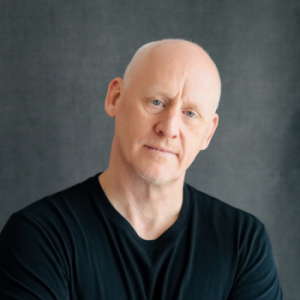
About Aye Kari Soe
Aye Kari Soe is a consultant, human rights advocate, and European-accredited lobbyist. Born in the Tham Hin refugee camp in Thailand to parents who fled a dictatorship, she settled in the Netherlands at the age of 7.
Recognized by the United Nations and leading global corporations, Aye Kari Soe is a dynamic public speaker dedicated to advancing gender equity, financial empowerment, and sustainable development. She co-founded Fembitious, an initiative empowering woman to invest and achieve financial independence. She also established the Worldwide Burmese Students Academy, which provides Burmese students with critical educational resources while contributing to the broader fight for freedom and justice in Burma.
As the founder of Soe Consultancy, Aye Kari Soe leads efforts in ESG compliance and human rights advocacy. Through her consultancy and auditing work, she collaborates with industries to align their practices with international human rights standards and the UN Sustainable Development Goals, striving to humanize the private sector while promoting sustainable business practices.
Episode Notes
09:53 Lesson 1: The Power of Childhood and Core Beliefs
12:30 Lesson 2: The Power of Environment
14:42 Lesson 3: Everything is Connected
17:25 Lesson 4: Modern Slavery and the Fight Against Injustice
22:50 Lesson 5: Purpose & Fulfillment in Career & Life
24:43 Affiliate Break
25:39 Lesson 6: Complexities of Humanity
29:12 Lesson 7: The Role of Pain in Growth
32:59 Lesson 8: Resilience is Built Over Time
34:49 Lesson 9: The Importance of Spiritual and Emotional Well Being
37:10 Lesson 10: Small Actions Lead to Big Changes
Aye Kari Soe – Transforming Pain into Purpose
[00:00:08] Siebe Vanderzee: Hello, and welcome to 10 lessons learned the podcast, where we talk to leaders, experts, extraordinary people from all over the world to uncover the lessons that have shaped their lives, their careers, and sometimes their business. Our goal is simple, making the world a little wiser. One lesson at the time.
[00:00:30] Siebe Vanderzee: My name is Siebe van der Zee and I’m your host. I’m based in Phoenix, Arizona, in the beautiful Grand Canyon state, where I’m also known as the Dutchman in the desert.
[00:00:42] Aye Kari: Our guest today is Aye Kari Soe. Aye Kari Soe is a consultant, a human rights advocate, a public speaker, and a lobbyist accredited by the European Parliament. While still early in her career, she has a very powerful background and message. For starters,
[00:01:00] Siebe Vanderzee: Aye Kari was born in a refugee camp in Thailand. Her parents had fled a dictatorship in the country of Burma, also known as Myanmar, and at the young age of seven, Aye Kari settled with her family in the Netherlands, in Europe.
[00:01:14] Siebe Vanderzee: Recognized by the United Nations and by leading global corporations, Aye Kari Soe is dedicated to advance gender equity, financial empowerment, and sustainable development. In her own consultancy, she works with industries to align their practices with international human rights standards and with the United Nations Sustainable Development Goals.
[00:01:36] Siebe Vanderzee: She co-founded Fambitious. an initiative empowering woman to invest and achieve financial independence. She also established the Worldwide Burmese Students Academy, which provides Burmese students with critical educational resources while continuing to the broader fight for freedom and justice in Burma.
[00:01:57] Siebe Vanderzee: And that’s quite a story. You can learn a lot more. about Aye Kari Soe on our website, 10 Lessons Learned. Hello, Aye Kari. Thank you for joining us.
[00:02:08] Aye Kari: Hello. Good morning. thank you for having me.
[00:02:11] Siebe Vanderzee: it’s wonderful to have our conversation today and to start out, my gosh, born and raised in a refugee camp.
[00:02:19] Siebe Vanderzee: That must have made a huge impact on your life.
[00:02:25] Aye Kari: Yes. First of all, thank you for having me and I’m really honored to be here. I’m a really big fan of the podcast. So really excited for that. This episode. And to the question, yes, but I’m starting to be more aware of it, because for me, it’s normal thing.
[00:02:41] Aye Kari: Of course, it’s my life. So, I’m becoming more aware of it, and I’m look forward to go more deeper into it. But yeah, that’s my childhood. it’s normal for me.
[00:02:51] Siebe Vanderzee: It’s normal. And at the same time, it must have been. Very rough growing up in a refugee camp, but also, more recently, you were invited by the United Nations in Geneva, Switzerland, as a keynote speaker.
[00:03:05] Siebe Vanderzee: That must have had an impact, and has become, perhaps, your goal in life, if I can ask it that way?
[00:03:12] Aye Kari: I think my goal has always been to make a change, but, to combine the two, I think starting from the refugee camp where you as a human being actually don’t exist, so you are stateless, you have no right to human rights, from there to now, speaking at such an institution as the United Nations about human rights, where I now have human rights.
[00:03:35] Aye Kari: It’s so different. So going from, the people that are being talked to being one of the people invited to share my story, to share about my vision about the world, that’s quiet. Incredible. I’m very grateful for this opportunity in life and also to have basic human rights. I’m really grateful for that.
[00:03:55] Aye Kari: That’s one thing. And then what do I want to achieve in life? I think that’s a very difficult question because you don’t know what will happen. If you would have asked me this question when I was like, for example, six or my surrounding, there will be like, Yeah, the best thing she can do is maybe become a housekeeper.
[00:04:12] Aye Kari: when, you would ask me that, 20 years back as a child, you would get a different answer. Even though back then I would probably say, I wanted to be a lawyer. but that’s impossible. I am 24 right now. And if I look at, what do I want to do? Do in life, I am not sure yet.
[00:04:28] Aye Kari: It depends on the opportunities, but also, I’m still quite young. So, I don’t have one specific thing. Oh, I want to be this or that. I want to make impact, and I want to leave the world a better place. And that’s what I’m focused on. And whatever opportunities arises that gives me those, you know, assets to make an impact.
[00:04:47] Aye Kari: I will take it.
[00:04:48] Siebe Vanderzee: Makes a lot of sense. of course, it happens to many people that they have, can I say multiple careers in their life? It wasn’t maybe planned that way, but they had to make changes and adjustments and ended up doing something different than when they started their career. So, I fully agree with you.
[00:05:06] Siebe Vanderzee: Now, when 10 lessons, and of course you and I spoke about that in advance, These are not just lessons learned, and there is an overriding, can I say, title to all your lessons specifically, that title that you suggested and that I think is very powerful is transforming Pain into purpose, and we’ll be talking about your 10 lesson, but maybe explain a little bit more the title, transforming pain into purpose.
[00:05:38] Siebe Vanderzee: What do you mean with that?
[00:05:40] Aye Kari: I’m very open about my mental health and I feel like in our society, especially when it comes to the professional life, it’s not being talked about. It’s such a taboo that we don’t, we can’t talk about it, mental health, the pain. you just keep it to yourself. But I think If we really embrace those pain, we can make so much more impact, and the pain is there for a reason. So, the past four years, in Burma, the dictator took over our power again. We have a new dictator, and he is bombing everyone, murdering people. And some of my family members have been murdered. Some of my friends are still in jail.
[00:06:15] Aye Kari: And that is a lot of pain. normal being a human. that is a lot. And that has been quite a struggle for me now the past four years, where I just feel so much pain, how do you grieve? And then what kind of things can you do to help them? Sometimes it feels so helpless. And then you just have the pain, but I, at the same time, the pain motivates me to make an impact to change me to give me a purpose.
[00:06:40] Aye Kari: So, I think the pain is such a beautiful, underrated Emotion or think that go through life that we just get scared of it and push it away. Whereby I think that if we learn to embrace it and if we give it more of a space in our society, then we can just we can create a better world. So therefore, I thought we can talk about the pain and turning into purpose and make it a more of a less taboo and more of a beautiful thing that we can actually talk about.
[00:07:10] Siebe Vanderzee: You say it and it makes sense what you’re saying. But you realize that most people never had to suffer what you had to go through with your family and still dealing with. So, I think it’s very powerful and it’s perhaps hard to imagine for many people that you have the mental strength to look at it as it gives you some level of energy, right?
[00:07:33] Siebe Vanderzee: It motivates you even though it’s extremely painful.
[00:07:37] Aye Kari: Absolutely. And it has been quite hard. Like you said, some people never had this kind of pain. I’m really happy, that we have such a peaceful, Western world that they don’t see the pain, or they don’t feel it. And I’m really happy for that.
[00:07:50] Aye Kari: But for people that are going through pain, but I think everyone goes through a certain pain, even though you can’t relate to maybe the pain of war, it could be the pain of losing a loved one or struggling with mental health. So, I think we all go through a certain pain, and we can’t really decide if it’s big or small.
[00:08:09] Aye Kari: But like you said, it is sometimes a bit lonely. And especially when I talk about this, I have had reaction from people like, stop, you’re just Trying to get attention. It’s not real. People had Second World War here. And they were not complaining. And I heard that from people my age. So sometimes it’s, it feels a bit lonely in this journey.
[00:08:31] Aye Kari: Especially when the war is happening at the other side of the world and I’m feeling here. I have had professors at my universities telling me Aye Kari, you have to take the exam. Sometimes, there has been moments where I could not get out of bed because a loved one got murdered. And I will be just crying and crying, and I can’t just get myself together to dress up and to just go to class or this and that.
[00:08:54] Aye Kari: And then the professor, there was one professor who said Aye Kari, get over it. It’s the other side of the world and, it’s all about your mindset. If you think positive, positive things will happen. And I could not understand it. I was like, how could you say that when You know, like people I love are dead, and all we got back is just pieces of organs, and I just did not understand how people could not understand it or have empathy, but as I grow older, I’m starting to see oh, These kind of pain, it’s not a reality for some people, so I have more understanding of that.
[00:09:31] Aye Kari: But, yeah, it’s quite hard to explain the pain of a war or even the refugee camp things to normal people over here. I do struggle a lot with that.
[00:09:41] Aye Kari: I understand transforming pain into purpose. Let’s take a look at your 10 lessons. Lesson number one, the power of childhood and core beliefs. What are your thoughts about that?
Lesson 1: The Power of Childhood and Core Beliefs.
[00:09:53] Aye Kari: I learned a lot about, these years about who am I, what do I want in life and what’s going to bring me. happy, purposeful life. And one of the things that I’ve learned is that we are programmed so much in our childhood that we need to be aware of it. So it could be that our parents have said certain things to us or our community.
[00:10:16] Aye Kari: And for me, it has been, for example, with my core beliefs is that, in the camp, but also with my community, the leaders have always told me I’m a woman. I, I’m a little girl. my parents are uneducated, so I can’t do anything with my life. I should become a cleaner. And not only for my community, when I moved to the Netherlands, we had people, teachers telling me the exact same thing.
[00:10:37] Aye Kari: They were like, I’ve always been quite ambitious. And that’s also quiet, the core belief that I got from my parents, because when we moved to the Netherlands, they told us like, now you have human rights, you have rights to education. It’s up to you if you’re going to take on those opportunities and get all those opportunities and do something with your life or not.
[00:10:57] Aye Kari: So, we, we got those core beliefs. from our parents, at least I got that from my parents that I can now do everything I want to do. If I want to become a lawyer, I can become a lawyer. If I want to become a doctor, I can do that, anything. But at the same time, from a lot of, my teachers, even Dutch teachers, they would tell me I can’t do anything because I come from a certain background.
[00:11:18] Aye Kari: And now I’m at the age where I’m like, okay, which Things do I believe, and do I want to take forward in my life and which things do I want to leave behind? But it’s so programmed that it’s quite funny. Like the things that we say to ourselves, when we look into the mirror or when there is an opportunity, do we take it or not?
[00:11:36] Aye Kari: It’s already programmed in our childhood. So, there is so much power in that. And to be aware of it, I really believe that’s where you start, whether it’s your career or finding purpose in life.
[00:11:47] Siebe Vanderzee: The power of childhood. I really like it. And what you said again has a lot of value. We are, as human beings, at least in my opinion, we are equal, and men and women, and it doesn’t matter where you’re from or just the color of your skin.
[00:12:05] Siebe Vanderzee: it is amazing that is still an issue that our world has to deal with. But especially for people like you, women early in their career, take the lessons from Aye Kari here. do what you think is the right thing to do and go with that. So, I appreciate great start to talk about your 10 lessons.
[00:12:25] Siebe Vanderzee: Lesson number two, the power of environment. What are your thoughts on that one?
Lesson 2: The Power of Environment
[00:12:30] Aye Kari: I’ve struggled, the past years, especially the past two years, because I just got on the wrong environment, I think. even though every, in every stage of our life, we go through different environments, I think, and sometimes we can choose that, and sometimes we cannot, but we have to be so intentional about it.
[00:12:46] Aye Kari: Because the past two years I’ve met people and they would tell me like, don’t start a consulting, don’t do this, don’t do that. It’s not going to work out. Who are you to actually, share the things or speak with on TV? You are too young. You are not, you don’t know enough, this and that. But those are their insecurities.
[00:13:03] Aye Kari: And when you talk to those kinds of people, you start to believe about yourself like that. Very limited in beliefs. But when you talk, for example, when I talked with you, Siebe, when we met, you had so much. Trust in me more than I did about myself and that just brightens up someone else that just, build up someone else.
[00:13:21] Aye Kari: But also, what do you talk about yourself? Because, people, when they say something very mean things or not so nice things to us, It’s insecurities within themselves. We have the same. If we are so mean to others, it’s because we are insecure. But secure people, they build up others. And they build up themselves too.
[00:13:40] Aye Kari: And one lesson I’ve learned is that you can’t change people. They can only change themselves if they want to change. And if you stay in that kind of environment, whether it’s your best friends, whether it’s relationship, whether it’s your family even, you don’t grow, you just become like the people you surround yourself with.
[00:13:58] Aye Kari: And that’s such an important lesson. I think it’s quite common sense, but still I, for myself, I have to relearn that lesson at every stage of my life. So yeah, the power of environment, that is so important. I think that’s the main thing.
[00:14:13] Siebe Vanderzee: I would suggest keep that with you because it makes sense.
[00:14:16] Siebe Vanderzee: It makes sense. and again, I have that in general, when I talk to people, as we say early in their career, the potential, and in a way, I become jealous in the sense that I wish I could be, in your age brackets and say, wow, I’m going to do this. I’m going to do that.
[00:14:34] Siebe Vanderzee: Tremendous potential. And I agree with what you’re saying. Lesson number three, everything is connected.
Lesson 3: Everything is Connected
[00:14:42] Aye Kari: Absolutely. Even you saying those positive things every time we had a chat, you gave me a coaching, whatever. I just feel so lift up. So, everything is so connected in this world. And I think sometimes we just make it like, oh, you have to be in business, you have to be in politics, you can’t combine that, for example, especially here in Europe, where it’s just more conservative than in the US.
[00:15:02] Aye Kari: But everything is so connected. So, if I don’t feel well inside, if I am struggling with my mental health, then I won’t be performing well with my work. I won’t be there present when I spend time with my loved ones. So, regarding to our personal life, everything is connected. But at the same time, the world is so connected.
[00:15:20] Aye Kari: Even though you’re in Arizona now and I’m in Amsterdam, somehow, we are connected here. So, I find that so fascinating how the world somehow is connected. And especially with my childhood, if I look back, I still have friends. They now have for example, children. How is that connected? Because even the clothes that we are wearing, someone made it and most of the time it’s at the other side of the world.
[00:15:42] Aye Kari: I find it fascinating how everything, yeah, connects with each other. And that’s a learn that we are not alone in this world. And there is just more than just you and me.
[00:15:53] Siebe Vanderzee: Absolutely.
[00:15:54] Siebe Vanderzee: And it’s interesting, right? Because we are so much more connected than 20 years ago, 40 years ago, 60, 100 years ago. And the power of information, especially if people have access to the internet, which is not always the case in all countries, but information from around the world suddenly becomes available and you can contribute yourself from wherever you’re located.
[00:16:21] Siebe Vanderzee: to that information. And it’s just a new world compared to 100 years ago and, the past. But then the question also becomes in the future. And of course, as we both know, the danger of misinformation and conspiracies that come to sources to each other. but The main item is, as you say, everything is connected and, yes, we all have to be aware and I think sometimes, again, people who grew up with technology around them, they don’t realize that there are still generations, older generations that is, it’s new, where we didn’t have a cell phone, not too long ago.
[00:17:06] Aye Kari: To be honest, I don’t know how I would survive without the internet. If it goes down, I will have huge trouble. So
[00:17:12] Siebe Vanderzee: yeah. Your next lesson, obviously, in that sense is pretty harsh, modern slavery and the fight against injustice. That goes quite deep.
Lesson 4: Modern Slavery and the Fight Against Injustice
[00:17:25] Aye Kari: So, the past four years, I have been quite in the activism side when it comes to the war happening in Burma.
[00:17:31] Aye Kari: And I think that is quite related to here in the West too, because now we are sensing, conflict too here. And we have, we are facing with the same issue. So, in that sense, everything is related to each other. And regarding to that, this, modern slavery, actually, I was talking with my dad, and we just had a casual talk.
[00:17:49] Aye Kari: And then he was just telling me, oh yeah, I’ve been sold. In Thailand, when I just moved out, I, when he had to flee out of the country because the dictator, the military was trying to kill him, and I was like, what do you mean? Because slavery, what I know, is from the past, back in the days, but not modern slavery, so we had a chat about that, and it’s still happening today, and how, it’s not always, It’s sometimes hidden, but if you look at it, even like I said, with the clothes that we are wearing, or even the microphones that we are using to record this, record our voices, someone made it somewhere.
[00:18:26] Aye Kari: And how is that supply chain? A lot of times, unfortunately, I just learned that. People have been sold into those industries, and they are modern slaves that make products for us so that we can buy it for a cheap price, whether it’s a dress, beautiful dress that we wear or, like the TV. So that is something I’ve learned that the world is not so black and white and that we are participating in that.
[00:18:52] Aye Kari: Even the chocolate we eat. Who is making that? It’s not like it was made somewhere and then it just turns, like in our fridge or something. So, everything is connected and sometimes it’s not that pretty and that’s the reality of the world. So that’s something I learned. And then how do we fight against that?
[00:19:11] Aye Kari: How do we make sure that not only we are profiting, and we are living a peaceful life, but how do we make sure that we are not making it worse for other people, that we are not living on expenses of someone else?
[00:19:23] Siebe Vanderzee: Again, very powerful. Corporate Social Responsibility is a term, I don’t know if you’re familiar with that, but here in the United States, where companies that receive their supplies from foreign countries, they have to make sure that the people in those foreign countries are treated, can I say humanely.
[00:19:45] Siebe Vanderzee: and when you use the term slavery, that’s unacceptable, right? So, there is a trend going on in business to say, let’s figure out not only where our products are coming from, but how the people involved in that. or original country, how they are being treated. And the fact that slavery exists today in 2025, it’s easy for me to say it’s unacceptable, but that’s a serious problem.
[00:20:17] Siebe Vanderzee: And maybe the world is not paying enough attention to that because well, that’s over there, wherever that country is located and let’s focus on the products that we have and et cetera, et cetera. So, it’s a very serious issue. Is that something that you are looking at in your consulting practice?
[00:20:34] Aye Kari: Absolutely. So I went to Thailand, I did some research, I went to other countries in Asia too. And modern slavery, it’s not only being sold. So, for example, with the case of my dad, he was literally sold as a human. That’s black and white slavery. But what I also understand is that if someone does not get paid for their labor, that’s also modern slavery.
[00:20:54] Aye Kari: Not even the minimum wage, they don’t get paid. That’s modern slavery, so that’s still happening, and I think we know it, especially my generation, because we’re so connected, so we hear about it, we see it, but we’re afraid. We’re afraid of to face it even like with our own emotions with the pain this and that the same thing So within us we are afraid to face our pain often or our traumas our childhood The same thing happens in the world.
[00:21:21] Aye Kari: Okay, we see it and then we just pretend we don’t see it we see that we know that someone might be suffering. There are children making our clothes, but the sale and the dress is cute, and I’m not blaming anyone for it. The whole system needs to change. And I’m so happy that the government also starting to see this issue and we are trying to make an impact and that we are more cautious about it.
[00:21:46] Aye Kari: So, I’m really happy about the trends that are coming and with the consulting. That’s why I started consulting with inspiration of my dad, to stop these issues. how do we. Make sure that, we don’t exploit other people. And how do we make sure that we get our products still as cheapest as possible?
[00:22:03] Aye Kari: Of course, because that is what people want. That is business. I understand that. But there could be, for example, the hours that could be more human, friendly, so not that someone is working 14 hours, one toilet break, that’s not possible that and then people die so early or buildings collapsing, so we can be way, way more friendly.
[00:22:24] Aye Kari: And it does not have to cost that much but just have to be more aware and conscious So that’s something I’m really, really passionate about and that’s the consulting focusing. So, I do the auditing and then working together with local NGOs, local people, how can we solve the issue?
[00:22:40] Siebe Vanderzee: Yeah. Very powerful. Truly. Lesson number five, purpose and fulfillment in career and life. Oh, I like that one. What are your thoughts?
Lesson 5: Purpose & Fulfillment in Career & Life
[00:22:50] Aye Kari: Well, for me, it has been very important to think about what do I want to do because if I would die tomorrow, and I know I’m young, but you never know when you’re going to die.
[00:23:00] Aye Kari: What have I then achieved? And am I happy? That’s something like I’ve been questioning myself and now I have all these opportunities in the world. whereby when I was young, when I was growing up in a refugee camp, we did not even have a passport, meaning we could not get education. We could not get a bank account.
[00:23:17] Aye Kari: And now I have all these opportunities. So, what am I going to do with that? How do I make it worth a while doing it? So, for me, it has always been important to find something purposeful that I would even do. if I don’t get paid, if something that makes me fulfilled in life, if I look back in You know, on my deathbed, oh, I did this.
[00:23:34] Aye Kari: I’m really happy about that. So that’s why the activism with Burmese students, I find it really important, work, but also fighting against this modern slavery. That’s something that gives me so much fulfillment. it’s not always easy. It’s a very dangerous job, of course. And the auditing, it’s hard.
[00:23:50] Aye Kari: You work with people and its life or death, really important cases, really dangerous cases. But the fulfillment you get, if I can just change. one situation for one family that the dad goes to the fish industry or to a factory that is dangerous. And he gets home safe, then I’ve done my job. And that brings me so much fulfillment that I think how earlier you start with it, how better it is.
[00:24:15] Aye Kari: And most time people are like, Oh yeah, you just see, and then you experiment, yeah, you experiment, you just work and then you will see in your fifties, why wait until you’re in your fifties, why not start now? like you’re young. See, what do you like? What don’t you like? What, where is your purpose?
[00:24:31] Aye Kari: it’s. Never too early to start with really questioning your life. And if we’re just going to wait, oh yeah, you have your whole life, then it might be too late. That’s how I see it. So, I start early with it.
Affiliate Break
[00:24:43] Siebe Vanderzee: Again, a great lesson and thank you for sharing that we’re talking today with Akari Soe, Akari is a human rights advocate, a consultant, a keynote speaker, and a passionate lobbyist sharing her 10 lessons learned.
[00:24:57] Siebe Vanderzee: If you like our podcast and you see a value in our episodes. Please consider supporting 10 lessons learned, whether it is sharing the show with a friend, leaving a review or checking out our affiliate partner, Audible. Every bit helps us continue bringing you the lessons that matter most. speaking of Audible, they’re a fantastic way to enjoy 10 lessons learned alongside thousands of audio books and other inspiring podcasts.
[00:25:24] Siebe Vanderzee: Whether you’re on the go or unwinding at home, Audible makes it easy to build a library of wisdom. You can try it for free, a 30 day trial, audibletrial.com/10lessonslearned, 1 0 lessons learned.
Lesson 6: Complexities of Humanity
[00:25:39] Siebe Vanderzee: Let’s move on. Lesson number six, complexities of humanity. What are your thoughts on that one?
[00:25:46] Aye Kari: Well, I think how older I grow, how much more I realize it’s not that black and white, whether it comes to us, I think it’s all right to be multidimensional, that you have interest in politics, that you want to do something with business. And I think that is needed for so many years, especially here in Europe.
[00:26:03] Aye Kari: Businesspeople are with businesspeople. Politicians are only with politicians. And we don’t talk with each other. And that’s something I’ve seen with my work is that the NGOs are working with the NGOs. And politicians are not listening to the NGOs. Businesspeople are doing what they think is right.
[00:26:18] Aye Kari: And we don’t fix the issues. I think if you combine all of those with each other then we actually solve an issue. For example, with the pain. Yes, that’s part of me. But I can also be very strong at the same time. But there’s, I feel like in our society, it’s just Oh, you can’t show weakness. You can’t cry.
[00:26:37] Aye Kari: No, you can cry. And then you get up and then you make a change. So, for me, it’s so important to actually get different sides of people, of myself. together, but also different stakeholders. So, when we talk about modern slavery and human rights, we need to get politicians to talk with the employees. We need to get the employees to talk with CEOs, not just that people stay in their bubbles.
[00:27:02] Aye Kari: And I feel like It’s so common nowadays, even though we, everything is so connected, we are not connected when we use social media, we just see what we want to see. The algorithm has so much impact on us that sometimes it’s good to get out of our own bubble to get out of who we are, who we just spend only time with and see the bigger picture and to think about it.
[00:27:24] Aye Kari: So, it’s complex, but if we just take a moment, reflect and connect. With each other with ourselves too, then I feel like we can make way, way more impact positive impact.
[00:27:36] Siebe Vanderzee: Aye Kari you’re living the life from the moment you were born. You have dealt with these issues, and of course your family members are still dealing with issues like that. And luckily, there are many people around the world that don’t have to deal with issues that you have experienced yourself.
[00:27:56] Siebe Vanderzee: And in your case, it’s I imagine something that will stick with you the rest of your life. For people to learn, sometimes they need to have an experience and say, oh my gosh, perhaps listening to you on our podcast that they say, oh, this is wow, powerful.
[00:28:12] Siebe Vanderzee: And luckily, I didn’t have to go through that myself. I think it’s almost, something that people have to learn about and seriously, not. Just to say, oh, I watched a movie and now I know it, but there is, of course, a lot of proof out there in the world where people are mistreated, and in a very serious way mistreated.
[00:28:36] Siebe Vanderzee: And I look at it that you are one of those voices that will help people become aware. and, yeah, it’s very important that, we continue to. Listen to you.
[00:28:48] Aye Kari: So much. I hope so. Yeah. I hope I can be more of a bridge between the two worlds. Because if I look back at the refugee camp, it’s so different than the life here.
[00:28:58] Aye Kari: And of course, we as human have certain capacity that we can’t take every world problem in us, and care about everything. But I hope that somewhere I do touch someone’s heart into opening up and seeing more than what we’re used to.
Lesson 7: The Role of Pain in Growth
[00:29:12] Siebe Vanderzee: Thank you. So, lesson number seven. The role of pain in growth. What are your thoughts on that one?
[00:29:21] Aye Kari: I think, growth, it has a lot of pain. it’s still for me a struggle, so I think the whole month of end of November, even December, I have spent most of my days crying, and that’s normal. If there is no pain, there is no growth, in my opinion, because I get those pain, those anger, or even sometimes, those emotions are so valuable, and most people are like, no, don’t cry, just get over it.
[00:29:45] Aye Kari: No, just take the time. And then question yourself, why do you feel the pain? I feel the pain for people that are running away from their homes because they can’t live in their home anymore because there is a military coming in and raping people or murdering people. That is painful, and if I would not feel the pain, if I would not spend so many hours crying, I would not try to change it.
[00:30:07] Aye Kari: So, pain is so valuable that if I would just be happy, if I hear the news like, oh, your friend has been murdered, if I would be happy with that, then I won’t change it. Or if I just don’t feel anything, I won’t change it. So, every time I feel a lot of pain, I get a bit happy because that means I care and that means I still am human and I want to make a difference, make a change.
[00:30:32] Aye Kari: And I still believe that there needs to be Something done, even when you feel anger, it’s often being seen outside to, oh, anger is not good, pain is not good, happiness is good, joy is good. Yes, but they can coexist with each other, and if you feel those emotions ask yourself in your system, why am I feeling that, and how can I turn that into a positive thing?
[00:30:52] Aye Kari: So, yeah, for me, it has been very, very painful the past four years, and I have spent so many hours, so many days crying. And really in a lot of pain, a lot of grief, but I’m really happy at the same time. Even the nightmares that I get, I start to be appreciating those things. And of course that doesn’t mean I want to keep that pain forever, but it has a purpose.
[00:31:17] Aye Kari: So, there is a lot of growth and if someone is listening to this and going through a really hard time, you are not alone. We just don’t talk about it. I think everyone goes through it, small or big, it does not matter. Pain is pain. And I hope that you can turn into something positive in your life.
[00:31:33] Aye Kari: there’s not always sunshine in life and that’s okay. That’s all right. That’s life.
[00:31:39] Siebe Vanderzee: Yeah, and I understand the context, I know why you’re saying it, and it goes back to your overriding title, transforming pain into purpose, but it, I struggle with the fact that pain makes you happy.
[00:31:52] Siebe Vanderzee: I understand what you’re saying, and I admire you for the meaning of that and how you can help other people that are dealing with pain, but it is a sad thought. When anybody says pain makes me happy, you shouldn’t have pain, but you cannot avoid it. In some cases, the pain is there. And then to translate that, to transform it into purpose.
[00:32:17] Siebe Vanderzee: That’s powerful. Very powerful.
[00:32:20] Aye Kari: I have actually, fought about, fought against the pain and it didn’t work. It will catch up on me anyway. So, if the pain comes in, if it’s there, yeah, you just give it some tea, give it space. And before it leaves, and that’s how you deal with it. If you’re just going to shut your door and be like, no, I’m not going to feel that, especially with men, because our society is not accepting of men being vulnerable, crying this and that, it will catch up and that will turn into anger or something else.
[00:32:46] Aye Kari: But if you let it in, just give some cookies when it’s there and be like, okay, you’re allowed to be here. You’re a part of me, then it’s better for you too. So, I stopped fighting against the pain.
Lesson 8: Resilience is Built Over Time
[00:32:59] Siebe Vanderzee: It’s powerful. Thank you for sharing. lesson number eight, resilience is built over time. It’s a nice follow up from what we’re talking about.
[00:33:07] Siebe Vanderzee: Resilience is built over time.
[00:33:10] Aye Kari: Yeah. So, when you feel the pain, what I experienced is that I wanted to make a change and then I put that energy, the pain into work, into activism, this and that. And at the same time, I’m still young, so with a lot of things, I’m still unexperienced, I would say, especially four years ago, and then I was like 19, and then what does a 19 year old know about the world?
[00:33:29] Aye Kari: Of course, I have had such a big experience with the refugee camp, so I know a few things, but still, if you’re young, I think you have these hormones that you want to do. change the world quickly, but sometimes it does not happen. Not sometimes, unfortunately, often you’re dealing with big institutions or even within corporates.
[00:33:47] Aye Kari: So, when I take clients also expecting that they will change within one year is It’s not realistic and that’s fine. You have to keep on. It’s better to make small changes than huge one so quickly and sustainable change needs time. You’re not going to make a change within one year. Rome is on building one year.
[00:34:05] Aye Kari: I hear that a lot being said to me the past years, but you learn through that to stay resilient and to not give up. I’ve seen people that are starting with a lot of pain or, they want to make a change. But then over time, when it has been a bit longer, they give up, and that is, I think, where it goes wrong, or when you fail, is when you give up.
[00:34:26] Aye Kari: you don’t have to change the world immediately, but there is time for it, and small steps every day, when you look back, it’s quite a journey. don’t expect that you will just run and then make it to the end point. Just doing it slowly but never giving up is the key.
[00:34:43] Siebe Vanderzee: Well said.
[00:34:45] Siebe Vanderzee: Lesson number nine. The importance of spiritual and emotional wellbeing.
Lesson 9: The Importance of Spiritual and Emotional Well Being
[00:34:49] Aye Kari: Yeah, I think that’s being overlooked a lot, in our society or in the business world and also politics. It’s always the manly energy. I think you have to get up at five, work, work, work, sleep at 10. as if that is successful,
[00:35:03] Aye Kari: The morning routine of a CEO or this or that, but it’s so important to take a step back to what do you care about? What are you doing for? What are your values? Are those values really from yourself or from the outside world? What are you trying to do? You only have one life, and you have to live it for yourself.
[00:35:19] Aye Kari: Don’t live it for other people. You have to be happy with your own life. It’s not that long, I think. And it’s funny, I’m saying that to you. but I really think it’s not that long. Take a step back, reconnect whether it’s with God or whatever you believe in, or even meditation. I think it’s being overlooked so much if you want to do the long run, if you really want to keep on the resilience you need to take care of yourself, not only the physical, but also the mental side of it and the emotional side of it.
[00:35:47] Aye Kari: So that’s something I have learned the hard way, whereby I could not go on anymore. So, take a step back. and take time for myself and reconnect. For me, in my case, that was reconnecting with God and getting new energy back.
[00:36:01] Siebe Vanderzee: I can see and perhaps I fall into that category where people work hard, put in the hours because they like it.
[00:36:10] Siebe Vanderzee: And it’s like, I like to tell people it’s like a hobby, like sports. I enjoy doing it. And at the same time, you have to look at the people around you, your family members and say, I don’t want to be just selfish because I like to work. so, you have to put it in a broader context, but, yeah, it is important for your own health, for all of us, me included to take a break and especially when.
[00:36:33] Aye Kari: you enjoy your work so much, it’s hard, right?
[00:36:36] Siebe Vanderzee: That’s why I’m saying it. And it’s work and take a break. Yes, makes sense, but I like it. and that happens to a lot of people, in whatever they do, that they do it with passion, but the idea of emotional wellbeing, that balance that you need to have, and, if it becomes pressure and, you, you become distracted when it comes to really important issues.
[00:36:59] Siebe Vanderzee: Then you’re making mistakes, then you have to obviously, adjust that. yeah, I think it’s fascinating, as you, you mentioned. And, I think we have arrived at lesson number 10. Okay.
Lesson 10: Small Actions Lead to Big Changes
[00:37:10] Siebe Vanderzee: Can you believe, here we are, small actions lead to big changes.
[00:37:16] Aye Kari: Yes. So, I think when you love your work, like, we talked about, I actually really enjoy what I do too, that you want to keep working, working, working.
[00:37:24] Aye Kari: Okay. But then a lot of young people that I’ve seen, end up in burnouts even before they turn 30. And that’s such a pity. So sometimes it’s not only about big changes that we take on big project, this and that. But, when I was saying about emotional wellbeing or the spiritual side of it, it’s not just taking a bubble bath.
[00:37:42] Aye Kari: I’ve tried that. it’s boring if you are not emotional because then you are just thinking about work, you can’t go for a walk. But if you’re just thinking about work, then it becomes so much that you don’t think clearly anymore that sometimes let it be and then it will come to you. I think we have made it such a big thing or that it’s we get a status from working 80 hours or such that sometimes it’s not very productive.
[00:38:08] Aye Kari: Those 80 hours, sometimes working 40 hours instead of 80 hours in a week is way more productive. So, think about what are the actions? Are you happy? Are you aligned with your values? Are you aligned with your purpose? And then over time, it might have more impact when you take the smaller steps. and that it makes bigger change than you just go run and then you get into a burnout or you don’t know what you want any more so I would my advice would be as the 10th lesson I guess for myself also because it’s very hard to take breaks I totally understand is to not make All the changes, everything, I’m not speaking at the UN every single day, and that’s fine.
[00:38:50] Aye Kari: Some days, I’m just, reading an article when it comes to human rights, or reading an article about AI, and that’s fine. And that doesn’t mean, you have to be so productive every single day. Over time, those will build up, and that is more sustainable. small steps, it will lead to, yeah, big changes.
[00:39:07] Aye Kari: That’s truly what I believe in.
[00:39:09] Siebe Vanderzee: Yeah, and okay, you don’t get invited by the United Nations every year. I’ve never been invited by the United Nations. You have been. You have spoken as a keynote speaker in Geneva, and we’ll see. I hope you have more opportunities like that in the future, and you probably will.
[00:39:26] Siebe Vanderzee: But it’s very powerful and mean that sincerely. What you are sharing is very powerful, and I’m so happy we can share it with our audience around the world. five years ago, we started the podcast, 10 Lessons, It Took Me 50 Years to Learn. So obviously, our guests were at least 50 years old.
[00:39:46] Siebe Vanderzee: We changed that, and you are one of those prime examples of someone, again, early in your career, very young. relevant lessons and information to share. I’m very grateful, but at the same time, I just want to add another question for you here. you’ve learned a lot of lessons in your career, in your life and your life, especially, is there anything that you have unlearned where you decided, I used to do it this way, I got to change it.
[00:40:16] Siebe Vanderzee: Is there anything perhaps that could fit with you in that sense?
[00:40:21] Aye Kari: Absolutely. I’m actually going through that right now where I’m learning a lot of things. and that’s mainly caring about. People opinions, people’s opinions that, that have not made it where I want to be. I don’t know if I’m explaining it correctly.
[00:40:37] Aye Kari: but it’s good to get, to take advice from people that I look up to, but there will always be people that will say Oh, you talk too much. You are too present. You take too much space and to let that down, because usually. Also, maybe the upbringing, the Asian upbringing is that I listen to people, and I find it so hard to say, no, you always have to be for everyone.
[00:40:58] Aye Kari: And I think especially as woman, you have that a lot where you care too much and it’s okay to set boundaries and to say no, I don’t take advice from you. That’s something I’m learning. So, I’m really unlearning not to take advice from people that I don’t look up to.
[00:41:13] Siebe Vanderzee: I want to sneak in another question.
[00:41:15] Siebe Vanderzee: Now that you mentioned that, of course, your background from Asia living in the Netherlands. And as I know the Netherlands quite well myself. we typically say that in the Netherlands, everybody has at least two or three opinions that they feel they have to share with the person next to them.
[00:41:35] Siebe Vanderzee: Has that been a lesson for you as well, as far as cultural difference coming from Asia, moving to Europe, in this case, the Netherlands, where people are very direct and, I hope they still believe in equality. I think they do over there. Yeah. Has that been an element in your development that you say, I learned something.
[00:41:57] Aye Kari: Yes, especially in the Netherlands, we are very direct, but to be honest, I love that because you know exactly where they stand. Whereby with other cultures, for example, in America, in the US, they don’t always say what they think. I don’t know. I enjoy that, but sometimes, yeah. They give opinions, but one thing I have to say, I don’t think that the Dutch are very like, wow, when you’re ambitious or something like that, they’re just like, okay, you do your thing.
[00:42:21] Aye Kari: I don’t think it will work, but they don’t take it personally. So, I do like the Dutch culture regarding to that. They will give their opinion, but they’re not mean about it or something. They’re just very direct and very transparent if they think something and then you just move on. Yeah, no, it’s very different than the Asian culture where a lot of things are hidden, and you just have to be very diplomatic.
[00:42:42] Aye Kari: But I think that’s in the US too. If someone asks you, it’s actually really funny. When I was in the US someone was asking, yeah, how are you doing? You just have to always say, I’m good. I’m fine. I’m great. Whereby in the Netherlands, you would just say, no, I’m not doing great. If you’re going through divorce, you would just say, oh, I’m going through a divorce and it’d be like, okay, cool.
[00:43:00] Aye Kari: But the U S it’s always great. That’s something I learned. They’re just not asking because they’re interested. They’re just asking to be polite.
[00:43:06] Siebe Vanderzee: Yeah, no, it’s wonderful. It’s wonderful. And perhaps, if we ever, record a next session, we can talk about those cultural differences. But, again, I really appreciate your participation and for joining us in our podcast and for sharing your lessons of wisdom with our global audience.
[00:43:24] Siebe Vanderzee: It’s much appreciated. In closing, I want to make a few remarks. You’ve been listening to our international program, 10 Lessons Learned. This episode is produced by Robert Hossary, and as always, we are supported by the Professional Development Forum and listeners like you. I also want to give my special thanks to our amazing team, Codie Comeau, our episode editor, and Yi Wang, who manages our marketing and social media.
[00:43:47] Siebe Vanderzee: Our guest today is Aye Kari Soe. Aye Kari is a human rights advocate, a consultant, a keynote speaker and a passionate lobbyist, sharing her story. 10 lessons learned and to our audience, don’t forget to subscribe so that you never miss an episode in the future. And perhaps those episodes can change your life and perhaps your career.
[00:44:09] Siebe Vanderzee: Thank you for tuning in into 10 lessons learned where we’re making the world a little wiser one lesson at the time. Thank you and stay safe.
Thanks to our 10 Lessons team that make our show possible: Our Episode Editor Codie Comeau, Marketing and social media managed by Yi Wang, and our Producer Robert Hossary. Sponsored as always by Professional Development Forum. You can find the www.professionaldevelopmentforum.org.
You’ve heard from us we’d like to hear from you. Email us it’s podcast@10lessonslearned.com.
Remember, this is the podcast the only podcast. That’s makes the world wiser lesson by lesson.