Attila Juhasz -Be Factual not Fictional

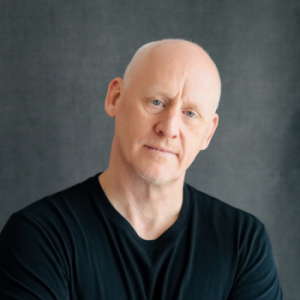
Attila Juhasz
Join host Siebe Van Der Zee on '10 Lessons Learned' as he speaks with Attila Juhasz, an award-winning luxury certified real estate agent based in Scottsdale, Arizona. Attila shares his incredible journey from Hungary to the U.S. and the impactful life lessons he has learned along the way. Hear Attila’s insights on treating people with respect, fighting for your dreams, the importance of staying proactive, never burning bridges, and the value of continuous learning. This episode dives into practical tips for aspiring real estate agents and essential life philosophies that can help anyone achieve personal and professional success. Tune in for a discussion that aims to make the world wiser, lesson by lesson.

Subscribe with your favourite podcast app. 

About Attila Juhasz

Attila was born and raised in communistic Hungary. At the age of 19, in pursuit of a better life, he moved to Phoenix Arizona in 1987. That was 2 years prior to the Eastern Block falling apart. After learning English, he started his education at Arizona State University and completed a Bachelor of Science degree in Marketing in 3 years. Attila continued his education at Thunderbird and received a Master of Business Administration in 12 months. He has worked in several different industries including sport apparel, optical, commercial wash accessories, homeware, consumer goods and medical supplies. He had the opportunity to work on marketing strategies for global brands like Puma® and Dial®. Attila also held both international and national sales positions where he negotiated multimillion dollar supply agreements in the optical, consumer goods, and healthcare industries. He is currently a real estate associate broker position where he guides clients through one of the most important transactions of their lifetime.

Episode Notes

06:17 Lesson 1: Treat the doorman of a company with as much respect as you would give to the president of the company
09:31 Lesson 2. Don’t be afraid to fight for your dreams.
12:22 Lesson 3. Don’t assume things. Be factual and not fictional.
14:06 Lesson 4. In any situation, never ever say you are “confused.” Always ask for “clarification.”
15:57 Lesson 5. Surround yourself with people who inspire you and stay in touch with them over time.
18:56 Affiliate Break
19:25 Lesson 6. Don’t procrastinate and be proactive instead of reactive.
21:43 Lesson 7. Don’t burn any bridges!
23:51 Lesson 8. Keep your emotions in check and only quit a job if you already have another one lined up.
26:05 Lesson 9. Stay active both mentally and physically to help you perform at your optimum.
28:18 Lesson 10. Never stop learning.

Attila Juhasz -Be Factual not Fictional

[00:00:08] Siebe Van Der Zee: Hello and welcome to our program, 10 Lessons Learned, where we talk to interesting people from all over the world about their interesting experiences and the lessons they have learned. My name is Siebe Van Der Zee, and I’m your host. I’m based in Phoenix, Arizona, in the beautiful Grand Canyon State, where I’m also known as the Dutchman in the desert.
[00:00:30] Siebe Van Der Zee: Our guest today is Attila Juhasz. Attila Juhasz is an award-winning multimillion dollar luxury certified real estate agent. He is located in Scottsdale, Arizona in the greater Phoenix metropolitan area, which is one of the fastest growing regions in the United States. The real estate market has been booming here for years now, creating opportunities, but also challenges.
[00:00:55] Siebe Van Der Zee: Attila’s background is quite fascinating. He was born and raised in the former communist country of Hungary in Eastern Europe. At the age of 19, in pursuit of a better life, Attila moved to the United States in 1987. That was two years prior to the Eastern Bloc, former Soviet Union empire, falling, and Hungary turned into a democratic country.
[00:01:18] Siebe Van Der Zee: Attila, in the United States, then got his master’s degree from the Thunderbird School of Global Management at Arizona State University. In his corporate career, Attila has worked in several industries, including in marketing positions for global brands like Puma, sportswear, and Dial Corporation, soap and cleaning products.
[00:01:37] Siebe Van Der Zee: In his current real estate position, Attila’s top priority is to be proactive and guide his clients through one of the most important transactions in their life, buying a house. Hello Attila, thank you for joining us. How are you doing?
[00:01:53] Attila Juhasz: Hello, Siebe, thank you so much for the opportunity to chat.
[00:01:56] Attila Juhasz: And I also want to thank the audience to tuning in and, hopefully it will be nice and interesting, and they will also walk away with some important, life lessons.
[00:02:06] Siebe Van Der Zee: Well, no doubt about it. you were 19 years old when you left your country and you came to the United States, that must’ve been a very rough experience.
[00:02:18] Siebe Van Der Zee: how did that work for you? What was that like?
[00:02:21] Attila Juhasz: Well, first of all, it was kind of tough because, the decision had to be made very quickly I was trying to go to a university in Hungary and, my family was always private entrepreneurs. So that was strike one. Also, we were Catholic, which was strike two.
[00:02:37] Attila Juhasz: when I was, 14 years old I started playing the drums and ended up joining an anti-communistic, alternative rock band. So that was strike three. when I tried to enrol into university two years in a row, the written exams were always good because that was the anonymous part but when it came to the oral exams, I always scored lower just because of my background.
[00:03:03] Attila Juhasz: so, you know, I basically had to look for an alternative. And, by that time I was, pretty well accomplished musician, even though it was kind of in the underground scenes, but the largest concert that I’ve ever played in was like 4, 500, people.
[00:03:18] Attila Juhasz: It was quite significant because there was a movement, and I was very happy to be part of it. But when I looked at the future, I said, okay, I don’t want to be a musician for the rest of my life at the same time, I wanted to continue my studies and that’s how the idea came for me to move to the States, but I had to move very quickly.
[00:03:38] Attila Juhasz: I had two weeks to get ready. I remember my dad told me Hey, you have to make up your decision tonight. So, I tried to go to sleep and, he came into my room in the morning I’m doing it. But it was challenging because I didn’t even speak the language.
[00:03:52] Attila Juhasz: So, growing up in Hungary, we had to learn Russian. in fifth grade, I started learning Russian, which you continue throughout your high school studies, but also being in, Hungary. Learning German was the second-best alternative especially when you are in the western part of the country, you were able to see some Austrian TV stations, so not only that you were, learning the language, but you could actually, look at different TV programs.
[00:04:20] Attila Juhasz: So, basically, when I made up my mind, I had two weeks of, taking some intensive English courses showed up in the U. S. And, two weeks of, English courses are. not very much, but it was good enough to help me go to the grocery store and have a basic conversation.
[00:04:38] Attila Juhasz: but then I took the studies very, seriously. I was taking all kinds of English as a second language classes. And, within four months, I was able to pass the TOEFL test. studies were very intensive, but that was, my goal to learn English very quickly because that was the biggest hurdle for me to get from like, okay, I just arrived here and how can I actually enter into a university.
[00:05:04] Attila Juhasz: you know, even you are coming from the Netherlands, your country is like my country, they emphasize on you need to have, knowledge of different languages because your country is small, my country is small. So basically, the way you can survive in a global marketplace, if you are able to speak multiple languages, because not too many people speak Dutch or Hungarian.
[00:05:29] Siebe Van Der Zee: No, you’re right, but you went through this when you were 19 and earlier in your life. So, it’s great how you process that, but that’s obviously a challenge, especially at a relatively young age of 19.
[00:05:45] Attila Juhasz: Yeah. at the same time, I really didn’t have anything else to focus on, this was my main focus to learn the language.
[00:05:52] Attila Juhasz: And as I was making friends, it was, becoming easier and easier. And, you know, started, slowly reading the newspaper and, and I was notorious about going to all these English as a second language classes, I was able to progress pretty well because, I already came with good, study habits there were programs available.
[00:06:13] Attila Juhasz: All right, Attila, moving on. Your 10 Lessons.

[00:06:17] Lesson 1: Treat the doorman of a company with as much respect as you would give to the president of the company

[00:06:17] Siebe Van Der Zee: Let’s start with lesson number one. Treat the doorman of a company with as much respect as you would give to the president of the company. I’m really curious about your perception of that lesson, because I know there’s a connection to your father.
[00:06:33] Attila Juhasz: it’s a lesson that we have heard from other guests, but I’m really curious about. your specific perception of this lesson that you learned. So, for me, this is a golden rule or, a foundation, how you conduct yourself, sometimes you are meeting with people that are, less fortunate in life, I always try to make sure that you don’t prejudge people and, treat them kindly.
[00:06:59] Attila Juhasz: as I’m in real estate right now, I have a fresh example in my mind because yesterday I had a closing it was a long closing. Close to 60 days, which is not very normal. Usually, we wrap it up in about 30 days. very early on, I realized that there is something funky about this agent because the way he was communicating, the way he was, assuming things and wanted to build in buffer for this and that.
[00:07:25] Attila Juhasz: It just made me feel like he was not very, experience. So, what I have done is I researched his background because I can do research on the MLS and it showed that, you know, he had decent amount of success, but then still I didn’t understand why everything was after hours. And very quickly I found out that he’s moonlighting as a real estate agent.
[00:07:53] Attila Juhasz: he was actually, working for a large corporation during the day and he was helping out some of his family and friends and, colleagues doing these, transactions. it’s very difficult especially after you have a long day and try to relax in the evening and suddenly His text messages and emails were coming in or he’s calling me after 5pm and I’m trying to spend time with the family or do dinner or play tennis or squash or pickleball it was very annoying and then once I realized what he was dealing with, I
[00:08:26] Attila Juhasz: I realized that I have to step back change my strategy be a little bit more patient and do more hand holding to make sure that you complete the deal ultimately once we were under contract, my duty is for my sellers, because I was representing the sellers to make sure that we have a transaction that’s smooth and, everybody ends up with a win win situation.
[00:08:50] Attila Juhasz: so, this is kind of a prime example that, I could have like. You know, being a little bit more arrogant or, hey, you don’t know this, you need to do this. it was tough.
[00:09:02] Attila Juhasz: Yes, you have to push a little harder, but at the same time, I also didn’t want to become disrespectful and, create a situation that could have been jeopardizing the successful outcome of this transaction.
[00:09:16] Siebe Van Der Zee: Yeah, don’t judge until you understand and show respect until you find out the real reason behind that behavior.
[00:09:24] Siebe Van Der Zee: a tough lesson to learn, but, once you’ve gone through it, you can apply it to, future situations as well. I do like that.

[00:09:31] Lesson 2. Don’t be afraid to fight for your dreams.

[00:09:31] Siebe Van Der Zee: All right, moving along to lesson number two. Have fun with what you do, but don’t be afraid to fight for your dreams. What are your thoughts about that?
[00:09:31] Attila Juhasz: So, I’d like to use this to kind of tell you about a few different examples on, on how young people can, be successful in buying real estate. Number one would be mine, where in 1988, I purchased my first home in Scottsdale, Arizona, using part of my tuition money. I also ended up getting some roommates who helped me pay for the rest of the tuition.
[00:10:09] Attila Juhasz: So, in a sense, I was able to buy a beautiful new house, and they substituted My mortgage payments. I had a client a few years ago who had a very limited budget. She came to me, and we were able to have her qualify for an FHA program, which, only needed 3. 5 percent of the purchase value.
[00:10:28] Attila Juhasz: And we were able to find her a home. it was a condo and, we got it at a very good price because we found this for sale by owner. who didn’t really understand the value of the home and also it wasn’t advertised on the multiple listing service. So, there was not much competition going after the property.
[00:10:48] Attila Juhasz: So as soon as we closed on this property, she already had 30, 000 of equity and then over two years she built up another 100, 000. we ended up selling this property and she moved on to buying a single-family home she had more money, more equity, and going from a condo to a house was a huge relief for her.
[00:11:10] Attila Juhasz: And then the third one, where I had a friend, whose daughter was moving to Arizona from Texas, their goal was to stay within a 30-minute driving radius from her husband’s, work. that was a big challenge because, she had limited funds. So that’s when we came up with, the phrase of, drive until you qualify.
[00:11:34] Attila Juhasz: we ended up moving her a little further away about 42 minutes, but she was able to buy a beautiful place, and it was a single-family home that was unattainable within that 30-mile driving radius. So, in a sense, yeah, I have a dream, but sometimes you need to be realistic and make an adjustment.
[00:11:56] Siebe Van Der Zee: Those are great tips, for different scenarios for different people. to build equity over time, you buy one house and maybe that’s not your final house. And most cases it isn’t. You build that, and indeed, drive until you can afford it. sometimes a little bit greater distance, you may find better prices.
[00:12:14] Siebe Van Der Zee: once you are in that equity situation, you can build on it. I think that’s very helpful in many real estate situations.

[00:12:22] Lesson 3. Don’t assume things. Be factual and not fictional.

[00:12:22] Siebe Van Der Zee: So, let’s move along to question number three. Don’t assume things be factual and not fictional. I’m curious about your thoughts.
[00:12:32] Attila Juhasz: Oh, so I think especially in the electronic age, this is very, very important because it is so easy to verify information. Sometimes you get into these philosophical discussions and, I like to just shut it down and say, yeah, but according to Google or according to this, this is information that’s very important. And also, once again, in real estate, it’s because you are basically helping people make one of the most expensive decisions in their life.
[00:13:01] Attila Juhasz: When they come to you with questions, you cannot improvise. And especially, you know, sometimes when you think about like, oh, what are the setbacks over here? Could I build a casita over here? I can never say, oh yeah, that should be no problem. I have seen agents where you basically have to tell them to verify this information because, this could cause some serious, headaches for the sellers and the buyers later on.
[00:13:25] Attila Juhasz: In real estate, especially, but I also work for the Dial Corporation where we were making formulas and over there, you cannot assume that a formula will, stay stable. you basically test it and, make sure that you don’t assume anything. So, you have to be very, very factual, especially in this time and age.
[00:13:43] Attila Juhasz: Now, is that a personal value that you hold dear, or is it something that other realtors apply as well? So, so this is both my personal and professional belief I have seen other agents, other people where they just kind of say things I always try to have them slow down it’s all about the facts, not about fiction.

[00:14:06] Lesson 4. In any situation, never ever say you are “confused.” Always ask for “clarification.”

[00:14:06] Siebe Van Der Zee: Lesson number four. In any situation, never ever say you are confused. Always ask for clarification. That way, you make the opposite party look weak. Not you.
[00:14:22] Attila Juhasz: And my goal is not to make people look weak, but I learned this in a workshop at one of my former employers where, they made this statement and I, adapted it as one of my favorite philosophies, when you say, oh, I’m confused, it just makes you look weak.
[00:14:40] Attila Juhasz: if you say, hey, I need clarification. And once again, it’s not like I’m trying to belittle people, but sometimes when information is presented to you in an unorganized format, you need to push back. we need to be factual because it’s very important. important transactions like in real estate, you are able to make sure that everybody understands what we are talking about, in real estate we also say, if it wasn’t in writing, it didn’t happen,
[00:15:12] Siebe Van Der Zee: It has to stay within the contract, that commitment, but I think it makes sense what you’re saying here.
[00:15:19] Siebe Van Der Zee: being confused means, it’s sort of my problem. When you ask for clarification, that means you need more information, more data to make a decision, or at least to understand exactly what is going on. I think it, makes a lot of sense. I hear what you’re saying.
[00:15:35] Siebe Van Der Zee: It’s not to make the other person look weak. It doesn’t make you, in that sense, look weak. But if you ask for clarification, that I think is, very powerful. I think it’s a good lesson.
[00:15:46] Attila Juhasz: and it basically creates collaboration because then once they start organizing their tasks, they come back to you.
[00:15:54] Attila Juhasz: Then, you can create more of a dialogue.

[00:15:57] Lesson 5. Surround yourself with people who inspire you and stay in touch with them over time.

[00:15:57] Siebe Van Der Zee: Let’s move on. Lesson number five. Surround yourself with people who inspire you and stay in touch with them over time. I’m curious, about your thoughts behind that lesson.
[00:16:07] Attila Juhasz: I was super lucky over my lifetime especially when I was playing music in Hungary, or when I moved to the U. S., I got to meet many amazing international and U. S. students. when I worked in different corporations, it was sometimes such a blast going to work, especially in a cross functional group, I was always in sales and marketing, but it was fantastic to work with, scientists, package engineers, and just kind of sit down and have them bring their knowledge to the table. it was always fascinating how we would attack a problem, and everybody comes, and they say, oh, we should do this. I always loved that creative process, but then also my goal over time was how do I get to create a circle of friends, circle of acquaintances that will remain in my life. I think the easiest way of doing it is in social media. you have a distinction between LinkedIn, and you also have Facebook. So, LinkedIn is more like my professional contacts. In Facebook, you have more of your personal contacts, but over time, it is so easy to stay in touch with people.
[00:17:18] Attila Juhasz: And sometimes when you pick up the phone and say hi, or send a happy birthday note, just sending one little note can reignite a relationship and solidify These relationships that you have, forged over time in this time and age, it’s so easy to do that.
[00:17:35] Attila Juhasz: I love when I get a note from somebody or they respond to my note or get a phone call out of the blue and say, Hey I miss you. What’s going on? phenomenal.
[00:17:45] Siebe Van Der Zee: Do you keep track of people’s birthdays or other events?
[00:17:50] Attila Juhasz: Yes, yes, yes. I’m definitely into, because just think about it. When your birthday comes, it’s a special day you wake up especially because I live in Arizona, but I have friends in Europe. Asia, Australia, already things start coming in the day before my birthday.
[00:18:07] Attila Juhasz: And they still keep coming in, the day after, and it’s just phenomenal. And you are looking at it like, oh my gosh, I have best wishes from four different continents. how cool is that? I know that makes me feel very happy. that’s why I put a big emphasis on reaching out to people.
[00:18:23] Attila Juhasz: And sometimes it’s not even a birthday, but you see a post and say, hey, you are going there. Or sometimes people reach out to me, they’re like, hey, I’m going to Budapest. Could you help me? I actually put together a pretty robust presentation on like, hey, if I was there with you, this is what I would.
[00:18:39] Attila Juhasz: Have you see. So, it’s always fun.
[00:18:43] Siebe Van Der Zee: That’s very kind. We are speaking today with Attila Juhasz, a successful luxury certified real estate agent in Scottsdale, Arizona. Born and raised in Hungary Attila is sharing his list with His 10 Lessons Learned.

[00:18:56] Affiliate Break

[00:18:56] Siebe Van Der Zee: I want to thank our affiliate partner, Audible.
[00:18:59] Siebe Van Der Zee: Audible is an amazing way to experience our program, 10 Lessons Learned, but also books and other podcasts, allowing you to build a library of knowledge all in one place. You can start your free 30-day trial by going to audibletrial.com/10lessonslearned again, that’s audibletrial.com/10lessonslearned. to get your free 30-day subscription.

[00:19:25] Lesson 6. Don’t procrastinate and be proactive instead of reactive.

[00:19:25] Siebe Van Der Zee: Moving on, lesson number six. Don’t procrastinate and be proactive instead of reactive. What are your thoughts?
[00:19:33] Attila Juhasz: I learned this in college, you know, like if you think back and you had the, the term papers or different papers hanging over your head. I remember at the beginning I was dreading like, oh, I need to sit down.
[00:19:47] Attila Juhasz: one of the things that was super motivational, I would go to the library. Because you are sitting in the library, you look around and you’re like, oh, I’m not really keep really studying. So, it was always very motivational. And then you still have to do it, but if you are just procrastinating and dragging it, it’s almost like a pain that’s eating your body away.
[00:20:09] Attila Juhasz: at one point I said, this has to be done. I just need to jump on it. so, I started becoming more proactive Once again, being proactive, even in real estate, it’s like when you are thinking about, what could go wrong? mentally you put up these, scenarios and have solutions like, if, option A is not working out, then we’re going to do B.
[00:20:30] Attila Juhasz: This really helped me become better because it’s not like, oh, suddenly something went wrong. it’s so much harder to put out fires than go to the partners in a transaction and say, I’m kind of worried about this. Can we sit down, put our heads together?
[00:20:46] Attila Juhasz: And how are we going to make sure that we avoid situation A, B, and C, and successfully, close the transaction.
[00:20:54] Siebe Van Der Zee: Is that something that you have learned or is it something that has been part of you your whole life?
[00:20:59] Attila Juhasz: I’m actually not as good as writing notes as I should be. I try to have my calendar super organized, but luckily my brain is still functioning really well. a lot of times I have these mental checklists. I wake up in the morning and it’s like, okay, before my coffee, my. Brain already starts going off like, you have to do this, you have to do this, you have to do this.
[00:21:21] Attila Juhasz: I’m still doing it mentally, but also sometimes creating a checklist they even say that it has a hormonal effect in your mind when you have a checklist and the satisfaction of crossing things off the list is, very satisfying experience.
[00:21:38] Siebe Van Der Zee: Yeah, I mean, we could have a long conversation just about those issues, let’s move on.

[00:21:43] Lesson 7. Don’t burn any bridges!

[00:21:43] Siebe Van Der Zee: Lesson number seven. I’m very curious, based on some of the other things you talked about. Lesson number seven. Don’t burn any bridges. what is the meaning to you for that?
[00:21:54] Attila Juhasz: So, in my corporate life, I had been in many different industries sometimes when you are leaving one industry and you are not returning there were some employees that rubbed you the wrong way, you could have the satisfaction of going up to somebody and telling them off, but why would you do that?
[00:22:12] Attila Juhasz: they probably did things, beyond your comprehension and, doesn’t serve any purpose. sometimes later in life, maybe you realize that, maybe you are the one that was wrong, and they were right. I just don’t believe in burning any bridges. even when you leave a relationship, leave a job, it’s just.
[00:22:32] Attila Juhasz: You know, remain cordial and keep those relationships alive. And if you don’t like the relationship, then you don’t keep it alive. But just don’t, rush into somebody’s office and say, oh, but you did this and this and this, and you hurt my feeling. it’s not going to make you feel better.
[00:22:49] Attila Juhasz: And it’s certainly just better just to basically bury it and just. Let it be.
[00:22:55] Siebe Van Der Zee: How would you respond to a situation where someone, is not satisfied with whatever they think you didn’t do or did do, etc. How do you deal with that?
[00:23:08] Attila Juhasz: Well, if somebody is attacking me, I want to make sure that I dig deep because everybody can make mistakes.
[00:23:14] Attila Juhasz: if I make a mistake, I will be the first to admit it. if I find out that I am able to substantiate what I have done, and I’m a firm believer that I did everything right, then I push back. but in a cordial way once again, it goes back to be factual, if you are able to present those, they still think you have done something wrong, that’s when you put up your hands and it’s like, sorry.
[00:23:42] Attila Juhasz: I’ve done everything I could have. Here are the facts. If you feel a different way, that’s not on me.
[00:23:48] Siebe Van Der Zee: Rise above it. I like it. Makes sense to me.

[00:23:51] Lesson 8. Keep your emotions in check and only quit a job if you already have another one lined up.

[00:23:51] Siebe Van Der Zee: lesson number eight, keep your emotions in check and only quit a job if you have another one lined up.
[00:23:58] Attila Juhasz: So, I learned this from my wife, because I think as I age, I become less and less emotional, early in my career, I was young, a little bit more hot-headed, and sometimes I had situations where I really had to sit down,
[00:24:13] Attila Juhasz: Take a few breaths and just say, this is not worth it. I have adapted this, strategy over time. if I get upset, I just basically Take some time and really calm down emotionally and organize my thoughts because, it can help you on the long run.
[00:24:32] Siebe Van Der Zee: of course, there are situations where your personal financial situation is let’s say if you have, A lot of money in your bank account and you are working in an organization and you’re not really happy there. Why not get up and leave and get out of there? Why would you stay on?
[00:24:52] Siebe Van Der Zee: Or are you saying, well, it depends on the situation.
[00:24:56] Attila Juhasz: Well, once again, money is not everything. So, if you are absolutely miserable and you have a cushion to fall back on, it’s up to the listener to decide that, hey, I want to do this, but I always feel like even if you have the money, and then suddenly you are not doing anything, four or five days is max for me to turn off my mind.
[00:25:19] Attila Juhasz: But if suddenly you are not doing anything, and even though you have the financial means to fall back on, then suddenly your mind can turn against you. And you have this dark mind. or drunk monkey in the back of your head that basically starts eating away at your, self-confidence I think it can be negative just to not do anything.
[00:25:43] Attila Juhasz: maybe it’s me, but I don’t know how to just stay inactive. I’m like a shark. I have to keep moving.
[00:25:49] Siebe Van Der Zee: No, I appreciate it. It’s indeed, your personal strength, but it is a lesson for other people. to learn from and, to keep your emotions in check.
[00:25:59] Siebe Van Der Zee: I think a wise lesson to learn and apply and definitely not always easy, but a good lesson.

[00:26:05] Lesson 9. Stay active both mentally and physically to help you perform at your optimum.

[00:26:05] Siebe Van Der Zee: Lesson number nine, stay active, both mentally and physically to help you perform at your optimum. what do you do to stay fit yourself?
[00:26:17] Attila Juhasz: my metabolism took a sabbatical a few years ago, but I really like racket sports.
[00:26:23] Attila Juhasz: last night I was playing doubles tennis. tonight, I’m playing pickleball. on Saturday I was playing squash because in Arizona it’s getting very toasty. it was nice to go inside an air-conditioned building and play squash. my favorite sports are definitely, racquet sports because, sometimes you only need an additional person to play with.
[00:26:44] Attila Juhasz: Sometimes it’s doubles, but it’s also a great way to meet interesting people and even, in real estate, my tennis and pickleball has led to many transactions because you get to meet people as you become a part of a group, you become the real estate expert and people will come to you and sometimes just getting an update, You know, we have no intentions of selling, but, I always found that especially when doing sports and competitive sports, it really helps you stay on the edge.
[00:27:15] Attila Juhasz: I’m a very competitive person. it’s not like there is any money on the table, but even last night I was running my heart out in temperatures around 105, degrees. So, Yeah, I could be, I could be your swimming pool swimming, but then I’m just Me against the clock, and this way I’m playing against people.
[00:27:33] Attila Juhasz: you have that camaraderie, and it is really fun. when it comes to mental challenges, I, have a fetish for Sudoku,
[00:27:43] Attila Juhasz: I just get a kick out of it. It’s like, you know, it’s an exercise for your brain.
[00:27:49] Siebe Van Der Zee: Yeah, I hear you and, I can see in agreement that staying mentally and physically fit is extremely important at the same time, I think we both understand sometimes people are not in a position to be physically or mentally fit, and it could be related to a number of things.
[00:28:07] Siebe Van Der Zee: they have to struggle through it. the goal is to stay mentally and physically fit, but we have to understand that sometimes people don’t have a choice and, that’s a tough one, let’s move on.

[00:28:18] Lesson 10. Never stop learning.

[00:28:18] Siebe Van Der Zee: Lesson number 10, my friend.
[00:28:21] Siebe Van Der Zee: Never stop learning. Even if you are an expert in your field, look for improvements or check out best practices from other industries that might help you get to the next level.
[00:28:31] Attila Juhasz: So, I always had a thirst for knowledge. I was living in Hungary, I was 16 and I was playing music with other musicians that were 27, 28, and they have already Progressed a lot further in their career, I would go to these practices and people would say, hey, do you want to join our band?
[00:28:51] Attila Juhasz: at one point I was playing in, two different bands and I could have decided to be a rock star for the rest of my life. that was, fun for that moment. but I always thought I wanted to learn more That’s why when I did my undergrad in, in, in marketing with an international focus, that was great.
[00:29:09] Attila Juhasz: But then I also met some people who did the ASU Thunderbird dual program back in the 90s and I got to visit the Thunderbird campus, and I realized how I always had that international calling. in undergrad, I came from Europe, was living in the States. so, my studies were focusing on Asia.
[00:29:30] Attila Juhasz: when I went to Thunderbird, it was great to be surrounded by so many students from different cultures. I love the whole cross-cultural communication and hanging out with people with different backgrounds. I always knew that was something that made me very happy. I did undergrad, then my master’s, and even when I moved from industry to industry, at one point you kind of get to the point where maybe you are one of the smartest people in the room, and I ended up changing industries because I always wanted to experience more
[00:30:05] Attila Juhasz: And then when I got into real estate, initially, I started out as just a real estate agent. And then once you put in three years, you are able to go and get your broker’s license. most people do it just because, they want to open their own brokerage. But that was not my goal because then you have to deal with other paperwork and different clerical things that are not really my forte, but I decided to do my broker’s license. And it was great, because it gave me a deeper understanding of the real estate business. And that will also help me serve my clients because the more you know, the better you can help people, but I actually, I always like to say, the more you know, the more you realize how little you know, imagine it’s like a circle, the more you know, the more you realize the information you know, when the circle is expanding, the parameter of the circle is getting larger and larger, and you’re like, oh, wow.
[00:31:10] Attila Juhasz: I think, you shared that wisdom with Socrates, the Greek philosopher, absolutely, it’s full of wisdom, very interesting. I am curious, we’ve listened to the 10 lessons that you have learned, curious, Attila, is there a lesson, in life that you have Unlearned, where you decided, I got to change, I got to do things differently, anything that comes to mind?
[00:31:35] Attila Juhasz: if somebody looks at my LinkedIn profile, they will see that I have been in many different industries. I had the tendency to jump around because I need to be stimulated to.
[00:31:48] Attila Juhasz: remain interested I feel like if I could have, gone back as myself now and talked to the younger Attila and say, you know what, sometimes you need to just slow things down, give it a little more time. And if you really want to make a change, make a change.
[00:32:06] Attila Juhasz: So, I think maybe in the past I was a little jumpy, but you know, I was young, full of energy. The world was out there. There was so much to see. It’s almost like a little kid goes into a toy store and it’s like, shiny toy. Oh, I’m going after
[00:32:23] Siebe Van Der Zee: Well, listen, Attila, I want to thank you for joining us today and for sharing your lessons and your wisdoms with our global audience.
[00:32:31] Siebe Van Der Zee: It’s much appreciated. You have been listening to our international program, 10 Lessons Learned. This episode is produced by Robert Hossary, and we are supported by the Professional Development Forum. Our guest today is Attila Juhasz, sharing his 10 lessons learned.
[00:32:48] Siebe Van Der Zee: And to our audience, don’t forget to leave us a review or a comment. You can also email us at podcast at 10lessonslearned. com.
[00:32:56] Siebe Van Der Zee: I hope you will subscribe so you don’t miss any future episodes. And remember, this is a podcast that makes the world wiser and wiser lesson by lesson. Thank you and stay safe.

Thanks to our 10 Lessons team that make our show possible: Our Episode Editor Codie Comeau, Marketing and social media managed by Yi Wang, and our Producer Robert Hossary. Sponsored as always by Professional Development Forum. You can find the www.professionaldevelopmentforum.org.

You’ve heard from us we’d like to hear from you. Email us it’s podcast@10lessonslearned.com.

Remember, this is the podcast the only podcast. That’s makes the world wiser lesson by lesson.
Attila Juhasz

Attila Juhasz -Be Factual not Fictional

Join host Siebe Van Der Zee on '10 Lessons Learned' as he speaks with Attila Juhasz, an award-winning luxury certified real estate agent based in Scottsdale, Arizona. Attila shares his incredible journey from Hungary to the U.S. and the impactful life lessons he has learned along the way. Hear Attila’s insights on treating people with respect, fighting for your dreams, the importance of staying proactive, never burning bridges, and the value of continuous learning. This episode dives into practical tips for aspiring real estate agents and essential life philosophies that can help anyone achieve personal and professional success. Tune in for a discussion that aims to make the world wiser, lesson by lesson.

About Attila Juhasz

Attila was born and raised in communistic Hungary. At the age of 19, in pursuit of a better life, he moved to Phoenix Arizona in 1987. That was 2 years prior to the Eastern Block falling apart. After learning English, he started his education at Arizona State University and completed a Bachelor of Science degree in Marketing in 3 years. Attila continued his education at Thunderbird and received a Master of Business Administration in 12 months. He has worked in several different industries including sport apparel, optical, commercial wash accessories, homeware, consumer goods and medical supplies. He had the opportunity to work on marketing strategies for global brands like Puma® and Dial®. Attila also held both international and national sales positions where he negotiated multimillion dollar supply agreements in the optical, consumer goods, and healthcare industries. He is currently a real estate associate broker position where he guides clients through one of the most important transactions of their lifetime.

Episode Notes

06:17 Lesson 1: Treat the doorman of a company with as much respect as you would give to the president of the company
09:31 Lesson 2. Don’t be afraid to fight for your dreams.
12:22 Lesson 3. Don’t assume things. Be factual and not fictional.
14:06 Lesson 4. In any situation, never ever say you are “confused.” Always ask for “clarification.”
15:57 Lesson 5. Surround yourself with people who inspire you and stay in touch with them over time.
18:56 Affiliate Break
19:25 Lesson 6. Don’t procrastinate and be proactive instead of reactive.
21:43 Lesson 7. Don’t burn any bridges!
23:51 Lesson 8. Keep your emotions in check and only quit a job if you already have another one lined up.
26:05 Lesson 9. Stay active both mentally and physically to help you perform at your optimum.
28:18 Lesson 10. Never stop learning.

Attila Juhasz -Be Factual not Fictional

[00:00:08] Siebe Van Der Zee: Hello and welcome to our program, 10 Lessons Learned, where we talk to interesting people from all over the world about their interesting experiences and the lessons they have learned. My name is Siebe Van Der Zee, and I’m your host. I’m based in Phoenix, Arizona, in the beautiful Grand Canyon State, where I’m also known as the Dutchman in the desert.
[00:00:30] Siebe Van Der Zee: Our guest today is Attila Juhasz. Attila Juhasz is an award-winning multimillion dollar luxury certified real estate agent. He is located in Scottsdale, Arizona in the greater Phoenix metropolitan area, which is one of the fastest growing regions in the United States. The real estate market has been booming here for years now, creating opportunities, but also challenges.
[00:00:55] Siebe Van Der Zee: Attila’s background is quite fascinating. He was born and raised in the former communist country of Hungary in Eastern Europe. At the age of 19, in pursuit of a better life, Attila moved to the United States in 1987. That was two years prior to the Eastern Bloc, former Soviet Union empire, falling, and Hungary turned into a democratic country.
[00:01:18] Siebe Van Der Zee: Attila, in the United States, then got his master’s degree from the Thunderbird School of Global Management at Arizona State University. In his corporate career, Attila has worked in several industries, including in marketing positions for global brands like Puma, sportswear, and Dial Corporation, soap and cleaning products.
[00:01:37] Siebe Van Der Zee: In his current real estate position, Attila’s top priority is to be proactive and guide his clients through one of the most important transactions in their life, buying a house. Hello Attila, thank you for joining us. How are you doing?
[00:01:53] Attila Juhasz: Hello, Siebe, thank you so much for the opportunity to chat.
[00:01:56] Attila Juhasz: And I also want to thank the audience to tuning in and, hopefully it will be nice and interesting, and they will also walk away with some important, life lessons.
[00:02:06] Siebe Van Der Zee: Well, no doubt about it. you were 19 years old when you left your country and you came to the United States, that must’ve been a very rough experience.
[00:02:18] Siebe Van Der Zee: how did that work for you? What was that like?
[00:02:21] Attila Juhasz: Well, first of all, it was kind of tough because, the decision had to be made very quickly I was trying to go to a university in Hungary and, my family was always private entrepreneurs. So that was strike one. Also, we were Catholic, which was strike two.
[00:02:37] Attila Juhasz: when I was, 14 years old I started playing the drums and ended up joining an anti-communistic, alternative rock band. So that was strike three. when I tried to enrol into university two years in a row, the written exams were always good because that was the anonymous part but when it came to the oral exams, I always scored lower just because of my background.
[00:03:03] Attila Juhasz: so, you know, I basically had to look for an alternative. And, by that time I was, pretty well accomplished musician, even though it was kind of in the underground scenes, but the largest concert that I’ve ever played in was like 4, 500, people.
[00:03:18] Attila Juhasz: It was quite significant because there was a movement, and I was very happy to be part of it. But when I looked at the future, I said, okay, I don’t want to be a musician for the rest of my life at the same time, I wanted to continue my studies and that’s how the idea came for me to move to the States, but I had to move very quickly.
[00:03:38] Attila Juhasz: I had two weeks to get ready. I remember my dad told me Hey, you have to make up your decision tonight. So, I tried to go to sleep and, he came into my room in the morning I’m doing it. But it was challenging because I didn’t even speak the language.
[00:03:52] Attila Juhasz: So, growing up in Hungary, we had to learn Russian. in fifth grade, I started learning Russian, which you continue throughout your high school studies, but also being in, Hungary. Learning German was the second-best alternative especially when you are in the western part of the country, you were able to see some Austrian TV stations, so not only that you were, learning the language, but you could actually, look at different TV programs.
[00:04:20] Attila Juhasz: So, basically, when I made up my mind, I had two weeks of, taking some intensive English courses showed up in the U. S. And, two weeks of, English courses are. not very much, but it was good enough to help me go to the grocery store and have a basic conversation.
[00:04:38] Attila Juhasz: but then I took the studies very, seriously. I was taking all kinds of English as a second language classes. And, within four months, I was able to pass the TOEFL test. studies were very intensive, but that was, my goal to learn English very quickly because that was the biggest hurdle for me to get from like, okay, I just arrived here and how can I actually enter into a university.
[00:05:04] Attila Juhasz: you know, even you are coming from the Netherlands, your country is like my country, they emphasize on you need to have, knowledge of different languages because your country is small, my country is small. So basically, the way you can survive in a global marketplace, if you are able to speak multiple languages, because not too many people speak Dutch or Hungarian.
[00:05:29] Siebe Van Der Zee: No, you’re right, but you went through this when you were 19 and earlier in your life. So, it’s great how you process that, but that’s obviously a challenge, especially at a relatively young age of 19.
[00:05:45] Attila Juhasz: Yeah. at the same time, I really didn’t have anything else to focus on, this was my main focus to learn the language.
[00:05:52] Attila Juhasz: And as I was making friends, it was, becoming easier and easier. And, you know, started, slowly reading the newspaper and, and I was notorious about going to all these English as a second language classes, I was able to progress pretty well because, I already came with good, study habits there were programs available.
[00:06:13] Attila Juhasz: All right, Attila, moving on. Your 10 Lessons.

[00:06:17] Lesson 1: Treat the doorman of a company with as much respect as you would give to the president of the company

[00:06:17] Siebe Van Der Zee: Let’s start with lesson number one. Treat the doorman of a company with as much respect as you would give to the president of the company. I’m really curious about your perception of that lesson, because I know there’s a connection to your father.
[00:06:33] Attila Juhasz: it’s a lesson that we have heard from other guests, but I’m really curious about. your specific perception of this lesson that you learned. So, for me, this is a golden rule or, a foundation, how you conduct yourself, sometimes you are meeting with people that are, less fortunate in life, I always try to make sure that you don’t prejudge people and, treat them kindly.
[00:06:59] Attila Juhasz: as I’m in real estate right now, I have a fresh example in my mind because yesterday I had a closing it was a long closing. Close to 60 days, which is not very normal. Usually, we wrap it up in about 30 days. very early on, I realized that there is something funky about this agent because the way he was communicating, the way he was, assuming things and wanted to build in buffer for this and that.
[00:07:25] Attila Juhasz: It just made me feel like he was not very, experience. So, what I have done is I researched his background because I can do research on the MLS and it showed that, you know, he had decent amount of success, but then still I didn’t understand why everything was after hours. And very quickly I found out that he’s moonlighting as a real estate agent.
[00:07:53] Attila Juhasz: he was actually, working for a large corporation during the day and he was helping out some of his family and friends and, colleagues doing these, transactions. it’s very difficult especially after you have a long day and try to relax in the evening and suddenly His text messages and emails were coming in or he’s calling me after 5pm and I’m trying to spend time with the family or do dinner or play tennis or squash or pickleball it was very annoying and then once I realized what he was dealing with, I
[00:08:26] Attila Juhasz: I realized that I have to step back change my strategy be a little bit more patient and do more hand holding to make sure that you complete the deal ultimately once we were under contract, my duty is for my sellers, because I was representing the sellers to make sure that we have a transaction that’s smooth and, everybody ends up with a win win situation.
[00:08:50] Attila Juhasz: so, this is kind of a prime example that, I could have like. You know, being a little bit more arrogant or, hey, you don’t know this, you need to do this. it was tough.
[00:09:02] Attila Juhasz: Yes, you have to push a little harder, but at the same time, I also didn’t want to become disrespectful and, create a situation that could have been jeopardizing the successful outcome of this transaction.
[00:09:16] Siebe Van Der Zee: Yeah, don’t judge until you understand and show respect until you find out the real reason behind that behavior.
[00:09:24] Siebe Van Der Zee: a tough lesson to learn, but, once you’ve gone through it, you can apply it to, future situations as well. I do like that.

[00:09:31] Lesson 2. Don’t be afraid to fight for your dreams.

[00:09:31] Siebe Van Der Zee: All right, moving along to lesson number two. Have fun with what you do, but don’t be afraid to fight for your dreams. What are your thoughts about that?
[00:09:31] Attila Juhasz: So, I’d like to use this to kind of tell you about a few different examples on, on how young people can, be successful in buying real estate. Number one would be mine, where in 1988, I purchased my first home in Scottsdale, Arizona, using part of my tuition money. I also ended up getting some roommates who helped me pay for the rest of the tuition.
[00:10:09] Attila Juhasz: So, in a sense, I was able to buy a beautiful new house, and they substituted My mortgage payments. I had a client a few years ago who had a very limited budget. She came to me, and we were able to have her qualify for an FHA program, which, only needed 3. 5 percent of the purchase value.
[00:10:28] Attila Juhasz: And we were able to find her a home. it was a condo and, we got it at a very good price because we found this for sale by owner. who didn’t really understand the value of the home and also it wasn’t advertised on the multiple listing service. So, there was not much competition going after the property.
[00:10:48] Attila Juhasz: So as soon as we closed on this property, she already had 30, 000 of equity and then over two years she built up another 100, 000. we ended up selling this property and she moved on to buying a single-family home she had more money, more equity, and going from a condo to a house was a huge relief for her.
[00:11:10] Attila Juhasz: And then the third one, where I had a friend, whose daughter was moving to Arizona from Texas, their goal was to stay within a 30-minute driving radius from her husband’s, work. that was a big challenge because, she had limited funds. So that’s when we came up with, the phrase of, drive until you qualify.
[00:11:34] Attila Juhasz: we ended up moving her a little further away about 42 minutes, but she was able to buy a beautiful place, and it was a single-family home that was unattainable within that 30-mile driving radius. So, in a sense, yeah, I have a dream, but sometimes you need to be realistic and make an adjustment.
[00:11:56] Siebe Van Der Zee: Those are great tips, for different scenarios for different people. to build equity over time, you buy one house and maybe that’s not your final house. And most cases it isn’t. You build that, and indeed, drive until you can afford it. sometimes a little bit greater distance, you may find better prices.
[00:12:14] Siebe Van Der Zee: once you are in that equity situation, you can build on it. I think that’s very helpful in many real estate situations.

[00:12:22] Lesson 3. Don’t assume things. Be factual and not fictional.

[00:12:22] Siebe Van Der Zee: So, let’s move along to question number three. Don’t assume things be factual and not fictional. I’m curious about your thoughts.
[00:12:32] Attila Juhasz: Oh, so I think especially in the electronic age, this is very, very important because it is so easy to verify information. Sometimes you get into these philosophical discussions and, I like to just shut it down and say, yeah, but according to Google or according to this, this is information that’s very important. And also, once again, in real estate, it’s because you are basically helping people make one of the most expensive decisions in their life.
[00:13:01] Attila Juhasz: When they come to you with questions, you cannot improvise. And especially, you know, sometimes when you think about like, oh, what are the setbacks over here? Could I build a casita over here? I can never say, oh yeah, that should be no problem. I have seen agents where you basically have to tell them to verify this information because, this could cause some serious, headaches for the sellers and the buyers later on.
[00:13:25] Attila Juhasz: In real estate, especially, but I also work for the Dial Corporation where we were making formulas and over there, you cannot assume that a formula will, stay stable. you basically test it and, make sure that you don’t assume anything. So, you have to be very, very factual, especially in this time and age.
[00:13:43] Attila Juhasz: Now, is that a personal value that you hold dear, or is it something that other realtors apply as well? So, so this is both my personal and professional belief I have seen other agents, other people where they just kind of say things I always try to have them slow down it’s all about the facts, not about fiction.

[00:14:06] Lesson 4. In any situation, never ever say you are “confused.” Always ask for “clarification.”

[00:14:06] Siebe Van Der Zee: Lesson number four. In any situation, never ever say you are confused. Always ask for clarification. That way, you make the opposite party look weak. Not you.
[00:14:22] Attila Juhasz: And my goal is not to make people look weak, but I learned this in a workshop at one of my former employers where, they made this statement and I, adapted it as one of my favorite philosophies, when you say, oh, I’m confused, it just makes you look weak.
[00:14:40] Attila Juhasz: if you say, hey, I need clarification. And once again, it’s not like I’m trying to belittle people, but sometimes when information is presented to you in an unorganized format, you need to push back. we need to be factual because it’s very important. important transactions like in real estate, you are able to make sure that everybody understands what we are talking about, in real estate we also say, if it wasn’t in writing, it didn’t happen,
[00:15:12] Siebe Van Der Zee: It has to stay within the contract, that commitment, but I think it makes sense what you’re saying here.
[00:15:19] Siebe Van Der Zee: being confused means, it’s sort of my problem. When you ask for clarification, that means you need more information, more data to make a decision, or at least to understand exactly what is going on. I think it, makes a lot of sense. I hear what you’re saying.
[00:15:35] Siebe Van Der Zee: It’s not to make the other person look weak. It doesn’t make you, in that sense, look weak. But if you ask for clarification, that I think is, very powerful. I think it’s a good lesson.
[00:15:46] Attila Juhasz: and it basically creates collaboration because then once they start organizing their tasks, they come back to you.
[00:15:54] Attila Juhasz: Then, you can create more of a dialogue.

[00:15:57] Lesson 5. Surround yourself with people who inspire you and stay in touch with them over time.

[00:15:57] Siebe Van Der Zee: Let’s move on. Lesson number five. Surround yourself with people who inspire you and stay in touch with them over time. I’m curious, about your thoughts behind that lesson.
[00:16:07] Attila Juhasz: I was super lucky over my lifetime especially when I was playing music in Hungary, or when I moved to the U. S., I got to meet many amazing international and U. S. students. when I worked in different corporations, it was sometimes such a blast going to work, especially in a cross functional group, I was always in sales and marketing, but it was fantastic to work with, scientists, package engineers, and just kind of sit down and have them bring their knowledge to the table. it was always fascinating how we would attack a problem, and everybody comes, and they say, oh, we should do this. I always loved that creative process, but then also my goal over time was how do I get to create a circle of friends, circle of acquaintances that will remain in my life. I think the easiest way of doing it is in social media. you have a distinction between LinkedIn, and you also have Facebook. So, LinkedIn is more like my professional contacts. In Facebook, you have more of your personal contacts, but over time, it is so easy to stay in touch with people.
[00:17:18] Attila Juhasz: And sometimes when you pick up the phone and say hi, or send a happy birthday note, just sending one little note can reignite a relationship and solidify These relationships that you have, forged over time in this time and age, it’s so easy to do that.
[00:17:35] Attila Juhasz: I love when I get a note from somebody or they respond to my note or get a phone call out of the blue and say, Hey I miss you. What’s going on? phenomenal.
[00:17:45] Siebe Van Der Zee: Do you keep track of people’s birthdays or other events?
[00:17:50] Attila Juhasz: Yes, yes, yes. I’m definitely into, because just think about it. When your birthday comes, it’s a special day you wake up especially because I live in Arizona, but I have friends in Europe. Asia, Australia, already things start coming in the day before my birthday.
[00:18:07] Attila Juhasz: And they still keep coming in, the day after, and it’s just phenomenal. And you are looking at it like, oh my gosh, I have best wishes from four different continents. how cool is that? I know that makes me feel very happy. that’s why I put a big emphasis on reaching out to people.
[00:18:23] Attila Juhasz: And sometimes it’s not even a birthday, but you see a post and say, hey, you are going there. Or sometimes people reach out to me, they’re like, hey, I’m going to Budapest. Could you help me? I actually put together a pretty robust presentation on like, hey, if I was there with you, this is what I would.
[00:18:39] Attila Juhasz: Have you see. So, it’s always fun.
[00:18:43] Siebe Van Der Zee: That’s very kind. We are speaking today with Attila Juhasz, a successful luxury certified real estate agent in Scottsdale, Arizona. Born and raised in Hungary Attila is sharing his list with His 10 Lessons Learned.

[00:18:56] Affiliate Break

[00:18:56] Siebe Van Der Zee: I want to thank our affiliate partner, Audible.
[00:18:59] Siebe Van Der Zee: Audible is an amazing way to experience our program, 10 Lessons Learned, but also books and other podcasts, allowing you to build a library of knowledge all in one place. You can start your free 30-day trial by going to audibletrial.com/10lessonslearned again, that’s audibletrial.com/10lessonslearned. to get your free 30-day subscription.

[00:19:25] Lesson 6. Don’t procrastinate and be proactive instead of reactive.

[00:19:25] Siebe Van Der Zee: Moving on, lesson number six. Don’t procrastinate and be proactive instead of reactive. What are your thoughts?
[00:19:33] Attila Juhasz: I learned this in college, you know, like if you think back and you had the, the term papers or different papers hanging over your head. I remember at the beginning I was dreading like, oh, I need to sit down.
[00:19:47] Attila Juhasz: one of the things that was super motivational, I would go to the library. Because you are sitting in the library, you look around and you’re like, oh, I’m not really keep really studying. So, it was always very motivational. And then you still have to do it, but if you are just procrastinating and dragging it, it’s almost like a pain that’s eating your body away.
[00:20:09] Attila Juhasz: at one point I said, this has to be done. I just need to jump on it. so, I started becoming more proactive Once again, being proactive, even in real estate, it’s like when you are thinking about, what could go wrong? mentally you put up these, scenarios and have solutions like, if, option A is not working out, then we’re going to do B.
[00:20:30] Attila Juhasz: This really helped me become better because it’s not like, oh, suddenly something went wrong. it’s so much harder to put out fires than go to the partners in a transaction and say, I’m kind of worried about this. Can we sit down, put our heads together?
[00:20:46] Attila Juhasz: And how are we going to make sure that we avoid situation A, B, and C, and successfully, close the transaction.
[00:20:54] Siebe Van Der Zee: Is that something that you have learned or is it something that has been part of you your whole life?
[00:20:59] Attila Juhasz: I’m actually not as good as writing notes as I should be. I try to have my calendar super organized, but luckily my brain is still functioning really well. a lot of times I have these mental checklists. I wake up in the morning and it’s like, okay, before my coffee, my. Brain already starts going off like, you have to do this, you have to do this, you have to do this.
[00:21:21] Attila Juhasz: I’m still doing it mentally, but also sometimes creating a checklist they even say that it has a hormonal effect in your mind when you have a checklist and the satisfaction of crossing things off the list is, very satisfying experience.
[00:21:38] Siebe Van Der Zee: Yeah, I mean, we could have a long conversation just about those issues, let’s move on.

[00:21:43] Lesson 7. Don’t burn any bridges!

[00:21:43] Siebe Van Der Zee: Lesson number seven. I’m very curious, based on some of the other things you talked about. Lesson number seven. Don’t burn any bridges. what is the meaning to you for that?
[00:21:54] Attila Juhasz: So, in my corporate life, I had been in many different industries sometimes when you are leaving one industry and you are not returning there were some employees that rubbed you the wrong way, you could have the satisfaction of going up to somebody and telling them off, but why would you do that?
[00:22:12] Attila Juhasz: they probably did things, beyond your comprehension and, doesn’t serve any purpose. sometimes later in life, maybe you realize that, maybe you are the one that was wrong, and they were right. I just don’t believe in burning any bridges. even when you leave a relationship, leave a job, it’s just.
[00:22:32] Attila Juhasz: You know, remain cordial and keep those relationships alive. And if you don’t like the relationship, then you don’t keep it alive. But just don’t, rush into somebody’s office and say, oh, but you did this and this and this, and you hurt my feeling. it’s not going to make you feel better.
[00:22:49] Attila Juhasz: And it’s certainly just better just to basically bury it and just. Let it be.
[00:22:55] Siebe Van Der Zee: How would you respond to a situation where someone, is not satisfied with whatever they think you didn’t do or did do, etc. How do you deal with that?
[00:23:08] Attila Juhasz: Well, if somebody is attacking me, I want to make sure that I dig deep because everybody can make mistakes.
[00:23:14] Attila Juhasz: if I make a mistake, I will be the first to admit it. if I find out that I am able to substantiate what I have done, and I’m a firm believer that I did everything right, then I push back. but in a cordial way once again, it goes back to be factual, if you are able to present those, they still think you have done something wrong, that’s when you put up your hands and it’s like, sorry.
[00:23:42] Attila Juhasz: I’ve done everything I could have. Here are the facts. If you feel a different way, that’s not on me.
[00:23:48] Siebe Van Der Zee: Rise above it. I like it. Makes sense to me.

[00:23:51] Lesson 8. Keep your emotions in check and only quit a job if you already have another one lined up.

[00:23:51] Siebe Van Der Zee: lesson number eight, keep your emotions in check and only quit a job if you have another one lined up.
[00:23:58] Attila Juhasz: So, I learned this from my wife, because I think as I age, I become less and less emotional, early in my career, I was young, a little bit more hot-headed, and sometimes I had situations where I really had to sit down,
[00:24:13] Attila Juhasz: Take a few breaths and just say, this is not worth it. I have adapted this, strategy over time. if I get upset, I just basically Take some time and really calm down emotionally and organize my thoughts because, it can help you on the long run.
[00:24:32] Siebe Van Der Zee: of course, there are situations where your personal financial situation is let’s say if you have, A lot of money in your bank account and you are working in an organization and you’re not really happy there. Why not get up and leave and get out of there? Why would you stay on?
[00:24:52] Siebe Van Der Zee: Or are you saying, well, it depends on the situation.
[00:24:56] Attila Juhasz: Well, once again, money is not everything. So, if you are absolutely miserable and you have a cushion to fall back on, it’s up to the listener to decide that, hey, I want to do this, but I always feel like even if you have the money, and then suddenly you are not doing anything, four or five days is max for me to turn off my mind.
[00:25:19] Attila Juhasz: But if suddenly you are not doing anything, and even though you have the financial means to fall back on, then suddenly your mind can turn against you. And you have this dark mind. or drunk monkey in the back of your head that basically starts eating away at your, self-confidence I think it can be negative just to not do anything.
[00:25:43] Attila Juhasz: maybe it’s me, but I don’t know how to just stay inactive. I’m like a shark. I have to keep moving.
[00:25:49] Siebe Van Der Zee: No, I appreciate it. It’s indeed, your personal strength, but it is a lesson for other people. to learn from and, to keep your emotions in check.
[00:25:59] Siebe Van Der Zee: I think a wise lesson to learn and apply and definitely not always easy, but a good lesson.

[00:26:05] Lesson 9. Stay active both mentally and physically to help you perform at your optimum.

[00:26:05] Siebe Van Der Zee: Lesson number nine, stay active, both mentally and physically to help you perform at your optimum. what do you do to stay fit yourself?
[00:26:17] Attila Juhasz: my metabolism took a sabbatical a few years ago, but I really like racket sports.
[00:26:23] Attila Juhasz: last night I was playing doubles tennis. tonight, I’m playing pickleball. on Saturday I was playing squash because in Arizona it’s getting very toasty. it was nice to go inside an air-conditioned building and play squash. my favorite sports are definitely, racquet sports because, sometimes you only need an additional person to play with.
[00:26:44] Attila Juhasz: Sometimes it’s doubles, but it’s also a great way to meet interesting people and even, in real estate, my tennis and pickleball has led to many transactions because you get to meet people as you become a part of a group, you become the real estate expert and people will come to you and sometimes just getting an update, You know, we have no intentions of selling, but, I always found that especially when doing sports and competitive sports, it really helps you stay on the edge.
[00:27:15] Attila Juhasz: I’m a very competitive person. it’s not like there is any money on the table, but even last night I was running my heart out in temperatures around 105, degrees. So, Yeah, I could be, I could be your swimming pool swimming, but then I’m just Me against the clock, and this way I’m playing against people.
[00:27:33] Attila Juhasz: you have that camaraderie, and it is really fun. when it comes to mental challenges, I, have a fetish for Sudoku,
[00:27:43] Attila Juhasz: I just get a kick out of it. It’s like, you know, it’s an exercise for your brain.
[00:27:49] Siebe Van Der Zee: Yeah, I hear you and, I can see in agreement that staying mentally and physically fit is extremely important at the same time, I think we both understand sometimes people are not in a position to be physically or mentally fit, and it could be related to a number of things.
[00:28:07] Siebe Van Der Zee: they have to struggle through it. the goal is to stay mentally and physically fit, but we have to understand that sometimes people don’t have a choice and, that’s a tough one, let’s move on.

[00:28:18] Lesson 10. Never stop learning.

[00:28:18] Siebe Van Der Zee: Lesson number 10, my friend.
[00:28:21] Siebe Van Der Zee: Never stop learning. Even if you are an expert in your field, look for improvements or check out best practices from other industries that might help you get to the next level.
[00:28:31] Attila Juhasz: So, I always had a thirst for knowledge. I was living in Hungary, I was 16 and I was playing music with other musicians that were 27, 28, and they have already Progressed a lot further in their career, I would go to these practices and people would say, hey, do you want to join our band?
[00:28:51] Attila Juhasz: at one point I was playing in, two different bands and I could have decided to be a rock star for the rest of my life. that was, fun for that moment. but I always thought I wanted to learn more That’s why when I did my undergrad in, in, in marketing with an international focus, that was great.
[00:29:09] Attila Juhasz: But then I also met some people who did the ASU Thunderbird dual program back in the 90s and I got to visit the Thunderbird campus, and I realized how I always had that international calling. in undergrad, I came from Europe, was living in the States. so, my studies were focusing on Asia.
[00:29:30] Attila Juhasz: when I went to Thunderbird, it was great to be surrounded by so many students from different cultures. I love the whole cross-cultural communication and hanging out with people with different backgrounds. I always knew that was something that made me very happy. I did undergrad, then my master’s, and even when I moved from industry to industry, at one point you kind of get to the point where maybe you are one of the smartest people in the room, and I ended up changing industries because I always wanted to experience more
[00:30:05] Attila Juhasz: And then when I got into real estate, initially, I started out as just a real estate agent. And then once you put in three years, you are able to go and get your broker’s license. most people do it just because, they want to open their own brokerage. But that was not my goal because then you have to deal with other paperwork and different clerical things that are not really my forte, but I decided to do my broker’s license. And it was great, because it gave me a deeper understanding of the real estate business. And that will also help me serve my clients because the more you know, the better you can help people, but I actually, I always like to say, the more you know, the more you realize how little you know, imagine it’s like a circle, the more you know, the more you realize the information you know, when the circle is expanding, the parameter of the circle is getting larger and larger, and you’re like, oh, wow.
[00:31:10] Attila Juhasz: I think, you shared that wisdom with Socrates, the Greek philosopher, absolutely, it’s full of wisdom, very interesting. I am curious, we’ve listened to the 10 lessons that you have learned, curious, Attila, is there a lesson, in life that you have Unlearned, where you decided, I got to change, I got to do things differently, anything that comes to mind?
[00:31:35] Attila Juhasz: if somebody looks at my LinkedIn profile, they will see that I have been in many different industries. I had the tendency to jump around because I need to be stimulated to.
[00:31:48] Attila Juhasz: remain interested I feel like if I could have, gone back as myself now and talked to the younger Attila and say, you know what, sometimes you need to just slow things down, give it a little more time. And if you really want to make a change, make a change.
[00:32:06] Attila Juhasz: So, I think maybe in the past I was a little jumpy, but you know, I was young, full of energy. The world was out there. There was so much to see. It’s almost like a little kid goes into a toy store and it’s like, shiny toy. Oh, I’m going after
[00:32:23] Siebe Van Der Zee: Well, listen, Attila, I want to thank you for joining us today and for sharing your lessons and your wisdoms with our global audience.
[00:32:31] Siebe Van Der Zee: It’s much appreciated. You have been listening to our international program, 10 Lessons Learned. This episode is produced by Robert Hossary, and we are supported by the Professional Development Forum. Our guest today is Attila Juhasz, sharing his 10 lessons learned.
[00:32:48] Siebe Van Der Zee: And to our audience, don’t forget to leave us a review or a comment. You can also email us at podcast at 10lessonslearned. com.
[00:32:56] Siebe Van Der Zee: I hope you will subscribe so you don’t miss any future episodes. And remember, this is a podcast that makes the world wiser and wiser lesson by lesson. Thank you and stay safe.

Thanks to our 10 Lessons team that make our show possible: Our Episode Editor Codie Comeau, Marketing and social media managed by Yi Wang, and our Producer Robert Hossary. Sponsored as always by Professional Development Forum. You can find the www.professionaldevelopmentforum.org.

You’ve heard from us we’d like to hear from you. Email us it’s podcast@10lessonslearned.com.

Remember, this is the podcast the only podcast. That’s makes the world wiser lesson by lesson.

Share:

Facebook
Twitter
LinkedIn

Related Posts

Curt Sassak

Curt Sassak – Unlocking Career Success

Curt Sassak is a career strategist who helps experienced leaders make smarter career decisions, communicate their value more effectively, and create momentum during periods of transition.
A former award-winning chef who lived and worked in seven countries, Curt brings an unconventional perspective to career growth. His philosophy is simple:
Most people treat their career like a series of transactions.
The most successful professionals treat it like an investment portfolio.
After 25 years as a chef he lost the passion for what he did. This was a curve ball, like, through him that he wasn’t expecting. Being the innovative thinker that he is, he tried a number of approaches to figure out what was next, such as excessive alcohol intake. (That didn’t work, BTW)
This led to a complete reinvention at 40. From that, Curt developed a practical framework for helping professionals identify career bottlenecks, avoid costly mistakes, and make decisions that create greater opportunities over time.
Drawing on his culinary background, Curt teaches that career success is much like a recipe. Positioning, networking, communication, interviewing, and strategy are ingredients that work together. When one ingredient breaks down, the entire outcome suffers.
Through this lens, Curt helps professionals uncover what is holding them back, translate their experience into future value, and create more opportunity in an increasingly competitive market.

Read More »
Annet Monster

Annet Monster – The Key To Happiness Is To Detach

Host Siebe Van Der Zee interviews Annet Monster, a Dutch former government and embassy professional with over two decades of international experience who later became a certified health coach and national certified personal trainer after a burnout and personal health journey. She shares 10 lessons: respond rather than react; don’t judge—be curious; when nothing goes right, go left (changing plans and moving to Bali to start her online business); when you learn, teach and when you receive, give (including her book “From Overwhelm to Freedom: Seven Steps to Protect Your Inner Peace” and volunteering); grow by stepping outside your comfort zone; travel to gain perspective and connection; become like those you surround yourself with; cravings often reflect deeper emotional needs; detach from possessions and identity tied to titles; and improve life by improving thoughts, including limiting negative news and practicing gratitude. She also describes unlearning self-worth based on job titles and degrees.

Read More »
Matt Formston

Matt Formston – Why Not?

Host Robert Hossary interviews Matt Formston, a blind Australian surfer, cyclist, author and Order of Australia recipient, about his book “Why Not?” and 10 lessons learned. Matt recounts being diagnosed at age five with macular dystrophy and later struggling through bullying, illness, losing sport, a friend’s suicide, and a decade of rebuilding his identity. He explains key frameworks: using “why not” to break down problems; shifting consciously between strategy and execution; treating values as standards with clear consequences; conducting a confronting “bullshit audit” of unfiltered behaviour; building capacity by choosing the hard way; making the future “already real” through sensory visualization and self-identity; using empathy to understand people without lowering standards; “owning every hat” with focused time and context-specific behaviours anchored by consistent values; separating diversity from inclusion and avoiding quotas; and a trust formula—trust = standards × consistency × time—as both foundation and amplifier of performance.

Read More »
Curt Sassak

Curt Sassak – Unlocking Career Success

Curt Sassak is a career strategist who helps experienced leaders make smarter career decisions, communicate their value more effectively, and create momentum during periods of transition.
A former award-winning chef who lived and worked in seven countries, Curt brings an unconventional perspective to career growth. His philosophy is simple:
Most people treat their career like a series of transactions.
The most successful professionals treat it like an investment portfolio.
After 25 years as a chef he lost the passion for what he did. This was a curve ball, like, through him that he wasn’t expecting. Being the innovative thinker that he is, he tried a number of approaches to figure out what was next, such as excessive alcohol intake. (That didn’t work, BTW)
This led to a complete reinvention at 40. From that, Curt developed a practical framework for helping professionals identify career bottlenecks, avoid costly mistakes, and make decisions that create greater opportunities over time.
Drawing on his culinary background, Curt teaches that career success is much like a recipe. Positioning, networking, communication, interviewing, and strategy are ingredients that work together. When one ingredient breaks down, the entire outcome suffers.
Through this lens, Curt helps professionals uncover what is holding them back, translate their experience into future value, and create more opportunity in an increasingly competitive market.

Read More »
Annet Monster

Annet Monster – The Key To Happiness Is To Detach

Host Siebe Van Der Zee interviews Annet Monster, a Dutch former government and embassy professional with over two decades of international experience who later became a certified health coach and national certified personal trainer after a burnout and personal health journey. She shares 10 lessons: respond rather than react; don’t judge—be curious; when nothing goes right, go left (changing plans and moving to Bali to start her online business); when you learn, teach and when you receive, give (including her book “From Overwhelm to Freedom: Seven Steps to Protect Your Inner Peace” and volunteering); grow by stepping outside your comfort zone; travel to gain perspective and connection; become like those you surround yourself with; cravings often reflect deeper emotional needs; detach from possessions and identity tied to titles; and improve life by improving thoughts, including limiting negative news and practicing gratitude. She also describes unlearning self-worth based on job titles and degrees.

Read More »