Anita Chen – Everything is Figureoutable

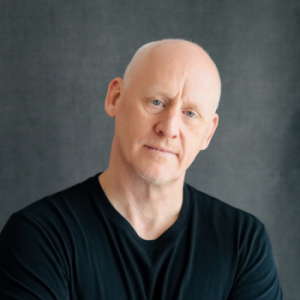
Anita Chen
In this episode of '10 Lessons Learned,' host Jeffery Wang speaks with Anita Chen, a digital nomad and entrepreneur originally from Taiwan. Anita shares her journey living in multiple countries, including Australia and the Netherlands, while discussing the lessons she has learned about personal growth, courage, and adaptability. Key themes include the distinction between expats and immigrants, the importance of aligning one's life and career with evolving goals, the power of giving oneself grace, and the significance of building supportive networks. Anita also emphasizes the value of facing discomfort and uncertainty as essential aspects of self-discovery and personal development. The episode concludes with a reflective note on unlearning perfectionism and challenging assumptions.

Subscribe with your favourite podcast app. 

Anita Chen

Anita Chen is a multi-passionate Taiwanese-Australian educator and entrepreneur based in the Netherlands. She was born and raised in Taiwan, then moved to Australia, where she lived for over 15 years before relocating to Europe.

In 2023, she took a year-long digital nomad journey across Europe before settling in the Netherlands – now proudly calling it home.

Her career spans from working as a high school English teacher in Melbourne and Italy to launching her own business, coaching non-native English speakers to thrive personally and professionally without speaking perfect English.

Currently based in Amsterdam, Anita teaches Business and Economics at an international high school while pursuing her entrepreneurial  work in integration coaching, curriculum design, and education content strategy.

She is passionate about personal growth, language learning, and empowering others to thrive in their expat or immigrant adventures.

Episode Notes

00:00 Intro
05:15 Lesson 1: Alignment is A Moving Target
09:44 Lesson 2: Have the Courage to Leave Good Behind
11:28 Lesson 3: Sometimes A Journey Far Away, Brings You Closer to Yourself
17:10 Lesson 4: Bloom Through A Concrete of Discomfort
20:34 Lesson 5: Give Yourself Grace
24:36 Lesson 6: Share the Weight of Your Journey
31:48 Lesson 7:Everything is Figureoutable
33:48 Lesson 8: The Joy of Giving, is the Joy of Living
35:57 Lesson 9: Connect With Those that Expand Your Possibilities
40:14 Lesson 10: Trust What’s Not Working

Anita Chen – Everything is Figureoutable

Jeffery Wang: Hello and welcome to 10 Lessons Learned where podcasts, where we talk to leaders, experts, and ordinary people doing extraordinary things from around the world to uncover the lessons that shape their careers, business and life. Our goal is simple to make the world a little wiser, lesson by lesson.
I’m Jeffery Wang. I’m thrilled to be your host for today’s podcast. I’m the founder of the Sydney Professional Development Forum of Basketball Tragic, and the father to my two gorgeous boys.
now today we have with us, our guest, special guest for today, Anita Chen. Anita currently lives in Europe as a digital nomad.
She was born in Taiwan. She lived in Australia and Netherlands and has fully embraced her life as a seasoned immigrant. Her career spans from working as a high school English teacher in Melbourne and [00:01:00] Italy before launching her own business, coaching non-native English speakers to thrive personally and professionally without speaking English perfectly.
She’s now based in Amsterdam, so she’s travelled the world a bit, teaching business economics at an international high school, while she continued to pursue your entrepreneurial endeavours. She’s passionate about personal growth, language learning, and empowering others to thrive in their expat environment.
or Immigrant Adventures. Welcome to the show, Anita.
Anita Chen: Thank you. thank you for the intro. Very excited to be here.
Jeffery Wang: So, one of the things that I probably want to mention also is that, as a Taiwanese born person, you certainly do not fit into a box of a typical Taiwanese. in fact, the thing I noticed about you when we first met was that, you definitely, someone who, don’t.
don’t conform to those stereotypes, but also just takes every opportunity, every adventure that you get. every, you seem to [00:02:00] seek the opportunities and not afraid to try things outside your comfort zone.
Anita Chen: That’s one way to describe me.
Jeffery Wang: And just before we jump into it, what is the difference between an expat and an immigrant?
Anita Chen: that’s a very good question. I feel like an immigrant is someone who is completely settled in a country and then you’re ready to call the country home and you see yourself living there for a very long time.
Jeffery Wang: Whereas
Anita Chen: I feel like when you’re an expat, you’re pretty much still Testing the waters, right?
Like a transient. Yeah. Yeah. Maybe you’re only there just for a couple of years. And, you don’t know whether you are going to call this country home or not. So, for me, like one is like more temporary and then the other one, it feels more permanent.
Jeffery Wang: Yeah, that makes a lot of sense. So, do you consider yourself an expat or an immigrant to the Netherlands right now?
The
Anita Chen: Netherlands at the moment, an expat. Yeah, I feel like I have put a couple of like building blocks in place, [00:03:00] but the whole relocation process, it doesn’t feel complete yet. And also at the moment, I don’t know exactly how long I’m going to be here. Stay there, hopefully a couple of years, but at this stage, not sure.
We’ll just see where life takes me.
Jeffery Wang: And that’s what I like about it in that, I like the concept when you start your business, and around teaching non-English speakers to, be comfortable basically without having to speak the language perfectly. and I suppose in a way that’s your approach to life as well.
and not everything has to be perfect and line up and settled before you decide on direction and. and ultimately, I think that’s what led you to the adventures and the opportunities that you’ve had in your life.
Anita Chen: As
Jeffery Wang: opposed to somebody who’s essentially taken, the, the comfortable route, the, the, I suppose the tried and true path, which a lot of, people from Taiwan seem to be.
Anita Chen: Yeah.
Jeffery Wang: Yeah.
Anita Chen: Yeah. Yeah. Yeah. That’s true. I think like for me. I say, it’s still a bit of a work in [00:04:00] progress for me, of course, because I see myself more of a recovering perfectionist. And I used to be, like one of those people who really needed to have everything perfectly laid out, before you actually, went ahead to try something.
But then I know I don’t know, after all these years and then you realize, you don’t need to have everything perfectly laid out. Yeah, like you take the first step and then the next step will reveal itself.
Jeffery Wang: And I’m sure we’ll unpack that through some of our lessons. I really like that term, the recovering perfectionist, because I do think, I do share that sentiment in that, that’s, a lot of what kept me from stepping out of my comfort zone as a child, as in my younger years is that, that need, that strive for perfectionism.
And it stems in, and it goes into how we go about speaking the language, for example. So, this idea that if you can’t speak the language perfectly, then you can’t do certain jobs, you can’t do certain things in life, and unfortunately that just, seems to, [00:05:00] disempower a lot of us from taking that first step, yeah.
Yeah. yeah, exactly. Let’s just jump straight into your lesson then. Sure. I love the lessons you’ve given me because, they also tell us a little bit your story and also a little bit about your style. But lesson number one, you say that alignment is a moving target.

Lesson 1: Alignment is A Moving Target

Jeffery Wang: What do you mean by that?
Anita Chen: Yeah, so basically, I should probably tell a little bit of my story first. Because I have already moved a couple of times over the past two decades, right? I came to Australia when I was 17 as an international student. And, not long after then, my family members, they all joined me, one by one.
And then, now everyone is but then, initially we moved to Melbourne first, and then I was there for, I think, about 13 years. And after 13 years, I decided I really needed a change of scenery. And then, my family, they were, like, thinking of moving to Sydney as well. And then, after 13 years, and then we all moved.
And, having lived here for a couple of [00:06:00] years, and a couple of years later, and I realized it was like time for a new adventure, like a new chapter in Europe as well. And yeah, and in terms of career, I’ve also shifted my career path a couple of times as well. I began as an English teacher, teaching in Melbourne and then a couple of years later, and I realized that I really wanted to do something different and something that I could call my own.
And yeah, so afterwards, and I started my own business, and then, yes, we could always talk a little bit more about that later on. but then, after three years, and then I decided, okay, I miss having in person human interactions because I work for myself full time online for three years.
And it really got to a point where I was like, oh, I really do miss being in the classroom because that’s what I had for five years, always being surrounded by people. And I really did miss that, I realised. And then moving [00:07:00] to the Netherlands also meant that I had to return to the normal nine to five as well due to the visa requirements.
And yeah, so due to a couple of different reasons and I decided, okay, then it was probably about time, to return to the classroom as well. So as you can see, like in terms of like my personal life and then also my professional life as well, I have Pivoted a number of times and then what I have come to realize is that like different things are right at different times And just because you have a plan in mind So for example, like when I was working as an English teacher as a high school teacher I didn’t think that I would start my own business.
I didn’t think I would move to Sydney I didn’t think I would move to Europe like I’m at that time. My life felt pretty set but Things do change and then plans do change and I think it’s okay to just outgrow the things that you once loved and [00:08:00] it doesn’t mean that you’re failing or falling behind.
to me it’s more okay, like I have done what I set out to do at this stage of my life. And this is like a sign of completion. And we move on to the next thing we evolve as we continue the journey. So, alignment, for me personally, alignments do shift as you continue the journey.
Jeffery Wang: You grow as well as a person, right?
What I like about it is that a lot of entrepreneurs, when you set out to create a business and as you have done. they feel if you go back to a 905, it’s almost like
Anita Chen: a failure,
Jeffery Wang: it’s admitting defeat. But at the same time, it’s not, priorities change, life change.
you also discover about yourself as well, I think in that particular instance. And then when you move to Sydney, might be the right move for you at the time. And then you later realize, actually you’re craving for something else. And so now you’re in the other, other side of the world, in, a completely different time zone, [00:09:00] different seasons almost.
and, and you’re finding yourself more aligned in that particular regard.
Anita Chen: Yeah, exactly. Yeah. And being in the Netherlands feels right at the moment, but I don’t know if it’s going to be the same in five years’ time. That’s right. Yeah, so I think as long as you have that sense of curiosity and you always, follow your curiosity and I think it’s going to lead you to wonderful places.
That’s
Jeffery Wang: right. And I think another lesson to take out of it is also your ability to tolerate uncertainty and discomfort and almost embrace that uncertainty because it brings along a real opportunity. for life experiences and things that would come along. So, I think a lot of this is around being open minded to new possibilities.
So yeah, I like that lesson. Yeah.
Anita Chen: Yeah. Thank you.

Lesson 2: Have the Courage to Leave Good Behind

Jeffery Wang: Lesson number two, have the courage to leave good behind.
Anita Chen: Yeah. so, when I moved to Sydney and I stayed here for a couple of years, And I have to say I really did have a good life, I had a [00:10:00] thriving life and I feel during my time in Sydney my professional network and personal network, began to expand.
I started to make all these connections and then I had my family here as well. And I really just enjoyed the lifestyle here. Yeah. The sun being able to go to the beach and it was all great. And it was a good life. But then deep down, I just knew that I wanted to go to Europe, my heart was literally pulling me towards Europe.
And
it was almost like all signs pointed there.
And
I just knew that if I didn’t move myself over there, I would never ever be able to fully settle down in Sydney. Yeah, there would always be this question, what if? Yeah, so I just knew that I really had to, act on it. this desire to go there.
Jeffery Wang: I guess the takeout from that is that there is, you’ve got a good life. what’s familiar. It’s working for you, and it would probably be fine.
Anita Chen: [00:11:00] It’s comfortable. It’s familiar. Yeah.
Jeffery Wang: But it’s having that courage to actually explore the unknown. So, if you want something better, you have to be prepared to risk what you’ve currently got.
Anita Chen: yeah, exactly. Exactly.
Jeffery Wang: It’s along a good theme there. see why. you would, yeah, you’ve approached life as you have and probably why you’ve, you’ve done so much in just a short time, in your young life.
So, lesson number three, sometimes a journey far away can bring you closer to yourself.

Lesson 3: Sometimes A Journey Far Away, Brings You Closer to Yourself

Anita Chen: Yeah. So, when I first moved to Europe, I went to Croatia first. And it was a foreign country, right? Completely foreign to me. And, yeah, like it was somewhere that I’d never been before. But I just feel like in that environment, like a completely foreign environment, like without all the noises, and I was able to get to know myself again.
And I was able to have the space, the time and space to really explore. [00:12:00] And to, for example, explore the next version of myself and to experiment as well. for some people probably like to start anew. yeah, so for me being able to have the time and space to really think about like, who am I, what do I like, what do I dislike, and to really, get to know yourself. And then for me, it was very transformative.
Jeffery Wang: okay, let’s unpack that a little bit more. being far away means that you’re away from your usual environment, your usual friends, connections, and all that. What’s familiar. Is it the case of being far away or is it being a case of disconnecting from what you know?
Anita Chen: Yeah, I think it could be that as well. Because I feel like when you’re surrounded with people that you, people who know you well, and sometimes They have defined you, right? But then if you want to break free or if you want to redefine yourself, and sometimes you do have [00:13:00] to distance yourself from what’s familiar.
Yeah.
Jeffery Wang: And so, I can relate that to, I suppose kids that grew up in a, say, a military family who had to go from base to base and every time they go somewhere new, they get a chance to redefine themselves. they could be. the jock in one environment, they could be the class clown, they could be a nerd, they could be a scientist, like all sorts of different, identities as they redefine themselves.
But I suppose, in your immigrant journey, going from country, culture to culture, you got a chance to rediscover yourself and, rebuild who you are. and how hard is it like, how much of it is, how much of it is intrinsic within yourself, as in, so when you go from place to place, is there a part of you that goes with you wherever you go, or do you find that how you act is completely different depending on your environment?
Anita Chen: That’s a very good question. Yeah, I think it also very much depends [00:14:00] on your environment, because in certain environments you feel like it really does bring out the best in you, right? And that’s what I felt when I was, when I was in Croatia, because at that time I was Meeting people who were pretty much on the same wavelength
Jeffery Wang: So, when you say bringing out the best in yourself, what was that? What were you finding in Croatia that you didn’t have in Sydney?
Anita Chen: Yeah, so there I was able to meet people who were pretty much on the same journey as well.
Jeffery Wang: Yeah. So, for example,
like the expat journey.
Anita Chen: yeah. So, they were there for example, they wanted to, experience.
A different lifestyle. Or they were just there because they wanted to meet like-minded people. Or they were simply there because they also wanted to have the space to discover themselves as well. So, I was able to meet people who I feel like I was not able to meet in Sydney.
. Because I feel a lot of us here [00:15:00] Our life is pretty much like all set up, right? and we’re pretty like, set in our own ways, but where it’s I feel like in Croatia, where I was in at that time, there were a lot of people who were also there just for, let’s say, a couple of months, six months, a year.
And it was very much like a gap year for me. And for a lot of us, that, a lot of people that I met over there. As well, and I realized that’s what I needed, a gap year.
Jeffery Wang: Look, there’s certainly a bit of insularness around the Australian community, like society, I think, in terms of the culture that we have, but surely there’s a, there’s an expat community here too, right?
I’m sure there, there’s a transient population that comes to Sydney for work or travel or play and then they leave. is it just a case of finding that tribe? Or do you actually have to take yourself out of Sydney in order to do that?
Anita Chen: Yeah, I really did feel like I had to leave Australia.
Yeah, [00:16:00] just to go somewhere far. And like for me, I personally don’t know how to explain it. But then like at that time, I just knew that I had to. go somewhere that’s completely foreign, just a brand new environment.
Jeffery Wang: So, I guess it’s the same as along the theme that you said, it’s just jumping completely into the unfamiliar in order to jump into the dependent and see what happens.
yeah, exactly. And I realized this is something I personally like to do like once every couple of years as well. Yeah. Yeah. So, for example, maybe in a couple of years’ time that I might want to go to. Estonia or somewhere in Africa. I don’t know, just like for a couple of months. Yeah. And then just to see what happens when you put yourself in that new environment.
That’s right. and you might not like it, but ultimately, it’s like the, the world is out there for you to explore and
Anita Chen: to experience as well. Like for me, like life experience, like that matters more than anything. [00:17:00] Everything else, yeah, anything else.
Jeffery Wang: Than the material comforts.
Yeah. Yeah. Awesome. All right. I can really see a theme here. Lesson number four, bloom through a concrete of discomfort.

Lesson 4: Bloom Through a Concrete of Discomfort

Anita Chen: Yeah. So that’s an interesting one. when I, so I was in Croatia for a couple of months, And I had my base there. And then while I had my base there, I then went on to travel to different countries in Europe.
And after a series of exploration in 2023, for nearly a year and then I decided to settle in the Netherlands and when I officially moved there, I had my apartment there, I had a job there and leaving there, I realized the reality turned out to be quite different.
because I feel like. Before you, before I moved there, I personally, I fantasized, like I’m [00:18:00] living in Europe long term. And, but when you are actually doing it, then you realize it’s actually a lot more challenging.
Jeffery Wang: Okay. Such as? what sort of?
Anita Chen: Language barrier, the weather, and then also having to rebuild your entire support network.
And I think because of these three things combined and also like returning to the normal nine to five again after having worked for myself for three years. So, there were a lot of things that I had to readjust to, or just simply to adjust to, and that really took up a lot of my headspace. And
I feel like the first couple of months, like after the honeymoon period, and the best way I could describe It was very much it was constantly raining, but I, literally and then metaphorically as well.
And it was always raining and then but then you haven’t really learned how to dance in the rain or enjoy the [00:19:00] rain. And at the same time, you can’t stop the rain. And it just feels miserable. Like it’s always raining and then you don’t know what to do. And that’s what it felt like for a couple of months for me.
I said for the first six months. And then of course there were also times where I did question, is this really the right thing to do? Like life in Sydney was so comfortable, so familiar. And then so what am I doing here? like trying to start anew. And, but then I realized that you really just have to push through.
And then that kind of leads to the next, lesson as well, where you really have to learn to give yourself grace, because the fact that like you are unplugging yourself from what’s familiar and have put yourself in somewhere that’s completely unfamiliar and new, that it’s already something, I think the act itself is already quite an achievement because that’s not what a lot of people.
Want to even [00:20:00] attempt, right? And so just the fact that I’m doing it even though like it doesn’t feel like it’s perfect, as I envisaged before then, but then I’m doing it. Yeah. Yeah. So before
Jeffery Wang: we go onto lesson five, which is give yourself grace. You’re saying to bloom through the concrete of discovery, and I like the word you use of concrete because it sounds like it’s pretty hard as just imagining like little plants were growing through so how did you manage to come out the other end because you’re saying that it was quite miserable.

Lesson 5: Give Yourself Grace

Anita Chen: Yeah. Yeah, so that can only lead to one of the next couple of lessons as well. so What I have learned is to share the weight of my journey, because when it all felt very stressful and miserable, and then you feel like that you are very alone in your own struggles, but what [00:21:00] I didn’t realize was then There are actually people around me who are happy to help and who are more than willing to help.
And then people who actually care about me and then they’re happy to share the burden as well. So, for example, like my boyfriend and also his family, and then also some of the friends that I have met, in the Netherlands as well.
Jeffery Wang:
Anita Chen: And because like personally, like in the past, I always had a little bit of hard time just opening up about my struggles.
And then that could have been a number of reasons, right? with my loved ones, I didn’t want to, burden them with my struggles. And then with people who are, like, complete strangers, then it was more like, I didn’t want them, yeah, like why would they care, or I didn’t want them to perceive me differently.
Yeah, so that has definitely been a work in progress for me, but then this year I have really learned to deal with more and more, and what I have realized is that, yes, they are ready to help and then they’re willing [00:22:00] to help. They’re ready to help. They’re able to help and all you have to do is to take the first step to actually ask for help.
And then they will take the subsequent steps with you. But you have to be the one to take the first step. Otherwise, nobody knows how to help you. They don’t even know that you need help.
Jeffery Wang: That’s right. this is okay I think this is all blending into one, one giant lesson, but I can really see a bit of a cultural theme here as well.
and the thing that you mentioned around, so we’ll get onto lesson number five, because give you, giving yourself grace. that’s something that I find, potentially it’s something that, people from the Asian culture tend to struggle with because, I suppose in some respects we’re hard on ourselves because we were conditioned to.
Like you said, try striving for perfection. and often we don’t cut ourselves a break and anything less than perfection is a failure or disgrace to your family. and I like that word grace, right? Cause it’s giving yourself, you’re cutting yourself some slack, but at [00:23:00] the same time, like the word grace means a little bit more than that, right?
It’s almost like it’s; It’s like forgiveness kind of thing. Yeah. Kindness. Yeah. So how do you, and this is probably going around into getting the mindset of how do you give yourself grace or how do you learn to cut yourself some slack? And I suppose this will be more relevant to people of the Asian culture.
How do you discover that’s the secret?

Anita Chen: So again, whoa. Trials and errors, and then, it’s more okay, so you do it once, and you realize, yes, it’s actually not the end of the world, if everything is, not done perfectly, or things are not exactly turning out the way that you want, but life still goes on, and then,
You’re still fine. You’re okay.
Jeffery Wang: And people are still okay with you too.
Anita Chen: Yeah, [00:24:00] exactly. Yeah, it really is not the end of the world. Yeah, and then once you have experienced this once and you realize that, and then you do it again, and again, and then now, it just becomes this like a muscle that you have.
Yeah, because I feel like it’s very much like going to the gym. And the first time you do it, it feels very uncomfortable. But then you just then you keep doing it, you keep going to the gym. And after a while, then it really just becomes a muscle.
Jeffery Wang: Alright, so essentially, it’s about learning to not, yeah, like you said, it’s learning to become that recovering perfectionist.

Lesson 6: Share the Weight of Your Journey

Jeffery Wang: And so, lesson number six, when you mentioned around sharing the weight of your journey, so this is about opening up to people about your challenges. And again, this is connected to the, the strife of perfectionism, right? Because if you’re competent, you’re perfect, why do you need to, why would you need to share your worries with others?
But then you realize nobody is perfect and everybody has their challenges. but [00:25:00] yeah. And again, like the challenge would be to, how do you take that first step of opening up and what was in your mind when you first shared that burden?
Anita Chen: I was definitely scared, because you don’t know what people will think of you.
Or you might think, oh, but then maybe they might find my problems very petty. Yeah, but then or they
Jeffery Wang: look down on you. Yeah. Like you’re a failure if you have problems.
Anita Chen: Yeah, exactly. Yeah, because I feel like for us perfectionists, we want to manage. other people’s perceptions of us.
Yeah. And it’s that’s when things get tricky. And so, what I have found is you just have to start with one person, right? Like this one person that you feel like you can trust, and you start with that and then you see what happens. And then once you have interacted with this person, and then again, you’ve realized it’s actually not as bad as you think.
Jeffery Wang: No. And look, the [00:26:00] reality is that the world is mostly of people that are supported, people who are good. But the hard part is actually finding, how do you know who you can trust? Who’s that first person? how do you
Anita Chen:
Jeffery Wang: it’s especially hard if you haven’t done it before.
Anita Chen: Yeah, exactly.
So, I say maybe like friends, family, or if you don’t really have a support network around you, then at least you can always write about it in your journal. But for me, it’s very cathartic and it really does help. And because that is exactly the same as sharing with somebody, somebody else.
Jeffery Wang: like you really just write about it when you put everything on paper and then you realize it’s actually not as bad as you think.
That’s right. And a lot of people find this out in the internet as well. I think, there are people who share publicly their journeys and their challenges and struggles.
Yeah. after a lifetime of repression, only to find that not only people do not judge, there’s so many that can sympathize and identify. And that [00:27:00] authenticity actually tends to cut through and people tend to come back. And yeah, they’re always pleasantly surprised by how much, how supportive people are after hearing of their struggles.
Yeah,
Anita Chen: exactly. Because at the end of the day, I feel in the past, I made a lot of assumptions about other people, right? what they might, think of me and at the end of the day, then these are really just assumptions. Yeah, and then so when you actually go and talk to them or share your journey with them, then you realize This is also one a way of you challenging those assumptions.
Jeffery Wang: That’s right and in some respects, I can relate that to, so if you look at how social media and Facebook has changed the culture, people tend to only curate the good parts of themselves so that it becomes a bit of, it’s so disconnected from the reality that we feel that way.
But then I reflect that on our cultural upbringing, which is the Asian culture. And there’s a funny saying that we don’t need Facebook because we got our [00:28:00] mums. And it’s true, right? Because all your mum will ever tell you is that, oh, look at how great somebody else’s kids are and what amazing things they have.
and again, that’s so disconnected from the reality, you don’t see the blood, sweat and tears and all the stuff that went into it. And so, I think, that lesson here about sharing the weight of your journeys is to break that down, break that fakeness. www. 10lessonslearned. com Lost as everybody else.
Yeah.
Anita Chen: And messed up.
Jeffery Wang: Yeah, that’s right. And yet that’s ok. I think this will come as a surprise or shock to a lot of our Asian listeners, I think, that it’s ok to be messed up, but at the same time, figuring that out is probably the most powerful thing for you because then knowing that you’re Knowing that you’re, I wouldn’t say messed up, but knowing that [00:29:00] you’re not perfect is actually quite empowering because it allows you to do things and make mistakes and experiment and grow.
Anita Chen: Exactly. Yeah. And knowing that you’re not alone. Yeah. Cause once you’ve shared your struggles with others and then you realize other people have the same struggles as well. Yeah, and it makes you feel less alone and like you don’t feel so isolated in your own struggles. And for me, that’s a very powerful thing.
Jeffery Wang: And the other thing by doing that also is figuring out that people are actually trying to see you and see you succeed and thrive and helping you, right? the assumption is that, people expect you to be okay, but at the same time, you don’t realize if people actually want to see you thrive, you don’t know who you can trust around you.
But I think by having that, those deeper connections, you realize that ultimately people want the best for you. And if they don’t, that’s a sign for you to move on, to, to better people, to have better people. better people around you. Yeah,
Anita Chen: exactly. Yeah. And another thing that you, Jeffrey, that you mentioned just now, like [00:30:00] sharing, like if you don’t know who exactly you can trust, then sharing on social media, that’s one way to find your tribe as well.
Cause I feel like when I was starting my own business and I set out to help other people who experienced the same thing that I experienced in the past, like feeling Oh, I really had to like, master the language in order to be. successful or to be respected, right? To live a good life in Australia.
And when I started to share my stories, my life experiences online, and then that started to gain tractions. And then people started to come to me and say, oh, this is exactly what I’m going through at the moment. Thank you so much for sharing that. So, I did not just gain clients, and I found friends.
as well and that’s how we connected as well, yeah.
Jeffery Wang: No, because we all went through the same thing. Exactly. For the first, I don’t know, like [00:31:00] 10 years of my life outside of Taiwan, like I was trying to speak the language so well that I blend into the background but then what you realize is that as you try to disappear, you also lose yourself.
Exactly. Yeah, and so what’s best about you is also Gone. But yeah, a hundred percent agree with you in that when you started sharing, that’s when people, resonate strongly. And I think that authenticity is what draw, draw a lot of people to you. and that’s when I realized hey, what you’re doing is actually a great thing.
Thank you. ’cause you’re not just helping, you are helping people fundamentally. but I think one, one thing we discussed earlier on was that. it’s not about necessarily speaking the language, It’s about the attitude to life,
Anita Chen: the mindset
Jeffery Wang: the mindset, and when you have got the right mindset, then there’s a lot more in store for you, which is great.

Lesson 7: Everything is Figureoutable

Jeffery Wang: And, actually, just great segue to lesson number seven. And I love the language you use here because you said that everything is figureoutable.
Anita Chen: Yeah. that, that’s actually one of [00:32:00] my favourite sayings. I actually I first heard this from this, business owner slash motivational speaker, Marie Folio.
So, I can’t take, the credits, but that’s like something that I really live by. Because I feel like sometimes, we, we face life challenges and then these challenges, they feel so big, right? But if you really do break it down, then you realize it’s actually very much just like tackling a, for example, a thousand piece jigsaw puzzle.
So, it’s very much like you have all these pieces, right? And, but the good news is you have all these pieces. You already have all the pieces. It’s not like you’re missing one piece here and there. So, the question is how exactly do I put this together? Where do all these pieces go? Instead of, whether this is going to work or not, you already know this is going to work because you have all the pieces.
So, it’s really just a matter of figuring out where each piece, goes.
Jeffery Wang: [00:33:00] Yeah. And it’s about the mindset rather than what the answer actually is. I think, I remember there was one time when I was a bit overwhelmed in my life and, and this advice came from the unlikely of all places, I, this lady said to me, how do you eat an elephant?
literally one bite at a time. I thought it was going to be something profound, but it was. it was profound because one bite at a time is how you eat an elephant. and there’s nothing surprising about that. But I think it’s the same, it’s the same theory. It’s the same idea that your You know, you can, and like how you’ve approached life, throw yourself in the deep end, whatever the problem is, you’ll figure it out.
and I like the word figureoutable. It’s not really a word, but I think it’s the mindset behind it that you can, whatever it is, let’s figure it out. It’s not, it’s not, it’s not impossible.
Anita Chen: It’s not impossible. Yeah. Yeah.

Lesson 8: The Joy of Giving, is the Joy of Living

Jeffery Wang: Cool. lesson number eight, the joy of giving is the joy of living.
Anita Chen: Yes. I have come to realize over the years that every time when I [00:34:00] feel unhappy, it’s usually because I’m so wrapped up in my own misery, right? Yeah. Yeah. But then if I shift the perspective, if I can shift the focus from myself to somebody else mm-hmm. Then all of a sudden, it really does lift me up.
And I realized that’s actually one of the reasons why I got into teaching in the first place, over 10 years ago. Because, for me, now I’m a high school teacher again, and it really is fulfilling every time, for example, when I see my students learning something new or when they have, this, light bulb moment.
And, yeah, for me, it’s just very fulfilling. rewarding to be able to contribute to somebody else’s journey that way. And that’s also one of the reasons why I started my own business as well, like to be able to give, to be able to help other people on their journey. And, yeah, every time I’m able to just shift that focus and it immediately [00:35:00] changes my mood.
Jeffery Wang: Oh, a hundred percent. Yeah. And it’s, and I like the word you use, which is fulfilling, because it’s not necessarily. Um, it could be rewarding, by all means, when you’re doing some great work, it could be extremely rewarding, but more important than the reward is the, it’s a fulfillment that you find from what you do.
Cause that’s almost the reason for being, and yeah, a hundred percent identify with that in that when you shift that focus away from yourself onto, the others, then, well, first of all, you gain perspective, but also you gain. The understanding that, when you see other people thriving and that you have a hand in it, that’s probably the best.
Yeah. Yeah.
Anita Chen: It’s just such a nice feeling.
Jeffery Wang: Yeah.
Anita Chen: Yeah. Yeah.
Jeffery Wang: And when you can find, when you can align that joy, that joy of giving to your career, your business, then, then you really do find a very fulfilling life.
Anita Chen: yeah, exactly. Yeah, a hundred percent.

Lesson 9: Connect With Those that Expand Your Possibilities

Jeffery Wang: Awesome. And lesson number [00:36:00] nine, connect with those who expand your possibilities.
Anita Chen: Yeah. So, this one, I feel like as you get older and then you realize not everyone wants the best for you, and not everyone will share your joy when you have good news, or not everyone will cheer you on when you share your dreams. Skills and desires with them. because, I had this experience that has really stuck with me.
I remember like maybe more than five years ago. Already, there was one time I actually like share with some, one of my former colleagues and I said to him, oh, I actually really do want to start my own business. And the first thing he said was like, oh, but do you have the money for that? don’t you know, like it takes money, to make money, like you need money to start your own business.
And what if your business fails? What if it doesn’t work out and you have to come back to teaching? And it was all just. very negative. I was not met with so much negativity. And that [00:37:00] was the moment that I realized I really shouldn’t just share my dreams and my goals with just anybody. you have to be selective with, who you share those things with.
Jeffery Wang:
But it’s not just, I think it’s more you should be selective who you listen to.
Anita Chen: there
Jeffery Wang: was a hindsight, I, one of my I don’t know if it’s necessarily a good career advice, but one, one of my managers said to me, don’t take career advice from someone who take a, who takes a bus to work. no, don’t necessarily agree with the sentiment. there’s a sort of class of sentiment. ’cause I’m sure there are plenty of very successful people who takes buses because they both ’cause they just, like public transport or saying, but, but the sentiment is that don’t listen to those who, who don’t think much of themselves.
I think that’s probably the. Yeah, the key I would say in that particular, the reality is that your colleague is probably reflecting back to you his own insecurities rather than, really thinking out what’s best for you. but then on the other hand though, you must have connected with people who want the best for you.
Anita Chen: [00:38:00] Yeah, exactly. Including you. Yeah. Yeah. Like over the years I’ve have really tried to just connect with some people who are able to. Expand my possibilities and who think that I’m capable of even more. And I just think that’s so important because I’m just like thinking about my colleague now, right?
And I’ve, I think probably like one of the reasons why he was so negative was probably because that he attempted something like that before or maybe he wanted to attempt something like that in the past but then he didn’t and so maybe there was like a sense of regret as well.
Jeffery Wang: Yeah, and he’s probably exactly where he were when you last spoke to him right?
Anita Chen: And I think the, the reality also is that you are who you are around, and one thing I’ve learned through, recently I’ve been involved with it. And I realized that these [00:39:00] entrepreneurs, want to see other people succeed and they support each other. and that’s why they are entrepreneurs in the first place, and when you surround yourself with the right kind of people, it’s amazing the kind of empowerment you get.
Jeffery Wang: Yeah. And so, you have to be conscious about your company that you keep, but also at the same time, yeah. yeah. You need to filter out the people who are going to limit your possibilities.
Anita Chen: Yeah, exactly. I feel like certain people, yes, they feel right for a certain period of time, and then that’s it.
You grow apart, or you outgrow them, and you really just have to adapt. Let them go and surround yourself with some new people. Yeah,
Jeffery Wang: look and so relating back to the perfectionism, sometimes you stop yourself from losing friends because you want to be perfect on your record. You don’t want people who you grow apart with or whatever because you’re trying to be perfect.
But look, that’s just not, that’s not making the best of what you could [00:40:00] have. sometimes you just have to be You have to be selective with your time. You have to be intentional. So don’t try to keep a perfect record in terms of friendships. rather you, you have to know whether they’re serving you.
yeah,
Anita Chen: exactly. Yeah.

Lesson 10: Trust What’s Not Working

Jeffery Wang: Okay. last lesson number 10, trust what’s not working.
Anita Chen: Yes. So, Avela over the years, a lot of things have worked out for me, which of course I’m very thankful for,
Jeffery Wang: but
Anita Chen: there are also things. There’s many things that, didn’t work out, right? And I feel like this lesson is specifically about, for example, my love life.
And I feel like this is a whole discussion for another time. Yeah, because I feel like in terms of career, it has gone quite well. Well, so far. And, but then for example, like in terms of, like romantic relationships and then like in the past, there were so many times that I would question, every time when you have missed a connection or a connection that doesn’t work.
that [00:41:00] didn’t exactly pan out the way that I wanted this to be, then use that question yourself. okay, what’s wrong with me? Yeah, exactly. When like people around you, they’re all coupled up.
Jeffery Wang: Oh, okay. Okay. Yeah.
Anita Chen: And then you ask yourself, like, why is that? It hasn’t happened, like to me yet.
Yeah. But then. Actually, things, every time when you have a missed connection or a missed opportunity, like for some other people, it could be like missed opportunities, then it’s, usually because they didn’t work it out. It’s not because there is something wrong with you. It’s, I feel like it’s because they were trying to guide you to where you’re actually meant to be or who you are meant to meet.
Yeah. And then it’s a very powerful mindset shift, right? maybe like these people, you’re supposed to meet them. You can be guided to the next stage of your life, to the next person that you’re meant to [00:42:00] be, to the next opportunity that you’re meant to take on.
Jeffery Wang: Yeah. And I think again, this is an interesting mindset shift, right?
So, it’s not that, if it didn’t work out, it’s not because of anything wrong with you per se, if you understand that it’s about, it’s the universe preparing you. Yeah. Or, to point you in the right direction. And so how do you not, how do you know that it’s not meant to be, how would you, I suppose the way to look at it is that, if you weren’t to have those unsuccessful relationships, you may not have been ready for the right one when it comes along.
And I’ll probably relate that to a dear friend of mine where I thought she was a bit of a perfectionist, she was very popular. She had lots of suitors and, around the world. And she was almost nearing 40 before she got married and,
Anita Chen: yeah.
Jeffery Wang: And I was just thinking, hey, this is never going to happen.
and not only it did, it was perfect, in terms of for her. She had a child and, she’s, living happily ever [00:43:00] after. everything happens for a reason. and who am I to judge? people have just got to be, I like what you’re saying in trust what’s not working.
So, I jokingly said, trust the process. sometimes the process might not work out the way you want it to, when you have faith guiding you, Yeah, it might actually lead to something better, and I think it’s a mindset in how you approach it and not necessarily have to force something that’s not right to work.
Yeah,
Anita Chen: exactly. Because it could be a stepping stone, right? A failed, a missed opportunity, a failed relationship, right? this could very much be like stepping stones.
Jeffery Wang: Yeah, even a failed marriage might be preparing you for the right one later on. Yeah, exactly. So, you never really know, and I think having that right mindset, is going to be helpful when, for when to prepare you to go to the right thing.
So, I like that.
Anita Chen: Yeah, so one step in stone at a time.
Jeffery Wang: that’s right. Okay, now, we like to do this to all our guests. we throw a bit of a curveball at the end of the [00:44:00] lesson. what is something that you have unlearned? So, what I mean by that is Something that you knew to be, ironclad truth in your early days.
early career, early 20s that you now know that is just not the case that you’ve learned.
Anita Chen: Perfectionism.
Jeffery Wang: yeah, that’s an obvious one. Yeah
Anita Chen: And assumptions.
Jeffery Wang: Yeah, assumptions about people. Yeah. Yeah.
So much of it is actually about unlearning that is about learning as well.
Anita Chen: yeah, exactly. Exactly.
Jeffery Wang: Cool. All right. thank you so much for your time. This has been a most enjoyable conversation.
Anita Chen: Thank you for having me.
Jeffery Wang: Yeah. And it’s so good to see that you’ve been thriving in Europe and, been, so going on with your life and adventures, so I’m sure I’ll be hearing and following your adventures throughout the world, wherever it may lead, and maybe South America or Africa or Europe, or even parts of Asia, you never know, right?
thank you so much. And that’s all for today’s episode of 10 Lessons Learned. A big thank you to our guest, Anita Chen, for sharing your incredible lesson, and your journey in Europe. [00:45:00] And also thanks to our amazing team, Cody Comeau, our episode editor, Yi Wang, who manages our marketing and social media.
And always to our producer, Robert Hossary. This podcast is sponsored by the Professional Development Forum and Supported by listeners like you. We’d love to hear your thoughts on today’s lesson. Drop us a line at podcast at 10lessonslearned. com. enjoyed this episode, don’t forget to like, subscribe and turn on the notifications so you never missed an episode that could change your life.
Thanks 10 Lessons Learned, where we made the world a little wiser, lesson by lesson.

Thanks to our 10 Lessons team that make our show possible: Our Episode Editor Codie Comeau, Marketing and social media managed by Yi Wang, and our Producer Robert Hossary. Sponsored as always by Professional Development Forum. You can find the www.professionaldevelopmentforum.org.

You’ve heard from us we’d like to hear from you. Email us it’s podcast@10lessonslearned.com.

Remember, this is the podcast the only podcast. That’s makes the world wiser lesson by lesson.
Anita Chen

Anita Chen – Everything is Figureoutable

In this episode of '10 Lessons Learned,' host Jeffery Wang speaks with Anita Chen, a digital nomad and entrepreneur originally from Taiwan. Anita shares her journey living in multiple countries, including Australia and the Netherlands, while discussing the lessons she has learned about personal growth, courage, and adaptability. Key themes include the distinction between expats and immigrants, the importance of aligning one's life and career with evolving goals, the power of giving oneself grace, and the significance of building supportive networks. Anita also emphasizes the value of facing discomfort and uncertainty as essential aspects of self-discovery and personal development. The episode concludes with a reflective note on unlearning perfectionism and challenging assumptions.

Anita Chen

Anita Chen is a multi-passionate Taiwanese-Australian educator and entrepreneur based in the Netherlands. She was born and raised in Taiwan, then moved to Australia, where she lived for over 15 years before relocating to Europe.

In 2023, she took a year-long digital nomad journey across Europe before settling in the Netherlands – now proudly calling it home.

Her career spans from working as a high school English teacher in Melbourne and Italy to launching her own business, coaching non-native English speakers to thrive personally and professionally without speaking perfect English.

Currently based in Amsterdam, Anita teaches Business and Economics at an international high school while pursuing her entrepreneurial  work in integration coaching, curriculum design, and education content strategy.

She is passionate about personal growth, language learning, and empowering others to thrive in their expat or immigrant adventures.

Episode Notes

00:00 Intro
05:15 Lesson 1: Alignment is A Moving Target
09:44 Lesson 2: Have the Courage to Leave Good Behind
11:28 Lesson 3: Sometimes A Journey Far Away, Brings You Closer to Yourself
17:10 Lesson 4: Bloom Through A Concrete of Discomfort
20:34 Lesson 5: Give Yourself Grace
24:36 Lesson 6: Share the Weight of Your Journey
31:48 Lesson 7:Everything is Figureoutable
33:48 Lesson 8: The Joy of Giving, is the Joy of Living
35:57 Lesson 9: Connect With Those that Expand Your Possibilities
40:14 Lesson 10: Trust What’s Not Working

Anita Chen – Everything is Figureoutable

Jeffery Wang: Hello and welcome to 10 Lessons Learned where podcasts, where we talk to leaders, experts, and ordinary people doing extraordinary things from around the world to uncover the lessons that shape their careers, business and life. Our goal is simple to make the world a little wiser, lesson by lesson.
I’m Jeffery Wang. I’m thrilled to be your host for today’s podcast. I’m the founder of the Sydney Professional Development Forum of Basketball Tragic, and the father to my two gorgeous boys.
now today we have with us, our guest, special guest for today, Anita Chen. Anita currently lives in Europe as a digital nomad.
She was born in Taiwan. She lived in Australia and Netherlands and has fully embraced her life as a seasoned immigrant. Her career spans from working as a high school English teacher in Melbourne and [00:01:00] Italy before launching her own business, coaching non-native English speakers to thrive personally and professionally without speaking English perfectly.
She’s now based in Amsterdam, so she’s travelled the world a bit, teaching business economics at an international high school, while she continued to pursue your entrepreneurial endeavours. She’s passionate about personal growth, language learning, and empowering others to thrive in their expat environment.
or Immigrant Adventures. Welcome to the show, Anita.
Anita Chen: Thank you. thank you for the intro. Very excited to be here.
Jeffery Wang: So, one of the things that I probably want to mention also is that, as a Taiwanese born person, you certainly do not fit into a box of a typical Taiwanese. in fact, the thing I noticed about you when we first met was that, you definitely, someone who, don’t.
don’t conform to those stereotypes, but also just takes every opportunity, every adventure that you get. every, you seem to [00:02:00] seek the opportunities and not afraid to try things outside your comfort zone.
Anita Chen: That’s one way to describe me.
Jeffery Wang: And just before we jump into it, what is the difference between an expat and an immigrant?
Anita Chen: that’s a very good question. I feel like an immigrant is someone who is completely settled in a country and then you’re ready to call the country home and you see yourself living there for a very long time.
Jeffery Wang: Whereas
Anita Chen: I feel like when you’re an expat, you’re pretty much still Testing the waters, right?
Like a transient. Yeah. Yeah. Maybe you’re only there just for a couple of years. And, you don’t know whether you are going to call this country home or not. So, for me, like one is like more temporary and then the other one, it feels more permanent.
Jeffery Wang: Yeah, that makes a lot of sense. So, do you consider yourself an expat or an immigrant to the Netherlands right now?
The
Anita Chen: Netherlands at the moment, an expat. Yeah, I feel like I have put a couple of like building blocks in place, [00:03:00] but the whole relocation process, it doesn’t feel complete yet. And also at the moment, I don’t know exactly how long I’m going to be here. Stay there, hopefully a couple of years, but at this stage, not sure.
We’ll just see where life takes me.
Jeffery Wang: And that’s what I like about it in that, I like the concept when you start your business, and around teaching non-English speakers to, be comfortable basically without having to speak the language perfectly. and I suppose in a way that’s your approach to life as well.
and not everything has to be perfect and line up and settled before you decide on direction and. and ultimately, I think that’s what led you to the adventures and the opportunities that you’ve had in your life.
Anita Chen: As
Jeffery Wang: opposed to somebody who’s essentially taken, the, the comfortable route, the, the, I suppose the tried and true path, which a lot of, people from Taiwan seem to be.
Anita Chen: Yeah.
Jeffery Wang: Yeah.
Anita Chen: Yeah. Yeah. Yeah. That’s true. I think like for me. I say, it’s still a bit of a work in [00:04:00] progress for me, of course, because I see myself more of a recovering perfectionist. And I used to be, like one of those people who really needed to have everything perfectly laid out, before you actually, went ahead to try something.
But then I know I don’t know, after all these years and then you realize, you don’t need to have everything perfectly laid out. Yeah, like you take the first step and then the next step will reveal itself.
Jeffery Wang: And I’m sure we’ll unpack that through some of our lessons. I really like that term, the recovering perfectionist, because I do think, I do share that sentiment in that, that’s, a lot of what kept me from stepping out of my comfort zone as a child, as in my younger years is that, that need, that strive for perfectionism.
And it stems in, and it goes into how we go about speaking the language, for example. So, this idea that if you can’t speak the language perfectly, then you can’t do certain jobs, you can’t do certain things in life, and unfortunately that just, seems to, [00:05:00] disempower a lot of us from taking that first step, yeah.
Yeah. yeah, exactly. Let’s just jump straight into your lesson then. Sure. I love the lessons you’ve given me because, they also tell us a little bit your story and also a little bit about your style. But lesson number one, you say that alignment is a moving target.

Lesson 1: Alignment is A Moving Target

Jeffery Wang: What do you mean by that?
Anita Chen: Yeah, so basically, I should probably tell a little bit of my story first. Because I have already moved a couple of times over the past two decades, right? I came to Australia when I was 17 as an international student. And, not long after then, my family members, they all joined me, one by one.
And then, now everyone is but then, initially we moved to Melbourne first, and then I was there for, I think, about 13 years. And after 13 years, I decided I really needed a change of scenery. And then, my family, they were, like, thinking of moving to Sydney as well. And then, after 13 years, and then we all moved.
And, having lived here for a couple of [00:06:00] years, and a couple of years later, and I realized it was like time for a new adventure, like a new chapter in Europe as well. And yeah, and in terms of career, I’ve also shifted my career path a couple of times as well. I began as an English teacher, teaching in Melbourne and then a couple of years later, and I realized that I really wanted to do something different and something that I could call my own.
And yeah, so afterwards, and I started my own business, and then, yes, we could always talk a little bit more about that later on. but then, after three years, and then I decided, okay, I miss having in person human interactions because I work for myself full time online for three years.
And it really got to a point where I was like, oh, I really do miss being in the classroom because that’s what I had for five years, always being surrounded by people. And I really did miss that, I realised. And then moving [00:07:00] to the Netherlands also meant that I had to return to the normal nine to five as well due to the visa requirements.
And yeah, so due to a couple of different reasons and I decided, okay, then it was probably about time, to return to the classroom as well. So as you can see, like in terms of like my personal life and then also my professional life as well, I have Pivoted a number of times and then what I have come to realize is that like different things are right at different times And just because you have a plan in mind So for example, like when I was working as an English teacher as a high school teacher I didn’t think that I would start my own business.
I didn’t think I would move to Sydney I didn’t think I would move to Europe like I’m at that time. My life felt pretty set but Things do change and then plans do change and I think it’s okay to just outgrow the things that you once loved and [00:08:00] it doesn’t mean that you’re failing or falling behind.
to me it’s more okay, like I have done what I set out to do at this stage of my life. And this is like a sign of completion. And we move on to the next thing we evolve as we continue the journey. So, alignment, for me personally, alignments do shift as you continue the journey.
Jeffery Wang: You grow as well as a person, right?
What I like about it is that a lot of entrepreneurs, when you set out to create a business and as you have done. they feel if you go back to a 905, it’s almost like
Anita Chen: a failure,
Jeffery Wang: it’s admitting defeat. But at the same time, it’s not, priorities change, life change.
you also discover about yourself as well, I think in that particular instance. And then when you move to Sydney, might be the right move for you at the time. And then you later realize, actually you’re craving for something else. And so now you’re in the other, other side of the world, in, a completely different time zone, [00:09:00] different seasons almost.
and, and you’re finding yourself more aligned in that particular regard.
Anita Chen: Yeah, exactly. Yeah. And being in the Netherlands feels right at the moment, but I don’t know if it’s going to be the same in five years’ time. That’s right. Yeah, so I think as long as you have that sense of curiosity and you always, follow your curiosity and I think it’s going to lead you to wonderful places.
That’s
Jeffery Wang: right. And I think another lesson to take out of it is also your ability to tolerate uncertainty and discomfort and almost embrace that uncertainty because it brings along a real opportunity. for life experiences and things that would come along. So, I think a lot of this is around being open minded to new possibilities.
So yeah, I like that lesson. Yeah.
Anita Chen: Yeah. Thank you.

Lesson 2: Have the Courage to Leave Good Behind

Jeffery Wang: Lesson number two, have the courage to leave good behind.
Anita Chen: Yeah. so, when I moved to Sydney and I stayed here for a couple of years, And I have to say I really did have a good life, I had a [00:10:00] thriving life and I feel during my time in Sydney my professional network and personal network, began to expand.
I started to make all these connections and then I had my family here as well. And I really just enjoyed the lifestyle here. Yeah. The sun being able to go to the beach and it was all great. And it was a good life. But then deep down, I just knew that I wanted to go to Europe, my heart was literally pulling me towards Europe.
And
it was almost like all signs pointed there.
And
I just knew that if I didn’t move myself over there, I would never ever be able to fully settle down in Sydney. Yeah, there would always be this question, what if? Yeah, so I just knew that I really had to, act on it. this desire to go there.
Jeffery Wang: I guess the takeout from that is that there is, you’ve got a good life. what’s familiar. It’s working for you, and it would probably be fine.
Anita Chen: [00:11:00] It’s comfortable. It’s familiar. Yeah.
Jeffery Wang: But it’s having that courage to actually explore the unknown. So, if you want something better, you have to be prepared to risk what you’ve currently got.
Anita Chen: yeah, exactly. Exactly.
Jeffery Wang: It’s along a good theme there. see why. you would, yeah, you’ve approached life as you have and probably why you’ve, you’ve done so much in just a short time, in your young life.
So, lesson number three, sometimes a journey far away can bring you closer to yourself.

Lesson 3: Sometimes A Journey Far Away, Brings You Closer to Yourself

Anita Chen: Yeah. So, when I first moved to Europe, I went to Croatia first. And it was a foreign country, right? Completely foreign to me. And, yeah, like it was somewhere that I’d never been before. But I just feel like in that environment, like a completely foreign environment, like without all the noises, and I was able to get to know myself again.
And I was able to have the space, the time and space to really explore. [00:12:00] And to, for example, explore the next version of myself and to experiment as well. for some people probably like to start anew. yeah, so for me being able to have the time and space to really think about like, who am I, what do I like, what do I dislike, and to really, get to know yourself. And then for me, it was very transformative.
Jeffery Wang: okay, let’s unpack that a little bit more. being far away means that you’re away from your usual environment, your usual friends, connections, and all that. What’s familiar. Is it the case of being far away or is it being a case of disconnecting from what you know?
Anita Chen: Yeah, I think it could be that as well. Because I feel like when you’re surrounded with people that you, people who know you well, and sometimes They have defined you, right? But then if you want to break free or if you want to redefine yourself, and sometimes you do have [00:13:00] to distance yourself from what’s familiar.
Yeah.
Jeffery Wang: And so, I can relate that to, I suppose kids that grew up in a, say, a military family who had to go from base to base and every time they go somewhere new, they get a chance to redefine themselves. they could be. the jock in one environment, they could be the class clown, they could be a nerd, they could be a scientist, like all sorts of different, identities as they redefine themselves.
But I suppose, in your immigrant journey, going from country, culture to culture, you got a chance to rediscover yourself and, rebuild who you are. and how hard is it like, how much of it is, how much of it is intrinsic within yourself, as in, so when you go from place to place, is there a part of you that goes with you wherever you go, or do you find that how you act is completely different depending on your environment?
Anita Chen: That’s a very good question. Yeah, I think it also very much depends [00:14:00] on your environment, because in certain environments you feel like it really does bring out the best in you, right? And that’s what I felt when I was, when I was in Croatia, because at that time I was Meeting people who were pretty much on the same wavelength
Jeffery Wang: So, when you say bringing out the best in yourself, what was that? What were you finding in Croatia that you didn’t have in Sydney?
Anita Chen: Yeah, so there I was able to meet people who were pretty much on the same journey as well.
Jeffery Wang: Yeah. So, for example,
like the expat journey.
Anita Chen: yeah. So, they were there for example, they wanted to, experience.
A different lifestyle. Or they were just there because they wanted to meet like-minded people. Or they were simply there because they also wanted to have the space to discover themselves as well. So, I was able to meet people who I feel like I was not able to meet in Sydney.
. Because I feel a lot of us here [00:15:00] Our life is pretty much like all set up, right? and we’re pretty like, set in our own ways, but where it’s I feel like in Croatia, where I was in at that time, there were a lot of people who were also there just for, let’s say, a couple of months, six months, a year.
And it was very much like a gap year for me. And for a lot of us, that, a lot of people that I met over there. As well, and I realized that’s what I needed, a gap year.
Jeffery Wang: Look, there’s certainly a bit of insularness around the Australian community, like society, I think, in terms of the culture that we have, but surely there’s a, there’s an expat community here too, right?
I’m sure there, there’s a transient population that comes to Sydney for work or travel or play and then they leave. is it just a case of finding that tribe? Or do you actually have to take yourself out of Sydney in order to do that?
Anita Chen: Yeah, I really did feel like I had to leave Australia.
Yeah, [00:16:00] just to go somewhere far. And like for me, I personally don’t know how to explain it. But then like at that time, I just knew that I had to. go somewhere that’s completely foreign, just a brand new environment.
Jeffery Wang: So, I guess it’s the same as along the theme that you said, it’s just jumping completely into the unfamiliar in order to jump into the dependent and see what happens.
yeah, exactly. And I realized this is something I personally like to do like once every couple of years as well. Yeah. Yeah. So, for example, maybe in a couple of years’ time that I might want to go to. Estonia or somewhere in Africa. I don’t know, just like for a couple of months. Yeah. And then just to see what happens when you put yourself in that new environment.
That’s right. and you might not like it, but ultimately, it’s like the, the world is out there for you to explore and
Anita Chen: to experience as well. Like for me, like life experience, like that matters more than anything. [00:17:00] Everything else, yeah, anything else.
Jeffery Wang: Than the material comforts.
Yeah. Yeah. Awesome. All right. I can really see a theme here. Lesson number four, bloom through a concrete of discomfort.

Lesson 4: Bloom Through a Concrete of Discomfort

Anita Chen: Yeah. So that’s an interesting one. when I, so I was in Croatia for a couple of months, And I had my base there. And then while I had my base there, I then went on to travel to different countries in Europe.
And after a series of exploration in 2023, for nearly a year and then I decided to settle in the Netherlands and when I officially moved there, I had my apartment there, I had a job there and leaving there, I realized the reality turned out to be quite different.
because I feel like. Before you, before I moved there, I personally, I fantasized, like I’m [00:18:00] living in Europe long term. And, but when you are actually doing it, then you realize it’s actually a lot more challenging.
Jeffery Wang: Okay. Such as? what sort of?
Anita Chen: Language barrier, the weather, and then also having to rebuild your entire support network.
And I think because of these three things combined and also like returning to the normal nine to five again after having worked for myself for three years. So, there were a lot of things that I had to readjust to, or just simply to adjust to, and that really took up a lot of my headspace. And
I feel like the first couple of months, like after the honeymoon period, and the best way I could describe It was very much it was constantly raining, but I, literally and then metaphorically as well.
And it was always raining and then but then you haven’t really learned how to dance in the rain or enjoy the [00:19:00] rain. And at the same time, you can’t stop the rain. And it just feels miserable. Like it’s always raining and then you don’t know what to do. And that’s what it felt like for a couple of months for me.
I said for the first six months. And then of course there were also times where I did question, is this really the right thing to do? Like life in Sydney was so comfortable, so familiar. And then so what am I doing here? like trying to start anew. And, but then I realized that you really just have to push through.
And then that kind of leads to the next, lesson as well, where you really have to learn to give yourself grace, because the fact that like you are unplugging yourself from what’s familiar and have put yourself in somewhere that’s completely unfamiliar and new, that it’s already something, I think the act itself is already quite an achievement because that’s not what a lot of people.
Want to even [00:20:00] attempt, right? And so just the fact that I’m doing it even though like it doesn’t feel like it’s perfect, as I envisaged before then, but then I’m doing it. Yeah. Yeah. So before
Jeffery Wang: we go onto lesson five, which is give yourself grace. You’re saying to bloom through the concrete of discovery, and I like the word you use of concrete because it sounds like it’s pretty hard as just imagining like little plants were growing through so how did you manage to come out the other end because you’re saying that it was quite miserable.

Lesson 5: Give Yourself Grace

Anita Chen: Yeah. Yeah, so that can only lead to one of the next couple of lessons as well. so What I have learned is to share the weight of my journey, because when it all felt very stressful and miserable, and then you feel like that you are very alone in your own struggles, but what [00:21:00] I didn’t realize was then There are actually people around me who are happy to help and who are more than willing to help.
And then people who actually care about me and then they’re happy to share the burden as well. So, for example, like my boyfriend and also his family, and then also some of the friends that I have met, in the Netherlands as well.
Jeffery Wang:
Anita Chen: And because like personally, like in the past, I always had a little bit of hard time just opening up about my struggles.
And then that could have been a number of reasons, right? with my loved ones, I didn’t want to, burden them with my struggles. And then with people who are, like, complete strangers, then it was more like, I didn’t want them, yeah, like why would they care, or I didn’t want them to perceive me differently.
Yeah, so that has definitely been a work in progress for me, but then this year I have really learned to deal with more and more, and what I have realized is that, yes, they are ready to help and then they’re willing [00:22:00] to help. They’re ready to help. They’re able to help and all you have to do is to take the first step to actually ask for help.
And then they will take the subsequent steps with you. But you have to be the one to take the first step. Otherwise, nobody knows how to help you. They don’t even know that you need help.
Jeffery Wang: That’s right. this is okay I think this is all blending into one, one giant lesson, but I can really see a bit of a cultural theme here as well.
and the thing that you mentioned around, so we’ll get onto lesson number five, because give you, giving yourself grace. that’s something that I find, potentially it’s something that, people from the Asian culture tend to struggle with because, I suppose in some respects we’re hard on ourselves because we were conditioned to.
Like you said, try striving for perfection. and often we don’t cut ourselves a break and anything less than perfection is a failure or disgrace to your family. and I like that word grace, right? Cause it’s giving yourself, you’re cutting yourself some slack, but at [00:23:00] the same time, like the word grace means a little bit more than that, right?
It’s almost like it’s; It’s like forgiveness kind of thing. Yeah. Kindness. Yeah. So how do you, and this is probably going around into getting the mindset of how do you give yourself grace or how do you learn to cut yourself some slack? And I suppose this will be more relevant to people of the Asian culture.
How do you discover that’s the secret?

Anita Chen: So again, whoa. Trials and errors, and then, it’s more okay, so you do it once, and you realize, yes, it’s actually not the end of the world, if everything is, not done perfectly, or things are not exactly turning out the way that you want, but life still goes on, and then,
You’re still fine. You’re okay.
Jeffery Wang: And people are still okay with you too.
Anita Chen: Yeah, [00:24:00] exactly. Yeah, it really is not the end of the world. Yeah, and then once you have experienced this once and you realize that, and then you do it again, and again, and then now, it just becomes this like a muscle that you have.
Yeah, because I feel like it’s very much like going to the gym. And the first time you do it, it feels very uncomfortable. But then you just then you keep doing it, you keep going to the gym. And after a while, then it really just becomes a muscle.
Jeffery Wang: Alright, so essentially, it’s about learning to not, yeah, like you said, it’s learning to become that recovering perfectionist.

Lesson 6: Share the Weight of Your Journey

Jeffery Wang: And so, lesson number six, when you mentioned around sharing the weight of your journey, so this is about opening up to people about your challenges. And again, this is connected to the, the strife of perfectionism, right? Because if you’re competent, you’re perfect, why do you need to, why would you need to share your worries with others?
But then you realize nobody is perfect and everybody has their challenges. but [00:25:00] yeah. And again, like the challenge would be to, how do you take that first step of opening up and what was in your mind when you first shared that burden?
Anita Chen: I was definitely scared, because you don’t know what people will think of you.
Or you might think, oh, but then maybe they might find my problems very petty. Yeah, but then or they
Jeffery Wang: look down on you. Yeah. Like you’re a failure if you have problems.
Anita Chen: Yeah, exactly. Yeah, because I feel like for us perfectionists, we want to manage. other people’s perceptions of us.
Yeah. And it’s that’s when things get tricky. And so, what I have found is you just have to start with one person, right? Like this one person that you feel like you can trust, and you start with that and then you see what happens. And then once you have interacted with this person, and then again, you’ve realized it’s actually not as bad as you think.
Jeffery Wang: No. And look, the [00:26:00] reality is that the world is mostly of people that are supported, people who are good. But the hard part is actually finding, how do you know who you can trust? Who’s that first person? how do you
Anita Chen:
Jeffery Wang: it’s especially hard if you haven’t done it before.
Anita Chen: Yeah, exactly.
So, I say maybe like friends, family, or if you don’t really have a support network around you, then at least you can always write about it in your journal. But for me, it’s very cathartic and it really does help. And because that is exactly the same as sharing with somebody, somebody else.
Jeffery Wang: like you really just write about it when you put everything on paper and then you realize it’s actually not as bad as you think.
That’s right. And a lot of people find this out in the internet as well. I think, there are people who share publicly their journeys and their challenges and struggles.
Yeah. after a lifetime of repression, only to find that not only people do not judge, there’s so many that can sympathize and identify. And that [00:27:00] authenticity actually tends to cut through and people tend to come back. And yeah, they’re always pleasantly surprised by how much, how supportive people are after hearing of their struggles.
Yeah,
Anita Chen: exactly. Because at the end of the day, I feel in the past, I made a lot of assumptions about other people, right? what they might, think of me and at the end of the day, then these are really just assumptions. Yeah, and then so when you actually go and talk to them or share your journey with them, then you realize This is also one a way of you challenging those assumptions.
Jeffery Wang: That’s right and in some respects, I can relate that to, so if you look at how social media and Facebook has changed the culture, people tend to only curate the good parts of themselves so that it becomes a bit of, it’s so disconnected from the reality that we feel that way.
But then I reflect that on our cultural upbringing, which is the Asian culture. And there’s a funny saying that we don’t need Facebook because we got our [00:28:00] mums. And it’s true, right? Because all your mum will ever tell you is that, oh, look at how great somebody else’s kids are and what amazing things they have.
and again, that’s so disconnected from the reality, you don’t see the blood, sweat and tears and all the stuff that went into it. And so, I think, that lesson here about sharing the weight of your journeys is to break that down, break that fakeness. www. 10lessonslearned. com Lost as everybody else.
Yeah.
Anita Chen: And messed up.
Jeffery Wang: Yeah, that’s right. And yet that’s ok. I think this will come as a surprise or shock to a lot of our Asian listeners, I think, that it’s ok to be messed up, but at the same time, figuring that out is probably the most powerful thing for you because then knowing that you’re Knowing that you’re, I wouldn’t say messed up, but knowing that [00:29:00] you’re not perfect is actually quite empowering because it allows you to do things and make mistakes and experiment and grow.
Anita Chen: Exactly. Yeah. And knowing that you’re not alone. Yeah. Cause once you’ve shared your struggles with others and then you realize other people have the same struggles as well. Yeah, and it makes you feel less alone and like you don’t feel so isolated in your own struggles. And for me, that’s a very powerful thing.
Jeffery Wang: And the other thing by doing that also is figuring out that people are actually trying to see you and see you succeed and thrive and helping you, right? the assumption is that, people expect you to be okay, but at the same time, you don’t realize if people actually want to see you thrive, you don’t know who you can trust around you.
But I think by having that, those deeper connections, you realize that ultimately people want the best for you. And if they don’t, that’s a sign for you to move on, to, to better people, to have better people. better people around you. Yeah,
Anita Chen: exactly. Yeah. And another thing that you, Jeffrey, that you mentioned just now, like [00:30:00] sharing, like if you don’t know who exactly you can trust, then sharing on social media, that’s one way to find your tribe as well.
Cause I feel like when I was starting my own business and I set out to help other people who experienced the same thing that I experienced in the past, like feeling Oh, I really had to like, master the language in order to be. successful or to be respected, right? To live a good life in Australia.
And when I started to share my stories, my life experiences online, and then that started to gain tractions. And then people started to come to me and say, oh, this is exactly what I’m going through at the moment. Thank you so much for sharing that. So, I did not just gain clients, and I found friends.
as well and that’s how we connected as well, yeah.
Jeffery Wang: No, because we all went through the same thing. Exactly. For the first, I don’t know, like [00:31:00] 10 years of my life outside of Taiwan, like I was trying to speak the language so well that I blend into the background but then what you realize is that as you try to disappear, you also lose yourself.
Exactly. Yeah, and so what’s best about you is also Gone. But yeah, a hundred percent agree with you in that when you started sharing, that’s when people, resonate strongly. And I think that authenticity is what draw, draw a lot of people to you. and that’s when I realized hey, what you’re doing is actually a great thing.
Thank you. ’cause you’re not just helping, you are helping people fundamentally. but I think one, one thing we discussed earlier on was that. it’s not about necessarily speaking the language, It’s about the attitude to life,
Anita Chen: the mindset
Jeffery Wang: the mindset, and when you have got the right mindset, then there’s a lot more in store for you, which is great.

Lesson 7: Everything is Figureoutable

Jeffery Wang: And, actually, just great segue to lesson number seven. And I love the language you use here because you said that everything is figureoutable.
Anita Chen: Yeah. that, that’s actually one of [00:32:00] my favourite sayings. I actually I first heard this from this, business owner slash motivational speaker, Marie Folio.
So, I can’t take, the credits, but that’s like something that I really live by. Because I feel like sometimes, we, we face life challenges and then these challenges, they feel so big, right? But if you really do break it down, then you realize it’s actually very much just like tackling a, for example, a thousand piece jigsaw puzzle.
So, it’s very much like you have all these pieces, right? And, but the good news is you have all these pieces. You already have all the pieces. It’s not like you’re missing one piece here and there. So, the question is how exactly do I put this together? Where do all these pieces go? Instead of, whether this is going to work or not, you already know this is going to work because you have all the pieces.
So, it’s really just a matter of figuring out where each piece, goes.
Jeffery Wang: [00:33:00] Yeah. And it’s about the mindset rather than what the answer actually is. I think, I remember there was one time when I was a bit overwhelmed in my life and, and this advice came from the unlikely of all places, I, this lady said to me, how do you eat an elephant?
literally one bite at a time. I thought it was going to be something profound, but it was. it was profound because one bite at a time is how you eat an elephant. and there’s nothing surprising about that. But I think it’s the same, it’s the same theory. It’s the same idea that your You know, you can, and like how you’ve approached life, throw yourself in the deep end, whatever the problem is, you’ll figure it out.
and I like the word figureoutable. It’s not really a word, but I think it’s the mindset behind it that you can, whatever it is, let’s figure it out. It’s not, it’s not, it’s not impossible.
Anita Chen: It’s not impossible. Yeah. Yeah.

Lesson 8: The Joy of Giving, is the Joy of Living

Jeffery Wang: Cool. lesson number eight, the joy of giving is the joy of living.
Anita Chen: Yes. I have come to realize over the years that every time when I [00:34:00] feel unhappy, it’s usually because I’m so wrapped up in my own misery, right? Yeah. Yeah. But then if I shift the perspective, if I can shift the focus from myself to somebody else mm-hmm. Then all of a sudden, it really does lift me up.
And I realized that’s actually one of the reasons why I got into teaching in the first place, over 10 years ago. Because, for me, now I’m a high school teacher again, and it really is fulfilling every time, for example, when I see my students learning something new or when they have, this, light bulb moment.
And, yeah, for me, it’s just very fulfilling. rewarding to be able to contribute to somebody else’s journey that way. And that’s also one of the reasons why I started my own business as well, like to be able to give, to be able to help other people on their journey. And, yeah, every time I’m able to just shift that focus and it immediately [00:35:00] changes my mood.
Jeffery Wang: Oh, a hundred percent. Yeah. And it’s, and I like the word you use, which is fulfilling, because it’s not necessarily. Um, it could be rewarding, by all means, when you’re doing some great work, it could be extremely rewarding, but more important than the reward is the, it’s a fulfillment that you find from what you do.
Cause that’s almost the reason for being, and yeah, a hundred percent identify with that in that when you shift that focus away from yourself onto, the others, then, well, first of all, you gain perspective, but also you gain. The understanding that, when you see other people thriving and that you have a hand in it, that’s probably the best.
Yeah. Yeah.
Anita Chen: It’s just such a nice feeling.
Jeffery Wang: Yeah.
Anita Chen: Yeah. Yeah.
Jeffery Wang: And when you can find, when you can align that joy, that joy of giving to your career, your business, then, then you really do find a very fulfilling life.
Anita Chen: yeah, exactly. Yeah, a hundred percent.

Lesson 9: Connect With Those that Expand Your Possibilities

Jeffery Wang: Awesome. And lesson number [00:36:00] nine, connect with those who expand your possibilities.
Anita Chen: Yeah. So, this one, I feel like as you get older and then you realize not everyone wants the best for you, and not everyone will share your joy when you have good news, or not everyone will cheer you on when you share your dreams. Skills and desires with them. because, I had this experience that has really stuck with me.
I remember like maybe more than five years ago. Already, there was one time I actually like share with some, one of my former colleagues and I said to him, oh, I actually really do want to start my own business. And the first thing he said was like, oh, but do you have the money for that? don’t you know, like it takes money, to make money, like you need money to start your own business.
And what if your business fails? What if it doesn’t work out and you have to come back to teaching? And it was all just. very negative. I was not met with so much negativity. And that [00:37:00] was the moment that I realized I really shouldn’t just share my dreams and my goals with just anybody. you have to be selective with, who you share those things with.
Jeffery Wang:
But it’s not just, I think it’s more you should be selective who you listen to.
Anita Chen: there
Jeffery Wang: was a hindsight, I, one of my I don’t know if it’s necessarily a good career advice, but one, one of my managers said to me, don’t take career advice from someone who take a, who takes a bus to work. no, don’t necessarily agree with the sentiment. there’s a sort of class of sentiment. ’cause I’m sure there are plenty of very successful people who takes buses because they both ’cause they just, like public transport or saying, but, but the sentiment is that don’t listen to those who, who don’t think much of themselves.
I think that’s probably the. Yeah, the key I would say in that particular, the reality is that your colleague is probably reflecting back to you his own insecurities rather than, really thinking out what’s best for you. but then on the other hand though, you must have connected with people who want the best for you.
Anita Chen: [00:38:00] Yeah, exactly. Including you. Yeah. Yeah. Like over the years I’ve have really tried to just connect with some people who are able to. Expand my possibilities and who think that I’m capable of even more. And I just think that’s so important because I’m just like thinking about my colleague now, right?
And I’ve, I think probably like one of the reasons why he was so negative was probably because that he attempted something like that before or maybe he wanted to attempt something like that in the past but then he didn’t and so maybe there was like a sense of regret as well.
Jeffery Wang: Yeah, and he’s probably exactly where he were when you last spoke to him right?
Anita Chen: And I think the, the reality also is that you are who you are around, and one thing I’ve learned through, recently I’ve been involved with it. And I realized that these [00:39:00] entrepreneurs, want to see other people succeed and they support each other. and that’s why they are entrepreneurs in the first place, and when you surround yourself with the right kind of people, it’s amazing the kind of empowerment you get.
Jeffery Wang: Yeah. And so, you have to be conscious about your company that you keep, but also at the same time, yeah. yeah. You need to filter out the people who are going to limit your possibilities.
Anita Chen: Yeah, exactly. I feel like certain people, yes, they feel right for a certain period of time, and then that’s it.
You grow apart, or you outgrow them, and you really just have to adapt. Let them go and surround yourself with some new people. Yeah,
Jeffery Wang: look and so relating back to the perfectionism, sometimes you stop yourself from losing friends because you want to be perfect on your record. You don’t want people who you grow apart with or whatever because you’re trying to be perfect.
But look, that’s just not, that’s not making the best of what you could [00:40:00] have. sometimes you just have to be You have to be selective with your time. You have to be intentional. So don’t try to keep a perfect record in terms of friendships. rather you, you have to know whether they’re serving you.
yeah,
Anita Chen: exactly. Yeah.

Lesson 10: Trust What’s Not Working

Jeffery Wang: Okay. last lesson number 10, trust what’s not working.
Anita Chen: Yes. So, Avela over the years, a lot of things have worked out for me, which of course I’m very thankful for,
Jeffery Wang: but
Anita Chen: there are also things. There’s many things that, didn’t work out, right? And I feel like this lesson is specifically about, for example, my love life.
And I feel like this is a whole discussion for another time. Yeah, because I feel like in terms of career, it has gone quite well. Well, so far. And, but then for example, like in terms of, like romantic relationships and then like in the past, there were so many times that I would question, every time when you have missed a connection or a connection that doesn’t work.
that [00:41:00] didn’t exactly pan out the way that I wanted this to be, then use that question yourself. okay, what’s wrong with me? Yeah, exactly. When like people around you, they’re all coupled up.
Jeffery Wang: Oh, okay. Okay. Yeah.
Anita Chen: And then you ask yourself, like, why is that? It hasn’t happened, like to me yet.
Yeah. But then. Actually, things, every time when you have a missed connection or a missed opportunity, like for some other people, it could be like missed opportunities, then it’s, usually because they didn’t work it out. It’s not because there is something wrong with you. It’s, I feel like it’s because they were trying to guide you to where you’re actually meant to be or who you are meant to meet.
Yeah. And then it’s a very powerful mindset shift, right? maybe like these people, you’re supposed to meet them. You can be guided to the next stage of your life, to the next person that you’re meant to [00:42:00] be, to the next opportunity that you’re meant to take on.
Jeffery Wang: Yeah. And I think again, this is an interesting mindset shift, right?
So, it’s not that, if it didn’t work out, it’s not because of anything wrong with you per se, if you understand that it’s about, it’s the universe preparing you. Yeah. Or, to point you in the right direction. And so how do you not, how do you know that it’s not meant to be, how would you, I suppose the way to look at it is that, if you weren’t to have those unsuccessful relationships, you may not have been ready for the right one when it comes along.
And I’ll probably relate that to a dear friend of mine where I thought she was a bit of a perfectionist, she was very popular. She had lots of suitors and, around the world. And she was almost nearing 40 before she got married and,
Anita Chen: yeah.
Jeffery Wang: And I was just thinking, hey, this is never going to happen.
and not only it did, it was perfect, in terms of for her. She had a child and, she’s, living happily ever [00:43:00] after. everything happens for a reason. and who am I to judge? people have just got to be, I like what you’re saying in trust what’s not working.
So, I jokingly said, trust the process. sometimes the process might not work out the way you want it to, when you have faith guiding you, Yeah, it might actually lead to something better, and I think it’s a mindset in how you approach it and not necessarily have to force something that’s not right to work.
Yeah,
Anita Chen: exactly. Because it could be a stepping stone, right? A failed, a missed opportunity, a failed relationship, right? this could very much be like stepping stones.
Jeffery Wang: Yeah, even a failed marriage might be preparing you for the right one later on. Yeah, exactly. So, you never really know, and I think having that right mindset, is going to be helpful when, for when to prepare you to go to the right thing.
So, I like that.
Anita Chen: Yeah, so one step in stone at a time.
Jeffery Wang: that’s right. Okay, now, we like to do this to all our guests. we throw a bit of a curveball at the end of the [00:44:00] lesson. what is something that you have unlearned? So, what I mean by that is Something that you knew to be, ironclad truth in your early days.
early career, early 20s that you now know that is just not the case that you’ve learned.
Anita Chen: Perfectionism.
Jeffery Wang: yeah, that’s an obvious one. Yeah
Anita Chen: And assumptions.
Jeffery Wang: Yeah, assumptions about people. Yeah. Yeah.
So much of it is actually about unlearning that is about learning as well.
Anita Chen: yeah, exactly. Exactly.
Jeffery Wang: Cool. All right. thank you so much for your time. This has been a most enjoyable conversation.
Anita Chen: Thank you for having me.
Jeffery Wang: Yeah. And it’s so good to see that you’ve been thriving in Europe and, been, so going on with your life and adventures, so I’m sure I’ll be hearing and following your adventures throughout the world, wherever it may lead, and maybe South America or Africa or Europe, or even parts of Asia, you never know, right?
thank you so much. And that’s all for today’s episode of 10 Lessons Learned. A big thank you to our guest, Anita Chen, for sharing your incredible lesson, and your journey in Europe. [00:45:00] And also thanks to our amazing team, Cody Comeau, our episode editor, Yi Wang, who manages our marketing and social media.
And always to our producer, Robert Hossary. This podcast is sponsored by the Professional Development Forum and Supported by listeners like you. We’d love to hear your thoughts on today’s lesson. Drop us a line at podcast at 10lessonslearned. com. enjoyed this episode, don’t forget to like, subscribe and turn on the notifications so you never missed an episode that could change your life.
Thanks 10 Lessons Learned, where we made the world a little wiser, lesson by lesson.

Thanks to our 10 Lessons team that make our show possible: Our Episode Editor Codie Comeau, Marketing and social media managed by Yi Wang, and our Producer Robert Hossary. Sponsored as always by Professional Development Forum. You can find the www.professionaldevelopmentforum.org.

You’ve heard from us we’d like to hear from you. Email us it’s podcast@10lessonslearned.com.

Remember, this is the podcast the only podcast. That’s makes the world wiser lesson by lesson.

Share:

Facebook
Twitter
LinkedIn

Related Posts

Curt Sassak

Curt Sassak – Unlocking Career Success

Curt Sassak is a career strategist who helps experienced leaders make smarter career decisions, communicate their value more effectively, and create momentum during periods of transition.
A former award-winning chef who lived and worked in seven countries, Curt brings an unconventional perspective to career growth. His philosophy is simple:
Most people treat their career like a series of transactions.
The most successful professionals treat it like an investment portfolio.
After 25 years as a chef he lost the passion for what he did. This was a curve ball, like, through him that he wasn’t expecting. Being the innovative thinker that he is, he tried a number of approaches to figure out what was next, such as excessive alcohol intake. (That didn’t work, BTW)
This led to a complete reinvention at 40. From that, Curt developed a practical framework for helping professionals identify career bottlenecks, avoid costly mistakes, and make decisions that create greater opportunities over time.
Drawing on his culinary background, Curt teaches that career success is much like a recipe. Positioning, networking, communication, interviewing, and strategy are ingredients that work together. When one ingredient breaks down, the entire outcome suffers.
Through this lens, Curt helps professionals uncover what is holding them back, translate their experience into future value, and create more opportunity in an increasingly competitive market.

Read More »
Annet Monster

Annet Monster – The Key To Happiness Is To Detach

Host Siebe Van Der Zee interviews Annet Monster, a Dutch former government and embassy professional with over two decades of international experience who later became a certified health coach and national certified personal trainer after a burnout and personal health journey. She shares 10 lessons: respond rather than react; don’t judge—be curious; when nothing goes right, go left (changing plans and moving to Bali to start her online business); when you learn, teach and when you receive, give (including her book “From Overwhelm to Freedom: Seven Steps to Protect Your Inner Peace” and volunteering); grow by stepping outside your comfort zone; travel to gain perspective and connection; become like those you surround yourself with; cravings often reflect deeper emotional needs; detach from possessions and identity tied to titles; and improve life by improving thoughts, including limiting negative news and practicing gratitude. She also describes unlearning self-worth based on job titles and degrees.

Read More »
Matt Formston

Matt Formston – Why Not?

Host Robert Hossary interviews Matt Formston, a blind Australian surfer, cyclist, author and Order of Australia recipient, about his book “Why Not?” and 10 lessons learned. Matt recounts being diagnosed at age five with macular dystrophy and later struggling through bullying, illness, losing sport, a friend’s suicide, and a decade of rebuilding his identity. He explains key frameworks: using “why not” to break down problems; shifting consciously between strategy and execution; treating values as standards with clear consequences; conducting a confronting “bullshit audit” of unfiltered behaviour; building capacity by choosing the hard way; making the future “already real” through sensory visualization and self-identity; using empathy to understand people without lowering standards; “owning every hat” with focused time and context-specific behaviours anchored by consistent values; separating diversity from inclusion and avoiding quotas; and a trust formula—trust = standards × consistency × time—as both foundation and amplifier of performance.

Read More »
Curt Sassak

Curt Sassak – Unlocking Career Success

Curt Sassak is a career strategist who helps experienced leaders make smarter career decisions, communicate their value more effectively, and create momentum during periods of transition.
A former award-winning chef who lived and worked in seven countries, Curt brings an unconventional perspective to career growth. His philosophy is simple:
Most people treat their career like a series of transactions.
The most successful professionals treat it like an investment portfolio.
After 25 years as a chef he lost the passion for what he did. This was a curve ball, like, through him that he wasn’t expecting. Being the innovative thinker that he is, he tried a number of approaches to figure out what was next, such as excessive alcohol intake. (That didn’t work, BTW)
This led to a complete reinvention at 40. From that, Curt developed a practical framework for helping professionals identify career bottlenecks, avoid costly mistakes, and make decisions that create greater opportunities over time.
Drawing on his culinary background, Curt teaches that career success is much like a recipe. Positioning, networking, communication, interviewing, and strategy are ingredients that work together. When one ingredient breaks down, the entire outcome suffers.
Through this lens, Curt helps professionals uncover what is holding them back, translate their experience into future value, and create more opportunity in an increasingly competitive market.

Read More »
Annet Monster

Annet Monster – The Key To Happiness Is To Detach

Host Siebe Van Der Zee interviews Annet Monster, a Dutch former government and embassy professional with over two decades of international experience who later became a certified health coach and national certified personal trainer after a burnout and personal health journey. She shares 10 lessons: respond rather than react; don’t judge—be curious; when nothing goes right, go left (changing plans and moving to Bali to start her online business); when you learn, teach and when you receive, give (including her book “From Overwhelm to Freedom: Seven Steps to Protect Your Inner Peace” and volunteering); grow by stepping outside your comfort zone; travel to gain perspective and connection; become like those you surround yourself with; cravings often reflect deeper emotional needs; detach from possessions and identity tied to titles; and improve life by improving thoughts, including limiting negative news and practicing gratitude. She also describes unlearning self-worth based on job titles and degrees.

Read More »